
Reviewed · HOBART
Hobart: Admission Ticket to Bonorong Wildlife Sanctuary
A bag of food puts you right among free-roaming kangaroos, while Tasmanian devils, wombats, echidnas and parrots give you a close look at animals that are hard to see elsewhere. The sanctuary also cares for injured and orphaned wildlife, so this feels more meaningful than a simple animal display.
I especially like the daily keeper talks, which explain each species and often introduce individual animals in care. I also like the ticket value: at $25, you get admission, kangaroo food, guided tours and parking. The main drawback is limited shade, especially on a hot sunny day, so bring sun protection and plan a break around the on-site food concession.
Key points to know before you go
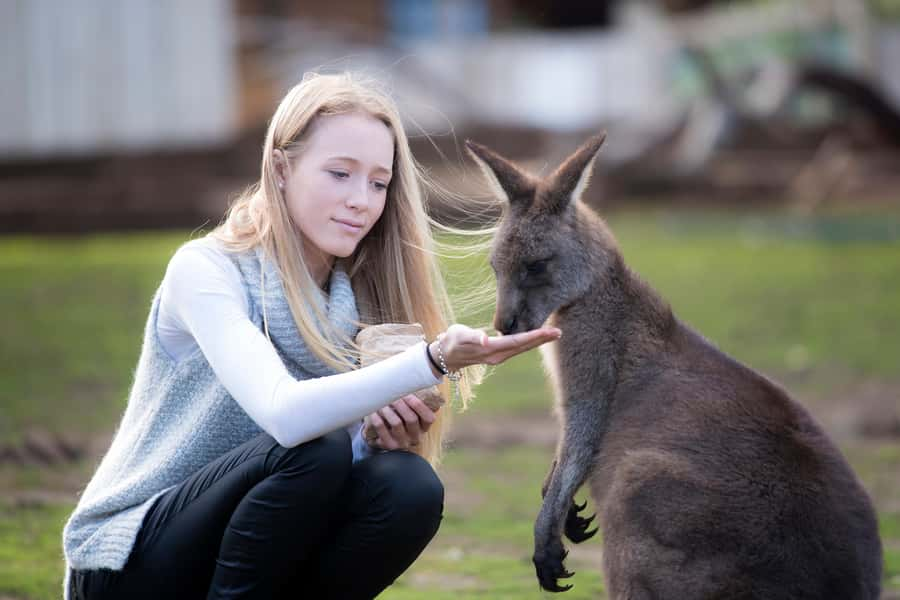
- Kangaroos roam freely: Use the included food to hand-feed them at close range.
- Tasmanian devils are a major draw: The sanctuary offers a reliable chance to see these unusual animals.
- Daily guided tours add context: Keepers explain species, threats and the care of individual animals.
- This is a sanctuary first: Animals are generally there because they are injured, orphaned, endangered or unable to return safely to the wild.
- The ticket stays valid for 365 days: Check availability for the visit time that suits you.
- Expect a sunny outdoor visit: Shade is limited in some areas, and smoking, vaping and personal animals are not allowed.
Why Bonorong is more than a quick animal stop
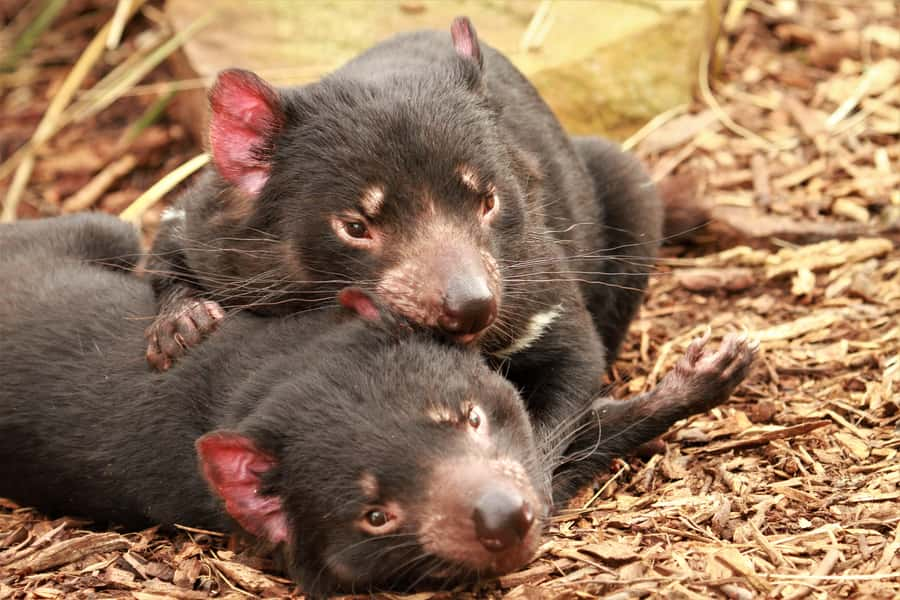
Bonorong Wildlife Sanctuary gives you two experiences in one. You get the easy pleasure of seeing Australian animals at close range, but you also learn why many of them need help in the first place.
The setting is built around wildlife care and protection. Animals at the sanctuary may be too young to return to the wild, or may have an injury, illness or disability that makes release unsafe. That changes how you look at the enclosures and keeper talks. You are not simply ticking off a Tasmanian devil or wombat. You are seeing animals that have a reason to be there.
I like this approach because it gives the visit a clear purpose without making it feel heavy. You can feed a kangaroo, watch a wombat, and take photos, then hear about the threats facing native species. The best parts are warm and playful, but the conservation message is always close by.
The sanctuary is in Tasmania, near Hobart, and the ticket includes on-site parking. Transfers are not included, so you need to arrange your own way there. The host language is English, and the sanctuary is wheelchair accessible.
More Wildlife Tours in Hobart
- Day Tour in Mt. Field, Mt. Wellington, Bonorong Wildlife Sanctuary and Richmond
★ 5.0 · 735 reviews - From Hobart: Mt. Field, Mt. Wellington and Wildlife Day Tour
★ 4.8 · 261 reviews - Bonorong Wildlife Sanctuary Half-Day Tour from Hobart
★ 4.5 · 158 reviews
Start with the kangaroos and get your bearings
The included bag of kangaroo food is one of the simplest features here, but it shapes the whole visit. You are not only looking through a fence at distant animals. You can offer food to kangaroos that roam freely within the sanctuary, creating the close, memorable contact many people hope for when visiting Australia.
Approach calmly and follow the sanctuary’s instructions. Feeding gives you a reason to slow down and watch how the animals behave instead of rushing from one enclosure to the next. You may also see wallabies close by, and touching a wallaby is possible in the right setting, as long as staff permit it.
This is especially good for families and first-time visitors to Australia. Children get an immediate connection with the animals, while adults get photographs that feel personal rather than staged. The food is included, so you do not need to budget for a separate feeding experience.
One practical note: kangaroo feeding can become the activity you keep returning to. Give yourself time for it rather than treating it as a quick stop at the entrance. The experience depends on the animals being active and willing to approach, so patience helps.
Meet Tasmanian devils, wombats and echidnas
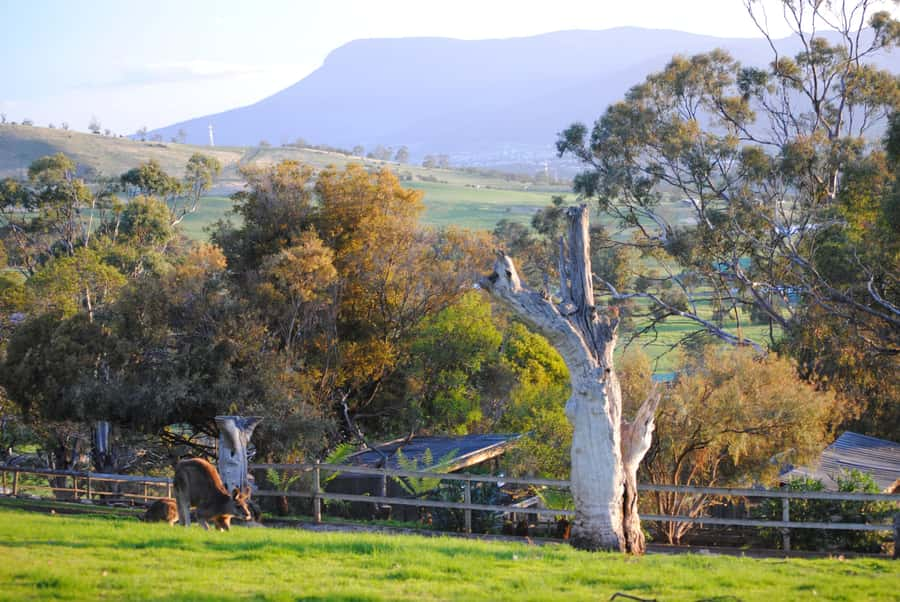
The Tasmanian devil is often the animal that brings people to Bonorong. It is one of Tasmania’s most distinctive species, and seeing one in person gives you a better sense of its compact, powerful build and alert behavior than a picture ever can.
The sanctuary offers guided animal presentations that may focus on a Tasmanian devil, echidna and wombat. At these sessions, the keeper explains the species and then gives details about the particular animal in front of you, such as its age and why it remains at the sanctuary. That personal detail makes the conservation work easier to understand.
Wombats are another strong point. Their sturdy shape and calm presence make them a favorite, and a keeper talk helps explain more than their obvious charm. Echidnas offer a different kind of encounter, with an unusual appearance and habits that are easy to miss if you only walk past an enclosure.
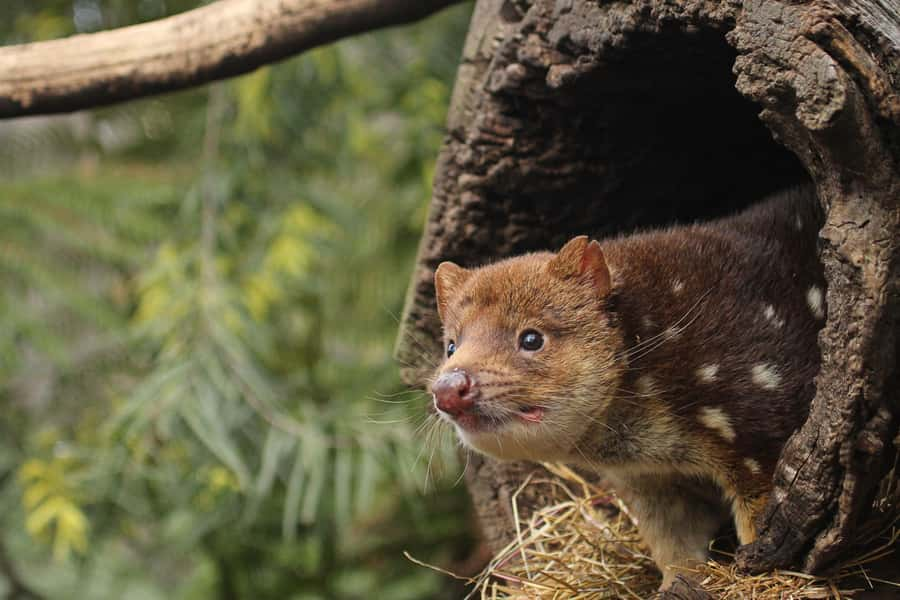
You may also see eastern quolls, sugar gliders, parrots, kookaburras and other Australian animals. Some species are small or less familiar, so the guided explanations matter. A keeper can point out what you are looking at and explain the risks these animals face.
Use the daily tours to add meaning
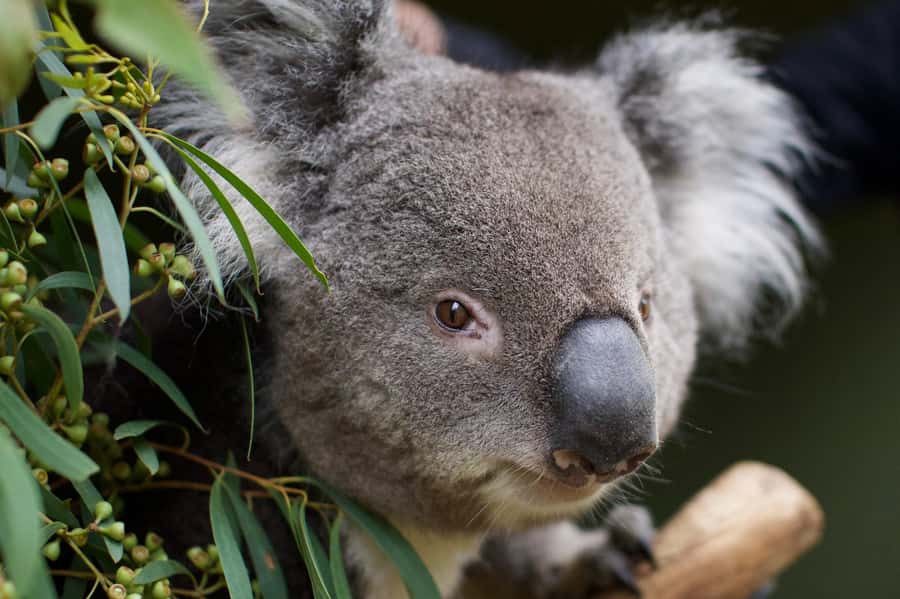
Admission includes access to daily guided tours, and I would make these a priority rather than relying only on a self-guided walk. The tours give structure to the visit and help you notice details you might otherwise miss.
The keepers explain the species, their threats and the work involved in protecting them. They also feed selected animals and describe how the sanctuary cares for individuals that cannot survive safely in the wild. This is where Bonorong feels most different from a standard zoo visit.
Tour timing can affect your day, so check the available starting times before you arrive. The ticket is valid for 365 days, but that does not mean you can assume a tour runs at any moment. Availability and daily timing still apply.
The tours are in English. If you understand English comfortably, the talks add a lot of value. If you do not, you can still walk through the sanctuary, feed kangaroos and see the animals, but you may miss some of the detail about conservation and individual care.
A different sort of day out, same corner of Hobart:
- Bruny Island Food, Sightseeing, Guided Lighthouse Tour & Lunch
★ 5.0 · 2,989 reviews - Full-Day Guided Bruny Island Tour from Hobart
★ 5.0 · 1,331 reviews - kunanyi/Mt Wellington Explorer Bus- Return Tour (2.5 hours)
★ 5.0 · 1,249 reviews - Hobart: Bruny Island Food, Sightseeing & Lighthouse Day Tour
★ 4.8 · 960 reviews
See the animal hospital at work
The animal hospital adds another layer to the visit. From public viewing areas, you may be able to watch vets examine or operate on injured animals. That can be fascinating, especially if you want to understand what a sanctuary does beyond displaying wildlife.
It can also be confronting. Medical treatment is part of real animal care, and what you see may not be as lighthearted as feeding a kangaroo. I would prepare children for that possibility and let them decide how closely they want to watch.
The hospital helps explain why Bonorong exists. Rescued animals need treatment, rehabilitation and protection, not just a place to stay. Seeing this work gives you a more realistic picture of conservation. It also shows why some animals cannot be released, even when staff are doing everything possible to help them.
How the $25 ticket earns its keep
At $25 per person, the basic admission is good value if you plan to stay long enough to use the included features. You receive entry, a bag of kangaroo food, access to daily guided tours and on-site car parking. That is a useful package for an independent visit from Hobart.
The strongest value comes from combining the feeding with at least one guided tour. If you only walk through quickly, the ticket still gets you close to unusual animals, but you will miss much of what makes the sanctuary worthwhile.
Food and drinks cost extra. A concession is available on site, and it can be useful for a break during a full day. Since the sanctuary is outdoors and shade is limited in some areas, having time to sit down matters, particularly in warm weather.
The ticket also offers free cancellation up to 24 hours before the visit and a reserve-now, pay-later option. Those terms are helpful if your Hobart plans may shift. The 365-day validity gives you extra flexibility, but check the current availability before choosing a time.
Allow enough time for a proper visit
The experience is described as a full day out, and that is the right way to think about it. You can move at a quick pace, but the sanctuary gives you more to do than simply walk past the major animals.
A sensible visit includes time for:
- Feeding kangaroos more than once
- Joining a daily guided tour
- Seeing Tasmanian devils, wombats and echidnas
- Looking for eastern quolls, sugar gliders and birds
- Visiting the animal hospital viewing area
- Stopping for food or a rest
The exact order depends on tour times and animal activity. Start by checking the day’s guided sessions, then fit your walk and feeding around them. That prevents you from arriving at a favorite animal area just as a talk ends.
Bring comfortable shoes, sun protection and water. Smoking and vaping are not allowed anywhere within the sanctuary. You also cannot bring animals onto the property without permission, including assistance dogs, so check with the sanctuary in advance if that applies to you.
Skateboards, rollerblades, bicycles, tricycles and sporting equipment are also not allowed because they may put animals or people at risk. These rules make sense in a place where animals move near walking areas.
Is it suitable for children and wheelchair users?
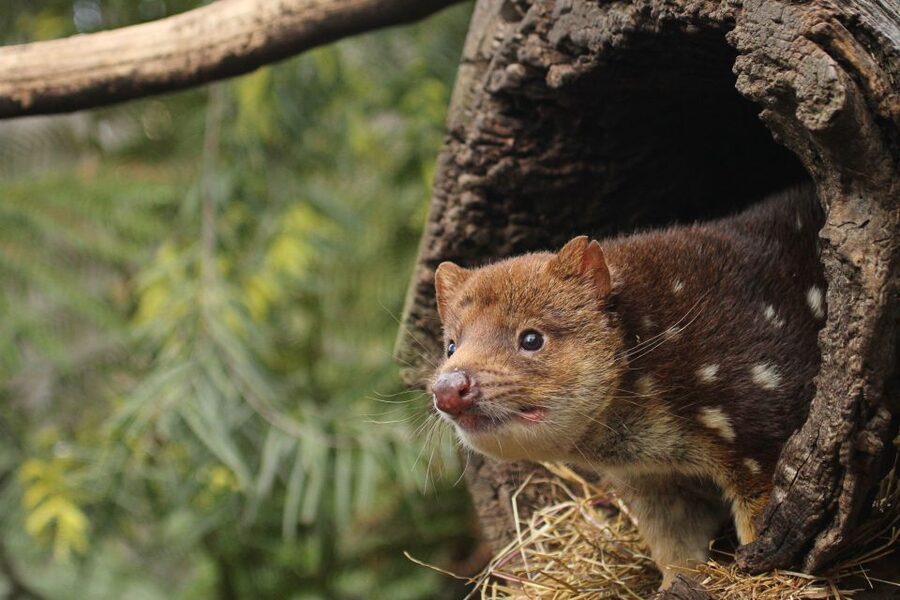
Bonorong works well for families because the experience changes pace often. Feeding kangaroos offers hands-on excitement, while the animal talks provide short bursts of learning. Children can also see familiar Australian favorites such as wombats and parrots alongside less familiar animals such as quolls and echidnas.
The hospital viewing area may need a little judgment. Some children will find it interesting, while others may prefer to spend more time with the live animals.
The sanctuary is wheelchair accessible, which makes the visit easier for people with mobility needs. Specific route details are not provided, so if you need information about a particular area or facility, contact Bonorong before arrival.
Adults without children will not feel out of place. The conservation work, Tasmanian devils and animal care programs give the visit enough substance for anyone interested in native wildlife. Photographers should find plenty of close views, although light and animal behavior will vary.
What could be better
The clearest weakness is shade. On a hot, bright day, some areas can feel exposed, and you may want to shorten your time outdoors or take more breaks. Wear a hat, use sunscreen and bring water rather than relying only on the café or concession.
The experience also depends on animal behavior. Kangaroos may not always approach when you want them to, and smaller animals can be less obvious than the larger stars. The guided tours help, but you should not expect every species to be equally easy to see.
There is also a difference between a sanctuary and a traditional zoo. You may see animals that are injured, orphaned or unable to return to the wild, and the setting is focused on care rather than polished entertainment. That is a strength for many people, but it may not suit someone seeking a highly theatrical or amusement-park style attraction.
Who should book Bonorong?
I would recommend Bonorong to anyone who wants close contact with Australian wildlife while supporting a clear conservation purpose. It is particularly strong for first-time visitors to Tasmania, families, animal lovers and anyone determined to see a Tasmanian devil.
You will get the most from it if you enjoy learning how animals are cared for, not just photographing them. Plan on using the guided tours, allow several hours, and treat the kangaroo feeding as a central part of the day.
If your main concern is avoiding direct contact with animals or spending time in a shaded indoor museum, this may not be the best fit. The visit is outdoors, some shade is limited, and the strongest moments come from being close to living animals.
For $25, the combination of admission, kangaroo food, tours and parking makes this a sound Hobart outing. I would book it if you want an accessible introduction to Tasmania’s native species and a chance to see wildlife care in action.
FAQ
How much does admission to Bonorong Wildlife Sanctuary cost?
The admission price is $25 per person. The ticket includes entry, a bag of kangaroo food, access to daily guided tours and on-site car parking.
How long is the ticket valid?
The ticket is valid for 365 days. You still need to check availability for the visit time you want.
Is kangaroo food included?
Yes. Your admission includes a bag of food for hand-feeding the free-roaming kangaroos.
Can I join a guided tour?
Yes. Admission includes access to daily guided tours. The tours are hosted in English and cover wildlife, conservation, animal threats and protection work.
Can I see Tasmanian devils at the sanctuary?
Yes. Tasmanian devils are among the animals you can see at Bonorong, along with wombats, echidnas, eastern quolls, sugar gliders and birds.
Is Bonorong wheelchair accessible?
Yes. The sanctuary is wheelchair accessible.
Are animals, smoking or sporting equipment allowed?
Smoking and vaping are not allowed. You cannot bring animals onto the property without permission, including assistance dogs. Skateboards, rollerblades, bicycles, tricycles and sporting equipment are also not allowed.
Just added around Hobart
- Tasmania: Wilderness and Wildlife Guided 6-Day Tour★ 4.6 · 60 reviews
- Tasmania: 7-Day West to East Tour★ 4.8 · 115 reviews
- From Hobart: 5-Day Tasmania West & East Coast Tour★ 4.9 · 369 reviews
- Signature Wine Tour – Hobart & SE Tasmania★ 4.9 · 48 reviews
- Mt Wellington: Ultimate Experience from Hobart★ 4.6 · 76 reviews
- Kunanyi & Mt Wellington Explorer Bus: One-Way Bus Pass★ 4.8 · 27 reviews
- Hobart: Tahune Airwalk & Hastings Caves – Active Day Tour★ 4.8 · 56 reviews
- Hobart: Morning River Cruise★ 4.3 · 22 reviews
Wildlife, compared.
Penguin Parade, & Wildlife Encounters Eco Tour from Melbourne
Read our review →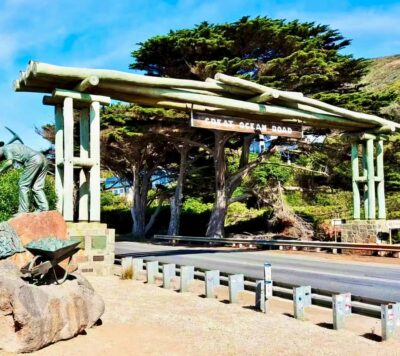
Melbourne Great Ocean Rd Reverse Tour London Bridge Wildlife
Read our review →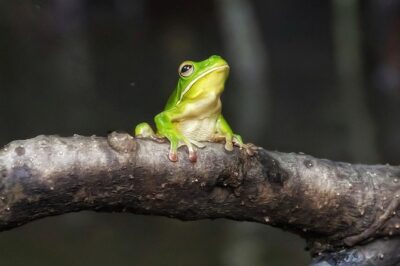
Solar Whisper Daintree River Crocodile and Wildlife Cruise
Read our review →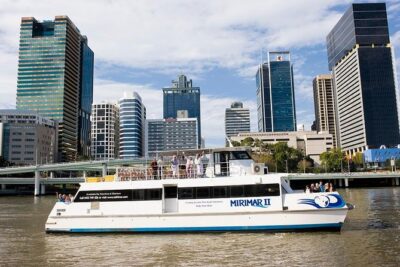
Brisbane River Cruise with entry to Lone Pine Koala Sanctuary
Read our review →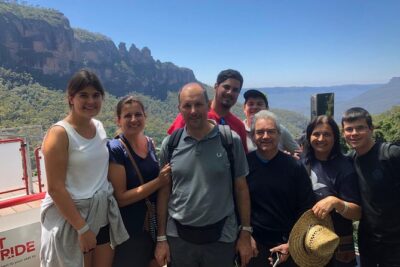
Blue Mountains: Three Sisters, Scenic World and Wildlife park
Read our review →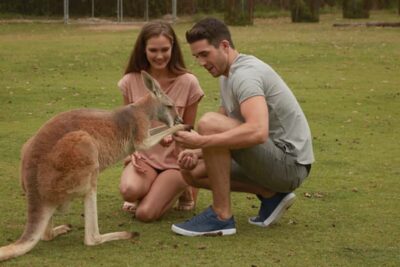
Brisbane River Cruise and Koala Sanctuary Visit
Read our review →
Puffing Billy & Healesville Sanctuary Scenic Tour
Read our review →Browse the lists this tour appears in