
Reviewed · HOBART
Bonorong Wildlife Sanctuary Half-Day Tour from Hobart
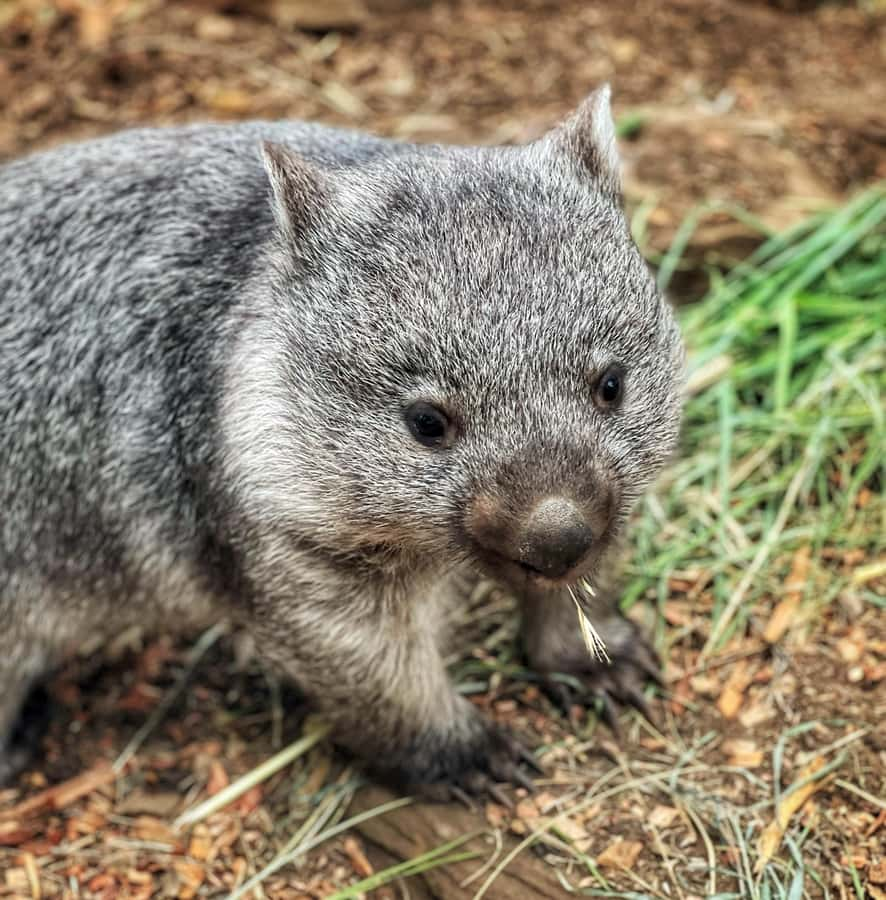
Bonorong is the star of this half-day outing. You can walk among free-roaming kangaroos, see Tasmanian Devils up close, and learn how the sanctuary cares for injured and threatened native animals. The visit feels more personal than a quick photo stop at a standard zoo, especially when you are hand-feeding kangaroos or watching an echidna go about its odd little business.
I like the useful mix of Tasmanian wildlife and local history, and I like that the drive includes Richmond rather than sending you straight to the sanctuary. The main catch is time: 70 minutes at Bonorong can feel short, especially if an animal talk is absorbing or you want time for the kangaroos, gift shop, and other enclosures.
Key points at a glance
- Tasmanian Devils up close: Bonorong is a sanctuary and breeding site for this famous Tasmanian animal.
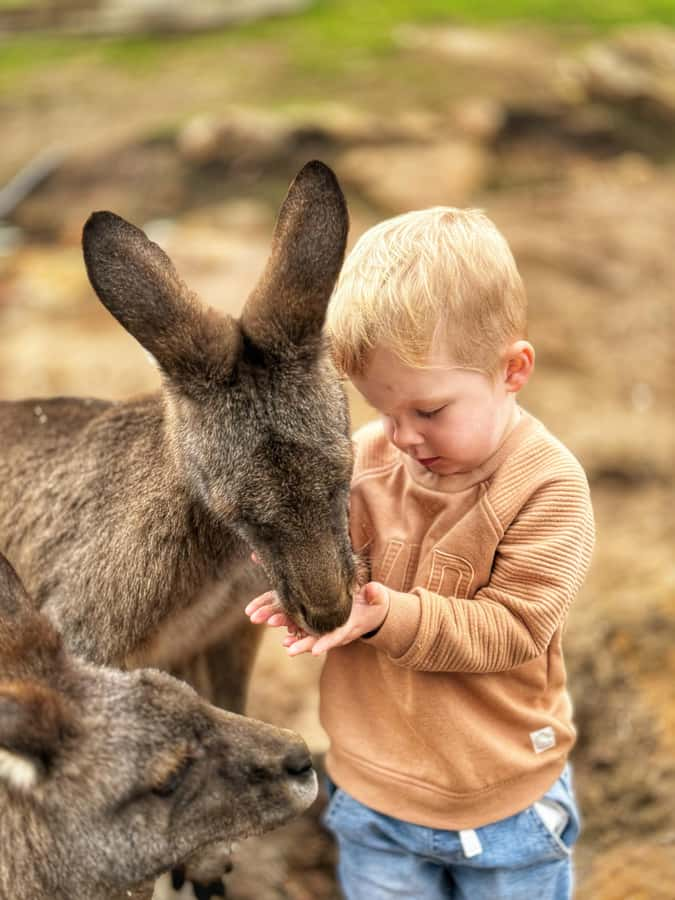
- Hand-feed kangaroos: Free-roaming kangaroos are one of the most memorable parts of the visit.
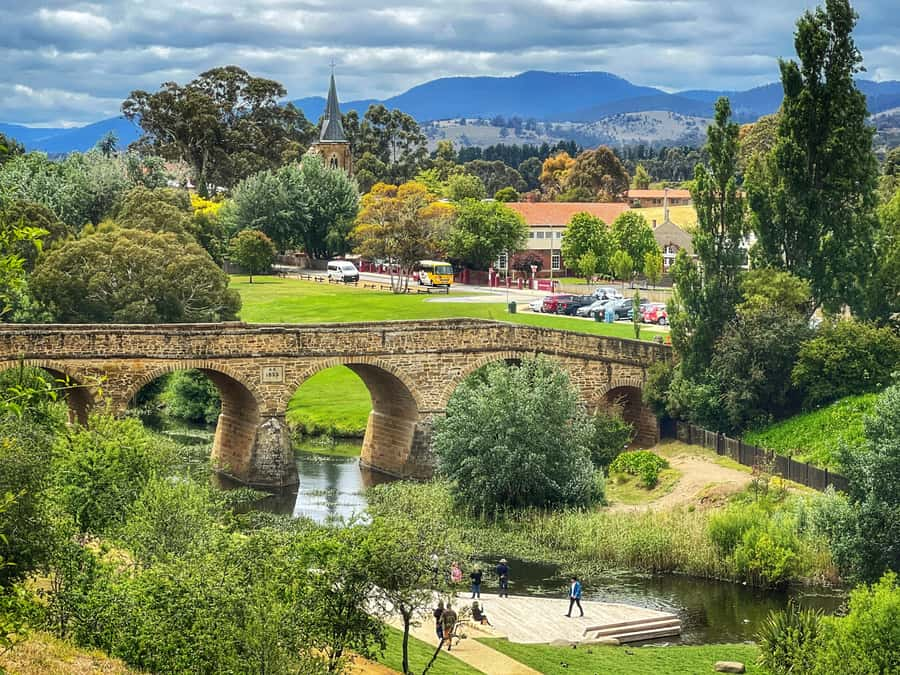
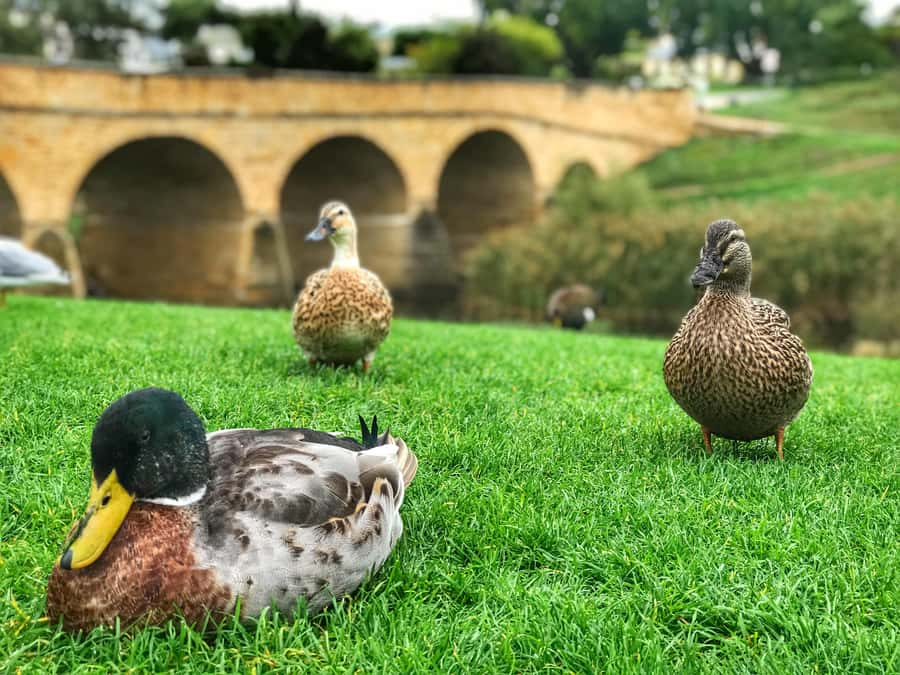
- Richmond in 70 minutes: See Georgian buildings, the Coal River, Australia’s oldest convict-built road bridge, and the oldest operating Catholic Church.
- A guide-led drive: The trip includes Hobart commentary and local history, with past guides including Shaun, Hugo, Phil, Sue, and Neil.
- A compact four-hour plan: It works well when you want wildlife without giving up most of your day.
- Good value with one warning: At $88, transport, entry, and guided commentary are bundled together, but the sanctuary time is limited.
Why Bonorong makes this more than a zoo visit
Bonorong Wildlife Sanctuary gives you a close look at Australian animals in a setting built around care and conservation. The emphasis is not simply on displaying animals. The sanctuary is also a successful breeding site for Tasmanian Devils, and its staff explain the work involved in caring for native species.
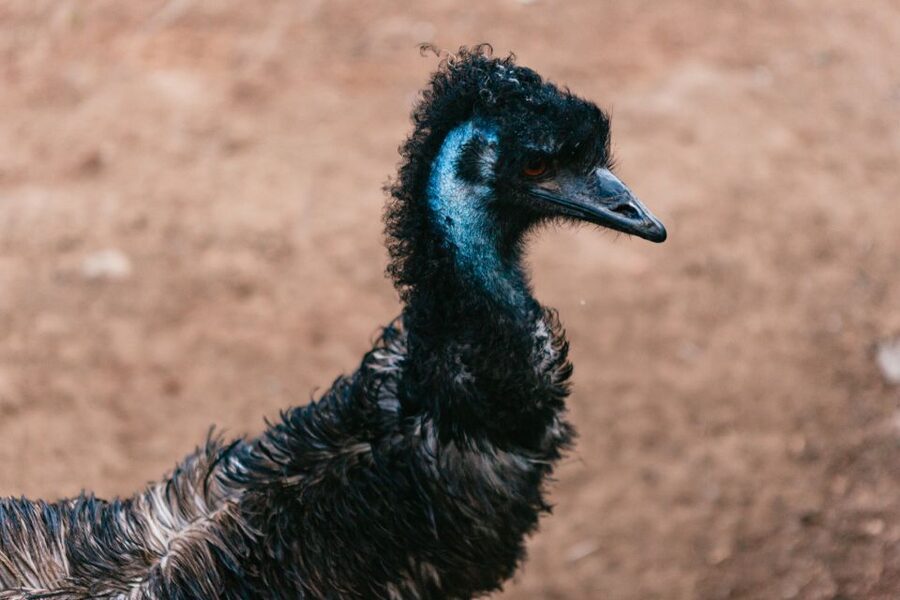
You can expect to see kangaroos, wombats, echidnas, Tasmanian Devils, and other Australian animals. The exact animal encounters can vary, but the chance to walk through areas where kangaroos roam freely is a major draw. Hand-feeding them brings you close enough to notice their calm, curious manner and their habit of using their noses and paws to investigate food.
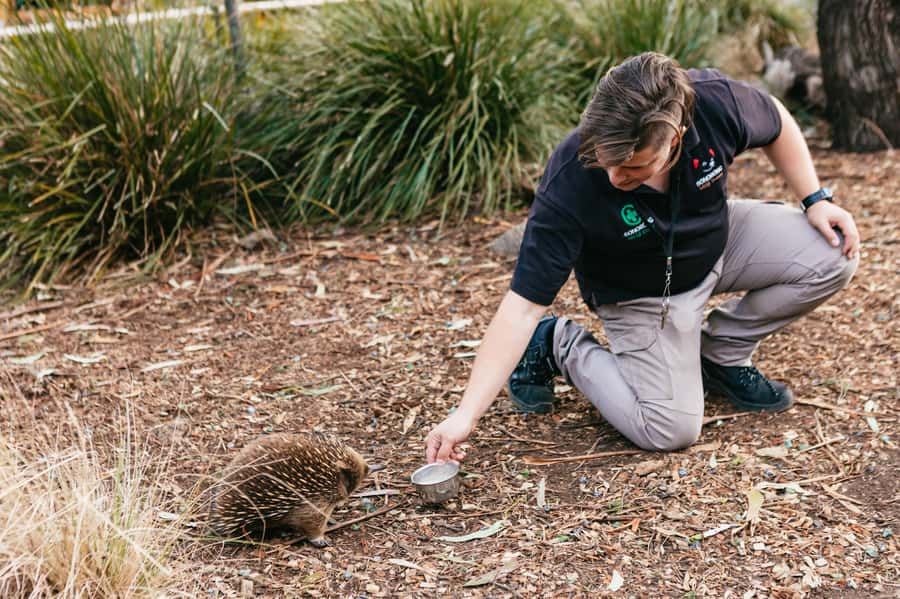
The echidnas are another small highlight. They are easy to overlook if you rush, but their unusual shape and amusing behavior reward a slower look. You might also meet wombats and see a cockatoo such as Fred, who has become a favorite character for some visitors.
The animal presentations add real value. Staff talks about wombats and Tasmanian Devils can take you beyond the quick postcard facts and explain why these creatures matter. If you care about wildlife welfare, you will likely appreciate seeing clean, thoughtfully arranged enclosures and staff who clearly take their work seriously.
More Wildlife Tours in Hobart
- Day Tour in Mt. Field, Mt. Wellington, Bonorong Wildlife Sanctuary and Richmond
★ 5.0 · 735 reviews - From Hobart: Mt. Field, Mt. Wellington and Wildlife Day Tour
★ 4.8 · 261 reviews - 4 Day Wild Tasmania Tour / Wildlife, Nature, Hiking / Inc. Accom
★ 5.0 · 126 reviews
Leaving Hobart across the Tasman Bridge
The tour begins at Brooke Street Pier in Hobart. Courtesy hotel pickup is also available, but you need to arrange it with Gray Line or your hotel, and you should wait outside five minutes before the stated pickup time. Pickup can shift with traffic, so do not plan a tight connection immediately afterward.
As the coach leaves Hobart, you cross the Tasman Bridge and continue into the Coal River Valley. The drive takes about 40 minutes each way. This is not dead time. Your English-speaking driver-guide provides commentary about Hobart and Tasmania, and the quality of that narration is an important part of the experience.
Past guides have included Shaun, Hugo, Phil, Sue, and Neil. Names are not guaranteed on a future departure, but the feedback points to a consistent strength: friendly drivers who explain local history, keep the mood relaxed, and make the drive feel like part of the tour rather than just a transfer.
You will travel in a comfortable bus or coach, though one past passenger reported a faulty sound system. That appears to be an isolated practical problem, but it is worth knowing because the commentary matters here. If you have trouble hearing, ask the guide early rather than missing the main explanations.
Richmond, where 70 minutes goes quickly
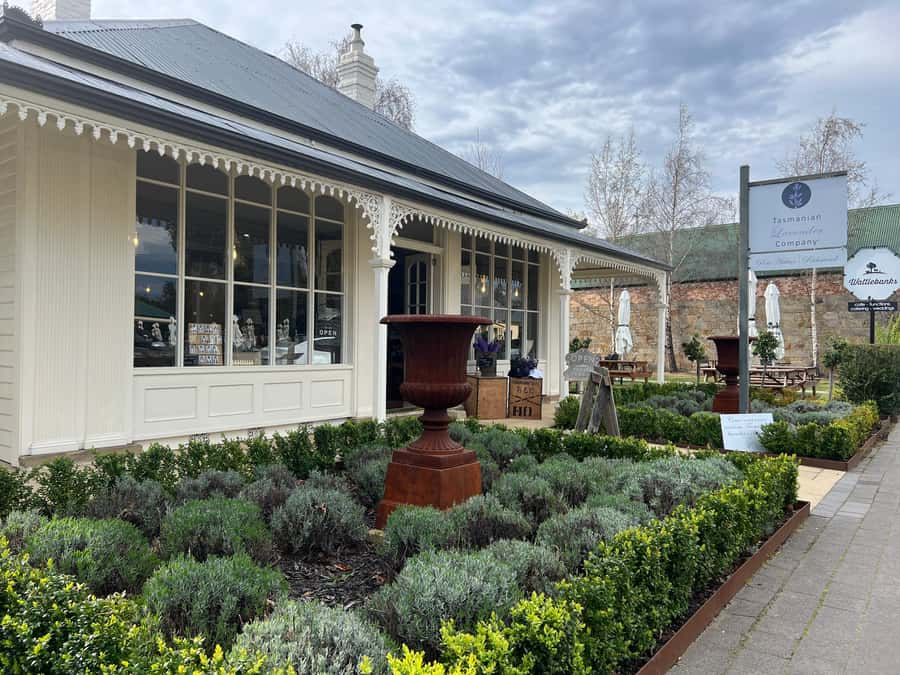
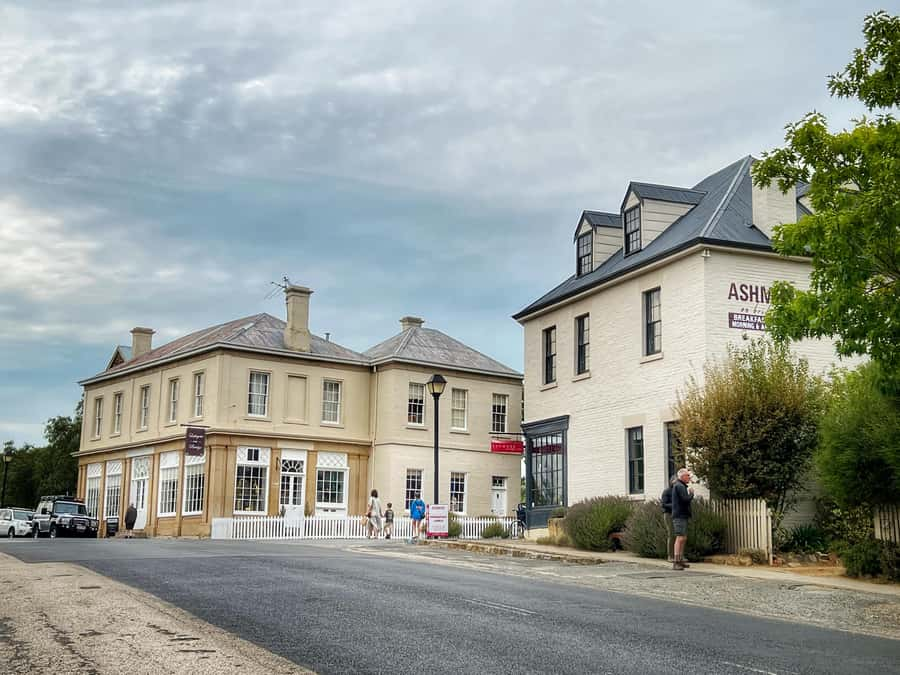
Richmond is a small historic town with mellow stone cottages, Georgian mansions, quaint streets, shops, galleries, cafes, and restaurants. The Coal River runs through the area, giving you a pleasant route for a short walk before you browse the village.
Your driver provides an orientation tour, then you have time to explore independently. This arrangement suits you if you like a little freedom. You can stroll by the river, look at the old buildings, buy a souvenir, or stop for local produce rather than follow a tightly guided walking route.
The town’s strongest sights are its historic ones. Richmond has Australia’s oldest convict-built road bridge and the oldest operating Catholic Church. Those details give the visit more weight than a generic country-town stop, especially if you are interested in Tasmania’s colonial past.
Still, Richmond divides opinion because of the fixed 70-minute stop. Some people find it just right for a walk, a few shops, and a quick drink. Others would rather spend that time at Bonorong. If you move slowly, want to eat, or plan to inspect the galleries, you may feel hurried. If Richmond is not a major priority, the stop can seem long compared with the sanctuary visit.
I suggest using the orientation to identify one or two sights before setting off. Do not try to see every shop. A short river walk, the bridge, and a look at the historic streets will give you a useful taste of the town without using all your time in one cafe.
Inside Bonorong Wildlife Sanctuary
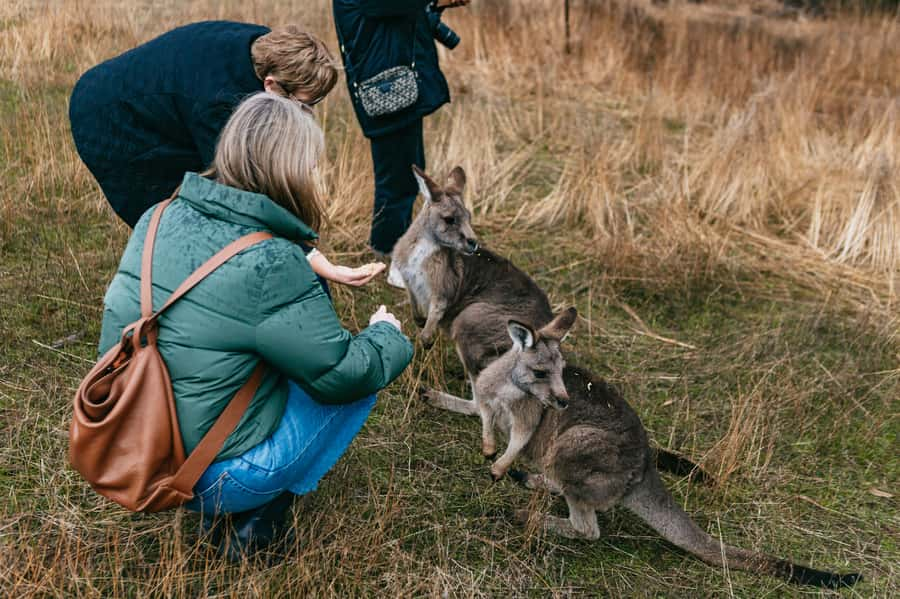
The coach continues to Bonorong after Richmond, and you have about 70 minutes inside the sanctuary. Entry is included, and the tour provides access to the grounds and the close animal encounters described as part of the outing.
Start with the animals most important to you. If kangaroos are your priority, head toward the free-roaming areas early so you have time to feed and gently pat them. Do not assume you can return later and still have plenty of time. The sanctuary visit is the part most likely to feel rushed.
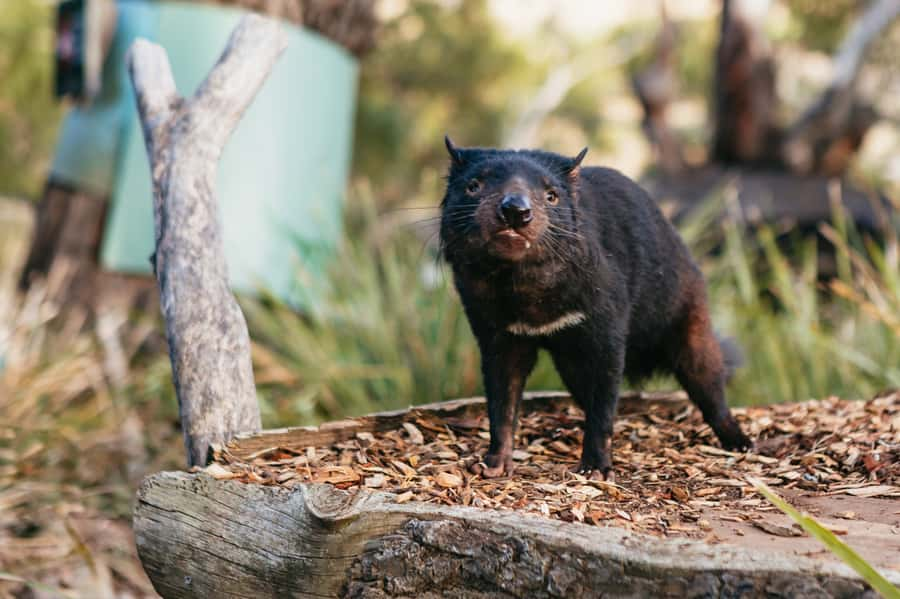
Next, look for the Tasmanian Devil presentation or ask staff when it is scheduled. The devil is the signature animal here, and seeing one at close range is far more meaningful when paired with an explanation of its behavior and the threats facing the species.
The animal talks can be detailed. One staff member may spend enough time explaining a wombat or devil that you gain a much better sense of the animal, but that also uses up your free-strolling time. This is a good trade if you value understanding over collecting quick photographs. It is less ideal if your main goal is to see every enclosure.
You may also see koalas and other Australian native animals, along with wombats and echidnas. The sanctuary provides strong photo opportunities, but remember that close contact works best when you let the animals set the pace. The appeal is not just getting a picture of a kangaroo. It is noticing how the animal moves, feeds, and responds to people.
A different sort of day out, same corner of Hobart:
- Bruny Island Food, Sightseeing, Guided Lighthouse Tour & Lunch
★ 5.0 · 2,989 reviews - Full-Day Guided Bruny Island Tour from Hobart
★ 5.0 · 1,331 reviews - kunanyi/Mt Wellington Explorer Bus- Return Tour (2.5 hours)
★ 5.0 · 1,249 reviews - Hobart: Bruny Island Food, Sightseeing & Lighthouse Day Tour
★ 4.8 · 960 reviews
Is $88 fair for four hours?
At $88 per person, this is not the cheapest way to visit Bonorong. The price includes transportation from Hobart and back, sanctuary entry, the Richmond visit, animal encounters, and a live English-speaking guide. If you paid separately for transport and admission, the difference might be smaller than the headline price suggests, though the exact comparison depends on your plans.
I see the value in the time saved. You do not need to arrange a vehicle, work out the route across the Tasman Bridge, or manage parking at Richmond and Bonorong. You also get commentary about Hobart and Tasmania during the drive, which adds context that a self-guided visit may lack.
The tradeoff is control. You cannot simply add another hour at Bonorong if the devils, wombats, or kangaroos have captured your attention. A self-drive visit would give you more time and flexibility, while this tour gives you an easy half-day plan with a driver and admission bundled in.
For a first Hobart visit, I consider the price reasonable if you value convenience and want both wildlife and heritage in one outing. For serious wildlife fans, the limited sanctuary time may make a longer independent visit better value, even if it requires more planning.
Who will enjoy this half-day tour?
This outing suits families who want an easy introduction to Australian animals without committing to a full-day trip. Children are likely to respond well to the kangaroo feeding, while adults can enjoy the Tasmanian Devil talks and Richmond’s old buildings.
It also works well for visitors with only a short stay in Hobart. Four hours is enough to reach the Coal River Valley, see Richmond, visit Bonorong, and return to the waterfront without giving up an entire day.
You will get the most from it if you like a guided drive but prefer independent time at each stop. After the orientation in Richmond, you can choose your own route. At Bonorong, you are free to explore rather than remain with the guide every minute.
This is less suitable if you want a slow wildlife visit. Seventy minutes is enough for a taste, but not always enough for every animal, a talk, hand-feeding, photographs, and the gift shop. Animal lovers who want to watch behavior carefully should consider visiting Bonorong separately or choosing a longer option if available.
The tour is also useful for international visitors. The guides speak English, and past guide commentary has been praised for being clear and easy to follow. English is not the first language of every passenger, so a guide who speaks plainly makes a real difference.
Timing, pickup, and small practical details
The full outing lasts about four hours. The basic pattern is:
- About 40 minutes by coach from Hobart
- About 70 minutes in Richmond
- About 70 minutes at Bonorong
- About 40 minutes back to Brooke Street Pier
The stated meeting point is Brooke Street Pier. Courtesy hotel pickup is offered, but you must make the reservation with Gray Line or your hotel. Pickup times may change with traffic, so wait outside five minutes early.
Hotel drop-off is not included after morning tours. Plan to return to Brooke Street Pier and make your own way onward. This is simple if you are already exploring central Hobart, but it matters if you have luggage, a cruise schedule, or a timed reservation elsewhere.
The activity offers free cancellation up to 24 hours before departure and a reserve-now, pay-later option. Check the available starting times when booking, since the schedule can affect your plans for lunch or other Hobart activities.
What I like most, and what I would change
The strongest part is the combination of access and explanation. Feeding a kangaroo is memorable on its own, but learning about Tasmanian Devils, wombats, and echidnas gives the encounter more meaning. Bonorong’s conservation role makes the visit feel worthwhile rather than purely photographic.
The guides are another clear asset. Shaun, Hugo, Phil, Sue, and Neil have each been praised for warmth, humor, local knowledge, and clear commentary. You may have a different guide, but the tour depends on that personal narration to connect Hobart, Richmond, and the sanctuary.
I also like the balance between guided and free time. You get a useful introduction to Richmond, then wander at your own speed. At Bonorong, you can choose which animals matter most to you.
The weakness is the schedule. Richmond and Bonorong receive the same 70-minute allocation, but Bonorong has far more to see. If you are especially interested in animals, you may wish the itinerary trimmed Richmond slightly and gave that time to the sanctuary. A late pickup can make the problem worse, as even a small delay may reduce time for the sanctuary or gift shop.
Should you book it?
Book this tour if you want a simple, well-organized introduction to Hobart’s nearby history and wildlife. The combination of Richmond’s bridge and Georgian streets with kangaroos, wombats, echidnas, and Tasmanian Devils gives you a lot in four hours.
I would choose it for a first visit, a short stay, or a day when you do not want to drive. I would also recommend it to families and international visitors who value clear English commentary and an easy route from the waterfront.
Think twice if Bonorong is your main reason for going. The sanctuary is the stronger stop, and 70 minutes may leave you wishing for more time. In that case, visit independently or find a longer wildlife option.
For most people, the tour earns its $88 through convenience, transport, entry, and the quality of the guide commentary. Just arrive ready to prioritize your favorite animals, because the clock moves quickly once you reach Bonorong.
FAQ
How long is the Bonorong Wildlife Sanctuary tour from Hobart?
The tour lasts four hours, including coach travel, the Richmond visit, time at Bonorong Wildlife Sanctuary, and the return to Brooke Street Pier.
Where does the tour begin?
The stated meeting point is Brooke Street Pier in Hobart.
Is hotel pickup available?
Courtesy hotel pickup is available, but you must make a reservation with Gray Line or your hotel. Wait outside your hotel five minutes before the pickup time.
Is hotel drop-off included?
No. Hotel drop-off is not included after morning tours. You return to Brooke Street Pier.
How much time do I get in Richmond?
You have about 70 minutes in Richmond, following a short orientation tour with the driver.
What can I see in Richmond?
You can see historic stone cottages, Georgian mansions, the Coal River, Australia’s oldest convict-built road bridge, and the oldest operating Catholic Church. Shops, galleries, cafes, and restaurants are also available.
How much time do I get at Bonorong?
You have about 70 minutes at Bonorong Wildlife Sanctuary.
Can I feed the kangaroos?
Yes. Hand-feeding kangaroos is included among the close animal experiences at Bonorong.
Can I see a Tasmanian Devil?
Yes. Meeting a Tasmanian Devil is one of the main features of the sanctuary visit. Bonorong is also a successful breeding site for Tasmanian Devils.
Just added around Hobart
- Tasmania: Wilderness and Wildlife Guided 6-Day Tour★ 4.6 · 60 reviews
- Tasmania: 7-Day West to East Tour★ 4.8 · 115 reviews
- From Hobart: 5-Day Tasmania West & East Coast Tour★ 4.9 · 369 reviews
- Signature Wine Tour – Hobart & SE Tasmania★ 4.9 · 48 reviews
- Mt Wellington: Ultimate Experience from Hobart★ 4.6 · 76 reviews
- Kunanyi & Mt Wellington Explorer Bus: One-Way Bus Pass★ 4.8 · 27 reviews
- Hobart: Tahune Airwalk & Hastings Caves – Active Day Tour★ 4.8 · 56 reviews
- Hobart: Morning River Cruise★ 4.3 · 22 reviews
Wildlife, compared.
Penguin Parade, & Wildlife Encounters Eco Tour from Melbourne
Read our review →
Melbourne Great Ocean Rd Reverse Tour London Bridge Wildlife
Read our review →
Solar Whisper Daintree River Crocodile and Wildlife Cruise
Read our review →
Brisbane River Cruise with entry to Lone Pine Koala Sanctuary
Read our review →
Blue Mountains: Three Sisters, Scenic World and Wildlife park
Read our review →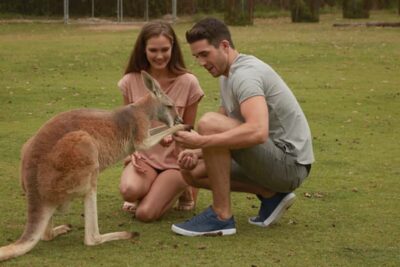
Brisbane River Cruise and Koala Sanctuary Visit
Read our review →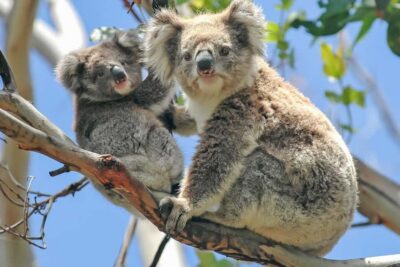
Puffing Billy & Healesville Sanctuary Scenic Tour
Read our review →Browse the lists this tour appears in