
Reviewed · HOBART
Tasmania: Wilderness and Wildlife Guided 6-Day Tour
Tasmania packs an astonishing range of scenery into six days: towering rainforest, glacial mountains, white beaches, pink granite peaks, wild coast, and animals you will not see anywhere else. This small-group road trip links the island’s biggest natural sights without asking you to rent a car or plan every park visit yourself.
I like the mix of short easy walks and optional harder hikes, which lets you set your own pace. I also like the practical choice between hostel and motel rooms, plus the chance to meet Tasmanian devils, wombats, wallabies, and kangaroos at close range. The tradeoff is a busy schedule with long driving days, and food is not included.
Key points to know before booking
- Tasmania’s west coast comes first: Walk beside Russell Falls, see Lake St Clair, pass through Franklin-Gordon National Park, and explore Queenstown and Strahan.
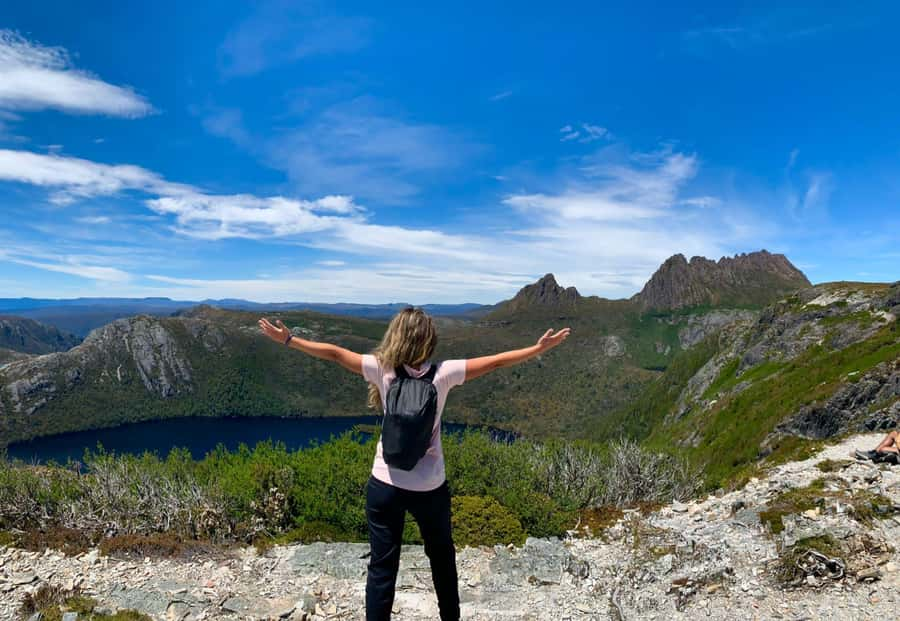
- You choose your walking level: Easy options include the Russell Falls walk, while Dove Lake and Marion’s Lookout offer more effort at Cradle Mountain.
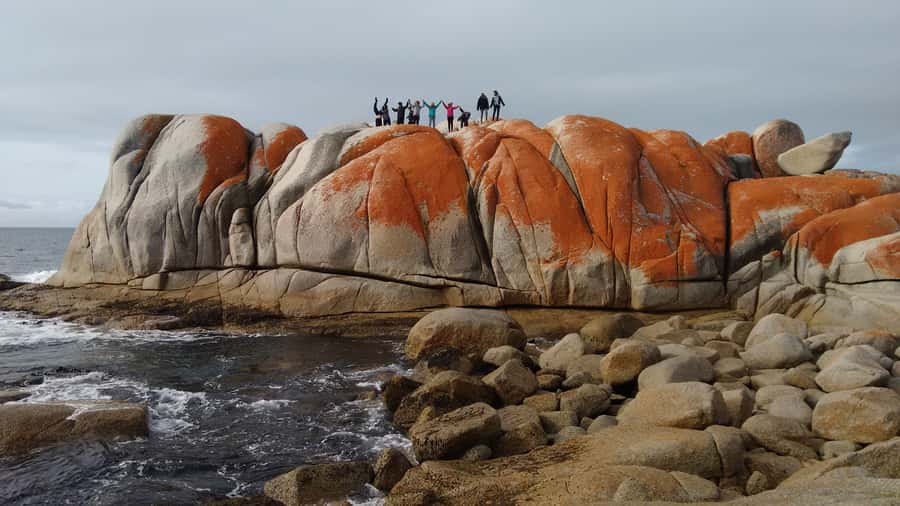
- The East Coast gets plenty of time: Bay of Fires, Bicheno, Wineglass Bay, Honeymoon Bay, and Cape Tourville fill two memorable days.
- Wildlife is built into the plan: Bonorong Wildlife Sanctuary includes Tasmanian devils, quolls, wombats, birds, and kangaroos.
- Accommodation is flexible: Choose hostel lodging or motel rooms, with different bathroom arrangements and room types.
- The price covers the big basics: At $831 per person, you get five nights, transport from selected Hobart locations, commentary, guided walks, park fees, and Bonorong entry.
Why this six-day route works
Tasmania is not a place where one base gives you easy access to everything. Hobart, the west coast, Cradle Mountain, Launceston, the Bay of Fires, Bicheno, and Freycinet are spread across the island. This tour’s main value is simple: it turns a difficult self-drive route into one connected trip.
You travel in a small group with an English-speaking guide, usually in a bus with luggage stored in a trailer. The bus has been described as older rather than luxurious, so I would choose this trip for the places it reaches, not for polished transport.
The guides are a big part of the experience. Past guides have included Phil, Keygan, Tim, Brendan, Hayden, and Garreth. Phil was especially appreciated for local suggestions, including cafes and ice cream stops, while Brendan was praised for his passion for the walking trails and Tasmanian wilderness. Guide assignments can change, but the format gives you someone who can explain geology, plants, wildlife, local stories, and route choices as you go.
Each day includes walks, but they are not all the same. You may take a flat 25-minute walk to Russell Falls, then face rough surfaces, steps, or short climbs at Cradle Mountain. You do not have to join every walk, yet moderate fitness and good mobility will help you make the most of the route.
More National Park Tours in Hobart
- From Hobart/Adventure Bay: Bruny Island Wilderness Cruise
★ 4.8 · 601 reviews - Hobart: Bruny Island Wilderness Coast Eco Cruise with Lunch
★ 4.8 · 498 reviews - Bruny Island Wilderness Cruise from Adventure Bay, Bruny Island
★ 5.0 · 293 reviews
Day 1: Hobart to Strahan through the Western Wilds
The first day heads west from Hobart to Strahan, with several major stops along the way. At Mount Field National Park, you walk among enormous trees and follow the easy track to Russell Falls. The return walk is about 1.4 kilometers and takes around 25 minutes on a flat, even surface.
That makes Russell Falls a good early stop for almost anyone who can manage a short walk. It is scenic without using up your energy for the rest of the day.
Next comes Lake St Clair, Australia’s deepest freshwater lake. The lake gives the route a change of scale after the forest, with broad water and mountain scenery around it. You then travel through Franklin-Gordon National Park, one of the best parts of the trip for seeing rainforest and high country from the road.
The day ends in Queenstown, an old mining town with a very different feel from Hobart or Launceston. Its setting reflects the tougher industrial past of Tasmania’s west coast. From there, you continue to Strahan, a small harbourside village that works as your base for two nights.
This is a long opening day, so do not expect a leisurely schedule. You are crossing a large section of Tasmania while still getting several worthwhile stops. The reward is that you wake up on the west coast rather than spending a second day reaching it.
Day 2: Sand dunes, rainforest, and Ocean Beach
The second day gives you more time in the wild west. The Henty Sand Dunes are a striking stop, with huge pale dunes reaching inland from the coast. They offer a change from the thick rainforest and mountain scenery of the previous day.
You also take a guided nature walk through ancient rainforest. This is where a good guide adds real value. Instead of simply passing trees and ferns, you get help noticing the details of the forest and understanding how the plants and terrain fit together.
You have an important choice later in the day. You can join a Gordon River Cruise at your own expense, or continue with the included land-based activities. The cruise is not part of the tour price, so budget for it separately if the river is a priority for you.
Ocean Beach provides a final dose of open coast. The tour describes the air here as among the freshest in the world, and the broad beach gives you room to breathe after the enclosed forest roads. You return to Strahan for the second night.
Two nights in one place is useful here. It avoids packing every morning and gives the west coast enough time to feel like more than a quick photo stop.
Day 3: Cradle Mountain and the road to Launceston
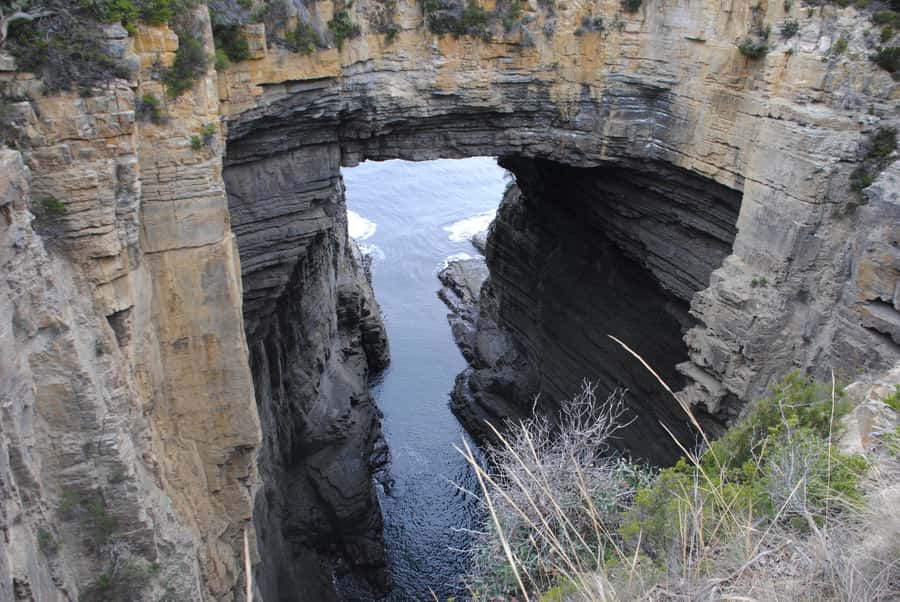
Cradle Mountain National Park is the hiking centerpiece of the tour. The area was shaped by glaciers, and its alpine lakes and mountain ridges feel very different from the west coast rainforest.
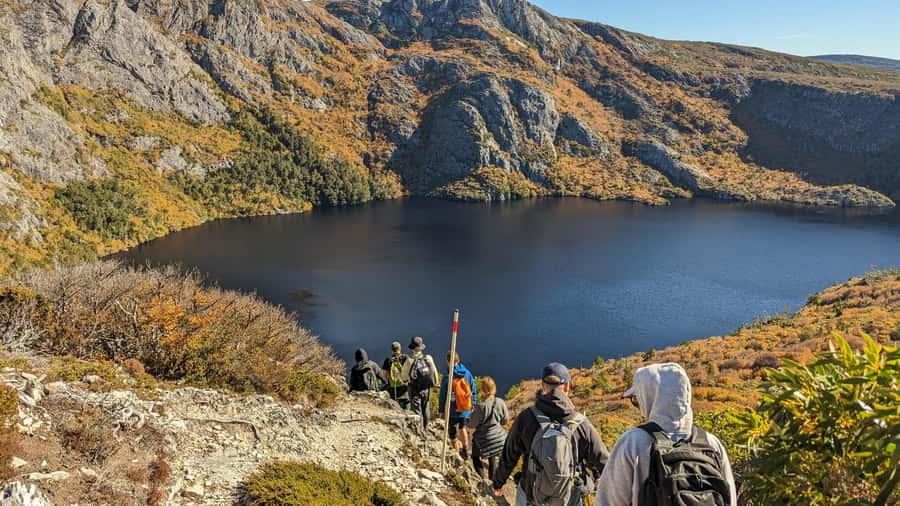
You choose a walk based on your fitness and energy. The Dove Lake Circuit takes around two to three hours and covers six kilometers. It includes short hills, rough sections, and many steps, so good shoes matter. It is a strong choice if you want a proper walk without committing to a major climb.
Marion’s Lookout is the more demanding option. The climb brings bigger views, but you should choose it only if you are comfortable with steeper walking and a more strenuous day. If your legs are tired from the first two days, the easier route is the sensible choice.
Ronny Creek is a good place to look for wombats. Wildlife is never guaranteed, but this part of the itinerary gives you a genuine chance to see one in a natural setting rather than only at a sanctuary.
After leaving the mountains, the group stops in Sheffield, known as the Town of Murals. This adds a human and artistic pause after the national park. You then continue to Launceston for the night.
Day 3 is one of the more demanding days because the best scenery requires walking. The tour works well because you are not locked into one route. You can select a shorter option, walk without the guide, or take on Marion’s Lookout if you have the strength.
More Wildlife Tours in Hobart
- Day Tour in Mt. Field, Mt. Wellington, Bonorong Wildlife Sanctuary and Richmond
★ 5.0 · 735 reviews - From Hobart: Mt. Field, Mt. Wellington and Wildlife Day Tour
★ 4.8 · 261 reviews - Bonorong Wildlife Sanctuary Half-Day Tour from Hobart
★ 4.5 · 158 reviews - 4 Day Wild Tasmania Tour / Wildlife, Nature, Hiking / Inc. Accom
★ 5.0 · 126 reviews
Day 4: Cataract Gorge, Bay of Fires, and Bicheno
The morning begins at Cataract Gorge near Launceston. The gorge offers walking and the possibility of spotting local wallabies. It is a pleasant contrast to Cradle Mountain, with an easier start before the long drive east.
You continue to St Helens for lunch, then reach the Bay of Fires. The coast is known for pale sand, clear water, and rocky shorelines, and the tour gives you time to walk along the beaches. Bring swimwear and a towel if you like the idea of getting in the water, though the schedule and weather will affect what is practical.
The route then continues to Bicheno, a fishing village where penguins may be seen emerging from the sea. The wording matters: this is a chance to see them, not a guaranteed wildlife show. Keep your expectations flexible and bring warm clothing for the evening.
This day combines a relatively easy gorge visit with a beach walk and a possible wildlife encounter. It also includes another substantial road journey, so the Bay of Fires stop is best enjoyed as a focused walk rather than an unhurried beach holiday.
Day 5: Freycinet’s beaches, granite peaks, and Hobart
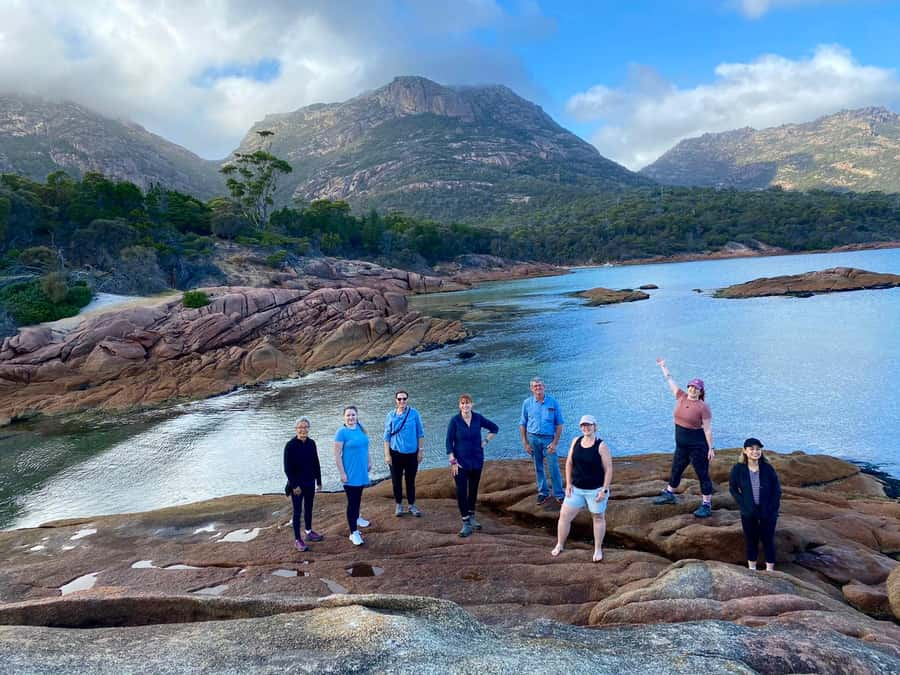
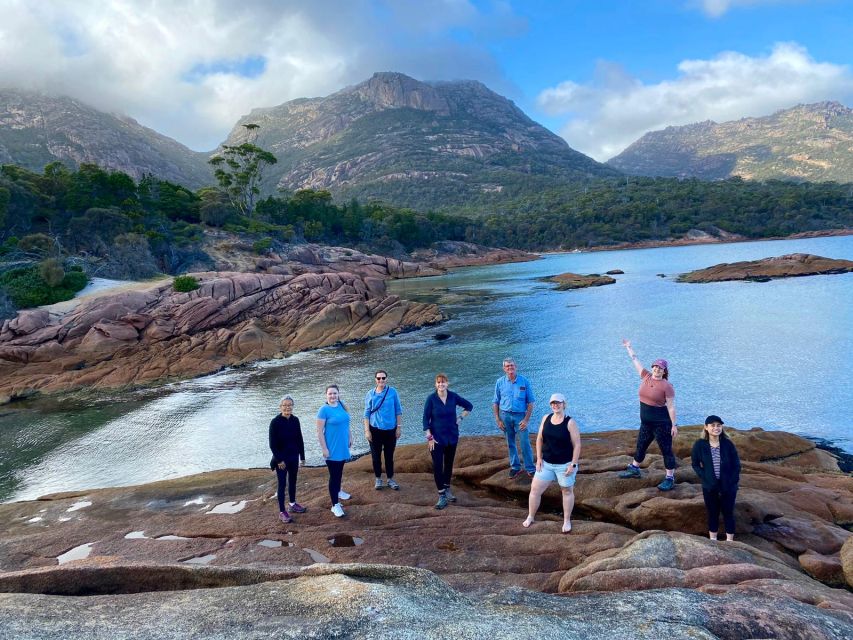
Freycinet National Park is the coastal highlight. You see the pink granite Hazards from Honeymoon Bay, a quieter cove with calm water and a fine setting for photographs.
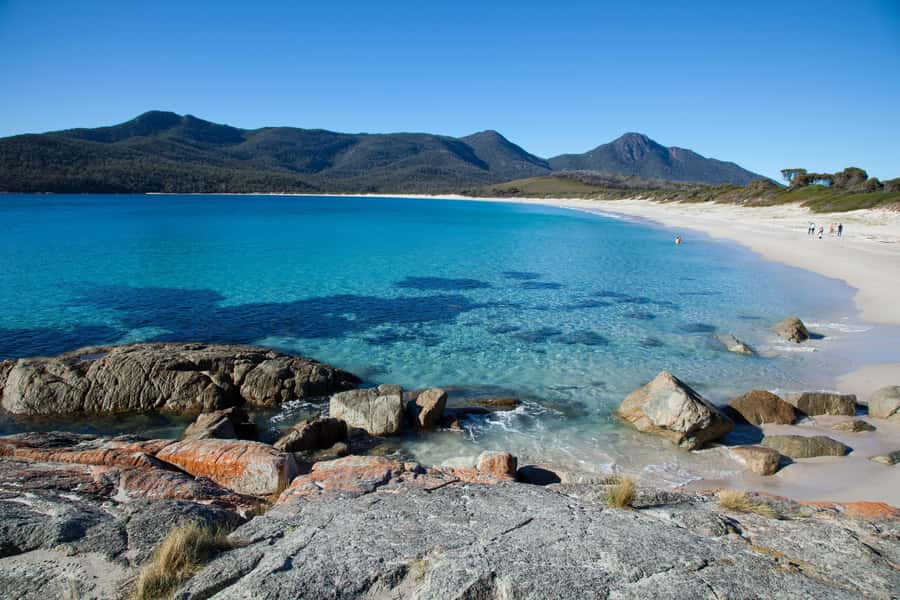
The main decision comes at Wineglass Bay. You can take the walk to the lookout and continue down to the beach, or attempt the more difficult climb to the summit of Mount Amos. Mount Amos gives a higher viewpoint, but it requires a stronger effort and should not be treated as a casual stroll.
The lookout and beach option is the better fit for many people. It still gives you the famous curved white sand, while the walk remains more manageable than the mountain climb. You should wear proper walking shoes either way, carry water, and bring sun protection.
Cape Tourville finishes the national park visit with ocean and mountain views. The return to Hobart follows the Great Eastern Drive, giving you a final look at Tasmania’s east coast before the overnight stay in the capital.
This is another full day, but the route is well judged. You get several different viewpoints instead of spending all your time on one trail. If you want to swim, walk, photograph, and climb Mount Amos in the same visit, you may find the schedule too tight. Choose your priority before arriving.
Day 6: Tasmanian wildlife, Richmond, and kunanyi
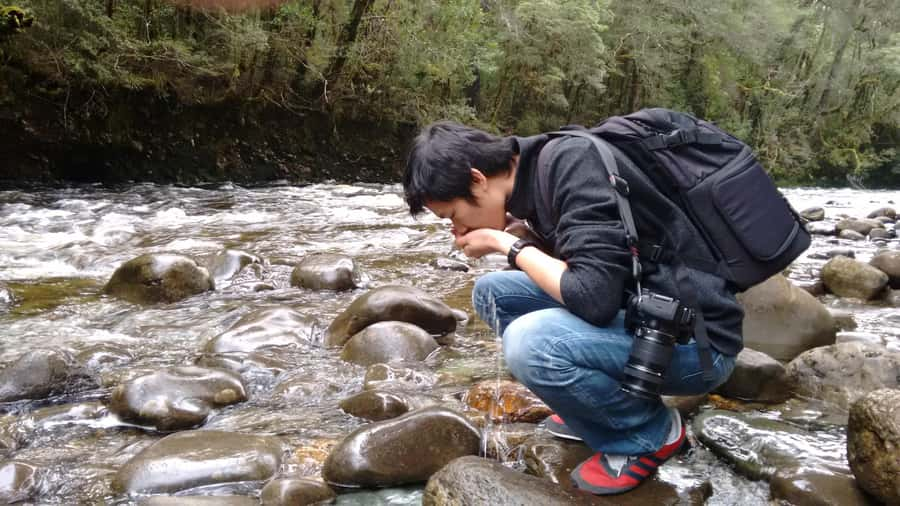
The final day starts at Bonorong Wildlife Sanctuary, Tasmania’s best-known conservation and wildlife sanctuary. You can see Tasmanian devils, quolls, wombats, kangaroos, and birds. Entry is included, and the visit gives you a better chance of seeing native animals than a general drive through the countryside.
A special sanctuary tour may also be available as part of the visit, depending on the arrangements that day. This stop is especially useful if wildlife is one of your main reasons for coming to Tasmania, since sightings in the wild cannot be promised.
Next comes Richmond, a colonial village with historic buildings and a slower pace. It is a manageable stop after the sanctuary and adds cultural interest to a trip otherwise focused on forests, beaches, and mountains.
The day returns to Hobart through the Coal River Valley before heading to Wellington Park, known locally as The Mountain and by its palawa name, kunanyi. Your guide takes you through features such as fern glades, eucalyptus forest, dramatic rock columns, and boulder fields.
There are walking tracks leading to broad lookouts, but the exact walk can reflect the group’s ability and conditions. It is a fitting final stop because it gives you one more taste of forest, rock, and high viewpoints before the tour ends in Hobart.
What the $831 price really covers
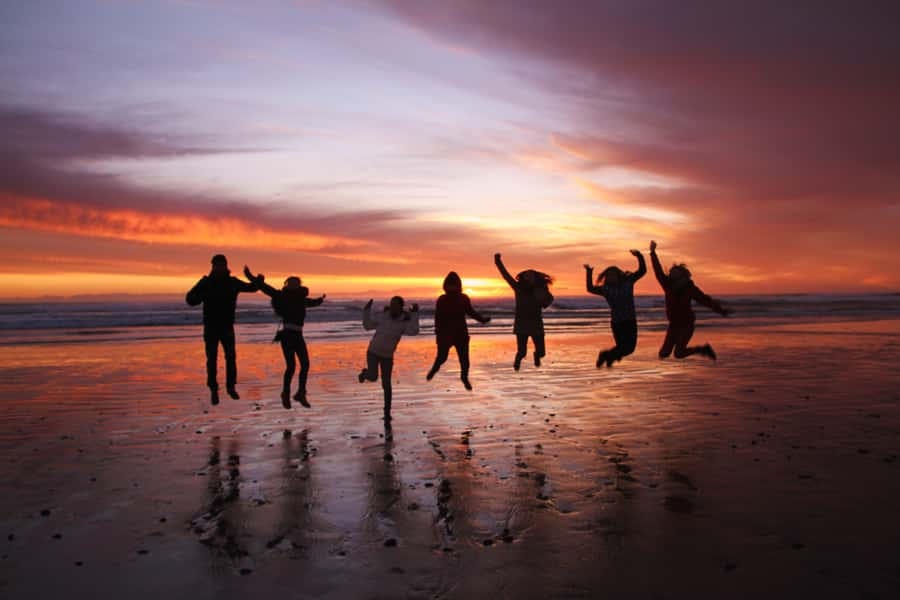
At $831 per person, the tour offers solid value if you do not have a car. Five nights of accommodation, national park entry, Bonorong admission, transport, commentary, and guided walks are included. Paying separately for every park entrance and arranging a one-way route across Tasmania would take time and add costs.
The price does not include food, drinks, or the Gordon River Cruise. Plan for daily meals and snacks, especially on days with long drives and walking. The accommodations offer different levels of convenience:
- Motel rooms have private rooms with ensuite bathrooms.
- Hostel options include same-gender dormitories or private twin, double, or single rooms.
- Hostel private rooms use shared same-gender bathrooms.
- Twin and double bookings require at least two people.
You can bring up to 20 kilograms of luggage, stored in a trailer during travel days. I would pack one small day bag for water, sunscreen, a jacket, snacks, and your camera, rather than opening your main luggage at every stop.
Who will enjoy this tour most
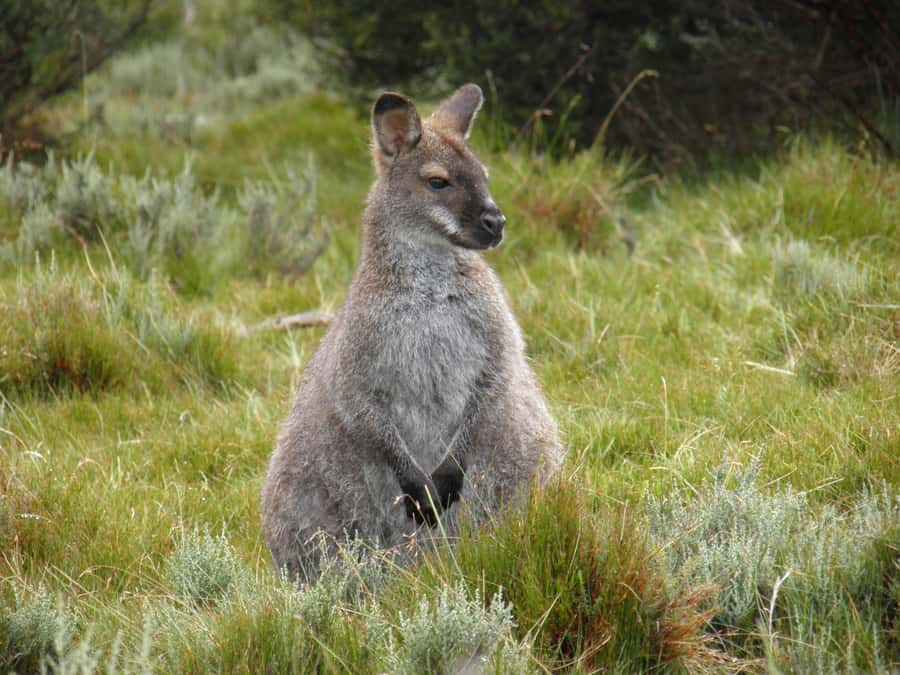
I would choose this trip if you want to see a lot of Tasmania in a short period and do not want to drive on unfamiliar roads. It suits people who enjoy daily walks, changing scenery, and a social small-group setting.
It is also a good choice if your interests are split between wildlife and scenery. You get rainforest, alpine country, beaches, historic towns, and a sanctuary visit rather than a trip focused on only one type of attraction.
You should think twice if you want long, unstructured time at each beach or national park. The schedule is active, and several days involve long drives. It is not suitable for children under eight, people with back problems, or people with mobility impairments.
The walks are optional, but the tour is still not passive sightseeing. Wear comfortable walking shoes, bring hiking shoes for rougher trails, and pack warm clothing. Tasmania’s weather can change quickly, so a jacket, long pants, hat, sunglasses, sunscreen, and a reusable water bottle all earn space in your bag.
Should you book the Tasmania Wilderness and Wildlife Tour?
Book it if you want an efficient first look at Tasmania, value local guiding, and can handle a busy six-day route. The strongest parts are the range of scenery, the flexible walking choices, and the guide’s role in turning stops into meaningful experiences.
The main compromises are the older bus, extra costs for meals and the Gordon River Cruise, and limited free time. I would pick the motel option if comfort matters, and I would confirm the pickup point carefully because collection is available only from selected central Hobart hotels and hostels, not private homes or Airbnbs.
For a visitor without a car, $831 is a sensible way to connect Tasmania’s west coast, Cradle Mountain, the Bay of Fires, Freycinet, and Hobart in one trip. If those places are your priority and you would rather walk than plan every detail yourself, this tour earns serious consideration.
FAQ
Is transport from Hobart included?
Yes. Pickup and drop-off are available from selected centrally located hotels and hostels in Hobart. Pickup is not available from Airbnbs or private residences, and those staying outside the pickup area should contact the operator for the nearest available meeting point.
How many nights of accommodation are included?
The tour includes five nights. Overnight stops are in Strahan for two nights, Launceston for one night, Bicheno for one night, and Hobart for one night.
Can I choose between hostel and motel accommodation?
Yes. Motel accommodation provides private rooms with ensuite facilities. Hostel choices include same-gender dorm rooms and private twin, double, or single rooms with shared same-gender bathrooms.
Are meals included?
No. Food and drinks are not included, so you should budget separately for meals, snacks, and beverages during the six days.
Is the Gordon River Cruise included?
No. The Gordon River Cruise is optional and available at your own expense. You can instead continue with the land-based activities included in the tour.
How difficult are the walks?
The tour includes short daily walks, with most rated easy to moderate. The Russell Falls walk is about 25 minutes return on a flat, even track. The Dove Lake Circuit takes around two to three hours over six kilometers and includes hills, rough surfaces, and many steps. All walks are optional.
Can children join the tour?
Children under eight are not permitted. The tour is also not suitable for people with back problems or mobility impairments.
Just added around Hobart
- Tasmania: 7-Day West to East Tour★ 4.8 · 115 reviews
- From Hobart: 5-Day Tasmania West & East Coast Tour★ 4.9 · 369 reviews
- Signature Wine Tour – Hobart & SE Tasmania★ 4.9 · 48 reviews
- Mt Wellington: Ultimate Experience from Hobart★ 4.6 · 76 reviews
- Kunanyi & Mt Wellington Explorer Bus: One-Way Bus Pass★ 4.8 · 27 reviews
- Hobart: Tahune Airwalk & Hastings Caves – Active Day Tour★ 4.8 · 56 reviews
- Hobart: Morning River Cruise★ 4.3 · 22 reviews
- Hobart: Hastings Cave, Tahune Airwalk and Huon Tasting Trail★ 4.7 · 63 reviews
National Parks, compared.
Litchfield National Park and Jumping Crocodile Cruise
Read our review →
Grampians National Park Small-Group Eco Tour from Melbourne
Read our review →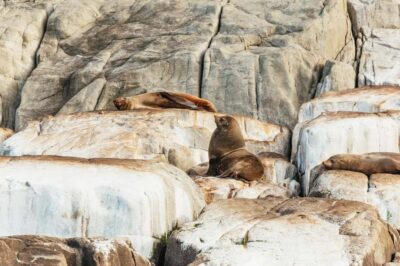
From Port Arthur: Tasman Island Wilderness Cruise
Read our review →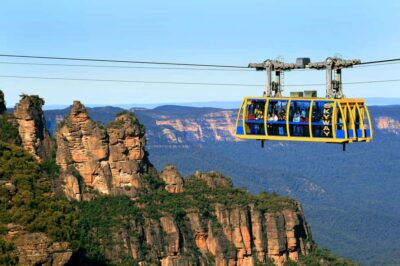
Blue Mountains National Park Tour with River Cruise
Read our review →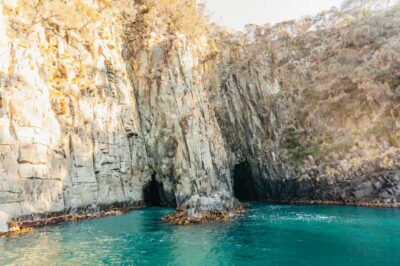
From Hobart/Adventure Bay: Bruny Island Wilderness Cruise
Read our review →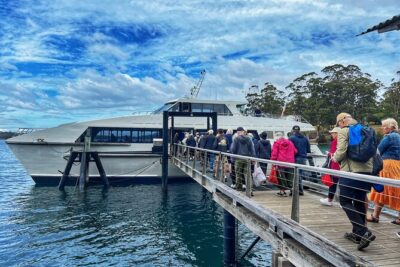
Port Arthur Full-day Guided Tour with Harbour Cruise and Tasman National Park
Read our review →
Bruny Island Wilderness Coast Eco Cruise with Lunch
Read our review →Browse the lists this tour appears in