
Reviewed · HOBART
Bonorong Wildlife Sanctuary Guided Night Tour
Bonorong’s night tour gives you something a daytime visit cannot: a close look at animals when their day is just beginning. You may hand-feed Eastern quolls, sugar gliders and tawny frogmouths, then help with dinner for the Tasmanian devils. The small group matters here, since it gives you more time beside each enclosure.
I especially like the clear link between feeding and rehabilitation. You are not simply looking at animals, you are learning how injured and orphaned wildlife is cared for and prepared for a return to the wild. I also like the unusual timing: daylight animals are having dinner while nocturnal animals are starting breakfast. The main consideration is that feeding and touching are not guaranteed, since the keeper makes each decision according to animal welfare.
Key points at a glance
- Tasmanian devils at dinner: Help your keeper feed one of Tasmania’s best-known animals under close supervision.
- Small-group access: A guide leads your group, giving you more chances to ask questions and take part.
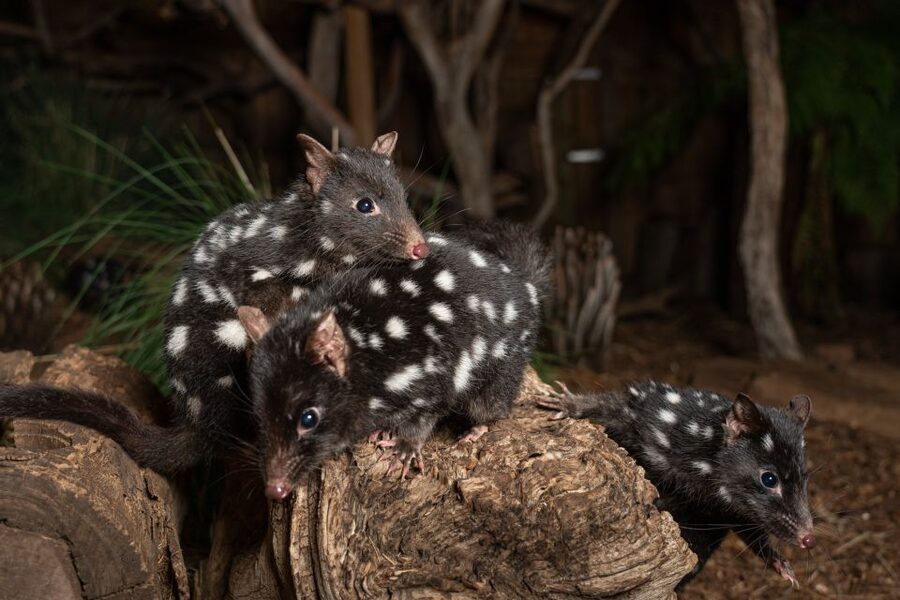
- Nocturnal animal encounters: Look for Eastern quolls, sugar gliders and tawny frogmouths as they become active.
- Rescue with a purpose: Learn how Bonorong supports injured and orphaned animals and helps some return to the wild.
- Forester kangaroo stop: Meet a friendly mob of kangaroos during the feeding rounds.
- 2.5 hours after dark: Plan for warm clothes, sturdy comfortable shoes and your own transport to the sanctuary.
Why Bonorong feels different after dark
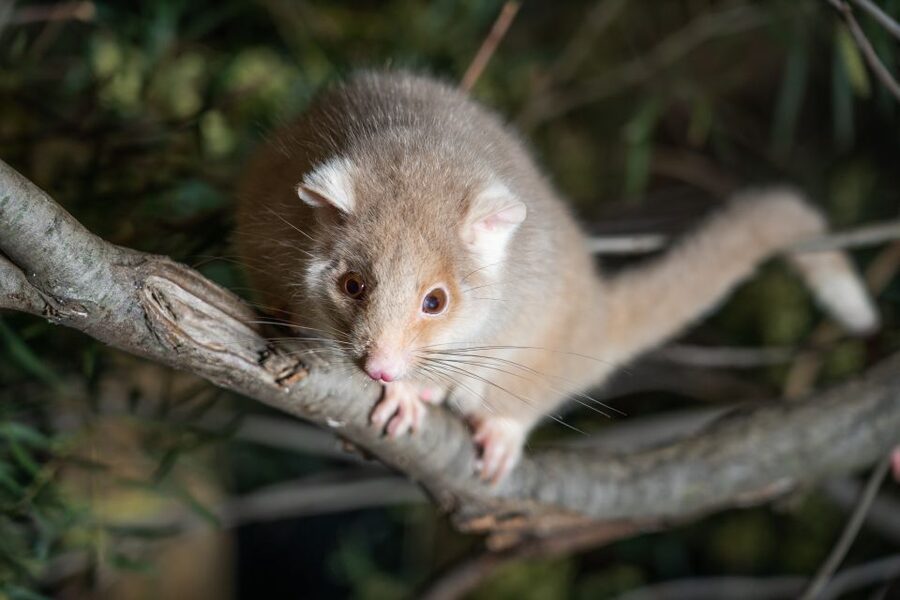
Bonorong Wildlife Sanctuary is near Hobart, but this tour changes the feel of the place completely. During the day, you see animals in their usual visiting hours. At night, the routine is different. The daylight animals are settling in for dinner, while the nocturnal animals are waking up and preparing for their first meal.
That simple change makes the tour feel less like a standard animal visit and more like a working round with a keeper. You move through the sanctuary as food is prepared and offered. The focus is not on racing from one exhibit to another. It is on observing feeding habits, following instructions and allowing the animals to decide how much contact they want.
I appreciate that distinction. Bonorong does not promise a cuddle session or a guaranteed animal encounter. You will not hold the animals, and you may only pat one under keeper supervision when it is suitable. Feeding may also be offered only when the keeper decides it is appropriate.
For many people, that restraint is part of the value. You are seeing animals on their terms, not being promised a staged performance.
More Wildlife Tours in Hobart
- Day Tour in Mt. Field, Mt. Wellington, Bonorong Wildlife Sanctuary and Richmond
★ 5.0 · 735 reviews - From Hobart: Mt. Field, Mt. Wellington and Wildlife Day Tour
★ 4.8 · 261 reviews - Bonorong Wildlife Sanctuary Half-Day Tour from Hobart
★ 4.5 · 158 reviews
A small group makes the feeding more personal
The tour lasts 2.5 hours and is designed for a small group. Your group has its own guide, which makes a real difference when you are handling food, approaching an enclosure or trying to see a shy animal.
In a large crowd, feeding can turn into a quick pass where one person gets the good position and everyone else watches from behind. Here, the format is intended to give each participant plenty of chances to interact with the animals. I would still arrive 15 minutes early, since the tour depends on an orderly start and clear keeper instructions.
The English-speaking guide is central to the experience. One guide specifically praised in the supplied feedback was Johnny, who was described as friendly during the feeding rounds. The strongest pattern in the feedback is the staff’s care for the animals and their ability to explain what they do. You should expect the guide to set the pace and decide when the group can feed or touch an animal.
That means you need to listen closely. All participants must follow the keeper’s instructions, and staff can ask you to leave an enclosure at any time. This is not a fault in the experience. It is a sensible rule when living animals are involved.
The first feeding round: daylight animals at dinner
The tour begins with feeding time for animals that have been active during the day. The exact order can vary, but the overall idea is clear: you join the sanctuary’s evening routine rather than simply viewing animals behind barriers.
A special stop is the mob of Forester kangaroos. Their friendly nature makes this one of the more approachable encounters, especially if you have never been close to a kangaroo before. You may have the chance to feed them under supervision, though the keeper remains in charge of that decision.
This is also a good point to remember that a sanctuary is not a petting zoo. The animals may be accustomed to people, but they still have their own moods and boundaries. A patient visitor gets more from the experience than someone determined to touch every animal.
The feeding rounds also help explain why the sanctuary exists. Some animals are recovering from injury. Others are orphans. Your guide shows you how daily care supports their health and, where possible, helps prepare them for release into the wild.
That conservation message is not an add-on. It gives the close encounters a useful context. You learn that food, handling and enclosure routines are part of a longer process, not just entertainment for visitors.
Eastern quolls and other unusual encounters
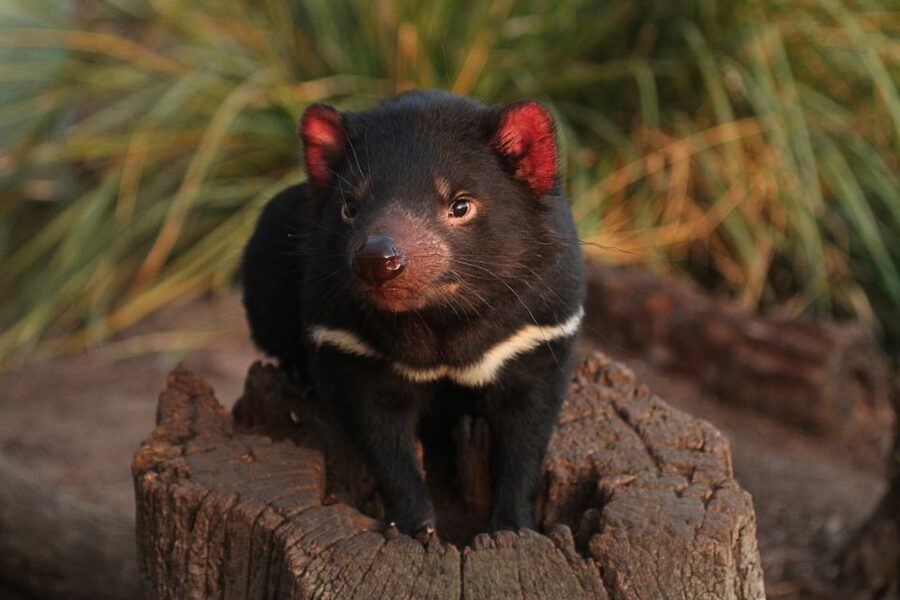
Eastern quolls are one of the most memorable animals on the route. They are small, unusual-looking marsupials, and hand-feeding one gives you a close look at a species many people never see in the wild.
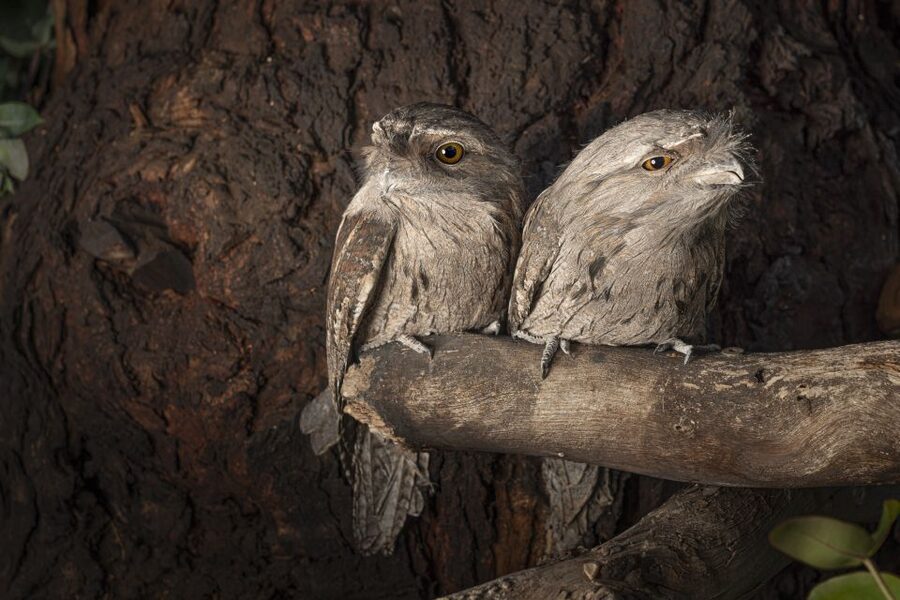
You may also meet tawny frogmouths. Their still posture and odd appearance make them easy to mistake for owls, but the encounter gives you a better chance to appreciate what makes them distinctive. A guide can show you how to approach and interact with them appropriately.
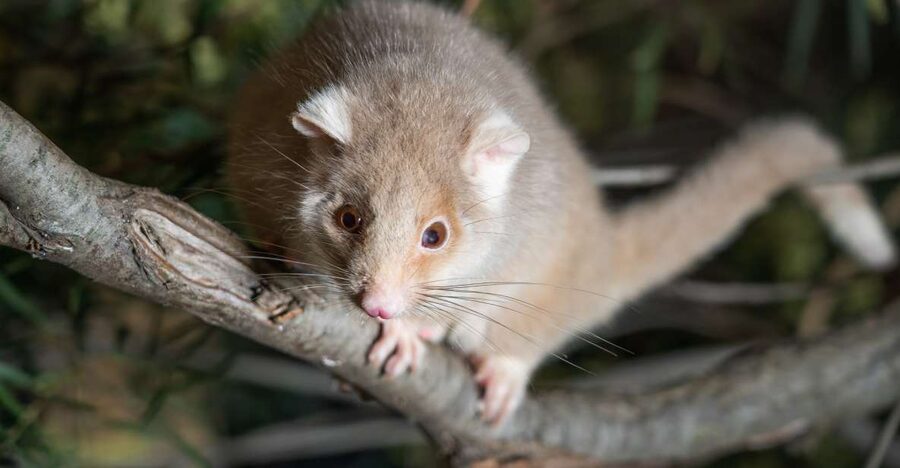
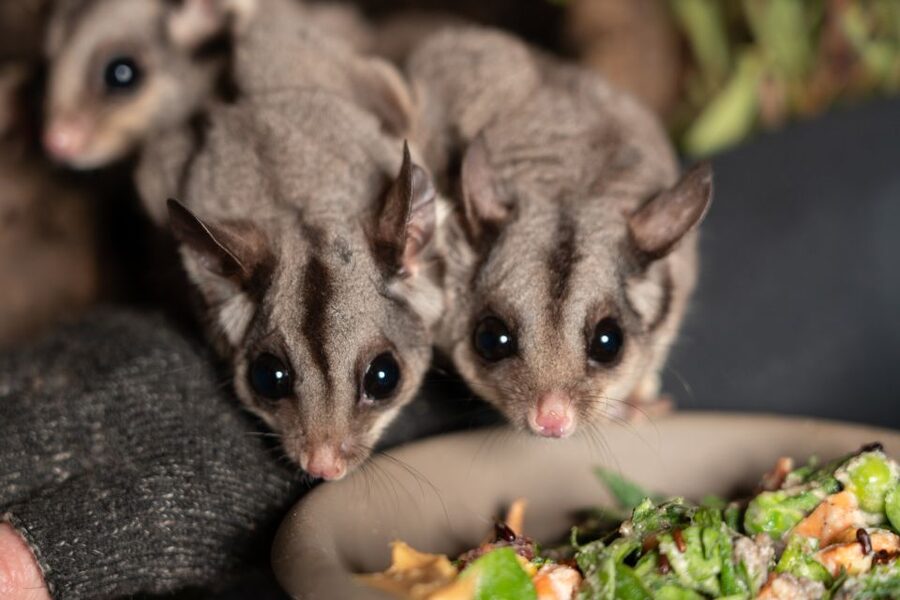
Sugar gliders add a different kind of energy. These small nocturnal animals are active after dark, so the timing of the tour suits them better than a midday visit. You may be offered food to hand-feed them, but again, the keeper decides what is suitable on the night.
These encounters are valuable because they move beyond Tasmania’s famous species. It is easy to build a wildlife visit around kangaroos and devils alone. Bonorong’s night tour brings in smaller and stranger animals that are just as important to the region’s native wildlife.
You should also keep your expectations flexible. Animal behavior cannot be scheduled like a theater show. A quoll may be eager, a sugar glider may be less interested, and another animal may need quiet space. The tour is strongest when you accept those limits as part of responsible animal care.
A different sort of day out, same corner of Hobart:
- Bruny Island Food, Sightseeing, Guided Lighthouse Tour & Lunch
★ 5.0 · 2,989 reviews - Full-Day Guided Bruny Island Tour from Hobart
★ 5.0 · 1,331 reviews - kunanyi/Mt Wellington Explorer Bus- Return Tour (2.5 hours)
★ 5.0 · 1,249 reviews - Hobart: Bruny Island Food, Sightseeing & Lighthouse Day Tour
★ 4.8 · 960 reviews
Tasmanian devils at dinner
The Tasmanian devil feeding is the headline moment for many visitors. During the tour, you can help your guide feed the devils their dinner, following instructions about where to stand and how to offer food.
This is a more direct experience than simply watching devils from a viewing area. You are close enough to notice their forceful feeding style and distinctive presence, but you remain under the keeper’s control. You should not expect to hold one or handle it directly.
The guide also provides the setting for the encounter. The point is not only to see a famous Tasmanian animal, but to understand the care it receives. Bonorong’s animals include survivors of injury and orphaned animals, and the tour explains how staff work toward rehabilitation and release when that is possible.
The devil feeding may be the most dramatic stop, but it should not be treated as a guaranteed show. Animal welfare can change the plan, and the sanctuary may cancel or alter a tour because of severe weather or welfare concerns. If that happens, participants are offered an alternative encounter or a full refund.
That policy tells you something useful about the experience. The animals come first, even when that means changing the part of the tour you most wanted to see.
What the 2.5-hour timing means
Two and a half hours is long enough to make the tour feel substantial without taking up a full evening. You have time for several feeding stops, questions and movement between parts of the sanctuary.
The length also means you should dress for the conditions, not just for the forecast at the start. Bring warm clothing and comfortable clothes, along with comfortable shoes. Tasmania can feel cool after sunset, and you will enjoy the tour more if you are not distracted by cold feet or thin layers.
Food and drinks are not included. Since this is an evening activity, plan your meal around the start time rather than assuming the tour will provide refreshments. Transport is also not included, so you need to arrange your own way to Bonorong Wildlife Sanctuary.
The sanctuary is wheelchair accessible, but the practical experience still involves following staff instructions and moving through animal areas. If you have specific mobility needs, confirm the details when booking so the staff can advise you properly.
Is $115 a fair price?
At $115 per person, this is not a cheap wildlife admission ticket. It is a guided feeding experience that lasts 2.5 hours and includes admission, a guide and feeding opportunities, so the right comparison is with other small-group animal encounters rather than with a basic daytime entry.
I think the price makes sense if you value access, instruction and time. A private guide for your group, the chance to help feed several species and the after-hours setting create a more focused visit than simply walking through the sanctuary on your own.
The value is less clear if your main goal is guaranteed contact with one particular animal. You may not feed every species, and you will not hold the animals. The keeper may limit contact or move the group away at any point.
I would also factor in the cost of reaching the sanctuary, since transport is not included. For a visitor already planning to see Bonorong, adding this evening tour can make the sanctuary visit feel much more complete. For someone looking only for a quick Tasmanian devil photo, it may be more than needed.
Who will enjoy this tour most?
I would choose this tour for someone who wants a guided, hands-on introduction to Tasmanian wildlife and is willing to follow animal welfare rules. It suits families, couples and solo visitors who enjoy small groups and direct contact with a guide.
Children under 16 must be accompanied by a paying adult. Parents and guardians remain responsible for participating children throughout the experience. That matters here because the tour includes feeding areas, animals with different temperaments and instructions that must be followed.
It is also a good choice for wildlife lovers who want more than the most famous species. Eastern quolls, tawny frogmouths and sugar gliders give the evening variety, while the Forester kangaroos and Tasmanian devils provide the big moments.
I would be more cautious about booking if you need a fixed schedule with guaranteed animal contact. The tour changes according to weather and animal welfare, and the keeper has the final say over feeding, touching and time spent in an enclosure.
Practical preparation before you go
Arrive 15 minutes before the scheduled departure. Wear warm layers and comfortable shoes, and avoid clothing that makes it hard to move or follow instructions.
Bring realistic expectations. You may feed animals, but this is not guaranteed. You may pat some animals when the keeper allows it, but you cannot hold them. The staff may also ask you to leave an enclosure at any time.
The tour is conducted in English. Free cancellation is available up to 24 hours before departure for a full refund. If severe weather or an animal welfare issue causes Bonorong to cancel, you are offered an alternative encounter or a full refund.
I would keep your evening flexible after the tour. The experience is meant to follow the animals’ routine, and the best moments may come from slowing down rather than rushing to the next stop.
Should you book Bonorong’s night tour?
Book it if you want a close, guided look at Tasmanian wildlife and you value responsible care over guaranteed contact. The combination of devils, quolls, frogmouths, sugar gliders and kangaroos gives you far more variety than a single-species encounter.
The strongest reason to go is the small-group feeding format. You get time with the guide, a chance to take part and a clearer understanding of how injured and orphaned animals are cared for.
Skip it if you want a short, low-cost visit or if you need every promised encounter to happen. Animals make the final call here. For the right visitor, that is not a weakness. It is the most honest part of the experience.
FAQ
How long is the Bonorong Wildlife Sanctuary night tour?
The tour lasts 2.5 hours and is usually available in the evening.
How much does the tour cost?
The price is $115 per person.
What does the tour include?
The price includes sanctuary admission, the 2.5-hour night tour, feeding opportunities and an English-speaking guide.
Is transport included?
No. Transport to and from Bonorong Wildlife Sanctuary is not included.
What animals might I see or feed?
You may encounter Eastern quolls, tawny frogmouths, sugar gliders, Tasmanian devils and Forester kangaroos. Feeding is not guaranteed and depends on the keeper’s decision.
Can I hold the animals?
No. Participants cannot hold the animals. You may be allowed to pat some animals under the keeper’s supervision when appropriate.
Do I need to arrive early?
Yes. You should arrive at the meeting point 15 minutes before the scheduled departure time.
What should I wear?
Bring warm clothing and wear comfortable clothes and comfortable shoes.
Can children join the tour?
Yes. Children under 16 must be accompanied by a paying adult, and parents or adult guardians are responsible for participating children throughout the tour.
More Night Tours in Hobart
- Pinnacles Desert: Sunset BBQ & Stargazing Tour +Sandboarding
★ 4.8 · 1,555 reviews - Sydney Harbour Sunset Dinner Cruise from Darling Harbour
★ 4.0 · 1,122 reviews - Great Ocean Road Full-Day Sunset Eco Tour from Melbourne
★ 5.0 · 1,085 reviews - Pinnacles Desert Sunset Dinner and Stargazing Tour
★ 5.0 · 1,034 reviews
Just added around Hobart
- Tasmania: Wilderness and Wildlife Guided 6-Day Tour★ 4.6 · 60 reviews
- Tasmania: 7-Day West to East Tour★ 4.8 · 115 reviews
- From Hobart: 5-Day Tasmania West & East Coast Tour★ 4.9 · 369 reviews
- Signature Wine Tour – Hobart & SE Tasmania★ 4.9 · 48 reviews
- Mt Wellington: Ultimate Experience from Hobart★ 4.6 · 76 reviews
- Kunanyi & Mt Wellington Explorer Bus: One-Way Bus Pass★ 4.8 · 27 reviews
- Hobart: Tahune Airwalk & Hastings Caves – Active Day Tour★ 4.8 · 56 reviews
- Hobart: Morning River Cruise★ 4.3 · 22 reviews
Wildlife, compared.
Penguin Parade, & Wildlife Encounters Eco Tour from Melbourne
Read our review →
Melbourne Great Ocean Rd Reverse Tour London Bridge Wildlife
Read our review →
Solar Whisper Daintree River Crocodile and Wildlife Cruise
Read our review →
Brisbane River Cruise with entry to Lone Pine Koala Sanctuary
Read our review →
Blue Mountains: Three Sisters, Scenic World and Wildlife park
Read our review →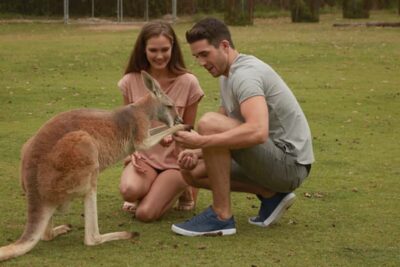
Brisbane River Cruise and Koala Sanctuary Visit
Read our review →
Puffing Billy & Healesville Sanctuary Scenic Tour
Read our review →Browse the lists this tour appears in