
Reviewed · CRADLE MOUNTAIN
Devils at Cradle: Day Keeper Tour and Entry to Wildlife Park
The sharpest lesson at Devils at Cradle is that a Tasmanian devil is far more than a cartoonish little beast with a bad temper. A keeper explains its habits, threats, and role in Tasmania’s wildlife while you watch devils and quolls at close range. The sanctuary sits by the entrance to Cradle Mountain National Park, so it fits naturally into a day in this part of Tasmania.
I like the 45-minute keeper tour, which gives your visit structure without taking over your day. I also like that the $17 price includes general admission, letting you return to the enclosures and look around after the talk. The main drawback is timing: daytime devils may be sleeping in their dens, and the sanctuary has uneven ground, steps, gravel, and woodchip paths.
Key points to know before you go
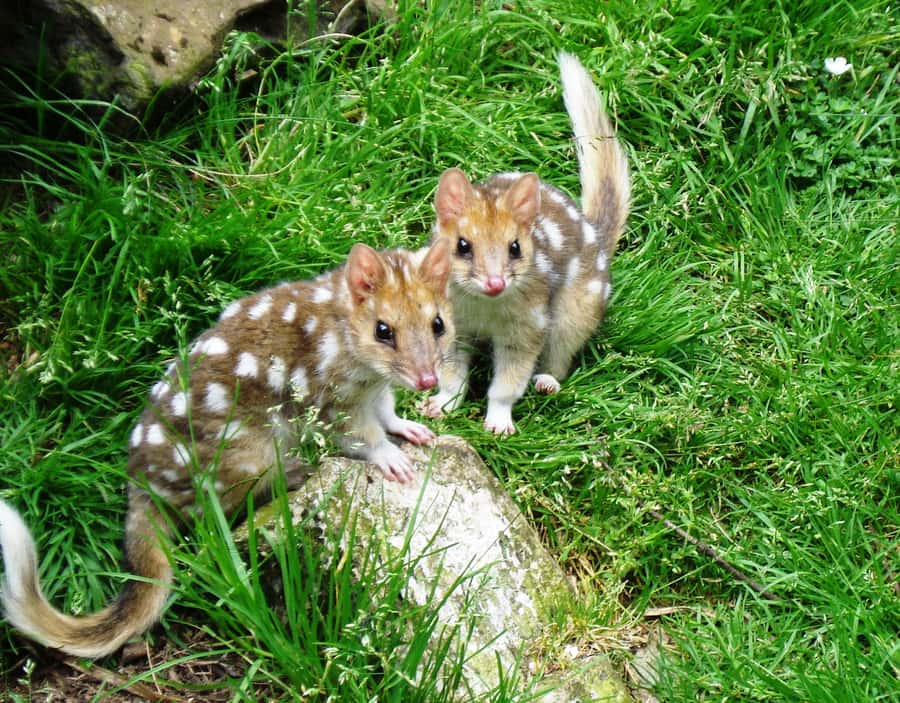
- Three threatened carnivorous marsupials: See Tasmanian devils, spotted-tailed quolls, and eastern quolls in one sanctuary.
- A keeper-led look at conservation: Learn about the programs helping protect species affected by habitat pressure and devil facial tumor disease.
- Good value at $17: Your ticket includes the guided tour, general entry, parking, and time to explore independently.
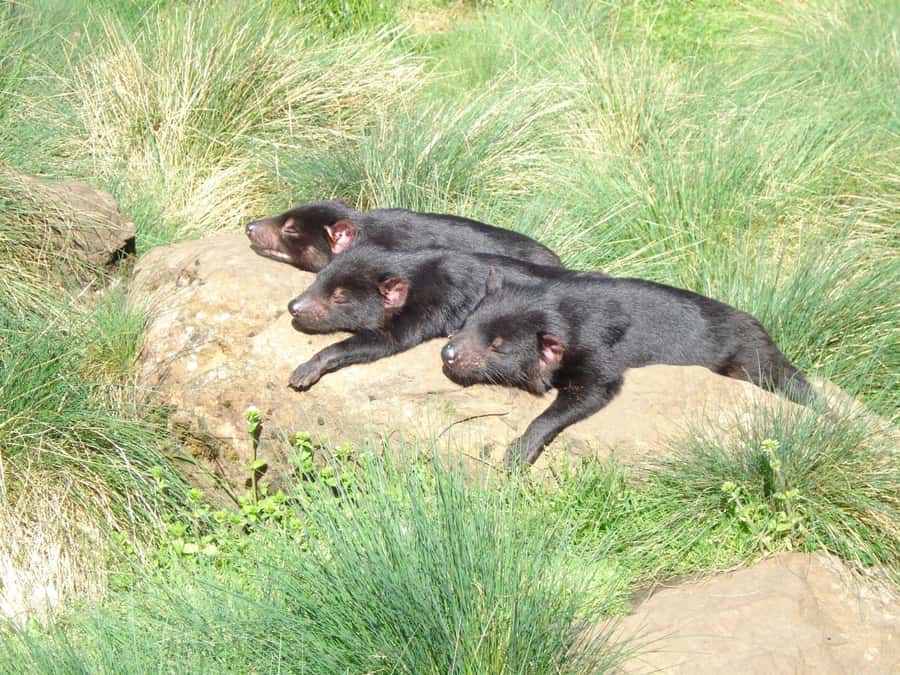
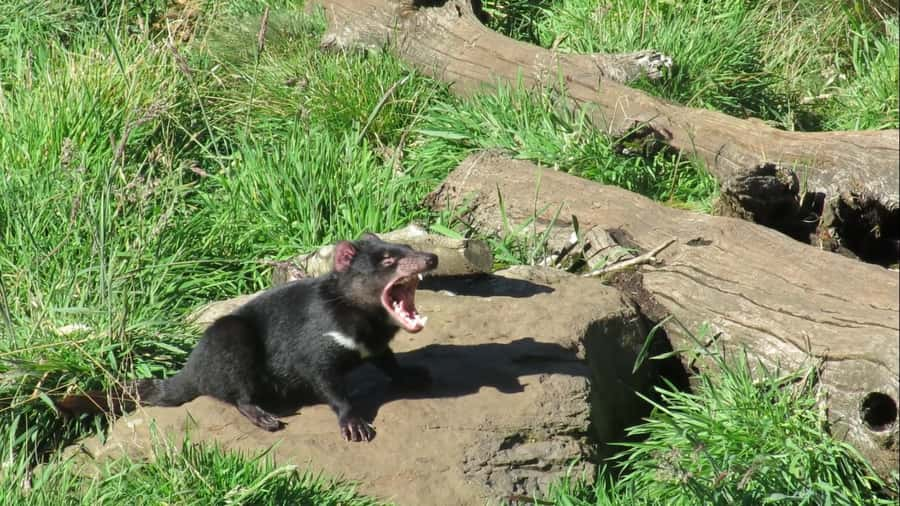
- Daytime behavior varies: You might see an animal sleeping, sunning itself, play fighting, or searching for food.
- Rain or shine: Warm clothing matters at Cradle Mountain, even if the weather looks calm when you arrive.
- Allow extra time: The tour lasts 45 minutes, but the sanctuary is worth exploring before or after the keeper talk.
Why this sanctuary matters at Cradle Mountain
Devils at Cradle is a conservation facility at the entrance to the World Heritage listed Cradle Mountain National Park. That setting gives the visit more weight than a quick wildlife stop. You are not simply looking at animals in display areas. You are learning why these animals need help and how a sanctuary fits into wider protection work.
The focus is Tasmania’s three largest carnivorous marsupials: the Tasmanian devil, the spotted-tailed quoll, and the eastern quoll. All three face threats in the wild. The devil is especially important because wild populations have been hit by devil facial tumor disease, a fatal illness that has caused major concern across Tasmania.
I find the conservation message works best here because it is tied to animals you can actually see. A keeper can explain a program, then point out a devil’s behavior or a quoll’s physical traits. That connection helps you understand why breeding, care, research, and public support matter.
The sanctuary also gives you a chance to see animals that are difficult to spot in the wild. Tasmania’s wilderness is large, and nocturnal marsupials are not always waiting beside the walking track. At Devils at Cradle, you have a much better chance of seeing them clearly and learning what you are looking at.
More Wildlife Tours in Tasmania:
- Day Tour in Mt. Field, Mt. Wellington, Bonorong Wildlife Sanctuary and Richmond
★ 5.0 · 735 reviews - From Hobart: Mt. Field, Mt. Wellington and Wildlife Day Tour
★ 4.8 · 261 reviews - Bonorong Wildlife Sanctuary Half-Day Tour from Hobart
★ 4.5 · 158 reviews
What the 45-minute keeper tour includes
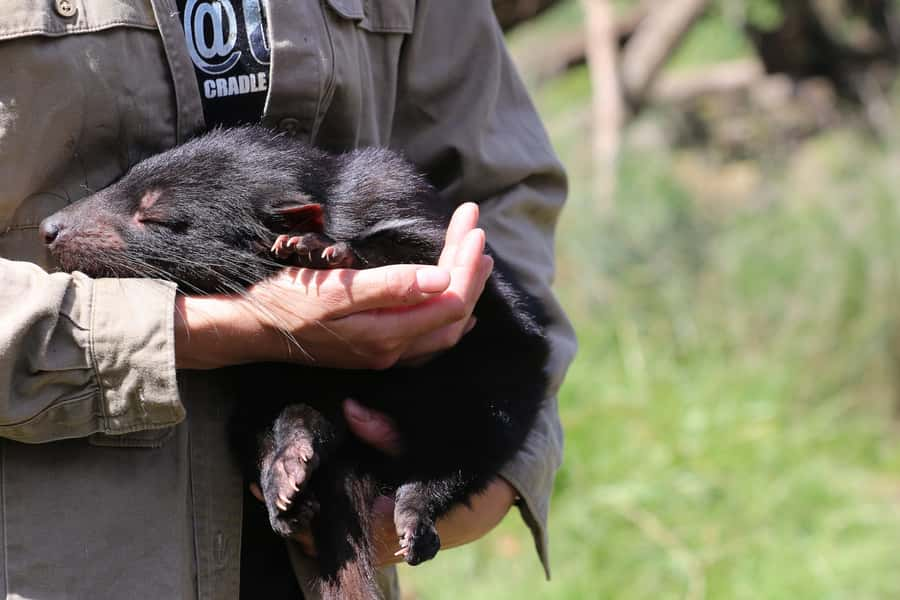
The tour begins with a professional keeper leading you through the sanctuary. The exact guide may vary, but Pru and Sarah have both led sessions praised for clear explanations and an engaging style. You should expect a talk that covers the animals, their behavior, and the conservation work carried out at Devils at Cradle.
The keeper’s role is the main reason to choose this ticket instead of simply walking through on your own. You can see a devil sleeping in a den, but without context you may miss the point. A keeper can explain why daytime activity changes, what behavior to watch for, and how the animals differ from one another.
The tour is short enough for most itineraries. If you are fitting the sanctuary between a Cradle Mountain walk and a drive onward, 45 minutes is manageable. I would not treat it as the entire visit, though. The guided section gives you the explanation, while the general entry gives you time to look again at your own pace.
Animal activity is not guaranteed. This is a daytime visit, and some devils may be resting. You might see one sun baking, fossicking for food, or play fighting, but you should also be ready for quiet animals in their dens. That is not a flaw in the sanctuary. It is a reminder that wildlife does not perform on demand.
Seeing devils and quolls up close
Tasmanian devils are the obvious stars, but the quolls make the visit more complete. The spotted-tailed quoll is closely related to the devil and is Tasmania’s largest quoll species. The eastern quoll adds another point of comparison, giving you a chance to see how these carnivorous marsupials differ in size, appearance, and behavior.
The enclosures are designed for viewing, and a number of visitors have found the sightlines excellent. That matters because these animals can be low to the ground, quick, or tucked into shaded areas. You will want to take your time rather than rush past after the keeper has finished speaking.
The sanctuary can be especially appealing for families with animal-loving children. One family found the devil pups captivating, and that kind of encounter can make the conservation lesson stick. Children may focus first on the animals’ antics, but the keeper’s talk gives parents a natural opening to discuss threatened species and responsible wildlife care.
You should also keep an eye out for behavior rather than waiting only for movement. A devil lying in the sun, a quoll investigating its surroundings, or an animal settling into a den can tell you something about its daily rhythm. The quieter moments are part of the visit.
The conservation story behind the visit
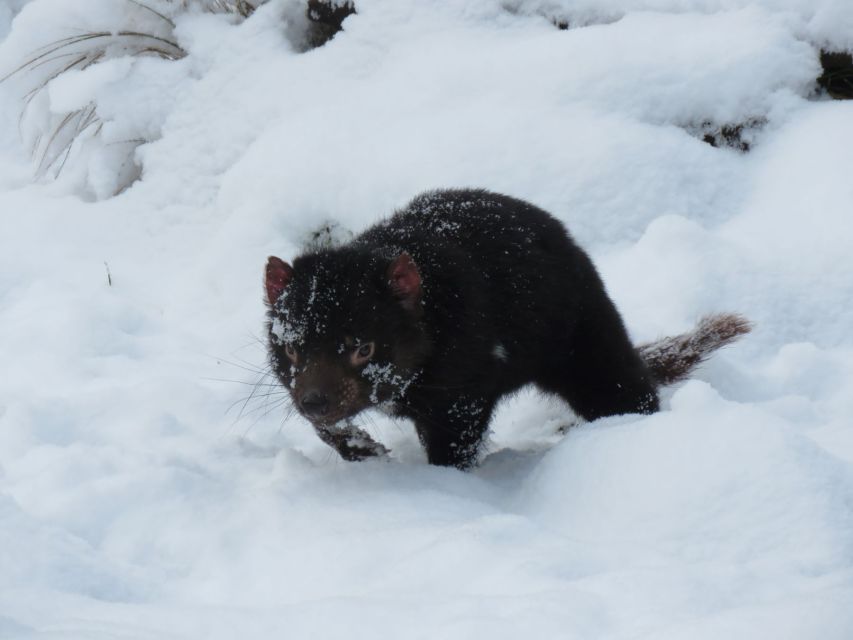
The strongest part of the tour is its explanation of why conservation is needed. Devils at Cradle works with threatened Tasmanian wildlife, and your admission helps support that work. The sanctuary’s role is not just to provide a viewing opportunity. It also gives the public a clear way to understand the problems facing these animals.
Devil facial tumor disease has made the Tasmanian devil an international conservation concern. The illness spreads between devils and can be fatal. You do not need a science background to follow the keeper’s explanation, and the value of the tour is that the issue becomes personal when you are looking at living animals in front of you.
I appreciate that the visit does not depend only on dramatic information. The keeper also explains ordinary behavior and animal care. That balance helps you see the devils as real animals rather than symbols of a crisis.
Your $17 admission is modest compared with the cost of many organized wildlife experiences, especially since it includes the guided talk and general entry. It is also a direct way to support a sanctuary working with animals that are difficult to encounter in the wild. I would consider it good value even if one or two animals are less active than hoped.
A few more Tasmania trips worth weighing up
- Gordon River Cruise departing from Strahan
★ 5.0 · 1,577 reviews - Morning World Heritage Cruise on the Gordon River from Strahan
★ 5.0 · 1,193 reviews - Strahan: World Heritage Cruise on Gordon River with Lunch
★ 4.8 · 1,143 reviews - Cradle Mountain: Day Trip from Launceston with Lunch
★ 4.7 · 540 reviews
Exploring after the keeper finishes
Once the guided section ends, you can continue around the sanctuary at your own pace. This is where the ticket becomes more useful than a talk-only admission. You can return to an enclosure, spend more time reading the displays, or wait to see if an animal changes position.
The best approach is not to rush straight to the exit. The keeper may have introduced details that you notice more clearly on a second look. You might recognize the difference between the devil and the quolls, or start watching for behaviors mentioned during the walk.
The park is open from 9:30 AM to 5:00 PM, so you have flexibility around the 45-minute session. Check the available tour time when booking, then leave room before or afterward for independent viewing. A mid-morning session may fit well with an onward drive, while a later visit can work if you are spending the day near Cradle Mountain.
One point to keep in mind is that the sanctuary is not a polished indoor attraction. There are natural woodchip paths, compacted gravel, platforms, steps, and uneven ground. I would wear practical shoes and allow more time if you move slowly.
Weather, access, and what to pack
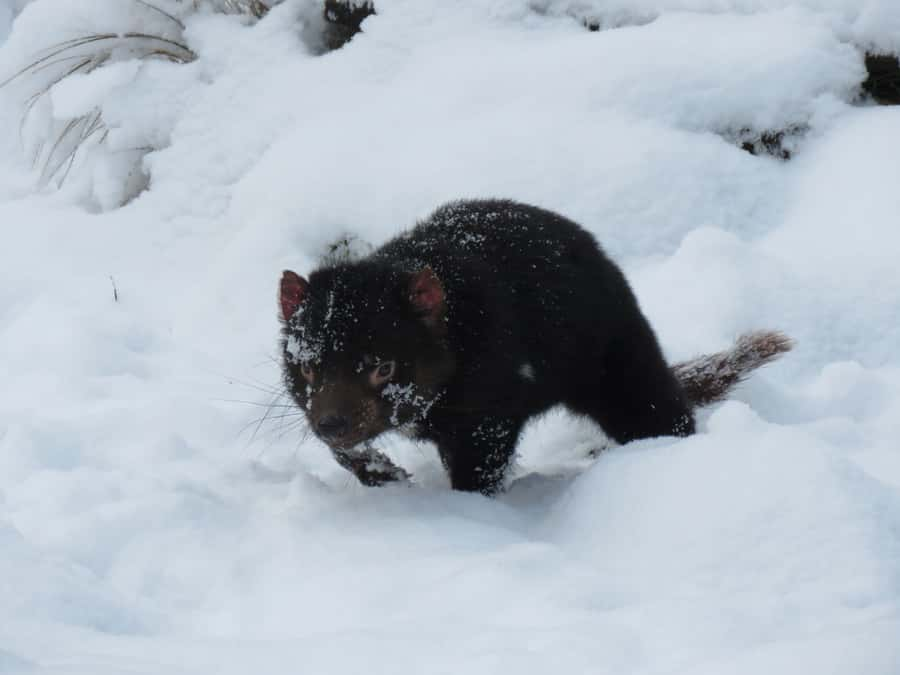
This is a rain-or-shine activity. Cradle Mountain weather can change quickly, so warm clothing is the most useful thing to bring. Even if you are visiting in a warmer month, a jacket can make the difference between enjoying the keeper talk and standing around feeling cold.
The sanctuary is wheelchair accessible in part. From reception, you can reach the main viewing deck, or staff can provide access through a side gate leading directly into the sanctuary grounds. Not every section is accessible, because some areas include steps and uneven natural surfaces.
If you use a wheelchair or have limited mobility, contact the sanctuary ahead of time. Staff can accommodate many requests with prior planning, but access is not identical across the whole site. This is a place where a little advance organization can make the visit much easier.
Free parking is included, which is useful in a remote national park area. Devils@Cradle is about a two-hour drive from Launceston, so I would treat it as part of a wider Cradle Mountain day rather than a quick side trip from the city. The drive is a serious time commitment, but it makes sense if you are already exploring the national park or the surrounding highlands.
Who will get the most from this tour
I would recommend the tour to anyone who wants to see Tasmanian devils without relying on luck in the wild. It suits first-time visitors to Tasmania, families, wildlife enthusiasts, and anyone interested in conservation.
It is also a smart choice if you have limited time. The keeper talk is long enough to add real context but short enough to fit into a busy day. You do not need to commit to a half-day activity to learn about the animals.
Children are likely to enjoy the devils and quolls, though parents should explain that the animals may be asleep. The attraction is better for families who can accept a calm wildlife visit rather than expecting constant action.
I would be more cautious if you dislike outdoor paths, cold weather, or a visit where animal activity cannot be predicted. The ground is not uniformly smooth, and a daytime session may show more resting than running. Those limits are clear before you arrive, so they are easy to plan around.
How the price compares with the experience
At $17 per person, this is one of the easier wildlife activities to justify in a Tasmania itinerary. The cost includes general entry, the 45-minute keeper tour, and free parking. You also get time to explore independently, which adds value without adding another ticket.
The strongest return is the keeper’s interpretation. A simple entry ticket might let you see the animals, but the guide helps you understand what you are seeing and why the sanctuary exists. Several guides, including Pru and Sarah, have been singled out for presenting information clearly and with real care for the animals.
A 4.9 rating from 55 reviews also points to a consistently strong experience, though you should still keep expectations realistic. The guide can be excellent, the viewing areas can be good, and the animals can still choose to sleep through your visit.
Free cancellation up to 24 hours before the activity and a reserve-now, pay-later option also reduce the risk when your Tasmania plans are still shifting. Those policies are useful, but the bigger question is whether the sanctuary fits your route. From Launceston, the two-hour drive each way means the visit makes most sense alongside Cradle Mountain plans.
Should you book Devils at Cradle?
Yes, if you are visiting Cradle Mountain and want a short, affordable wildlife visit with real conservation context. The keeper tour gives you more than a quick look at a devil, while the included general entry lets you continue exploring after the talk.
Book it if you value clear explanations, close viewing areas, and the chance to support protection work for threatened Tasmanian animals. Plan for warm clothes, uneven paths, and the possibility of sleepy daytime wildlife. If you can accept those conditions, the $17 price is a strong deal and an easy addition to a Cradle Mountain day.
FAQ
How long does the Devils at Cradle Day Keeper Tour last?
The guided tour lasts 45 minutes. Your ticket also includes general entry, so you can spend additional time exploring the sanctuary on your own.
What animals can I see at Devils at Cradle?
You can see Tasmanian devils, spotted-tailed quolls, and eastern quolls. These are Tasmania’s three largest carnivorous marsupials.
Is general admission included?
Yes. The ticket includes general admission to the Devils at Cradle Conservation Facility as well as the keeper tour.
How much does the tour cost?
The listed price is $17 per person. Free parking is also included.
What are the opening hours?
The sanctuary is open from 9:30 AM to 5:00 PM.
Is the tour available in English?
Yes. The live tour guide speaks English.
Does the tour operate in bad weather?
Yes. The tour takes place rain or shine, so bring warm clothing and prepare for outdoor conditions.
Is the sanctuary wheelchair accessible?
Some areas are accessible. Wheelchair access is available from reception to the main viewing deck, and a side gate can provide direct access to the sanctuary grounds. Other sections include steps, woodchip paths, platforms, compacted gravel, and uneven ground.
How far is Devils at Cradle from Launceston?
The sanctuary is approximately a two-hour drive from Launceston.
Can I cancel the booking?
You can cancel up to 24 hours in advance for a full refund. A reserve-now, pay-later option is also available.
Just added around Tasmania
- Sunset Experience★ 5.0 · 47 reviews
- 1-Hour Tasmanian Devil Feeding Day Tour at Cradle Mountain★ 5.0 · 65 reviews
- Day Keeper Tour★ 5.0 · 67 reviews
- Freycinet Walking Tour★ 5.0 · 100 reviews
- Shore Excursion – Cradle Mountain Shuttle Bus from Burnie★ 4.5 · 47 reviews
- Cradle Mountain Sightseeing Tour from Devonport or Burnie★ 5.0 · 35 reviews
- Wings Wildlife Park Shuttle, Burnie Shore Excursion★ 4.5 · 34 reviews
- The Freycinet Paddle Kayak Tour★ 4.8 · 57 reviews
Wildlife, compared.

Penguin Parade, & Wildlife Encounters Eco Tour from Melbourne
Read our review →
Melbourne Great Ocean Rd Reverse Tour London Bridge Wildlife
Read our review →
Solar Whisper Daintree River Crocodile and Wildlife Cruise
Read our review →
Brisbane River Cruise with entry to Lone Pine Koala Sanctuary
Read our review →
Blue Mountains: Three Sisters, Scenic World and Wildlife park
Read our review →
Brisbane River Cruise and Koala Sanctuary Visit
Read our review →
Puffing Billy & Healesville Sanctuary Scenic Tour
Read our review →Browse the lists this tour appears in