
Reviewed · DARWIN
Darwin: Small Group 2-Hour Heritage Walk
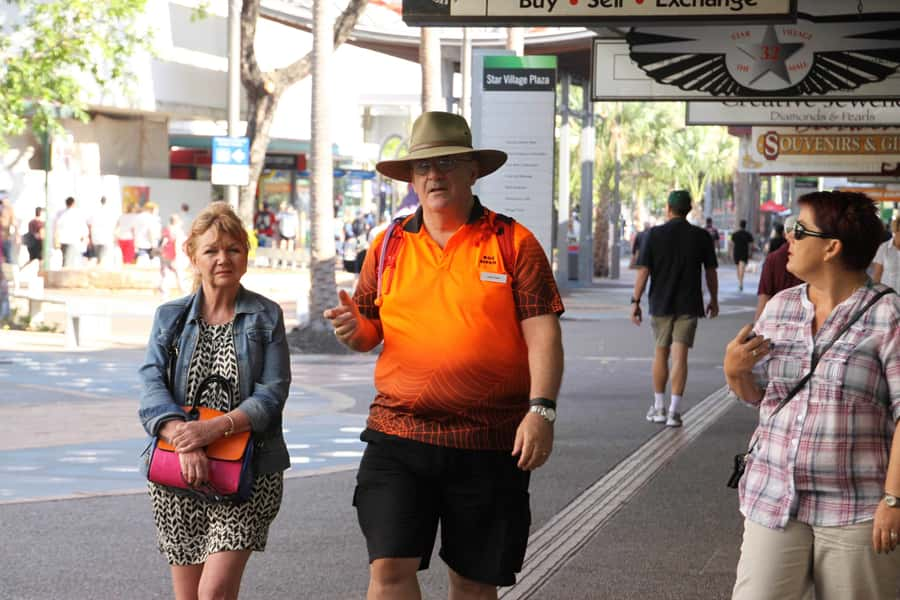
Darwin’s story is written into its streets. On this relaxed two-hour walk, you’ll connect the city’s old courthouse, Brown’s Mart Theatre, government buildings, wartime past, and Cyclone Tracy memories with the modern tropical city around you. I like the small group of no more than 10 and the chance to reach places a bus cannot. I also like that guide John keeps the pace sensible and makes room for questions.
The drawback is simple: this is a proper walking tour in a hot city. You’ll need to stay on your feet for much of the two hours, with few places to sit. Bring water, sunscreen, and a hat, and think twice if you have limited fitness.
Key points at a glance
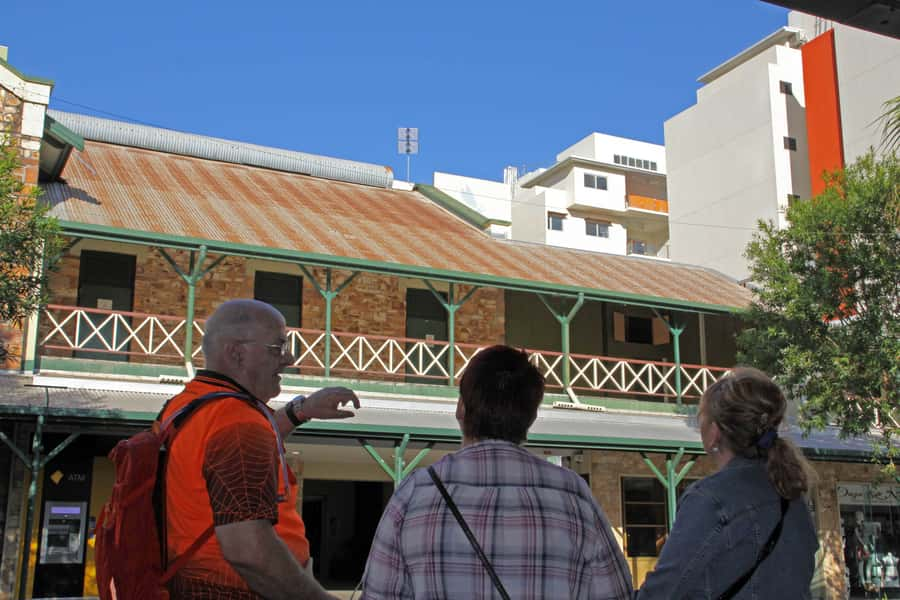
- John’s local perspective: Expect personal insight into Darwin’s development, wartime years, Cyclone Tracy, and its multicultural present.
- A walk through rebuilt Darwin: See the old courthouse, police station, Brown’s Mart Theatre, and Palmerston Town Hall ruins.
- Small-group format: With a maximum of 10 people, the guide can answer questions and keep the outing personal.
- A useful first outing: The tour gives you a clear introduction to central Darwin before you explore further on your own.
- Good value at $41: Two hours of guiding, commentary, and access to central sights cost less than many longer sightseeing activities.
- Sun matters: This is an outdoor walk with limited rest stops, so weather preparation affects how much you enjoy it.
Why Darwin makes sense on foot
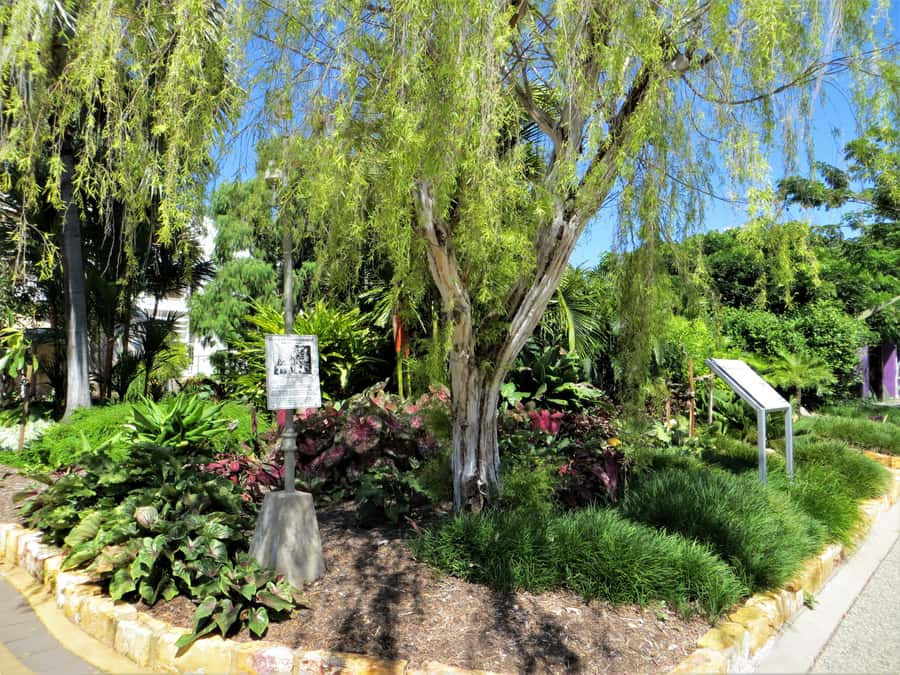
Darwin can look modern at first glance, but its past is close to the surface. A short walk can bring you from government buildings to old civic ruins, then onward to public art, tropical plants, and streets shaped by war and natural disaster.
That mix is what makes this tour useful. You are not simply ticking off buildings. You are learning how Darwin developed, how much of the old town survived or was rebuilt, and why the city feels different from other Australian capitals.
I like the walking format because it gives you time to notice small details. A bus can show you the general shape of a city, but it cannot pause easily beside a piece of public art or let you examine an old building from the pavement. Here, your guide can point out details that you might otherwise pass without a thought.
The pace is leisurely rather than athletic, but do not mistake that for a sightseeing stroll with constant benches. There are not many opportunities to stop, sit, and rest. The route suits you best if you can walk steadily for two hours in tropical conditions.
More History Tours in Darwin:
- Bombing of Darwin WWII Heritage Tours
★ 5.0 · 261 reviews - Darwin History and Wartime Experience Tour
★ 5.0 · 144 reviews - Darwin Heritage Walk
★ 4.5 · 101 reviews
Meeting John beneath the Stuart statue
The tour begins under the statue of John McDouall Stuart at Raintree Park. Look for the guide in a bright orange shirt. That clear meeting point helps, especially if you are still getting your bearings in central Darwin.
The group needs at least two paying participants to operate, and the maximum is 10. That range gives the tour a more personal feel than a large city walk. If the group is small, you can ask more questions and hear more explanation without holding up a long line of people.
John is the guide named in the tour information, and the feedback about his work is unusually consistent. People describe him as personable, enthusiastic, helpful, and careful about keeping the pace comfortable. One small group even received what felt like a private tour because only two people attended.
That does not mean every departure will be private. It does mean you can reasonably expect a guide who enjoys explaining Darwin and who is willing to answer questions. Commentary is in English only.
The old Darwin story: war, weather, and rebuilding
The central thread of the walk is Darwin’s repeated reinvention. John explains the World War II bombings and the damage caused by Cyclone Tracy, then connects those events with the city you see today.
This context matters because Darwin’s architecture can otherwise seem scattered. A historic building beside a modern government structure is not just an odd contrast. It reflects a city that has had to rebuild, reconstruct, and adapt.
The discussion of Cyclone Tracy is especially useful for understanding why Darwin’s older buildings and newer structures sit together in such a distinctive way. You are not just looking at age. You are seeing the result of destruction, repair, and deliberate preservation.
The tour also addresses Darwin’s present-day multicultural character. That keeps the walk from becoming a narrow parade of old buildings. You get a sense of how the city’s identity has changed over time, from its early civic and colonial foundations to its modern population and culture.
Reconstructed buildings and civic landmarks
The walk includes several of Darwin’s remaining or reconstructed historic buildings. Each offers a different angle on the city.
The old courthouse and police station help you picture the machinery of early civic life. They are practical buildings, not grand monuments, and that is part of their value. They show how a remote settlement organized law, order, and public business.
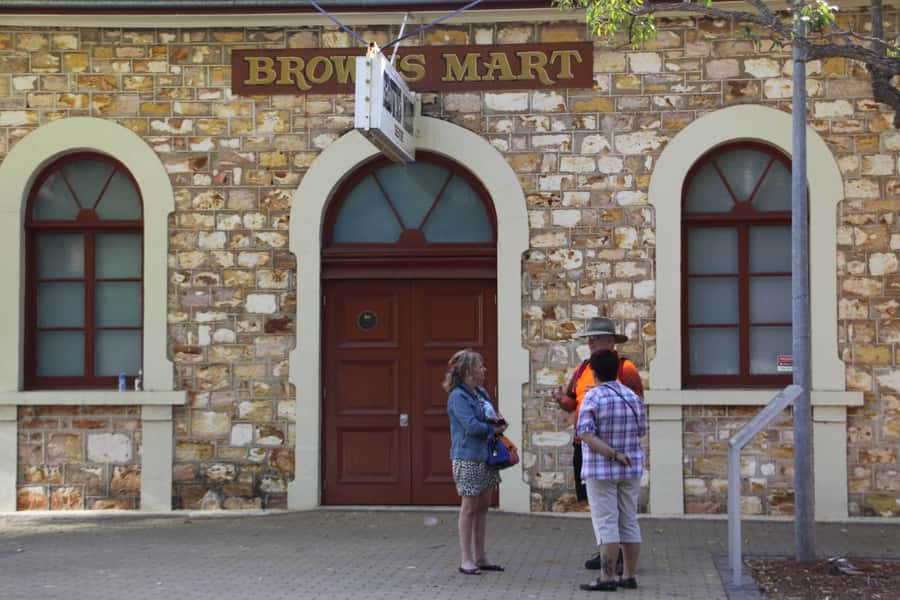
Brown’s Mart Theatre brings a cultural note to the route. It is one of the places where Darwin’s past remains tied to performance and community life. Seeing it on foot lets you take in its setting rather than treating it as an isolated stop on a sightseeing list.
The ruins of Palmerston Town Hall add another layer. Their presence brings home how much Darwin has lost and reconstructed. The remains are not simply old stonework. They help explain the earlier town of Palmerston and the way later Darwin grew around its remnants.
You also view Government House, Parliament House, and the Supreme Court of the Northern Territory. These buildings shift the tour from the city’s earlier years to its current civic life. Together, they show how Darwin functions as the administrative center of the Northern Territory.
I would not book this expecting entry into every building. The supplied details describe viewing these sights as part of the walk, not an indoor tour with guaranteed access. The value comes from the guide’s explanation and the connections between the places.
More Walking Tours in Darwin:
- Sydney Opera House Official Guided Walking Tour
★ 4.5 · 3,770 reviews - From Sydney: Blue Mountains Tour with Waterfall Walk & Lunch
★ 4.8 · 2,400 reviews - Sydney The Rocks Guided Walking Tour
★ 5.0 · 1,546 reviews - Ultimate Melbourne Walking Tour: History, Laneways & Culture
★ 5.0 · 1,451 reviews
What you can photograph along the route
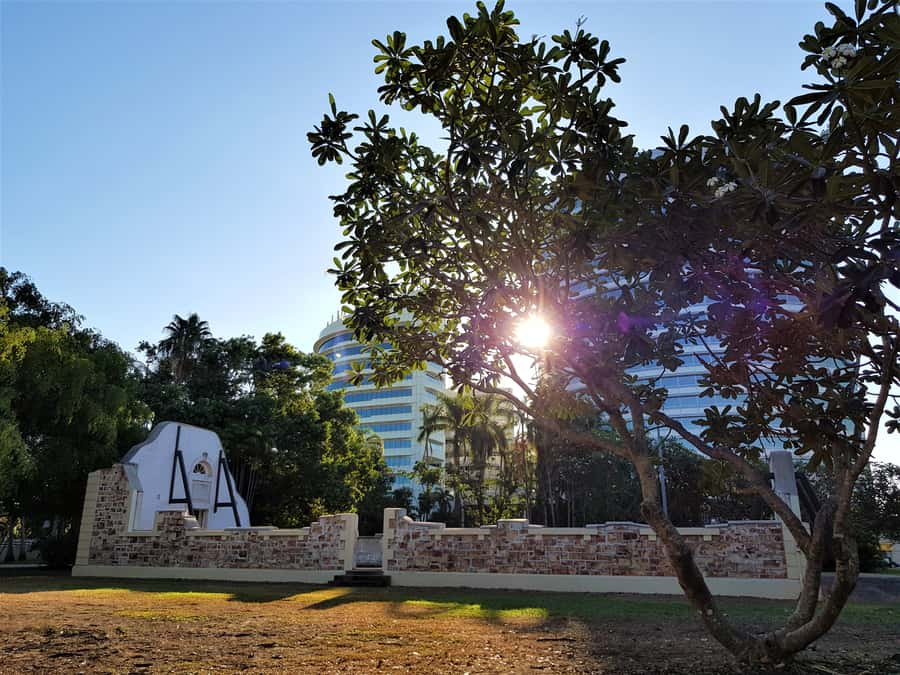
Bring a camera if you enjoy details. The walk includes public artworks, architecture, historic buildings, tropical plants, and possible wildlife sightings.
The word possible matters here. Wildlife is listed among the things you may see, but no particular animal or guaranteed sighting is provided. Treat it as a pleasant extra rather than the reason to book.
Photography works well with a walking route because you can stop briefly to frame a building or artwork. You are not trying to take everything from a moving vehicle. You can also photograph contrasts: reconstructed historic structures, modern civic buildings, tropical greenery, and public art within the same compact city area.
Keep your camera ready, but do not let it distract you from the commentary. The strongest part of this tour is the explanation of how each place fits into Darwin’s story.
A closer look at the two-hour route
The exact stop-by-stop order is not provided, but the route begins at Raintree Park and finishes at Knuckey Street and the Esplanade in Darwin City. The sightseeing unfolds through central streets rather than along a bus route, with the guide linking the places together as you walk.
At the start, expect an orientation to the city and the pioneers who shaped its early development. This opening gives you a useful base for the rest of your Darwin visit. You will hear how the city grew and why its setting and history matter.
The historic civic buildings come next as part of the walk through older Darwin. The courthouse and police station show the city’s early public institutions, while Brown’s Mart connects the story to community and performance.
The Palmerston Town Hall ruins shift the mood. Here, the emphasis is on what remains and what has had to be rebuilt. This is one of the more distinctive parts of the route because ruins make the effects of time, disaster, and reconstruction visible.
The government precinct then brings you into present-day Darwin. Government House, Parliament House, and the Supreme Court help you see the Northern Territory’s civic center in context. The tour is strongest when it moves between these old and new elements instead of treating history as something separate from modern life.
Along the way, John discusses the World War II bombings and Cyclone Tracy. These are not side notes. They explain why Darwin’s story includes so much rebuilding and why the city’s older fabric can feel incomplete.
The finish near Knuckey Street and the Esplanade is practical. You end in a central area rather than being returned to a hotel. Plan to continue exploring, eat nearby, or make your own way to the next stop. Hotel pickup and drop-off are not included.
How the pace feels in real use
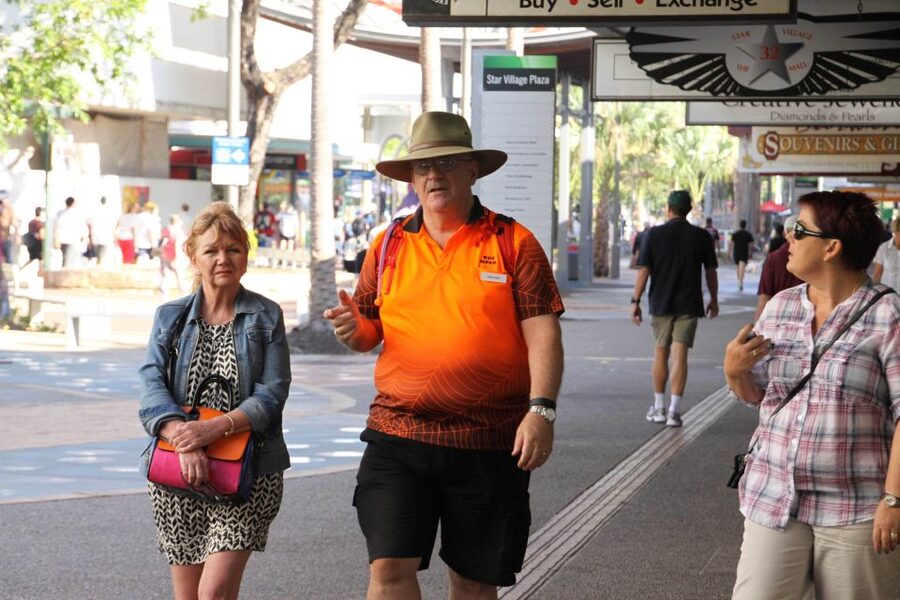
The tour is designed to be leisurely, and that seems to be one of its strongest features. You are not racing from landmark to landmark. John’s approach allows time for explanations, questions, and photographs.
Several specific comments about the tour point to a sensible pace and a route that is not excessive in distance. That makes it a good choice if you want substance without signing up for a half-day walk.
Still, two hours upright in Darwin is different from two hours indoors. Heat, sun, and humidity can change how the route feels. Wear comfortable shoes, use sunscreen, carry water, and bring a sun hat. Hand sanitizer or tissues are also recommended.
There are few places to sit and rest, so I would not choose this activity for children under 10 or for anyone with a low level of fitness. Assistance dogs are allowed, but other pets are not. Bare feet and smoking are not allowed.
Is $41 a fair price?
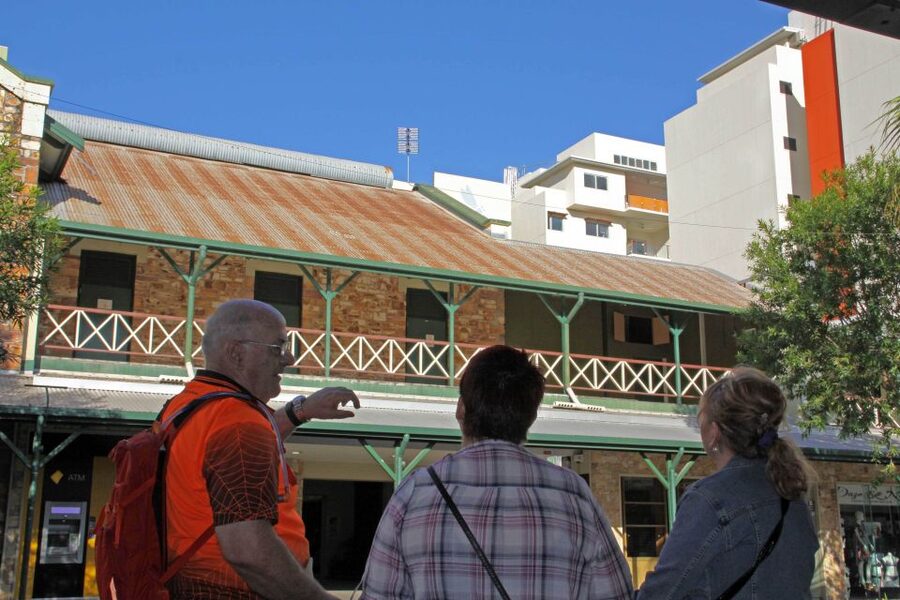
At $41 per person, this is a reasonable price for a two-hour guided introduction to central Darwin. You are paying for a local guide, spoken English commentary, and a small group rather than transport or meals.
The value depends on what you want. If you prefer to wander silently and read plaques, you can see some of the same public buildings without booking a tour. But you will miss the links between World War II, Cyclone Tracy, reconstruction, civic institutions, and modern multicultural Darwin.
I think the price works best at the start of your stay. A good city walk can help you decide which places deserve more time later. It also makes the rest of your sightseeing easier because you already understand the broad story.
Food and drink are not included, and there is no hotel transfer. Those are minor costs and omissions, but you should factor them into your plans. The main thing included is the guide’s interpretation, and that is where this experience earns its fee.
Free cancellation is available up to 24 hours before the tour for a full refund. You can also reserve now and pay later, which is useful if your Darwin schedule is still moving around.
Who will get the most from this walk?
I would recommend it to first-time visitors who want a clear introduction before exploring Darwin independently. It also suits anyone who enjoys local stories, civic architecture, and the way a city’s past shapes its present.
The small-group setup is useful for solo visitors, couples, and small families with older children. With no more than 10 people, you have a better chance to ask John about details that catch your attention.
History fans will appreciate the wartime and Cyclone Tracy material. Architecture fans will enjoy the mixture of reconstructed buildings, ruins, government buildings, and modern public art. Photographers will find plenty of subjects, although the tropical light and heat make sunscreen and water essential.
I would skip it if you want an indoor activity, a food-focused tour, or a ride between far-flung sights. I would also avoid it if standing and walking for two hours is difficult. This is a city orientation on foot, not a hop-on, hop-off substitute.
My verdict on Walk Darwin
I like this tour because it gives Darwin a clear human scale. John’s explanations connect places that might otherwise seem unrelated, and the small group keeps the experience personal without turning it into an expensive private outing.
The most useful features are the leisurely pace, the local perspective, and the mix of old buildings, ruins, government landmarks, wartime history, and modern culture. The main caution is the heat and limited seating. Prepare properly and you are more likely to enjoy the walk for what it is.
Book it if you want context, not just a checklist of sights. It is especially worthwhile early in your Darwin visit, when two focused hours can help you understand the city and choose what to explore next.
FAQ
How long is the Darwin heritage walk?
The tour lasts two hours.
Where does the tour begin?
It begins under the John McDouall Stuart statue in Raintree Park.
How will I identify the guide?
The guide will be wearing a bright orange shirt.
Where does the tour finish?
It finishes at Knuckey Street and the Esplanade in Darwin City, Northern Territory.
Who leads the tour?
The guide named for the experience is John.
What language is the tour conducted in?
The live commentary is in English only.
How many people can join the group?
The group is limited to 10 participants.
What historic places can I see?
The walk includes the old courthouse and police station, Brown’s Mart Theatre, and the Palmerston Town Hall ruins. It also passes Government House, Parliament House, and the Supreme Court of the Northern Territory.
Is hotel pickup included?
No. Hotel pickup and drop-off are not included.
What should I bring?
Bring a sun hat, camera, sunscreen, water, and hand sanitizer or tissues.
Is the walk suitable for children?
The tour is not suitable for children under 10 years old.
Is the walk suitable for people with limited fitness?
No. A reasonable level of fitness is needed because there are few places to stop, sit, and rest.
Can I cancel for a refund?
You can cancel up to 24 hours in advance for a full refund.
Is food or drink included?
No. Food and drink are not included.
Just added around Darwin
- 1-Hour Thunderball WWII Adventure Jet Skiing in Darwin★ 5.0 · 70 reviews
- Tiwi Islands Cultural Experience from Darwin Including Ferry★ 4.0 · 97 reviews
- Bombing of Darwin World War II Tour with Harbour Cruise★ 4.5 · 219 reviews
- Royal Flying Doctor Service Tourist Facility: Two Iconic Territory Stories★ 5.0 · 256 reviews
- Darwin Combo: The Bombing of Darwin Experience & Darwin Harbour Cruise★ 4.5 · 123 reviews
- Litchfield Park & Jumping Crocodile Cruise★ 5.0 · 37 reviews
- Litchfield & Berry Springs VIP Adventure Day Tours (group of 11)★ 5.0 · 142 reviews
- Adelaide River Jumping Croc Cruise★ 4.5 · 56 reviews
Walking Tours, compared.
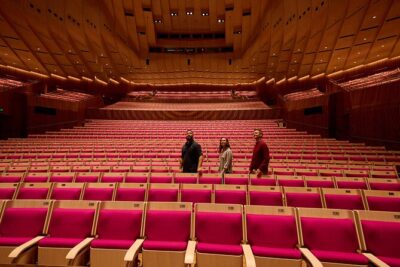
Sydney Opera House Official Guided Walking Tour
Read our review →
Blue Mountains Tour with Waterfall Walk & Lunch
Read our review →

Ultimate Melbourne Walking Tour: History, Laneways & Culture
Read our review →

Great Ocean Road Tour Plus Koalas, Forest Walk and Morning Tea
Read our review →
Blue Mountains Small Group Tour with Waterfall Walk & Fresh Lunch
Read our review →
Maria Island Cruise and Guided Walk Day Tour with Lunch and Drinks
Read our review →Browse the lists this tour appears in