
Reviewed · HOBART
Tasmania: 7-Day West to East Tour
Tasmania’s big draw is variety, and this seven-day tour packs plenty into one loop. You’ll walk beneath giant eucalyptus trees, cross the rugged west coast, search for wombats near Cradle Mountain, see Wineglass Bay, and finish among the convict ruins of Port Arthur. It is a brisk way to meet the island’s wild side without renting a car.
I especially like the choice of walking routes, since you can pick a short waterfall walk or a tougher Cradle Mountain track. I also like the guides and practical planning. Guides including Keygan, Brendon, Phil, Hayden, and Lynna have been praised for keeping groups safe, informed, and in good spirits.
The tradeoff is simple: seven days of Tasmania means early starts, long drives, and a different bed most nights. The vehicle seats can feel tight for a tall person, and the schedule may feel a little long to anyone who prefers a slower pace.
Key points to know before booking
- Mount Field starts the trip with giant trees and Russell Falls: The first walk is short and easy, but the setting feels properly Tasmanian.
- West coast days are wild and weather-sensitive: Rainforest, sand dunes, Ocean Beach, and the option of a Gordon River cruise create a strong change of pace.
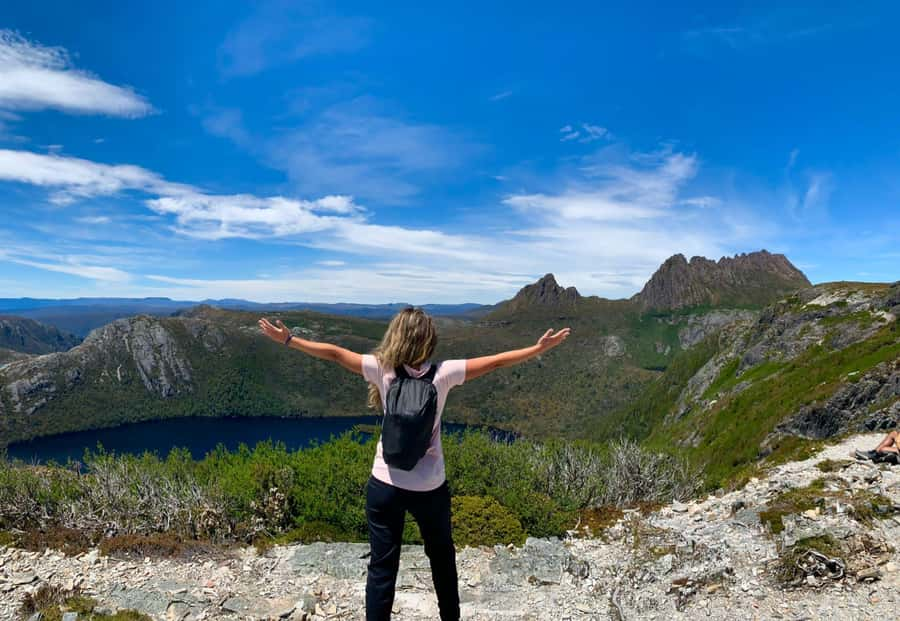
- Cradle Mountain offers flexible walking: Choose an easier route or take on Marion’s Lookout, with wombats and echidnas possible along the way.
- Freycinet gives you Tasmania’s classic view: Walk to Wineglass Bay or climb Mount Amos, then visit Cape Tourville Lighthouse.
- Native wildlife and convict history round out the trip: Bonorong Wildlife Sanctuary and Port Arthur add depth beyond scenery.
- The price covers many costly basics: Transport, six nights of lodging, national park fees, Bonorong entry, Port Arthur entry, and its harbor cruise are included.
Why this west-to-east route works
Tasmania is compact enough to cross in a week, but its best places are spread around the island. This route avoids making you plan a string of separate day trips from Hobart. Instead, you move steadily from the wet forests and mining towns of the west to the sunnier beaches and historic sites of the east.
The order also gives the week a useful rhythm. You begin with waterfalls and forest, spend the next few days among dunes, alpine tracks, and beaches, then finish with wildlife, Hobart views, and Port Arthur. That mix keeps the trip from becoming seven straight days of hiking.
You should think of this as an active sightseeing tour rather than a relaxing coach holiday. Most walks are easy to moderate, and all are optional, but you will be out most of the day. A typical day begins around 7:30 in the morning and ends around 5:00 in the afternoon or earlier.
A few more Hobart trips worth weighing up
- Barossa Premium Wine Tasting Tour & lunch Departs 7 days a week
★ 5.0 · 1,475 reviews - 7-Day Exmouth Explorer via Pinnacles Monkey Mia Ningaloo Reef returning to Perth
★ 5.0 · 284 reviews - Perth: 7 Day Exmouth Explorer & Ningaloo Reef Return Perth
★ 4.5 · 119 reviews
Day 1: Russell Falls, Lake St Clair, and Queenstown
The first morning takes you from Hobart to Mount Field National Park. The Russell Falls walk is an easy 25-minute return stroll covering about 1.4 kilometers on a flat, even surface. It is a good opening walk, especially if you are still adjusting to the tour schedule.
Mount Field is also known for its tall eucalyptus trees. Walking among them gives you an early sense of Tasmania’s scale, with cool forest and large trunks replacing Hobart’s streets and waterfront. You do not need strong hiking skills to enjoy this section.
From there, the road reaches Lake St Clair, Australia’s deepest freshwater lake. The stop gives you a quieter view of the island’s interior before the route continues through Franklin-Gordon Wild Rivers National Park. The day ends with Queenstown, a former mining center known for its stark setting and industrial past.
That history matters because the west coast is not only about pristine nature. Queenstown helps explain how mining shaped local communities and altered the surrounding land. After a full day on the road, you arrive in Strahan for two nights, which is helpful because you can explore the west coast without packing up immediately the next morning.
Day 2: Rainforest, Henty Sand Dunes, and Ocean Beach
Strahan is the base for a day focused on the wild west coast. Expect ancient rainforest, a guided nature walk, and broad coastal views. This is one of the tour’s more unusual combinations: dense forest in the morning, then open sand and sea.
Henty Sand Dunes provide a change from Tasmania’s wooded interior. You will also visit Ocean Beach, described as Tasmania’s longest stretch of sand. The setting can feel exposed, so bring a jacket even if Hobart was warm when you left. Warm clothing and weather-ready layers are essential on this trip.
You may instead choose a Gordon River cruise at your own expense. The cruise is not included, so check the price and availability before deciding. The choice is useful: walkers can stay with the land-based program, while boat passengers get a different view of the waterways and forest.
This is also a day when weather can shape your experience. The west coast is known for changeable conditions, and rain is part of the region’s character. Pack a waterproof outer layer, not just a light sweater.
Day 3: Cradle Mountain and the road to Launceston
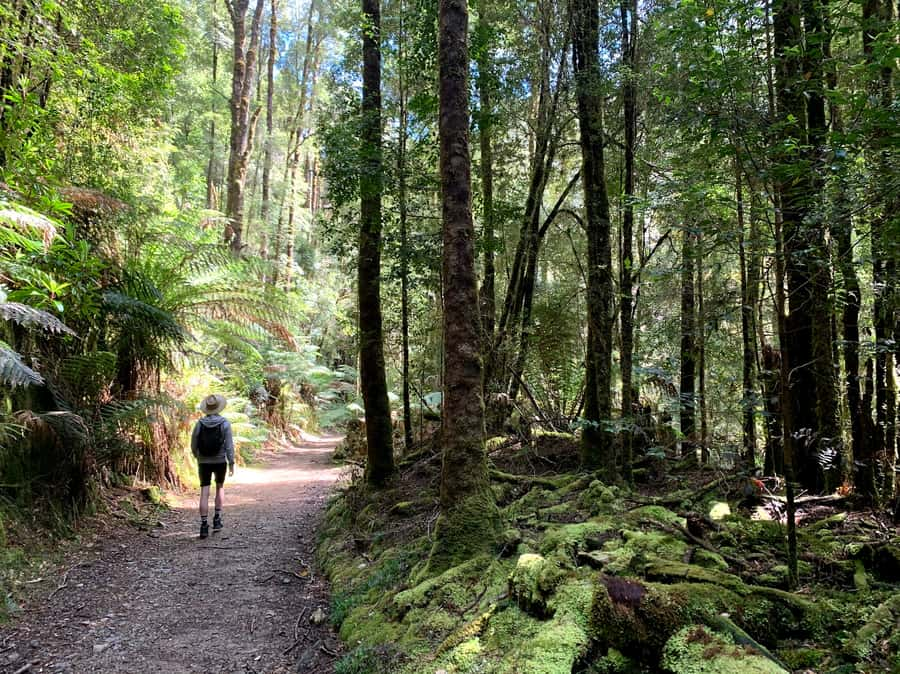
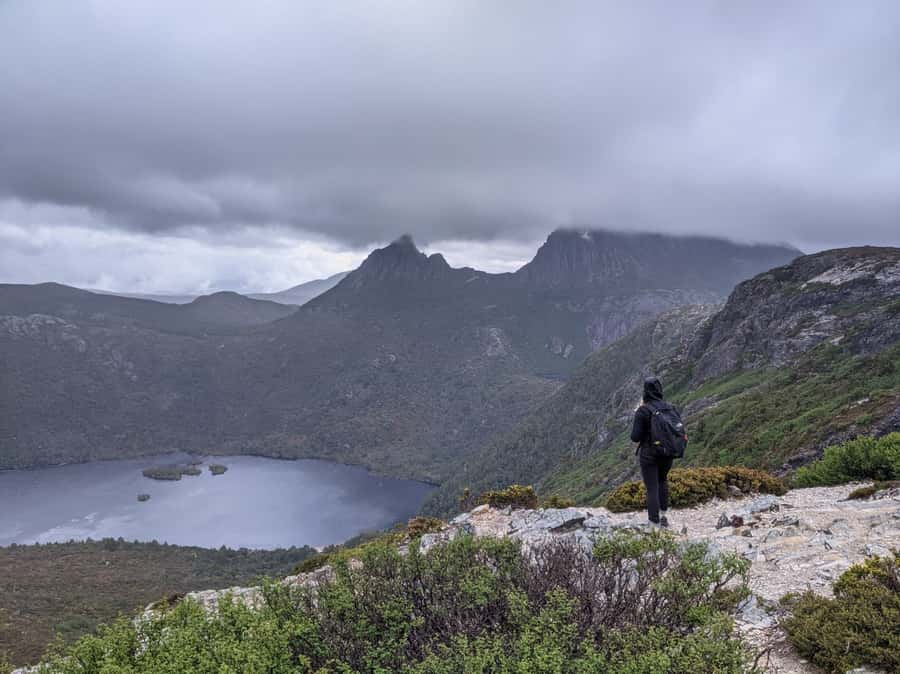
Cradle Mountain National Park is one of the main reasons to choose this trip. Its scenery comes from alpine country and glacially carved valleys, and the walking choices let you match the day to your fitness.
The Dove Lake Circuit takes about two to three hours and covers six kilometers. It includes short hills, rougher surfaces, and many steps. The reward is a close look at one of Tasmania’s most famous mountain settings without committing to a major expedition.
If you want a harder outing, the track to Marion’s Lookout offers higher views and more effort. Guides explain the difficulty before you choose, which is particularly useful if you are hiking with a partner whose fitness differs from yours.
Keep your eyes open for wombats and echidnas. Sightings are never guaranteed, but the chance to see native animals in their natural setting adds something that a quick photo stop cannot provide. After the park, the group continues to Launceston through Sheffield, a small town known for its murals.
Launceston provides a comfortable change after the national park. The drive is long, but scheduled bathroom and coffee stops help break it up. Several people have found the accommodation clean and comfortable, with motel rooms offering private bathrooms and hostel options keeping the cost down.
A different sort of day out, same corner of Hobart:
- Bruny Island Food, Sightseeing, Guided Lighthouse Tour & Lunch
★ 5.0 · 2,989 reviews - Full-Day Guided Bruny Island Tour from Hobart
★ 5.0 · 1,331 reviews - kunanyi/Mt Wellington Explorer Bus- Return Tour (2.5 hours)
★ 5.0 · 1,249 reviews - Hobart: Bruny Island Food, Sightseeing & Lighthouse Day Tour
★ 4.8 · 960 reviews
Day 4: Cataract Gorge, larapuna, and Bicheno
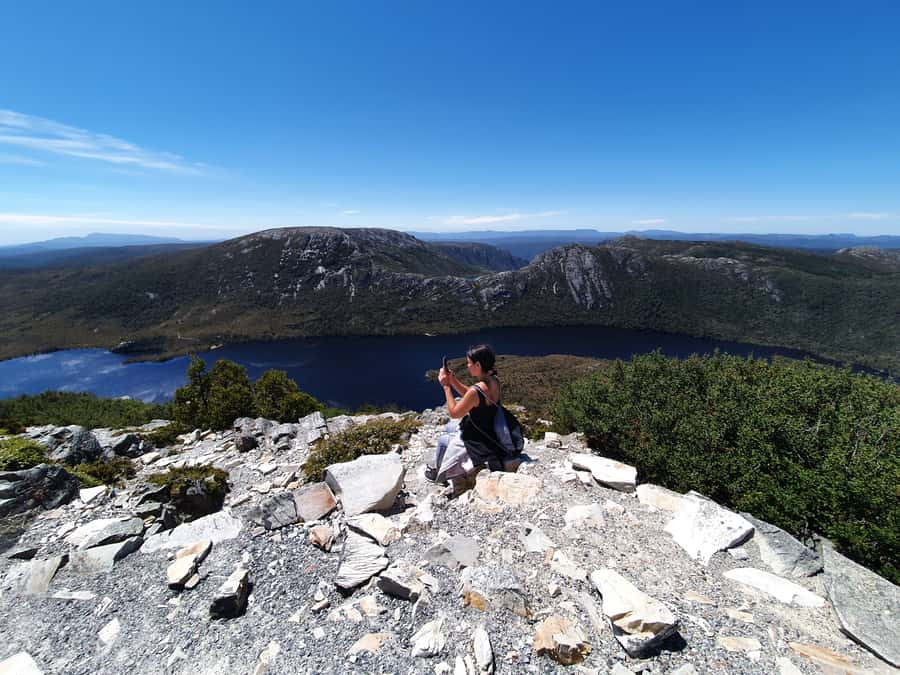
The day begins at Launceston’s Cataract Gorge, a scenic spot close to the city and a good place to look for wallabies. It is a reminder that wildlife sightings are not limited to remote parks.
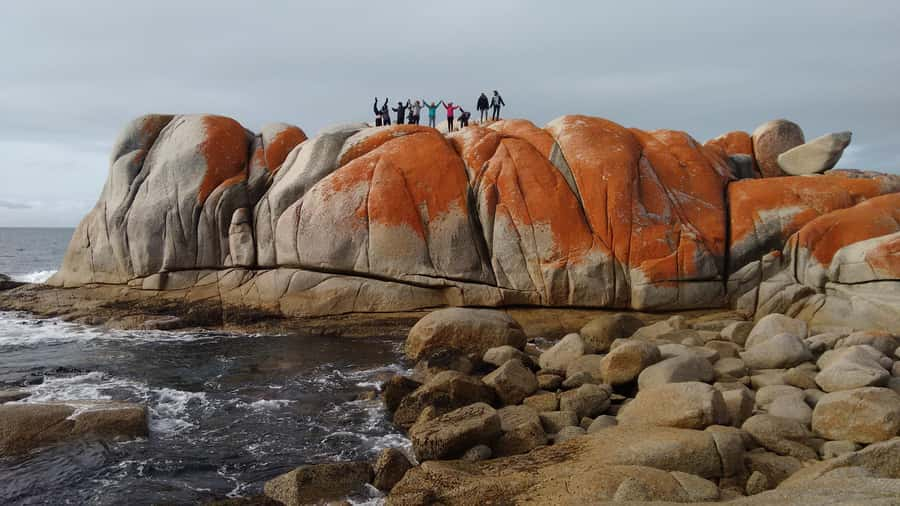
The route then heads toward the Bay of Fires, known here by its palawa name, larapuna. You’ll walk along white sand and turquoise water among orange boulders. The colors are striking, but the visit also includes a cultural element, with attention to the spiritual connection between the land and Tasmanian Aboriginal people.
This stop works well because it is not just a quick lookout. You have time to walk beside the shore and take in the contrast between pale sand, clear water, and rust-colored rock. Bring swimwear and a towel if you want the option of getting in the water, though the tour does not promise a swimming stop.
The night is spent in Bicheno, home to little penguins. Accommodation standards vary by location, but the Bicheno lodging has been singled out as especially good. You should still pack lightly and expect shared facilities if you choose hostel accommodation.
Day 5: Wineglass Bay and the return to Hobart
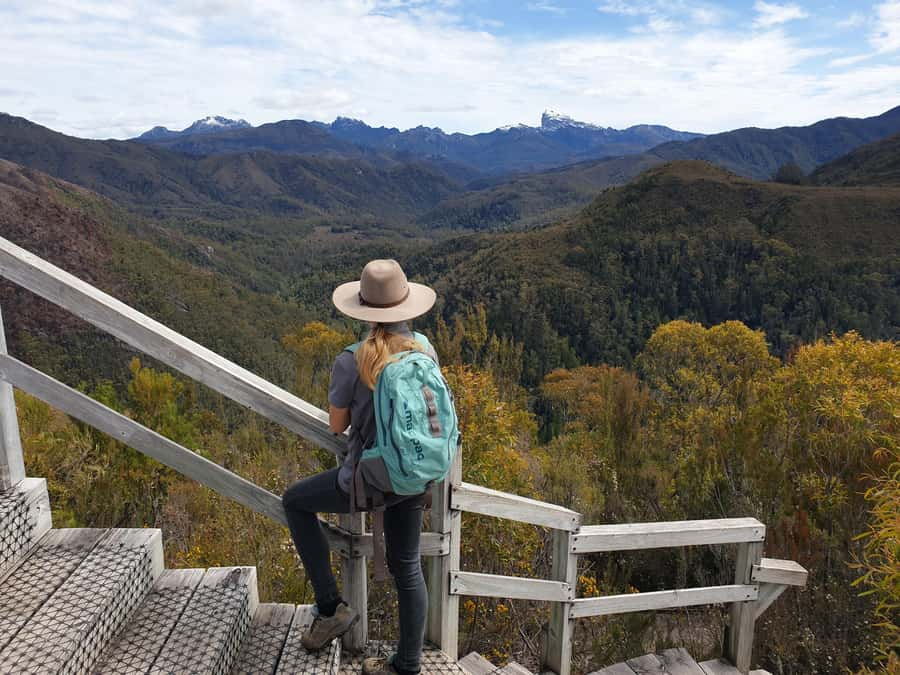
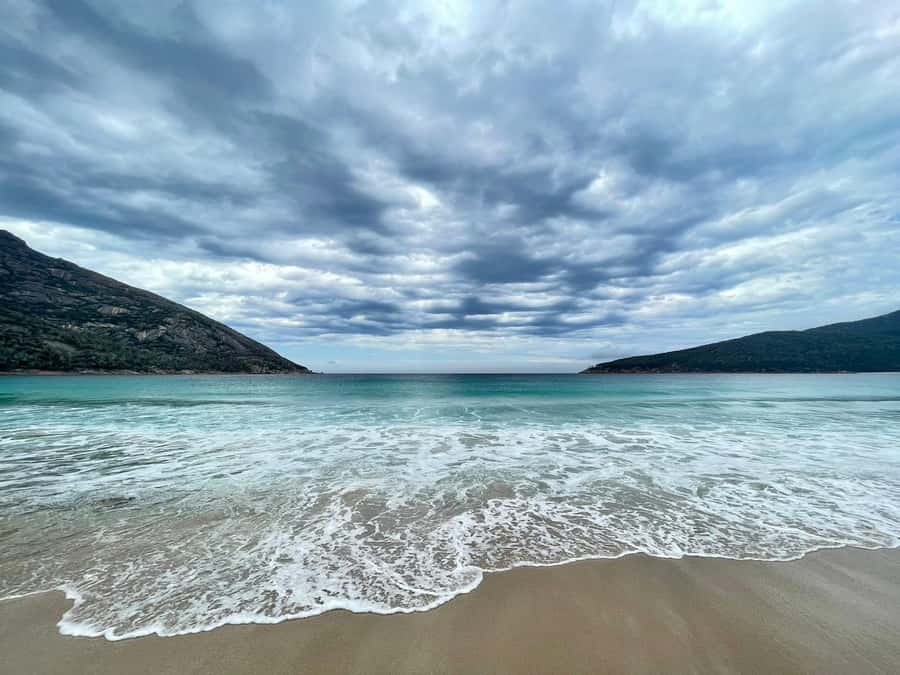
Freycinet National Park delivers the postcard moment. The main choice is a walk to the Wineglass Bay viewpoint or a more demanding climb to the summit of Mount Amos.
Wineglass Bay is a smart choice for most people who want an impressive view with manageable effort. Mount Amos is for those who want a tougher climb and are comfortable with a more strenuous track. Ask the guide about conditions and difficulty before setting out.
Cape Tourville Lighthouse adds another coastal perspective. It is a good companion to Wineglass Bay because you see more than one section of the park rather than spending the whole day at a single lookout.
After Freycinet, you return to Hobart. The day can feel full, but the return to the city gives you a chance to eat, rest, and reset before the final two days. Since food is not included, your guide can point you toward restaurants, pubs, or grocery stores. Some accommodation also gives you the chance to cook.
Day 6: Bonorong, Richmond, and kunanyi
Bonorong Wildlife Sanctuary gives you a closer look at Tasmanian animals, including Tasmanian devils. Entry is included, which improves the value of the tour and ensures that wildlife is part of the plan even if you have not seen much in the national parks.
The next stop is Richmond, a heritage village with historic buildings and a slower pace. It adds a human chapter after several days of forests, mountains, and coast. You then head back toward Hobart and Mount Wellington, known by its palawa name, kunanyi, for broad views over the city and surrounding country.
This is one of the easier days to enjoy if your legs are tired. You still have stops and walking, but the program is less demanding than Cradle Mountain or Mount Amos. Guides often recommend favorite Hobart spots for the evening, leaving you free to eat at a historic pub or restaurant.
One practical point: the guide may change after the first five days. That is normal for this program, and several guides have earned praise for their care and humor, but some people would prefer one guide for the entire week.
Day 7: Port Arthur and Crescent Bay
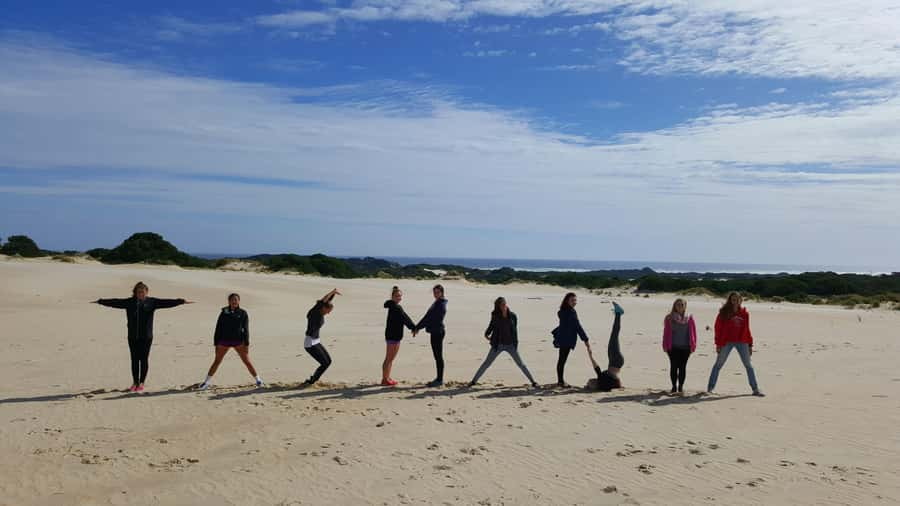
The final day heads to the Tasman Peninsula, called turrakana in palawa language. The coast is rugged, and the region carries some of Australia’s most important convict history.
Port Arthur Historic Site is the main attraction. Entry and a harbor cruise are included, so you do not need to budget separately for those core activities. The site is Australia’s best-preserved convict settlement, and the visit gives context to the people, punishments, and colonial system that shaped this part of the country.
Later, you walk to Crescent Bay. The route adds a final coastal view after the historical focus at Port Arthur. It is a fitting close because the peninsula combines dramatic shorelines with difficult stories. You return to Hobart after the walk.
The day is not only a farewell to Tasmania’s scenery. It also shows why a guided trip can be useful here. You do not have to manage the long drive from Hobart, arrange parking, or fit Port Arthur and Crescent Bay into a separate plan.
Lodging, transport, and daily comfort
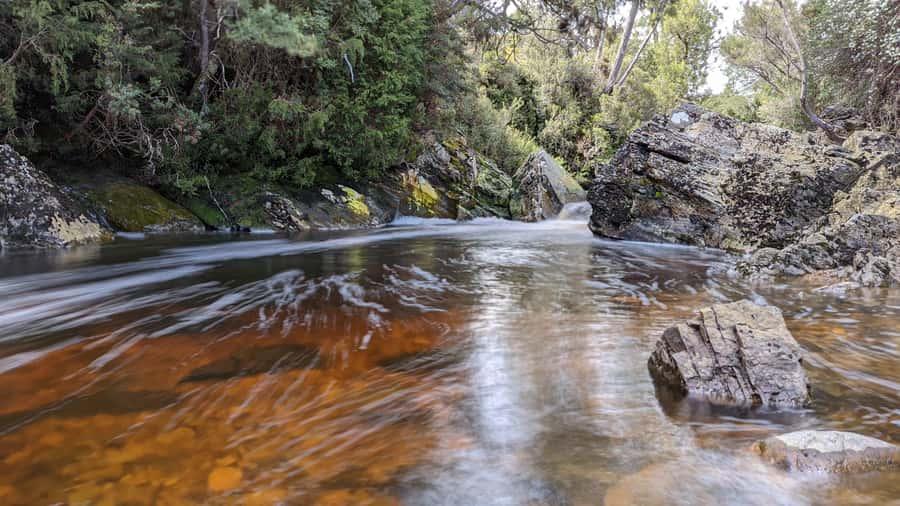
You can choose motel or hostel accommodation. Motels have private rooms with ensuite bathrooms. Hostel choices include same-gender dorms, plus private twin, double, or single rooms with shared same-gender bathrooms. A twin or double booking requires at least two people.
You may bring up to 20 kilograms of luggage, stored in a trailer during driving days. That is generous enough for a week, but a daypack is essential for walks. Pack hiking shoes, long pants, sunscreen, a sun hat, sunglasses, swimwear, a towel, warm layers, and a jacket.
The vehicle is practical rather than spacious. One person around six feet tall found the seating tight, while a shorter passenger found it comfortable. If you are tall, consider this before booking, particularly since several days include long stretches between towns.
Guides provide commentary about history, plants, wildlife, and the environment. Names associated with recent departures include Keygan, Brendon, Phil, Hayden, and Lynna. The strongest praise has centered on guides who explain walking grades clearly, keep the group together, and create a relaxed mood without losing track of time.
Is $973 good value?
At $973 per person, the tour is not the cheapest way to spend a week in Tasmania, but the price covers a lot. Transport, six nights of accommodation, guided walks, national park fees, Bonorong entry, Port Arthur entry, and the harbor cruise are included.
You still pay for food and drinks, travel insurance, and the optional Gordon River cruise. Airport pickup is not included either. Even so, the package can be good value if you would otherwise rent a car, pay park fees, arrange lodging in several towns, and handle the driving yourself.
The tour also saves planning time. That matters in Tasmania, where road distances, changing weather, and limited time can make a self-drive week feel rushed. Solo visitors and couples may also appreciate the built-in social side of a small group.
Who should book this tour?
I would choose this trip if you want to see a large share of Tasmania in one week, enjoy walking, and prefer having transport and lodging arranged. It suits solo visitors, couples, and friends who want a mix of nature, wildlife, Aboriginal cultural context, and colonial history.
It is less suitable if you need a slow holiday, dislike early starts, or want to spend several nights in one place. Children under eight are not accepted, and the tour is not suitable for people with back problems or mobility impairments.
You do not need to be a serious hiker. Short walks are available, and all walks are optional. Still, good mobility and moderate fitness will help you get more from Cradle Mountain, Freycinet, and the coastal tracks.
FAQ
How long is the Tasmania West to East Tour?
The tour lasts seven days and includes six nights of accommodation.
Where does the tour start and finish?
The tour begins and ends in Hobart, with pickup and drop-off from centrally located Hobart hotels and hostels.
Is airport pickup included?
No. Airport pickup is not included. Pickup is available from centrally located Hobart hotels and hostels, but not from Airbnbs or private residences.
What accommodation choices are available?
You can choose motel or hostel accommodation. Motels have private ensuite rooms. Hostel options include same-gender dormitories and private twin, double, or single rooms with shared same-gender bathrooms.
Are meals included?
No. Food and drinks are not included. Guides can suggest restaurants, pubs, grocery stores, or places where you may cook.
How difficult are the walks?
Most walks are easy to moderate, and all are optional. Russell Falls is an easy 25-minute return walk, while the Dove Lake Circuit takes about two to three hours and includes hills, rough surfaces, and steps.
Is the Gordon River cruise included?
No. The Gordon River cruise is an optional activity at your own expense.
How much luggage can I bring?
You can bring up to 20 kilograms of luggage. It is stored in a trailer during travel days, and you should carry a smaller daypack for walks.
Is the tour suitable for children or people with limited mobility?
Children under eight are not accepted. The tour is not suitable for people with back problems or mobility impairments. Good mobility and moderate fitness are recommended.
Should you book it?
Book this tour if you want Tasmania’s major natural and historic sights without taking on the driving yourself. The strongest reasons are the range of walks, the thoughtful guide support, and the number of entry fees already included in the $973 price.
Skip it if you want a quiet base, private space every night, or complete control over your schedule. For an active first look at Tasmania, though, this is a well-planned route with enough choice to suit different hiking abilities and enough local context to make the scenery mean more.
Just added around Hobart
- Tasmania: Wilderness and Wildlife Guided 6-Day Tour★ 4.6 · 60 reviews
- From Hobart: 5-Day Tasmania West & East Coast Tour★ 4.9 · 369 reviews
- Signature Wine Tour – Hobart & SE Tasmania★ 4.9 · 48 reviews
- Mt Wellington: Ultimate Experience from Hobart★ 4.6 · 76 reviews
- Kunanyi & Mt Wellington Explorer Bus: One-Way Bus Pass★ 4.8 · 27 reviews
- Hobart: Tahune Airwalk & Hastings Caves – Active Day Tour★ 4.8 · 56 reviews
- Hobart: Morning River Cruise★ 4.3 · 22 reviews
- Hobart: Hastings Cave, Tahune Airwalk and Huon Tasting Trail★ 4.7 · 63 reviews
7-Day Experiences, compared.

Barossa Premium Wine Tasting Tour & lunch Departs 7 days a week
Read our review →
7-Day Exmouth Explorer via Pinnacles Monkey Mia Ningaloo Reef returning to Perth
Read our review →
7 Day Exmouth Explorer & Ningaloo Reef Return Perth
Read our review →
7 Day Adelaide to Uluru Adventure and Cultural Tour
Read our review →
7 Day Uluru to Adelaide Cultural and Adventure Tour
Read our review →Browse the lists this tour appears in