Reviewed · WESTERN AUSTRALIA
Albany: National Anzac Centre Entry Ticket
The most moving part of Albany’s National Anzac Centre is the way it turns a huge war into one person’s story. You take the identity of one of 32 actual service men or women, then follow that person from recruitment and training through the troop convoys, battlefields, and post-war life.
I like the personal audio and multimedia approach, and I like the closing tribute wall, where you can leave your own message. The main consideration is its serious subject matter: the strong war themes may be too much for children aged seven and under.
Key points to know before you go

- Follow one real wartime life: Your assigned identity guides you through recruitment, training, shipboard life, combat, and the years after 1918.
- See where the first convoys left Australia: King George Sound was the departure point for the first Australian and New Zealand troop convoy on 1 November 1914.
- Use the museum at your own pace: Audio, film, photographs, artifacts, and interactive displays let you pause when you need to.
- Finish beneath the Pool of Reflections: The names of 41,265 service men and women who left Albany in the first and second convoys appear as the experience closes.
- Add the fortress to your visit: Your ticket includes a history talk about the Princess Royal Fortress complex and a free guided tour of the forts.
- Plan for two hours or more: The centre is open from 9:00 AM to 5:00 PM, with last entry at 4:00 PM, and your ticket allows re-entry that day.
Why Albany gives the Anzac story its starting point

Albany is not simply a place with a museum about the First World War. It is tied directly to the early movement of Australian and New Zealand troops overseas.
On 1 November 1914, the first convoy departed from King George Sound. For many of the men and women aboard, Albany was the last piece of Australian soil they would ever see. That fact gives the National Anzac Centre a strong sense of place, especially when you later look out across the harbour and consider the scale of the departure.
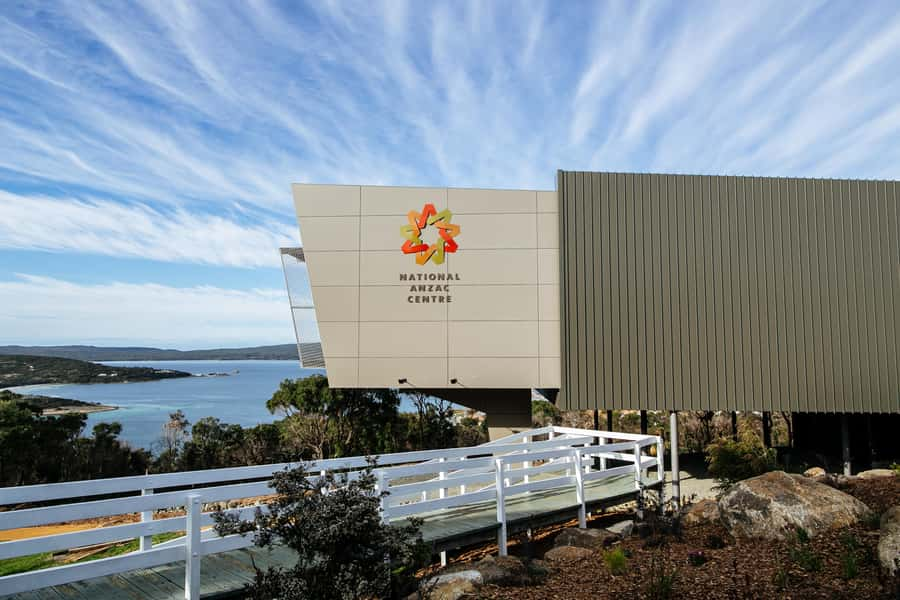
The centre sits within the Princess Royal Fortress, so you are not moving between unrelated attractions. The museum, military site, harbour setting, and nearby dawn service location all connect to the same story. I find that helpful because it gives the displays a physical setting rather than leaving the war as something distant and abstract.
A few more Western Australia trips worth weighing up
- From Perth: Rottnest Island Full-Day Bike and Ferry Trip
★ 4.7 · 2,548 reviews - The Margaret River wine tour for people who don’t do tours!
★ 5.0 · 1,969 reviews - Pinnacles Desert: Sunset BBQ & Stargazing Tour +Sandboarding
★ 4.8 · 1,555 reviews
Entering the National Anzac Centre
Park in the main carpark and walk to the entrance. You do not need hotel transfers, and the centre is designed as a self-guided experience in English.
The ticket costs $17 per person. For that price, you receive a full day of access to the National Anzac Centre, plus the history talk at the Princess Royal Fortress complex. You can leave and return several times on the same calendar day, which gives you useful flexibility if you want a break, a meal elsewhere, or time to walk around the fort before returning to the indoor displays.
The museum is open every day except Christmas Day, including public holidays, from 9:00 AM to 5:00 PM. Last entry is at 4:00 PM. I would arrive well before that deadline. The experience is designed to take at least two hours, and rushing through the final sections would weaken the effect of what you have just seen.
Wear comfortable shoes. An umbrella is sensible for the outdoor parts of the fortress, since the weather can change and some of your time is spent outside.
Choosing one of 32 real wartime identities
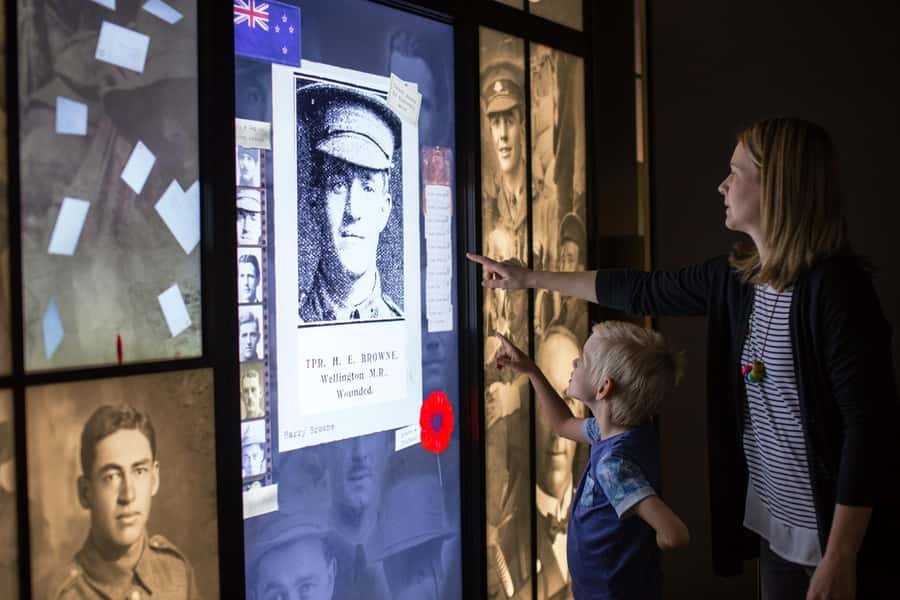
At the heart of the visit, you assume the identity of one of 32 real service men or women. This is more than a name attached to a screen. Your selected character gives you a personal route through the wider events of the war.
You follow that person through recruitment and training, then learn about the convoy voyage and life aboard ship. The story continues through the conflicts at Gallipoli, in the Middle East, and on the Western Front. For those who returned, the account also reaches into post-war life.
I like this structure because it gives you a reason to pay attention to the small details. Military campaigns can blur together when they are presented as dates and arrows on a map. A personal identity gives each section a human question: what happened to this individual, and what did the war change for them?
The information is delivered through interactive technology, audio commentary, rare images, film, and artifacts. You can listen at your own pace, rather than keeping up with a guide or a fixed group. That makes the experience easier to manage if you want to spend extra time with a photograph, repeat an audio section, or move more quickly through material that feels familiar.
This self-guided format is also one of the centre’s practical strengths. There is no pressure to finish a display before the next group arrives. You can make the visit quiet and reflective, or focus more closely on the military events and timelines.
From recruitment to convoy life
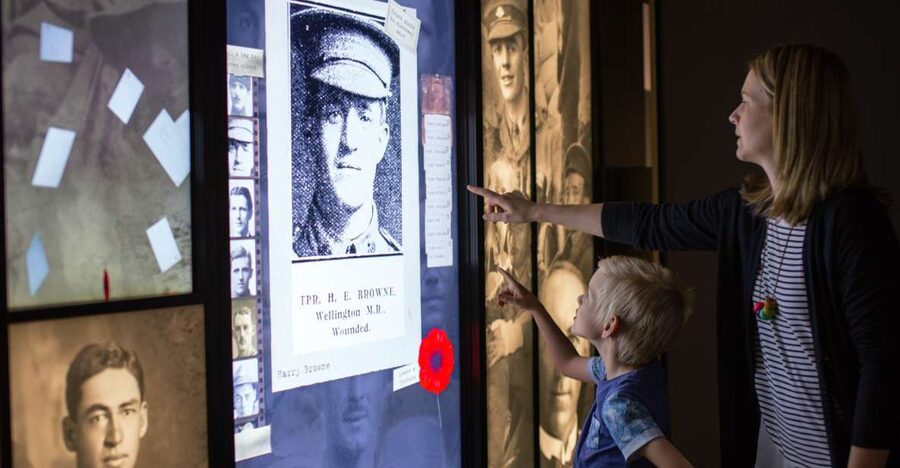
The early sections trace the steps that took people from ordinary life into military service. Recruitment and training help set up the personal stakes before the displays move toward the troop convoys.
Albany’s role matters most here. The first convoy’s departure from King George Sound on 1 November 1914 was a major moment in the Anzac story, and the centre uses that local connection to frame what came next. Many of those aboard were leaving Australia for the final time.
Shipboard life is another useful part of the story. War is often remembered through battles, but long periods at sea shaped the experience too. The displays follow the convoy journey and place the departure within the larger movement of Australian and New Zealand troops toward the war.
I would not treat this section as a quick introduction to skip. It explains why the later combat sections carry such weight. The people you follow did not appear suddenly at Gallipoli or on the Western Front. You first see how they entered the service, trained, travelled, and waited.
A different sort of day out, same corner of Western Australia:
- From Perth or Fremantle: Rottnest Island Ferry and Bus Tour
★ 4.6 · 1,246 reviews - Panoramic Sightseeing Bus Tour – Discover Broome!
★ 5.0 · 1,096 reviews - Pinnacles Desert Sunset Dinner and Stargazing Tour
★ 5.0 · 1,034 reviews - Mandurah: Dolphin and Views Cruise
★ 4.6 · 920 reviews
Gallipoli, the Middle East, and the Western Front
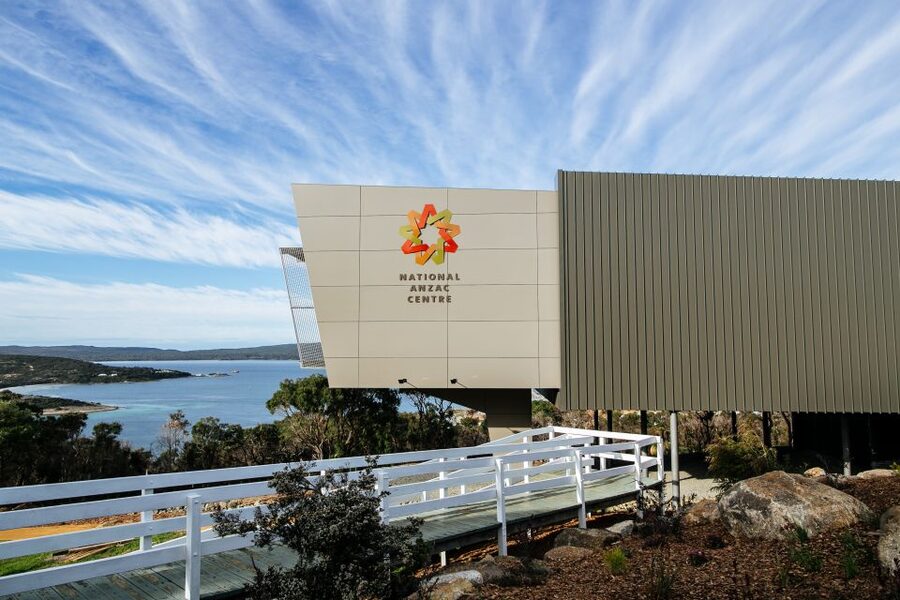
The centre then follows the selected identities through the key conflict areas named in the exhibition: Gallipoli, the Middle East, and the Western Front.
Because you continue with the same person, these theatres feel connected rather than like separate chapters in a textbook. You can see how the larger events of the First World War affected an individual life, including the possibility of injury, death, or return.
The subject matter is serious. The centre is not a light attraction, and it does not soften the emotional cost of war. That is part of its purpose, but it also means you should allow time afterward before moving on to another busy activity.
Children under five enter free, but the centre is not generally recommended for children aged seven or younger because of the strong war themes. The ticket information also lists the experience as unsuitable for children under five, so families should consider the content and age guidance carefully before booking.
For adults and older children, the interactive format can make difficult material easier to follow. You are not only reading a sequence of military events. You are listening to personal accounts and discovering what happened to a particular person at the end of the route.
The final room and the 41,265 names
As the story closes, the names of 41,265 service men and women who left Albany in the first and second convoys appear beneath a Pool of Reflections.
This is where the museum shifts from individual stories to the size of the wider departure. You begin with one selected identity, then encounter thousands of names. The change in scale is deliberate and effective.
The final discovery of your character’s fate is especially important. If your identity returned, the story points toward post-war life. If not, the museum does not leave the person as an anonymous statistic. You have followed the individual long enough to understand that the name belonged to a real life.
After the Pool of Reflections, you can leave a message on the interactive Tribute Wall. I like this feature because it gives you a quiet way to respond without turning the visit into a performance. You can record your thoughts about the Anzacs, remember someone, or simply leave a short tribute.
Adding Princess Royal Fortress to the visit
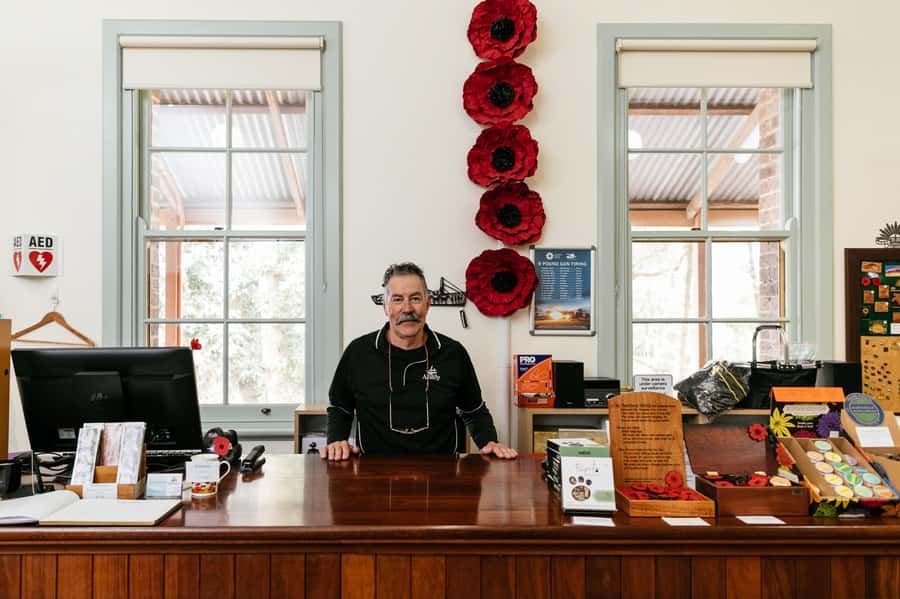
The National Anzac Centre ticket includes a history talk about the Princess Royal Fortress complex, along with a free guided tour of the forts.
That outdoor portion gives you a useful change of pace after the museum’s concentrated displays. It also helps explain the military setting around the centre. Bring comfortable shoes, and take an umbrella if the forecast is uncertain.
The fortress is where you can visit the location of the first documented Anzac Day Dawn Service in Australia. That detail makes the site especially meaningful. You are not only learning about the Anzac story indoors. You are also standing at a place linked to the development of the commemoration itself.
Check the available starting times when you book, since the activity information does not provide a fixed tour schedule. The museum itself is open all day during its published hours, but the guided fortress portion may follow its own timing.
How much time should you allow?
The minimum sensible visit is two hours. That gives you time to work through the interactive exhibition without treating every display as a quick stop.
I would allow more of the day if you want to combine the museum with the fortress tour, the dawn service location, and the surrounding site. The ability to exit and re-enter on the same day makes this easier. You can complete the most focused museum sections first, take a break, and return if you want more time with the final displays.
The day-long validity also matters for families and mixed-interest groups. One person can spend longer with the museum while another takes time outdoors. You do not have to make every part of the visit happen in one continuous stretch.
The centre operates in English, and the host or greeter is English-speaking. Wheelchair access is available. Smoking and drones are not allowed.
Who will get the most from this experience?
I would recommend the National Anzac Centre to anyone interested in Australian military history, family service records, memorial sites, or personal accounts of the First World War.
It is also a good stop if you want context before visiting other Anzac-related locations in Albany. The museum explains the convoy departure, the role of King George Sound, and the human cost behind the commemoration.
Families with older children can use the 32 identities as a way to make the subject easier to follow. Younger children may struggle with the war themes, and the centre’s own guidance makes it clear that it is not aimed at very young visitors.
You can also trace your family’s service record through Australia’s National Archives. The available information does not guarantee that every family will find a record, but the feature gives you a practical reason to bring names and details if you already have them.
The experience may be less suitable if you want a quick, purely scenic stop. The setting is important, but the museum asks for attention and emotional energy. Give it time, or choose a lighter activity for the day.
Is the $17 ticket good value?
At $17 per person, the ticket represents good value if you plan to spend at least two hours at the centre. You receive the museum entry, access for the full calendar day, the fortress history talk, and the chance to join the free guided tour of the forts.
The value comes from the depth of the presentation rather than the number of separate attractions. You are getting one carefully structured experience, supported by interactive displays, film, audio, artifacts, photographs, the Tribute Wall, and the outdoor fortress setting.
I would not book it simply to fill half an hour. You would miss the point and reduce the value. If you can give it two hours or more, the price is modest for a museum experience that connects local Albany history with Gallipoli, the Middle East, the Western Front, and the lives of people who served.
Free cancellation up to 24 hours before the visit and the reserve now, pay later option also make the booking easier to fit into a changing schedule. Those policies are useful, but the stronger reason to book is the quality and focus of the experience itself.
Should you book the National Anzac Centre?
Book it if you want a thoughtful, personal account of the First World War and you are willing to spend time with serious material. The combination of 32 real identities, Albany’s convoy connection, the Pool of Reflections, and the fortress grounds gives the visit a clear sense of purpose.
I especially recommend it if you are already in Albany and want to understand why King George Sound matters to the Anzac story. Add the guided fortress tour and the first documented Anzac Day Dawn Service location for the fullest visit.
Skip it if your group includes very young children who may find the war themes upsetting, or if you are looking only for a brief sightseeing stop. For everyone else, $17 buys a focused and moving museum visit with enough flexibility to fit around the rest of your day.
FAQ
Where is the National Anzac Centre?
The centre is located within the Princess Royal Fortress in Albany, Western Australia. Park in the main carpark and proceed to the National Anzac Centre entrance.
How much does entry cost?
The listed price is $17 per person.
How long should I allow for the visit?
Allow at least two hours for the National Anzac Centre experience. You may want additional time for the Princess Royal Fortress complex, the guided tour, and the first documented Anzac Day Dawn Service location.
What are the opening hours?
The centre is open every day from 9:00 AM to 5:00 PM, including public holidays, except Christmas Day. Last entry is at 4:00 PM.
Can I leave and return later?
Yes. The ticket is valid for the full calendar day of issue, and you may exit and re-enter multiple times during that day.
Is the experience suitable for children?
The centre is not generally recommended for children aged seven or younger because of its strong war themes. Children under five are listed as not suitable for the experience, although children under five may enter free.
Is the National Anzac Centre wheelchair accessible?
Yes. The activity is wheelchair accessible.
Is a guided tour included?
Entry includes a history talk about the Princess Royal Fortress complex and a free guided tour of the forts. Check the available starting times when arranging your visit.
Can I cancel or pay later?
You can cancel up to 24 hours in advance for a full refund. A reserve now, pay later option is also available.
Just added around Western Australia
- Educational Whale Watching Tour from Perth★ 5.0 · 160 reviews
- Rottnest Island scuba dive tour★ 5.0 · 25 reviews
- Scuba Dive The Beautiful Rottnest Island for Certified divers★ 5.0 · 65 reviews
- Rottnest Island Deep Dive Day Trips★ 5.0 · 29 reviews
- Rottnest Island Round Trip Ferry from Fremantle★ 4.0 · 51 reviews
- Fremantle to Rottnest Island Roundtrip Ferry Ticket★ 4.5 · 218 reviews
- Rottnest Island Bayseeker Day Trip from Fremantle★ 4.5 · 50 reviews
- Rottnest Island All-Inclusive Grand Island Tour from Fremantle★ 4.5 · 93 reviews