
Reviewed · SYDNEY
SEA LIFE Sydney Aquarium Entry Ticket
The biggest thrill here is walking through underwater tunnels while sharks, rays, turtles, and schools of tropical fish move overhead. I like the Great Barrier Reef display, where sawfish share the water with sleek sharks, and I also like the close look at Australian animals such as platypuses, dugongs, and little penguins. The main drawback is crowding, especially during school holidays and busy periods.
I also appreciate the aquarium’s easy Darling Harbour location. You can reach it from the CBD on foot, by ferry from Circular Quay, or as part of a full day beside the harbour. Just remember that this is a self-guided attraction, not a guided tour, and some special activities, including the penguin boat ride, may not operate every day.
Key points to know before you go
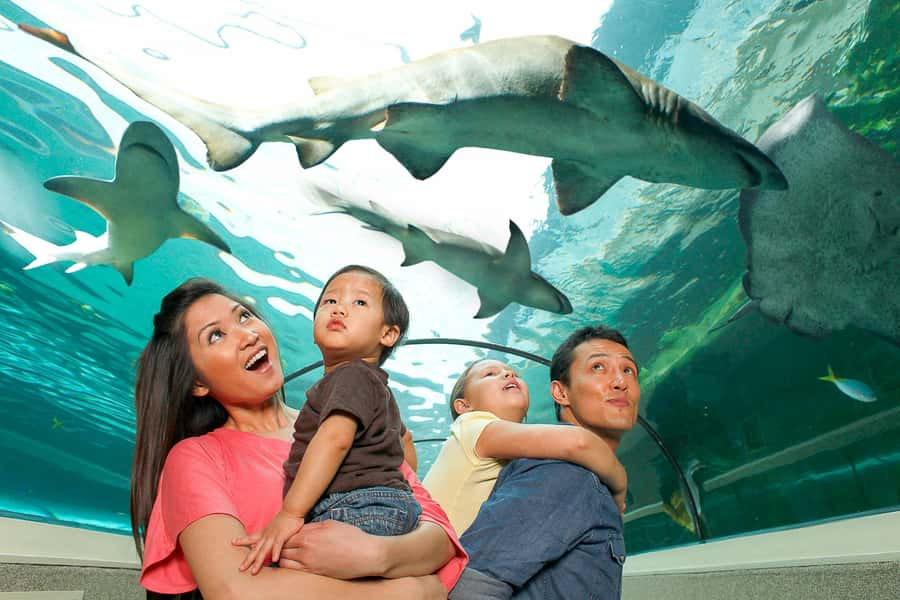
- Great Barrier Reef tunnels: Walk among sharks, rays, sawfish, and tropical fish in one of the aquarium’s most memorable sections.
- Australian wildlife: Look for dugongs, platypuses, sea dragons, turtles, and little penguins.
- Darling Harbour location: The aquarium is a short walk from the CBD and easy to combine with other Sydney sights.
- Best family appeal: Interactive displays, underwater views, and the penguin boat ride give children plenty to watch and do.
- Plan around crowds: Go early if you want more room, especially during school holidays and peak tourist times.
- One-day ticket: The admission is valid for one day, with free cancellation up to 24 hours before the visit and a reserve now, pay later option.
SEA LIFE Sydney Aquarium gives you a close look at more than 13,000 animals from about 700 species. The exact animal count and display mix can change, but the broad appeal stays the same: this is a large indoor attraction built around Australian marine life, famous ocean habitats, and creatures that are hard to see in the wild.
I find it most rewarding when you treat it as more than a rainy-day escape. The displays give you a quick introduction to Australia’s rivers, reefs, southern waters, and coastal habitats. You can enjoy the spectacle of a shark gliding overhead, then slow down to look for a shy platypus or a small seahorse.
The route is easy to follow and includes ramps and stairs. You should allow around three hours if you want to read signs, watch feeding activity, and pause at the main tanks. You can move faster, but rushing would miss much of what makes the aquarium worthwhile.
The aquarium sits on the city side of Darling Harbour, a useful location for a day in central Sydney. From the CBD, you can walk down Market Street or King Street in roughly five to ten minutes. That makes it easy to visit before lunch, after shopping, or between other central sights.
Ferries to Darling Harbour leave from Circular Quay Wharf 5 about every half hour, although you should check the current timetable before setting out. The ferry adds a pleasant harbour ride, but walking may be quicker if you are already in the city centre.
Once you reach Darling Harbour, the aquarium is close to other major attractions. You can pair it with the neighbouring wildlife attraction, but that requires a separate ticket. This can make the area useful for families who want several indoor activities in one place, though the combined cost will be higher than the aquarium ticket alone.
Parking is not especially simple if someone in your party has limited mobility. One visitor found the surrounding buildings offered little convenient designated parking, so I would check your parking plan before driving into the area.
The Great Barrier Reef display is one of the aquarium’s strongest opening sections. You see tropical fish, sharks, and sawfish moving through a large habitat designed to give you the feeling of looking into a living reef system rather than at a row of small tanks.
The underwater tunnels are the real draw. As you walk through, sharks and rays pass above and around you, which gives children a clear sense of scale. I like this part because it turns marine biology into something easy to understand: you are not just looking at an animal behind glass, you are watching how large creatures move through shared water.
The sawfish is a particularly interesting sight. It has an unmistakable long, toothed snout and can be easy to miss if you hurry. Take a few minutes here and look toward the middle and upper parts of the tank, where larger animals may pass.
The aquarium can feel crowded around the most popular viewing windows. If you arrive later in the day, you may need to wait for a clear view, especially during school holidays. Going early gives you more breathing room and makes it easier to stay at the glass without blocking the next family.
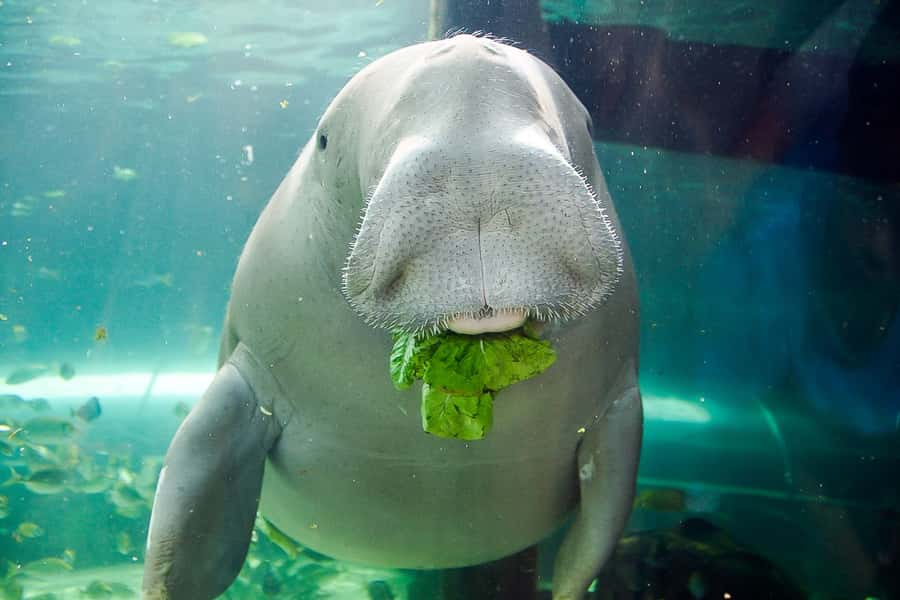
The Australian animal displays give the visit its local character. The dugong is a major attraction, and the feeding sessions can be a good reason to check the daily program when you arrive. Seeing a dugong feed helps explain the animal’s size, movement, and diet in a way a short label cannot.
The aquarium’s best-known dugong is called Pig. You may find children gathered around the habitat watching Pig move through the water, but adults often linger too. Dugongs are not animals most people see in ordinary Australian sightseeing, so this is one of the aquarium’s more distinctive encounters.
Look also for turtles and sea dragons. Sea dragons are easy to overlook because their bodies blend into plant-like surroundings. Slow down and scan the tank carefully rather than expecting every animal to be immediately visible.
The Southern Rivers section offers a chance to look for a platypus. This is a quieter experience than the shark tunnel, and the animal may be less obvious. That contrast is useful: the aquarium is not only about dramatic creatures. Some of its pleasure comes from spotting a well-camouflaged animal and learning why it is suited to its habitat.
The little penguins are one of the most consistently enjoyable parts of the visit. They are small, quick, and entertaining to watch, especially when they swim past viewing windows or move around their habitat.
A penguin boat ride has operated as part of the experience, but it is not guaranteed to be running. It has also been closed at times, so do not build your entire visit around it. If it is open, it can be especially appealing for children, but the penguin exhibit itself is still worth seeing if the ride is unavailable.
The Southern Oceans section works well for younger children because the animals are easy to watch for several minutes at a time. It also gives you a change of pace after the darker underwater tunnels and large reef displays.
The penguins are popular, which means this area can become a pinch point. If you hear that a boat ride or scheduled activity is about to begin, expect extra people nearby. I would visit the penguins early, then return later if you want a quieter look.
The CLAWS display focuses on Japanese spider crabs, among the largest crabs you are likely to see in an aquarium. Their long legs can look almost unreal, and the display adds variety after the large shark and ray habitats.
Jellyfish and seahorses provide a very different kind of viewing. Jellyfish move slowly through illuminated water, while seahorses reward patience and close attention. These exhibits are less about size and more about shape, movement, and camouflage.
You can also expect coral fish, clownfish, and other smaller reef species. Finding Nemo in its coral home is a simple but effective touch for families, particularly children who already know the character. The familiar reference can lead naturally into a closer look at real clownfish and coral habitats.
Staff may give short talks or read facts near the exhibits at different times of day. These are not part of a formal guided tour, but they can add useful context while you walk through. Since the ticket is self-guided, use the talks when you happen to find them, and rely on the displays and signs at other times.
Your ticket is valid for one day, but most people will not need a full day inside the aquarium. Three hours gives you enough time to see the main areas at a comfortable pace, stop at the popular tanks, and allow for children to pause at interactive displays.
You can finish faster if you are sightseeing on a tight schedule. I would not try to squeeze the aquarium into a hurried one-hour gap, though. The attraction is spread across several sections, and the best exhibits reward time at the viewing glass.
A longer visit makes sense if you have young children, want to attend talks, or plan to wait for a feeding session. You can also take a break elsewhere in Darling Harbour and continue your day nearby, but check the current entry conditions before assuming you can leave and return.
The attraction includes ramps and stairs. A past visitor said the route suited people who could manage both, while another person had difficulty finding lifts between levels. If you need step-free access, contact the venue before booking and confirm the current route.
The listed price is $31 per person. I consider that fair for a central Sydney attraction with thousands of animals, several major habitats, and enough content for a half day. It is particularly good value if you use the aquarium as part of a wider Darling Harbour day rather than paying for a short visit and leaving immediately.
The price feels less attractive if you have already visited several large aquariums or expect a quiet, highly specialised marine science centre. Some sections may feel dated, and the experience is designed for a broad family audience rather than serious hobbyists.
The ticket includes admission only. There is no guided tour, and extras such as the penguin boat ride may depend on daily operation. If you are comparing combination tickets with the wildlife attraction next door, calculate the total cost against the number of hours you want to spend in the area.
The booking terms are useful for changing plans. You can cancel up to 24 hours before the visit for a full refund, and the reserve now, pay later option lets you hold a place without paying immediately.
The attraction advertises skip-the-line entry, but pay attention to the type of voucher you receive. In the past, some visitors with third-party vouchers still had to exchange them or join an entry queue. A direct digital ticket may be simpler, but check the instructions attached to your own booking rather than assuming every ticket works the same way.
I would aim for the first available entry period. Early arrival gives you a better chance of seeing the shark tunnel and penguin area without a solid crowd around the glass.
School holidays, weekends, and rainy days can be busy. The aquarium is a useful indoor option when outdoor plans fail, so poor weather can bring more people through the doors. That is not a reason to avoid it, but you should expect slower movement in narrow sections.
If you cannot visit early, patience helps. Move through the less crowded exhibits first and return to the main tanks later. Staff are generally available to direct you, and short talks can help break up the route.
Check the official opening-hours page on the day of your visit. Operating hours, boat rides, feeding sessions, and other activities can change.
Families with children are the clearest match. Penguins, sharks, interactive displays, underwater tunnels, and the possible boat ride give children several different types of things to watch. The route is also manageable for a half-day outing, which matters when younger children lose patience.
Adults without children can enjoy it too, especially if you like Australian wildlife or want a weatherproof activity in the centre of Sydney. The dugong, platypus, sea dragons, Japanese spider crabs, and local reef species provide more substance than a simple collection of tropical fish.
Older visitors can take the aquarium at their own pace, though the route includes ramps and stairs. If mobility is a concern, confirm access arrangements ahead of time.
This is less suitable if you strongly dislike crowds or want a quiet, intimate museum visit. The popular displays can be busy, and the aquarium sometimes feels tight around viewing areas. It is also not a guided educational tour, so you need to read signs, attend available talks, and set your own pace.
Smoking, pets other than assistance dogs, bikes, scooters, skateboards, flash photography, and bare feet are not allowed. Unaccompanied minors are also not permitted.
I would book it if you want an easy, central Sydney activity with reliable family appeal and a strong mix of Australian animals. The penguins, dugong, platypus, and Great Barrier Reef tunnel give the visit enough variety to justify the ticket, and Darling Harbour makes the timing simple.
Go early, check whether the penguin boat ride is operating, and allow about three hours. If you have limited mobility, plan your route in advance. If you dislike crowds, avoid school holidays and rainy-day peaks.
For $31, this is a sensible choice for families, first-time Sydney visitors, and anyone who wants a break from outdoor sightseeing. I would skip it only if your schedule is very tight, you have recently visited a similar large aquarium, or you expect a specialist marine research experience rather than an accessible, family-focused attraction.
FAQ
More Aquariums in Sydney:
- SEA LIFE Sydney Aquarium Entrance Ticket
★ 3.5 · 551 reviews - Melbourne: SEA LIFE Aquarium Entrance Ticket
★ 4.4 · 589 reviews - Cairns Aquarium Admission Ticket
★ 4.5 · 534 reviews
Where is SEA LIFE Sydney Aquarium located?
It is on the city side of Darling Harbour in central Sydney. You can walk there from the CBD down Market Street or King Street in about five to ten minutes.
How long is the SEA LIFE Sydney Aquarium ticket valid?
The ticket is valid for one day. Check the available starting times and the aquarium’s current opening hours before you visit.
Is a guided tour included?
No. The ticket includes entry to SEA LIFE Sydney Aquarium, but not a guided tour. Staff may give short talks and share facts near some exhibits during the day.
A few more Sydney trips worth weighing up
- Sydney: Opera House Guided Tour with Entrance Ticket
★ 4.8 · 8,312 reviews - Sydney Opera House Official Guided Walking Tour
★ 4.5 · 3,770 reviews - Sydney: Big Bus Hop-On Hop-Off Tour with Optional Cruise
★ 4.4 · 2,697 reviews - Big Bus Sydney and Bondi Hop-on Hop-off Tour
★ 4.0 · 2,690 reviews
What animals can I see inside?
The aquarium contains sharks, dugongs, platypuses, stingrays, turtles, penguins, jellyfish, seahorses, sea dragons, Japanese spider crabs, sawfish, tropical fish, and clownfish.
Is the penguin boat ride always available?
No. The boat ride may be closed, so check its operating status when you arrive. The penguin exhibit remains part of the aquarium experience.
Can I cancel the ticket?
You can cancel up to 24 hours in advance for a full refund. A reserve now, pay later option is also available for eligible bookings.
Just added around Sydney
- sydney underwater scooter tours★ 4.5 · 74 reviews
- Taronga Zoo Sydney Wild Australia Experience★ 4.8 · 64 reviews
- Taronga Zoo Aussie Backyard Adventure★ 4.8 · 85 reviews
- Sydney: Whale Watching Cruise and Taronga Zoo Package★ 4.2 · 37 reviews
- Sydney: Spirits of the Rock and Dark Past Walking Tour★ 4.0 · 144 reviews
- Sydney: Whale Watching Adventure Cruise – Whales Guaranteed!★ 4.4 · 76 reviews
- Sydney Whale Watching Cruise with Breakfast or Lunch★ 4.4 · 340 reviews
- Sydney Harbour: Tall Ship Lunch Cruise★ 4.8 · 69 reviews
Aquariums, compared.
Aquarium Guided Twilight Tour with 3-Course Dinner
Read our review →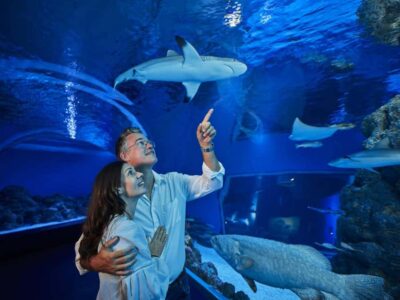
Night at the Aquarium Guided Tour & 2 Course Dinner
Read our review →
Aquarium Entry Ticket and Turtle Rehabilitation Tour
Read our review →
Browse the lists this tour appears in