
Reviewed · CAPRICORN COAST
Rockhampton: Koorana Crocodile Farm Guided Tour
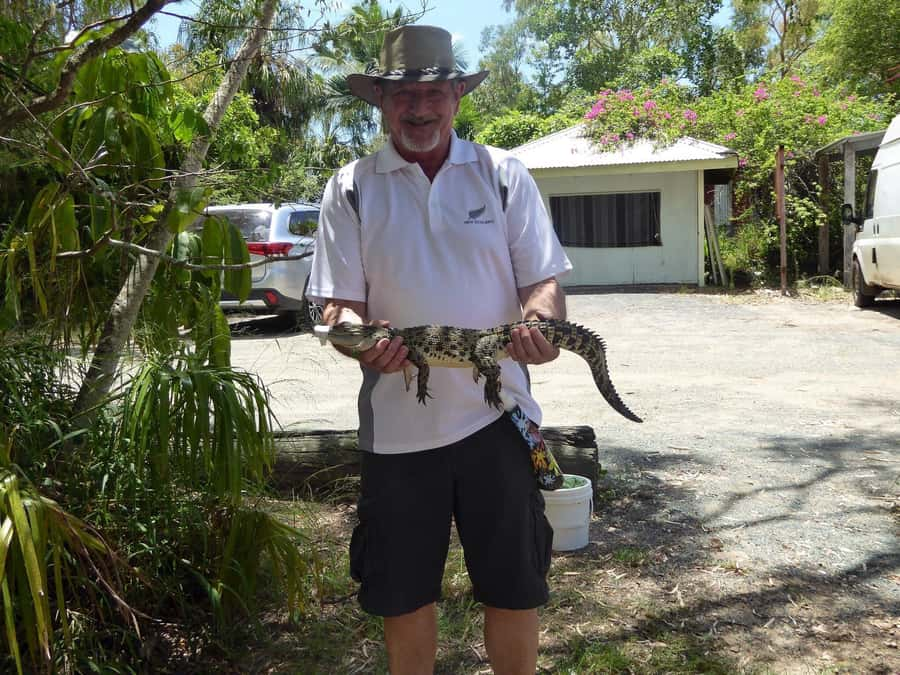
The most memorable part of this Rockhampton-area tour is the chance to hold a small crocodile for a photo, then watch larger crocodiles being fed by farm staff. It is a close look at animals that are usually seen only from a safe distance, with staff handling the risky parts.
I like the mix of practical wildlife education and hands-on fun. The video and farm walk explain how crocodiles behave, while seasonal egg collection and hatching make the visit more than a standard animal display. Guides such as Kia and Mel bring plenty of energy to the talk.
The main drawback is that this is an outdoor farm tour in a hot part of Queensland, so sun, insects, and heat can affect your comfort. The best seasonal activities also depend on timing: nest raids run from December to February, while hatching is expected from February to May.
Koorana Crocodile Farm at a glance
- Hold a baby crocodile: A supervised photo opportunity gives you a close look at a small croc.
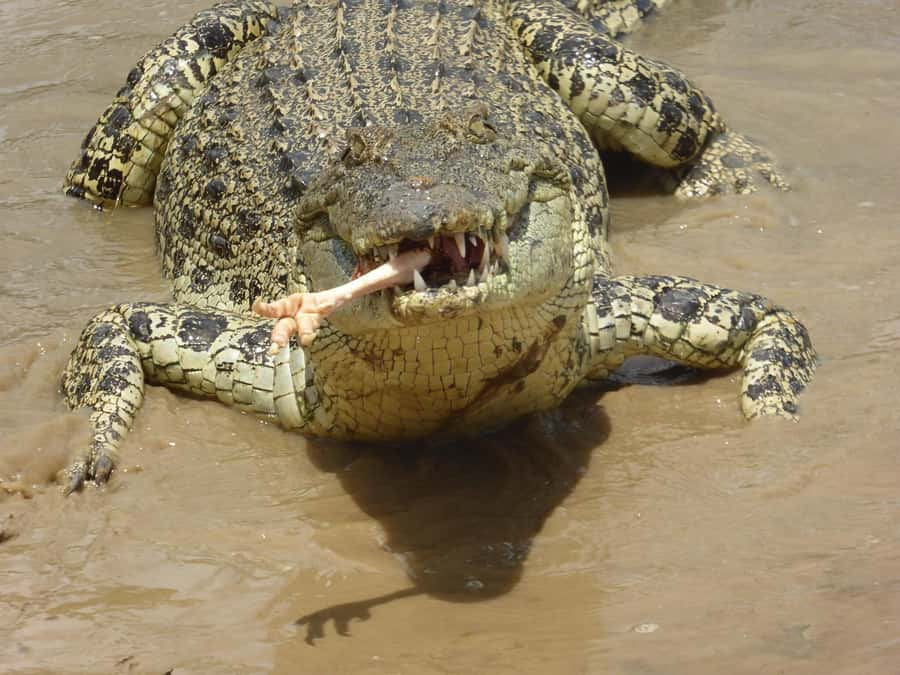
- Watch feeding time: Farm staff feed the crocodiles while the guide explains their behavior.
- See conservation and farming together: The opening talk covers both protection and commercial use.
- Look for eggs and hatchlings: December to February is the nest-collection season, with hatching from February to May.
- Learn from an active guide: Kia and Mel are among the guides praised for clear explanations, humor, and enthusiasm.
- Allow 90 minutes: The tour is focused and manageable, with enough time for talks, video, walking, feeding, and photos.
Starting with crocodile behavior and conservation
The tour begins with an introductory talk about crocodile conservation and commercialization. That combination matters. Koorana is not presented simply as a place to look at dangerous animals. You are also shown how crocodiles fit into conservation work and how a commercial farm operates.
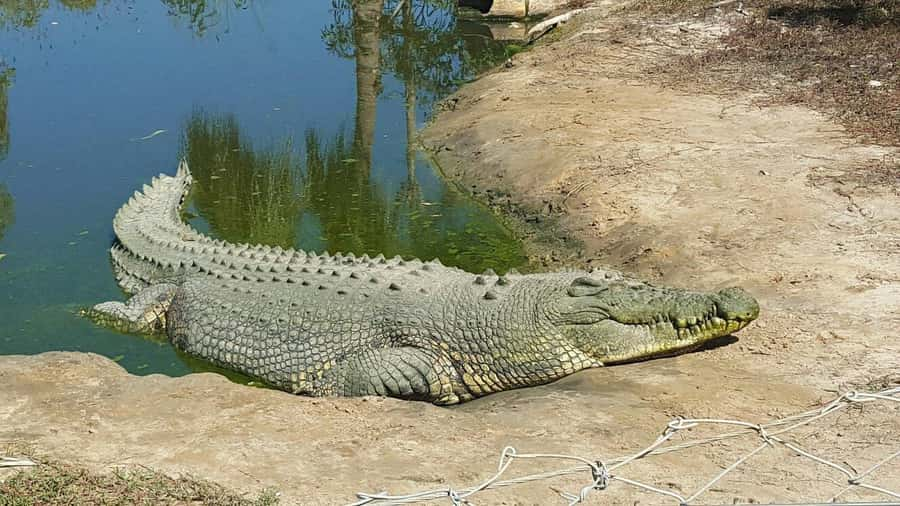
Crocodiles have a reputation for being simple killing machines. The opening discussion gives you a more useful picture. You learn about their behavior, their life cycle, and the reasons safe handling and controlled breeding matter. This sets up the rest of the visit, so the feeding session becomes more than a spectacle.
I like this start because it gives the farm context before you walk among the enclosures. If you arrive mainly hoping for a photo with a baby crocodile, you still get that moment. But you also leave with a better sense of the animal behind the photo.
The tour is conducted in English. Guides including Kia and Mel have been singled out for their enthusiasm, humor, and ability to keep the information moving. If English is not your first language, the pace can sometimes be hard to follow, so do not hesitate to ask the guide to repeat an important point.
More Crocodile Tours in Capricorn Coast:
- Litchfield National Park and Jumping Crocodile Cruise
★ 5.0 · 2,119 reviews - Solar Whisper Daintree River Crocodile and Wildlife Cruise
★ 5.0 · 1,663 reviews - Adelaide River Cruises – Jumping Crocodile Experience
★ 5.0 · 997 reviews
The video explains more than a quick farm visit can
A video presentation follows the introduction. It focuses on crocodile behavior and the farm’s history, giving you details that are difficult to cover while standing beside an enclosure.
This section is useful because crocodiles can appear motionless for long periods. A crocodile sitting still may look inactive, but the guide uses the presentation to explain what you are seeing and how crocodiles live. That background makes the later feeding session easier to understand.
The video also helps explain the farm’s place in Queensland’s crocodile industry. You get a sense of how the property developed and why crocodile farming and conservation are discussed together here.
Do not expect an elaborate museum presentation or a long classroom session. This is a short guided tour, and the video is one part of a 90-minute program. Its value comes from giving you a framework before the outdoor walk.
Walking the farm and watching the feeding
The farm walk is the central part of the visit. You move around the property with the guide and see crocodiles being fed by farm staff.
Feeding time gives the animals a reason to move, which makes it easier to observe their strength and behavior. It also lets the guide explain how crocodiles respond to food, how staff maintain a safe distance, and why a calm-looking animal still deserves respect.
Safety is treated seriously. The feeding is handled by staff, not by you, and the guide places clear attention on safe viewing. That is important for families, since children may be excited by the animals and tempted to stand too close or move quickly.
The experience is not a wildlife encounter in the sense of seeing crocodiles in a remote river. This is a working farm with managed enclosures and breeding pairs. That gives you reliable views and controlled access, but it also means the setting feels practical rather than wild.
One point to keep in mind is that the feeding can vary. The guide may build anticipation around the food, yet the crocodiles do not always create a dramatic show. You may see clear movement and feeding behavior, but you should not expect every animal to launch itself at every meal.
The baby crocodile photo opportunity
For many people, the highlight is holding a small crocodile under staff supervision. You can take a photo while the guide controls the animal and explains how to handle it safely.
This moment works because it changes your view of crocodiles. From a walkway, a large crocodile looks powerful and remote. Holding a small one lets you notice the texture, shape, and alertness of the animal at close range. It is a brief activity, not a chance to cuddle or treat the crocodile like a pet.
The photo opportunity is especially appealing for families with older children, couples, and anyone collecting unusual Queensland holiday memories. It also gives children a clear lesson in responsible handling: even a small crocodile is a wild animal, not a toy.
Children under three are not suitable for the activity, and pregnant women are listed as not suitable. The hands-on moment should also be treated as optional. You can enjoy the tour without holding the crocodile, so nobody needs to feel pressured.
Bring your camera, but keep your attention on the guide’s instructions first. The tour includes the photo opportunity, and staff help manage the encounter.
More Farm Visits in Capricorn Coast:
- Bundaberg: Monsoon Aquatics Coral Farm Guided Tour
★ 4.9 · 25 reviews - Amazing Yarra Valley Wine Tour + Chocolate, Farm Fresh, Gin
★ 5.0 · 1,566 reviews - Hidden Gems: Boutique Full-Day Wine, Farm & Lunch Tour
★ 5.0 · 881 reviews - Melbourne: Yarra Valley Wine, Choc, Farm Fresh, Gin Tour
★ 4.9 · 258 reviews
Eggs, nest raids, and the chance to see hatching
Koorana’s seasonal activities add a useful reason to return at a different time of year. From December to February, staff may carry out nest raids to collect eggs. From February to May, you may see baby crocodiles hatching.
These activities show the life cycle in a direct way. Rather than seeing only adult animals in enclosures, you can learn how eggs are collected, how hatching works, and how young crocodiles enter the farm’s breeding process.
Timing matters here. A visit outside those months does not mean the tour is incomplete, but you should not book in the hope of seeing hatchlings unless your dates fall within the stated February to May window. Even during the right months, seasonal activities depend on conditions and timing.
The egg and hatching material is one of the strongest educational parts of the tour. It gives children a simple, memorable link between the eggs they see and the baby crocodiles that emerge later. Adults also get a clearer idea of the work involved in managing a crocodile breeding program.
If this is your main reason for visiting, check the current seasonal availability before paying. The standard tour still includes the farm walk and feeding, but hatching is not a year-round feature.
Why the $28 price can be good value
The tour costs $28 per person and lasts 90 minutes. That is a reasonable price if you want a guided activity rather than a quick walk around a small animal display.
Your admission covers the introductory conservation talk, video presentation, farm walk, feeding session, and supervised photo opportunity with a small crocodile. Seasonal activities such as egg collection and hatching are included when available.
The value comes from the guide-led format. You are not simply paying to look at crocodiles. You receive explanations about behavior, conservation, commercialization, farming history, and the hatching process. A strong guide can make the same enclosures feel much more informative, and Kia and Mel have been noted for keeping the experience lively and clear.
Food and drinks are not included. Plan to eat before or after the visit, and bring water with you. One separate food comment refers to crocodile steak, but that should not be treated as part of the standard $28 tour unless the farm confirms it directly.
The 90-minute length also suits a day of sightseeing around Rockhampton and the Capricorn Coast. It is long enough to feel worthwhile without taking up half a day. If you want a large zoo with many animal species, this is not the right comparison. If you want a focused crocodile experience, the price is easier to justify.
Handling Queensland heat and outdoor conditions
Comfort makes a real difference here. Bring comfortable shoes for the farm walk, sunscreen, a hat, water, and insect repellent. The farm is an outdoor setting, and hot weather can make the talking portions feel longer.
Wear clothes that are easy to walk in and keep your water close. The guide may keep the group moving, but you should still prepare for sun exposure. A cloudy or rainy day does not automatically ruin the experience, though poor weather may make the walk less comfortable.
The practical setting is part of the appeal. You are visiting a working crocodile farm, not an air-conditioned attraction built only for short photo stops. That means you get a more direct look at the place where the animals are kept, but you also need to accept farm conditions.
This is a good activity for people who enjoy learning outdoors and are comfortable around reptiles. It may be less appealing if you dislike heat, insects, or the sight of animals being fed.
Who will enjoy this tour most
I would recommend Koorana Crocodile Farm to families with children aged three and up, couples looking for an unusual photo, and anyone curious about Australian wildlife beyond koalas and kangaroos.
The tour works particularly well for people who like a clear balance between information and action. You get a talk, a video, a walk, feeding, and a hands-on moment. None of those parts lasts long enough to dominate the whole visit.
It also suits repeat visitors to the Capricorn Coast. The standard tour may feel different in the egg-collection or hatching season, so the time of year can change what you see.
I would think twice if you want a purely wild encounter. These crocodiles live in a managed commercial farm, and the visit discusses both conservation and commercial use. That is valuable, but it may not match your expectations if you want a national park-style wildlife experience.
The language is another consideration. The tour is in English, and one account of the experience found the guide’s pace difficult to follow at times. Kia and Mel are praised for their energy and explanations, but non-native English speakers may get more from the tour by asking questions and staying close to the guide.
Booking and practical details
The tour lasts 90 minutes, with starting times available according to the date you choose. Admission includes the guided program. Food and drinks are separate.
You can cancel up to 24 hours before the activity for a full refund, and the reserve-now, pay-later option lets you hold a place without paying immediately. Those terms are useful if your Queensland plans depend on weather or changing road arrangements.
Bring:
- Comfortable shoes
- A camera
- Sunscreen
- Water
- Insect repellent
The tour is not suitable for children under three or pregnant women. The activity is conducted in English, and guides focus strongly on crocodile behavior, conservation, and the farm’s operation.
Should you book Koorana Crocodile Farm?
Book it if you want a focused, well-priced crocodile experience with a real educational purpose. The best reasons are the chance to hold a small crocodile, watch a supervised feeding, and learn how eggs and hatchlings fit into the farm’s work.
For the strongest seasonal experience, aim for December through May, with nest raids from December to February and hatching from February to May. Outside those months, the feeding session, farm walk, video, and guide-led explanations still make the visit worthwhile.
Skip it if you want a cool indoor attraction, a long wildlife safari, or a completely wild setting. For most people visiting Rockhampton or the Capricorn Coast, though, $28 buys a solid 90-minute introduction to crocodile behavior, conservation, and farming, with a memorable photo at the end.
FAQ
How long is the Koorana Crocodile Farm tour?
The guided tour lasts 90 minutes.
How much does the tour cost?
The listed price is $28 per person.
Is the tour guided?
Yes. It is a fully guided tour with a live English-speaking guide.
Can I hold a small crocodile?
Yes. The tour includes a supervised hands-on photo opportunity with a small crocodile.
Are crocodile eggs and hatchlings always visible?
No. Nest raids and egg collection take place from December to February, while hatching activities take place from February to May.
Is food included?
No. Food and drinks are not included in the tour.
What should I bring?
Bring comfortable shoes, a camera, sunscreen, water, and insect repellent.
Who should not take this tour?
The activity is not suitable for children under three or pregnant women.
Just added around Capricorn Coast
- Scooter Wildlife & Sunset Tour★ 5.0 · 21 reviews
- Self Guided Agnes to 1770 Scooter Hire★ 5.0 · 25 reviews
- 1770 Coastline Tour by LARC Amphibious Vehicle Including Picnic Lunch★ 5.0 · 72 reviews
- Rosslyn: Great Keppel Island Glass Bottom Boat Tour★ 4.5 · 54 reviews
- Yeppoon: Great Keppel Island Fast Boat Snorkel & Lunch Tour★ 4.9 · 36 reviews
- LARC! Paradise Tour: Beach, Lunch and Sandboarding★ 4.9 · 23 reviews
- From Rosslyn: Great Keppel Island Adventure Tour with Lunch★ 4.8 · 41 reviews
- From Mackay: Wallabies on the Beach Sunrise Trip★ 4.7 · 115 reviews
Crocodile Tours, compared.
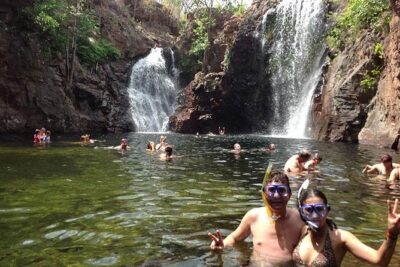
Litchfield National Park and Jumping Crocodile Cruise
Read our review →
Solar Whisper Daintree River Crocodile and Wildlife Cruise
Read our review →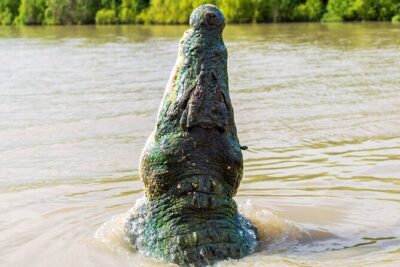
Adelaide River Cruises – Jumping Crocodile Experience
Read our review →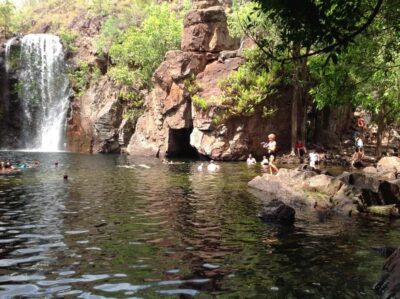
Litchfield Park Tour & Jumping Crocodile Cruise
Read our review →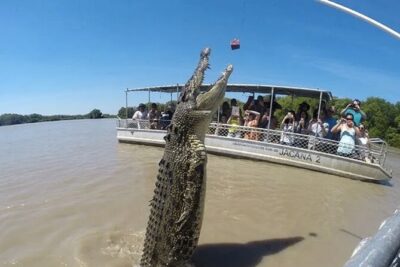
The Croc Bus to the Famous Jumping Crocodile Cruise
Read our review →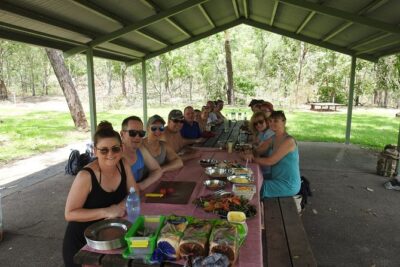
Litchfield and Jumping Crocodiles Full Day Trip from Darwin
Read our review →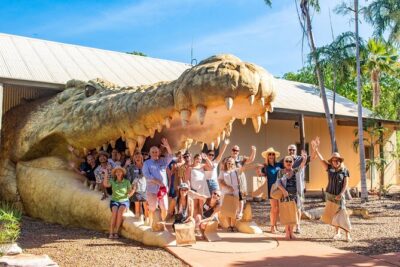
Malcolm Douglas Crocodile Park Tour Including Transportation
Read our review →
Browse the lists this tour appears in