
Reviewed · CAPRICORN COAST
Bundaberg: Monsoon Aquatics Coral Farm Guided Tour
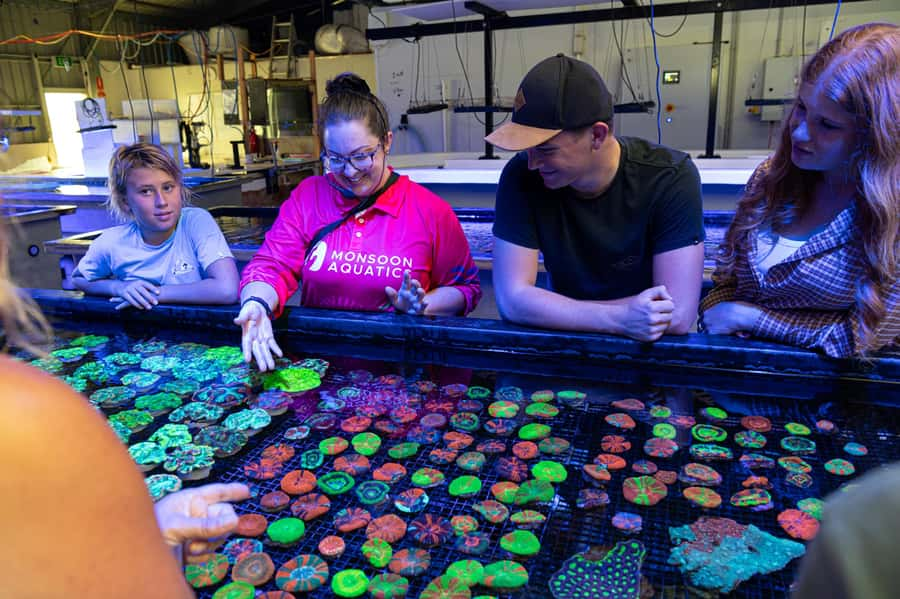
Australia’s largest coral farm is not a polished aquarium with huge display tanks. It is a working place where you can see coral being grown, fed, and studied. At Monsoon Aquatics, you get close to 70,000 corals and 200 marine species, then learn why small-scale coral cultivation matters for the future of the reef.
I like the clear conservation purpose and the guides’ lively way of explaining a technical subject. I also like the one-hour length and the $22 price, which make this an easy addition to a Bundaberg day. The main consideration is simple: if you want a big sea-life show with sweeping tanks and lots of fish, this may feel more like a lesson in a working facility than an aquarium visit.
Quick points about the Monsoon Aquatics tour
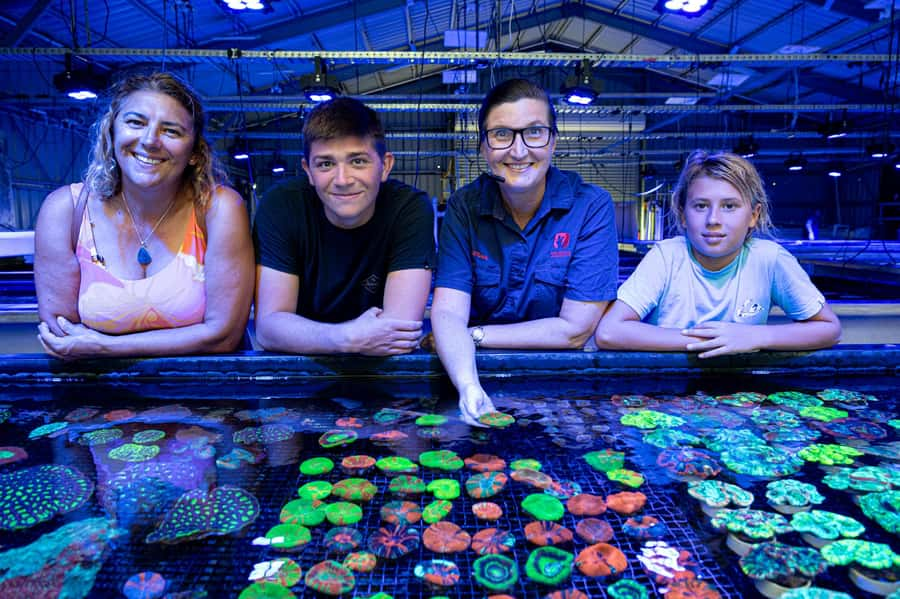
- See coral in production: Walk through a working farm with thousands of coral colonies at different stages of growth.
- Watch coral feeding: A live demonstration helps turn coral biology into something you can see rather than simply hear about.
- Learn about reef restoration: The tour explains the science and research behind coral reproduction and recovery.
- Meet the clownfish collection: The final stop is a crowd-pleaser, especially for families looking for their own Nemo moment.
- Enjoy a small-group format: The setting allows time for questions and more direct attention from the guide.
- Allow one hour near the Port of Bundaberg: The farm is about 20 minutes from central Bundaberg and welcomes visitors year-round.
What Monsoon Aquatics really is
Monsoon Aquatics is a coral farm, not a standard public aquarium. That difference shapes the whole visit.
You walk among tanks and growing systems rather than moving from one grand exhibit to another. Corals are held on small tiles and raised through different stages, so you see the practical side of coral cultivation. It is less about a dramatic underwater display and more about understanding how these animals are cared for and reproduced.
That working-farm setting is the point. You get a behind-the-scenes look at the process that usually happens out of sight. Instead of seeing only a finished coral reef display, you see the care, timing, and systems needed to produce healthy coral.
The farm holds more than 70,000 corals and 200 marine species from around Australia’s coastline. That gives the guide plenty to point out, but the experience is not designed as a free-roaming visit. Your guide leads the group and explains what you are seeing as you move through the facility.
I would set your expectations before arriving. You will see plenty of colour and variety, but you should think of the tour as an educational visit to a coral-growing operation. One particularly useful description of the experience is that it is not an aquarium-type tour. That is not a fault, but it is important when deciding if it suits you.
More Farm Visits in Capricorn Coast:
- Rockhampton: Koorana Crocodile Farm Guided Tour
★ 4.8 · 136 reviews - Amazing Yarra Valley Wine Tour + Chocolate, Farm Fresh, Gin
★ 5.0 · 1,566 reviews - Hidden Gems: Boutique Full-Day Wine, Farm & Lunch Tour
★ 5.0 · 881 reviews
Starting on the veranda near the Burnett River
The meeting point is on the veranda at Monsoon Aquatics Coral Farm. The farm sits at the Port of Bundaberg on the Burnett River, roughly 20 minutes from the centre of Bundaberg.
You can park onsite if you arrive by car or RV. Caravan parking is available outside the gate. Use Apple Maps or Google Maps rather than relying on an older car GPS, since older systems may direct you to the wrong address.
The location makes sense as part of a wider Bundaberg outing. It is not a city-centre activity, so you need to allow time to drive there and return. Once you arrive, the visit itself is compact: the guided tour takes one hour. That is long enough to learn a lot without taking over your entire day.
Wear closed-toe, non-slip shoes. This is more than a clothing suggestion. Floors may be slippery, and open-toed shoes or bare feet are not permitted. You may bring water, but food and other drinks cannot come along on the tour.
The farm has refreshments available onsite, including Bundaberg Brewed Drinks, as well as local top-grade macadamias and a gift shop. Those extras are useful before or after the tour, but they are not part of the guided experience.
Walking through 70,000 growing corals
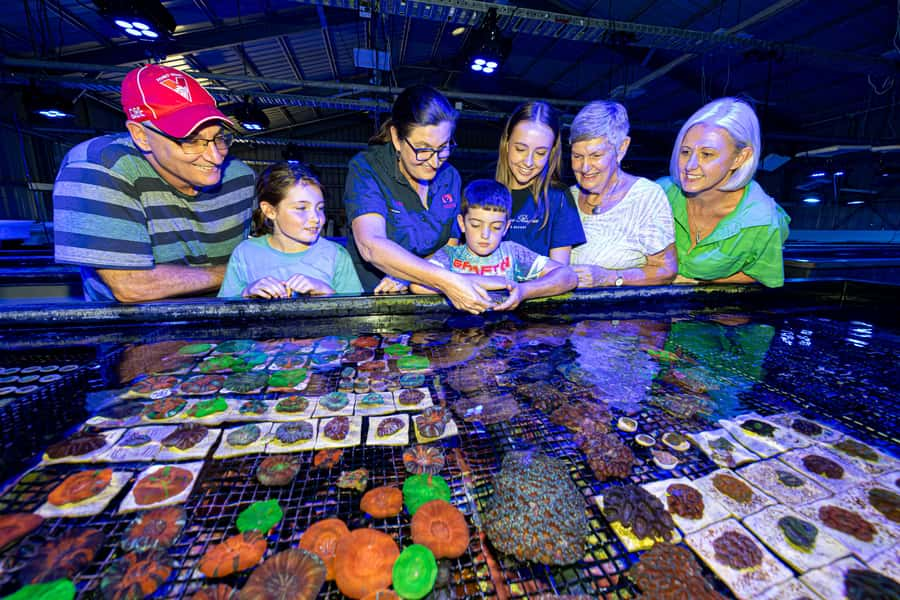
The central part of the visit takes you through the farm’s coral systems. You will see corals in different sizes and stages of growth, including pieces attached to small tiles.
This is where the tour gains its value. A finished aquarium display can make coral look like scenery. Here, you begin to understand that coral is living material that needs the right care. The guide explains how the farm grows and nurtures coral, giving you a look at the work behind reef cultivation.
The range is considerable. More than 70,000 corals are held at the facility, along with 200 marine species sourced from around Australia’s extensive coastline. That national reach gives the tour a useful Australian focus rather than presenting the reef as one uniform environment.
Pay attention to the differences between the colonies. Some may be small and still developing, while others are further along. The tanks can look repetitive if you are expecting one large showpiece, but the repetition also helps you see the scale of the operation.
This part will appeal most to people who enjoy understanding a process. You learn not only what coral looks like, but how it is produced and maintained. If you are interested in marine science, conservation, aquaculture, or the future of the Great Barrier Reef, the information has real weight.
Families can enjoy it too, provided children are happy to listen and ask questions. The guides use simple language when explaining difficult ideas, which helps younger visitors follow along. Still, this is not a play-centre visit, and very young children who need constant movement may not get as much from the quieter sections.
Watching the coral feeding demonstration
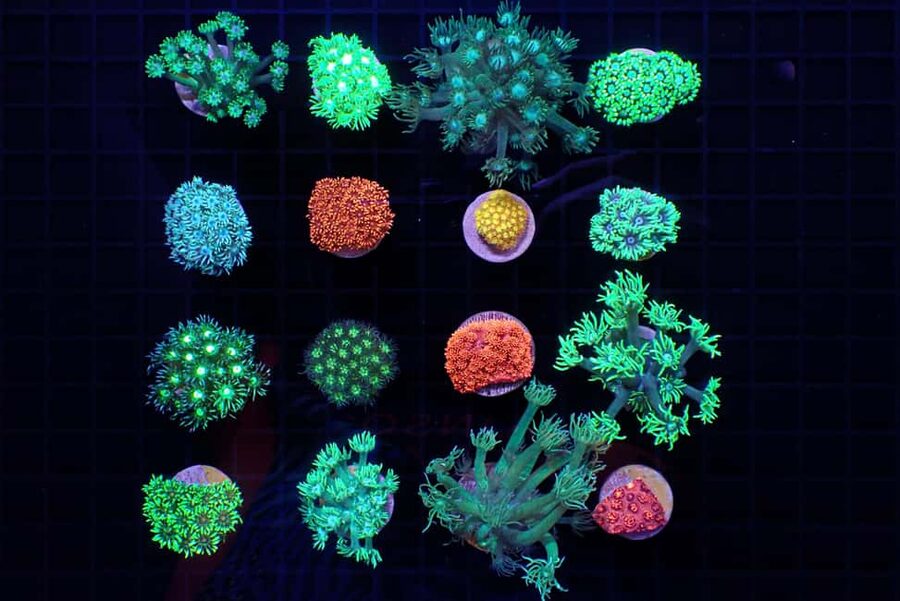
A live coral-feeding demonstration gives the tour a welcome change of pace. Rather than hearing only a talk about coral, you see the care process in action.
The feeding stop helps correct a common misunderstanding. Coral may look like rock, but it is made up of living animals. Seeing it being fed makes that fact easier to grasp, especially for children who may know coral mainly as something colourful beneath the water.
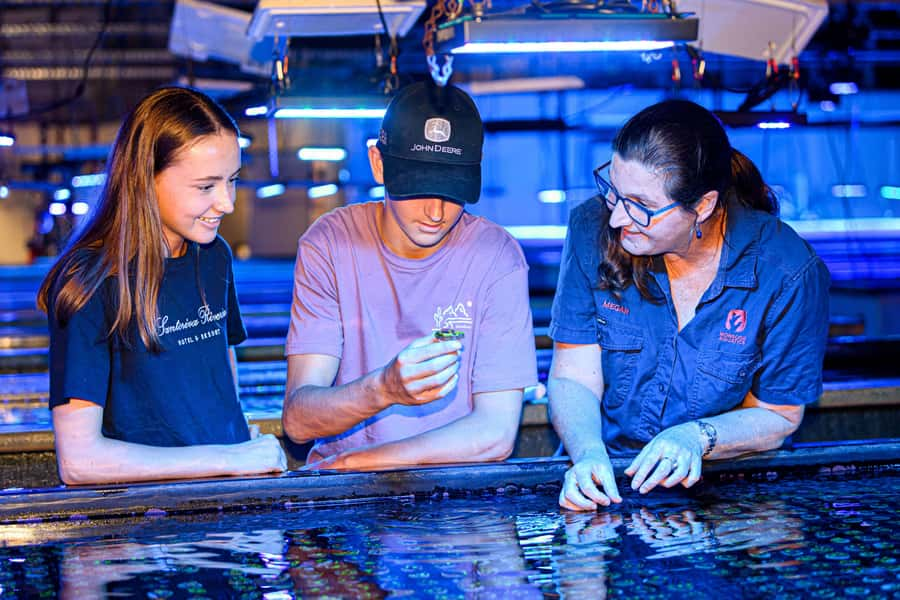
The guide explains what is happening and answers questions as the demonstration unfolds. This is one of the moments when a small, guided group matters. You are not left to read a sign from a distance, and you can ask for clarification if a term or process is unfamiliar.
The best guides make the science feel approachable rather than dry. The available feedback points to guides who were enthusiastic, attentive to children, and happy to answer questions. One guide even offered to take family photographs, a small touch that can be useful when everyone wants to appear in the picture.
No individual guide names are provided, so I would not expect a specific person when booking. What you can expect is a live English-speaking guide who leads the full tour and explains the work at the farm.
A few more Capricorn Coast trips worth weighing up
- Sydney: Opera House Guided Tour with Entrance Ticket
★ 4.8 · 8,312 reviews - Sydney Opera House Official Guided Walking Tour
★ 4.5 · 3,770 reviews - Whitsundays Guided Jet Ski Tour
★ 5.0 · 3,348 reviews - Bruny Island Food, Sightseeing, Guided Lighthouse Tour & Lunch
★ 5.0 · 2,989 reviews
Understanding coral reproduction and reef restoration
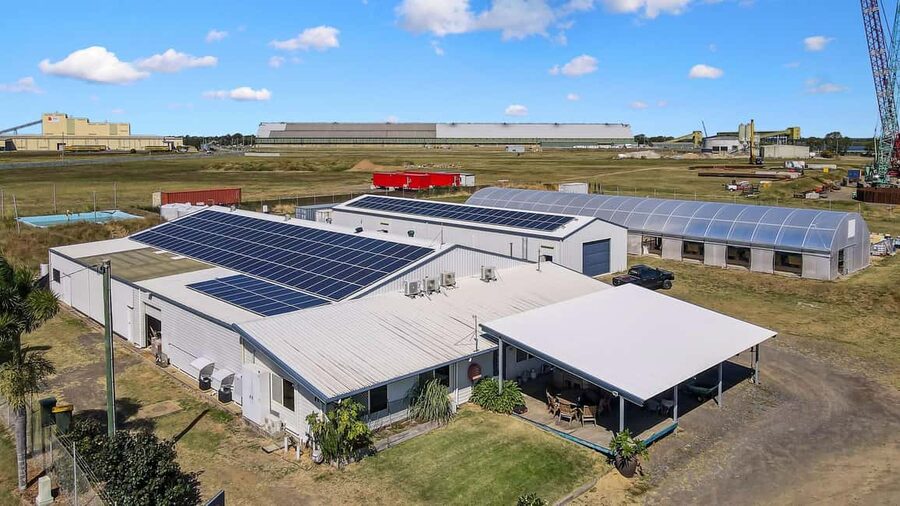
The conservation side is the strongest reason to choose this experience. Monsoon Aquatics supports coral reproduction and carries out research connected with reef restoration.
That does not mean you are visiting a reef restoration site in the ocean. You are seeing the controlled, practical work that can support wider reef recovery. The farm gives you a view of the early stages: growing coral, caring for it, and testing methods that may help restore damaged reef areas.
This matters because reef conservation can feel distant and abstract. Words such as restoration and reproduction are easy to hear without understanding what they involve. At the farm, you see that conservation also depends on patient routine work, careful monitoring, and the ability to raise healthy coral.
I appreciate that the experience leaves room for hope without pretending that the reef’s problems are solved. The farm’s work is one part of a much larger effort. The tour is most useful when you treat it as a clear introduction to that effort, not as a promise that one facility can repair the whole reef.
The educational focus also explains why the tour appeals to adults as much as children. You are not simply looking for pretty coral. You are learning why coral matters, how it can be grown, and what research may contribute to reef recovery.
Ending with clownfish and marine species
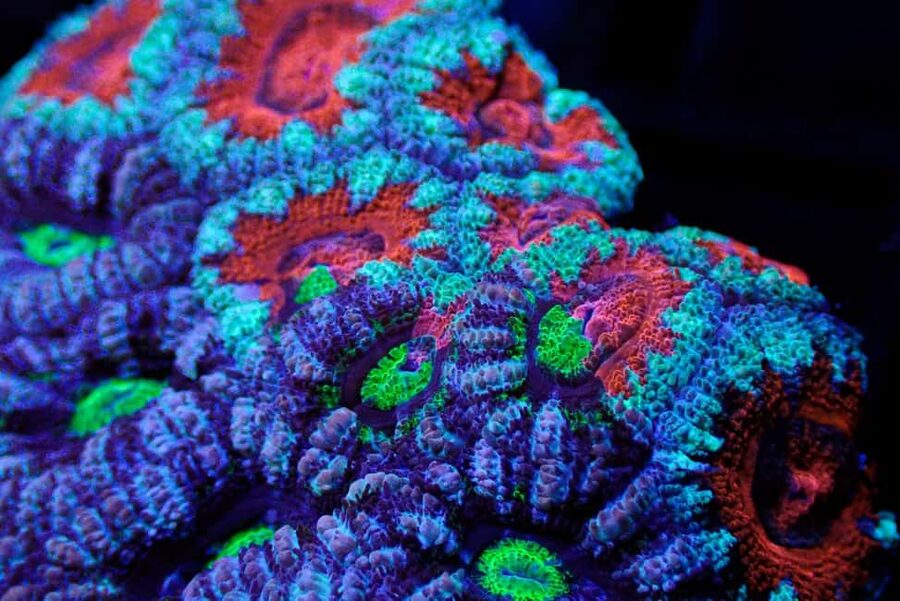
The tour finishes with the farm’s clownfish collection. This is likely to be the most instantly popular stop, especially for families and anyone who has a soft spot for clownfish.
After the more technical discussion of coral cultivation, the clownfish provide a familiar and lively finish. They also help connect the working systems to the wider reef community. Coral is not just a collection of attractive shapes. It provides habitat for marine life, and clownfish make that relationship easier to picture.
The farm houses 200 marine species in total, though the information provided does not promise a particular species list beyond the clownfish collection. You should therefore come for the overall marine-life and coral experience rather than expecting a set aquarium route with specific animals at every stop.
One fair criticism is that some visitors may want larger aquariums filled with colourful fish among fully grown coral. That is not the main purpose here. If your ideal outing involves large tanks and a theatrical display, you may prefer a traditional aquarium. If you want to see coral at different growth stages and understand how the farm operates, the collection is more rewarding.
Why the one-hour length works
One hour is a good fit for the subject. The tour gives the guide time to cover coral growth, feeding, research, and reef restoration without asking you to spend half a day in a specialist facility.
I like this length for families and for anyone building a full Bundaberg itinerary. You can pair the farm with other local plans without having to sacrifice an entire morning or afternoon. The short format also keeps the information focused.
The trade-off is that the tour cannot cover every detail. You will receive an introduction to coral farming and restoration rather than an advanced scientific course. People already familiar with coral aquaculture may want more technical depth, while newcomers should find the pace manageable.
Tours operate year-round, rain or shine. That gives you a reliable indoor activity when the weather does not cooperate, though you should still wear practical shoes for the slippery floors.
The tour is wheelchair accessible. Since the experience takes place in a working farm environment, it is sensible to confirm any personal access needs when booking, but accessibility is specifically provided for.
Getting good value for $22
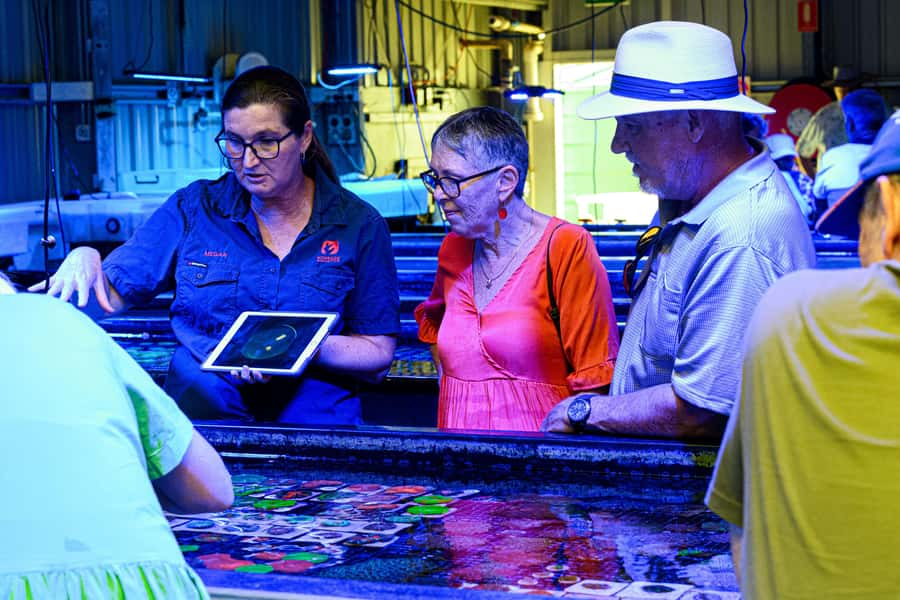
At $22 per person, this tour offers good value if you are interested in the subject. You are paying for a guided, behind-the-scenes visit rather than simply walking into a display area. The guide’s explanations, the feeding demonstration, and the conservation discussion make the cost feel reasonable.
The value is strongest for families, reef enthusiasts, and curious adults who want context. A child who loves fish but dislikes talks may not see the same value. An adult who wants to understand what coral restoration looks like in practice may find the price modest for the amount covered.
Small groups add to that value. The format gives you a chance to ask questions rather than standing at the back of a large crowd. A good guide can also adjust explanations for children and adults, which is important when a family group has mixed interests.
The tour offers free cancellation up to 24 hours before the start, and you can reserve now and pay later. Those terms make it easier to fit the visit into a changing Queensland schedule.
Who will enjoy this coral farm most
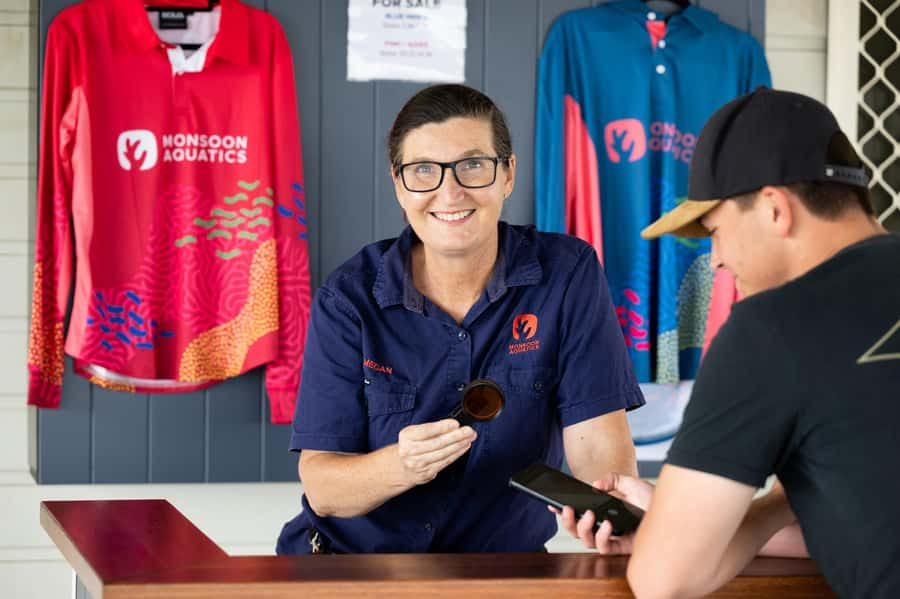
I would recommend the tour to:
- Families with school-age children who enjoy animals and hands-on learning
- Adults interested in coral, marine biology, aquaculture, or conservation
- Reef visitors who want to understand what happens behind a public display
- People looking for a one-hour Bundaberg activity with a clear educational purpose
- Visitors who appreciate small groups and the chance to ask questions
I would be more cautious if you are looking for a large aquarium show. The facility has many corals and marine species, but the focus is on growing and caring for coral. Some tanks may look simple compared with a polished sea-life attraction.
The tour also suits people who want a practical conservation story. You will not simply hear that reefs need help. You will see one way people are working with coral and learn why reproduction and careful cultivation matter.
Practical advice before you book
Plan to arrive with closed-toe shoes that have good grip. Open-toed shoes and bare feet are not allowed, and the floors may be slippery.
Bring only water into the tour. Food and other drinks are not permitted, although Bundaberg Brewed Drinks and local macadamias are available onsite.
Allow about 20 minutes to reach the farm from central Bundaberg. Check your route with Apple Maps or Google Maps, particularly if your car has an older navigation system.
Meet your guide on the veranda. The tour is conducted in English, and the farm operates in all weather throughout the year.
Take time for questions. The strongest part of this experience is the direct explanation from the guide, not simply looking at the coral. If you are visiting with children, encourage them to ask why the coral is on tiles, how it is fed, and what happens as it grows.
Should you book the Monsoon Aquatics Coral Farm tour?
Yes, if you want an informative and fairly priced look at coral cultivation near Bundaberg. The guide-led format, feeding demonstration, conservation research, and clownfish collection give the hour a clear shape. A 4.9 rating from 25 bookings also reflects the consistently strong response to the tour’s educational approach.
Book it with the right expectations. This is a working coral farm, not a grand aquarium. You will see long tanks, growing coral, and the methods used to care for marine life. That may sound modest, but it offers something many public displays cannot: a close look at the work behind reef restoration.
For $22, I think it is an easy choice for reef lovers, families with attentive children, and anyone who wants more meaning behind the colours of the Great Barrier Reef. Skip it only if you need large display tanks or a fast-moving animal show.
FAQ
How long does the Monsoon Aquatics Coral Farm tour last?
The guided tour lasts one hour.
How much does the tour cost?
The listed price is $22 per person.
Where does the tour meet?
Meet your English-speaking guide on the veranda at Monsoon Aquatics Coral Farm near the Port of Bundaberg on the Burnett River.
What should I wear?
Wear closed-toe, non-slip shoes. Open-toed shoes and bare feet are not permitted because the floors may be slippery.
Can I bring food and drinks?
Food and drinks are not allowed on the tour. You may bring water. Bundaberg Brewed Drinks, local macadamias, and a gift shop are available onsite.
Is the tour wheelchair accessible?
Yes, the activity is wheelchair accessible.
Just added around Capricorn Coast
- Scooter Wildlife & Sunset Tour★ 5.0 · 21 reviews
- 1770 Coastline Tour by LARC Amphibious Vehicle Including Picnic Lunch★ 5.0 · 72 reviews
- Self Guided Agnes to 1770 Scooter Hire★ 5.0 · 25 reviews
- Rosslyn: Great Keppel Island Glass Bottom Boat Tour★ 4.5 · 54 reviews
- Yeppoon: Great Keppel Island Fast Boat Snorkel & Lunch Tour★ 4.9 · 36 reviews
- LARC! Paradise Tour: Beach, Lunch and Sandboarding★ 4.9 · 23 reviews
- From Rosslyn: Great Keppel Island Adventure Tour with Lunch★ 4.8 · 41 reviews
- From Mackay: Wallabies on the Beach Sunrise Trip★ 4.7 · 115 reviews
Farms, compared.

Amazing Yarra Valley Wine Tour + Chocolate, Farm Fresh, Gin
Read our review →
Hidden Gems: Boutique Full-Day Wine, Farm & Lunch Tour
Read our review →
Rockhampton: Koorana Crocodile Farm Guided Tour
Read our review →
Hidden Gems Margaret River: Authentic Wine & Farm Experience
Read our review →
Incredible Islands Tour – Horizontal Falls & Cygnet Bay Pearl Farm
Read our review →
Cygnet Bay Pearl Farm Behind-the-Scenes Tour & Live Harvest
Read our review →
Browse the lists this tour appears in