
Reviewed · PORT ARTHUR
Port Arthur Historic Site [official]
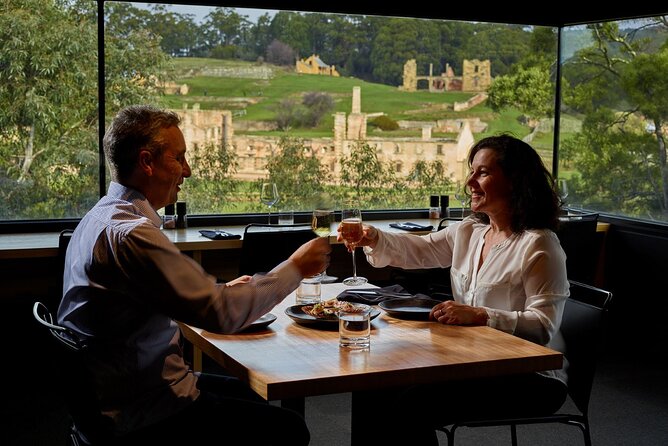
Port Arthur’s power comes from the contrast: carefully tended gardens and quiet water surround the remains of a harsh convict settlement. You can walk through more than 30 buildings and ruins, then take a short harbor cruise past the Isle of the Dead and Point Puer Boys Prison.
I like the freedom to set your own pace, and I like the mix of audio, live talks, museum displays, and open-air ruins. The main catch is size: this is a 100-acre site, and a quick visit will leave plenty unseen. Wind and rain can also make the outdoor talks hard to hear.
Key points to know before you go
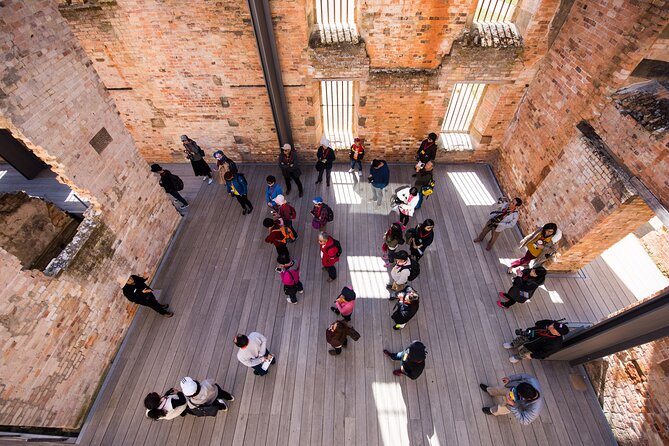
- More than 30 historic buildings and ruins: Explore prison buildings, officers’ homes, dockyards, gardens, and the old asylum.
- A useful 2-day pass: You can return on two consecutive days, which is good value if you want the talks, museum, trails, and gardens without rushing.
- The 20-minute harbor cruise is included: You’ll see Port Arthur from the water, with views toward the Dockyards, Point Puer, the Isle of the Dead, and Tasman National Park.
- Audio and live talks add context: Start with the self-guided audio tour, then fit in the free talks at selected buildings.
- Bring proper walking shoes: The grounds are broad, and some steps can be slippery.
- Allow at least half a day: Three hours is possible for a brisk visit, but a fuller experience takes five to eight hours or a second day.
Why Port Arthur still feels so immediate
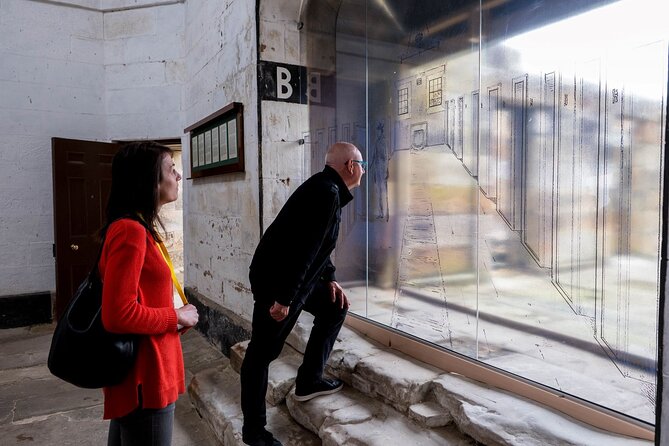
Port Arthur is not just a collection of old walls. It was a working penal colony, and the layout helps you understand how the place functioned. The prison, dockyards, hospital, homes, gardens, water system, and cemetery were all part of one controlled settlement.
You can stand in a cell block, walk past the remains of the Separate Prison, see where officials lived, and then follow paths through lawns and trees. The setting is peaceful now, but that calm makes the stories harder to shrug off. The site’s beauty and its purpose sit side by side.
The 2-day entry price is listed at $38.01 per person. That is a solid value if you use the included features: entry to the grounds, the audio experience, daily site talks, museum access, and harbor cruise. It is less compelling if you only have time for a fast walk and a few photographs.
The ticket is also a practical choice for families, history enthusiasts, and anyone who dislikes being pushed through a fixed schedule. You decide which talks to attend and how long to spend in the museum, gardens, or ruins.
More History Tours in Port Arthur
- Port Arthur Historic Site Admission and Tour Options
★ 4.8 · 509 reviews - Tasman Island Cruises and Port Arthur Historic Site Day Tour from Hobart
★ 5.0 · 477 reviews - Tasman Peninsula Tour, Cruise & Port Arthur Historic Site
★ 4.9 · 339 reviews
Start at the Visitor Centre, then get your bearings
Your visit begins at the Port Arthur Historic Site Visitor Centre. Pick up the site map and take a few minutes to understand the layout before walking into the grounds.
I recommend starting with the self-guided audio tour. It gives you the basic story of the settlement and helps put the buildings in order. Without that background, it is easy to see Port Arthur as a series of attractive ruins without understanding what each part did.
The audio format also lets you control the pace. You can pause while taking photographs, move ahead when a section interests you, or spend more time in the areas that feel most important to you.
The grounds are extensive, so do not treat the opening hour as wasted time. A quick look at the map can save you a great deal of backtracking. If you have only one day, note the times of the complimentary site talks before setting off.
The harbor cruise gives Port Arthur a different shape
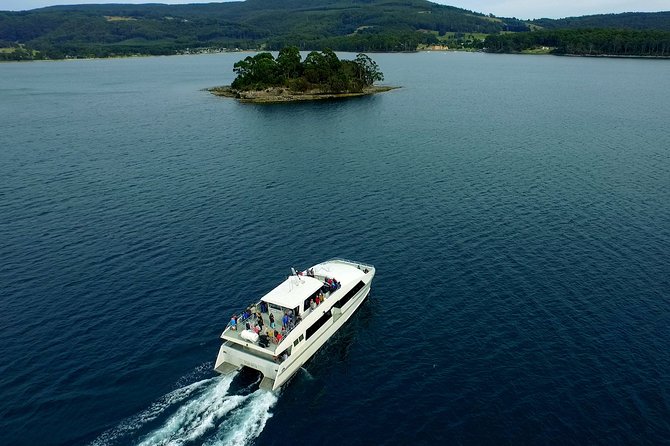
The included cruise aboard the MV Marana lasts about 20 minutes. It is short, but it earns its place because Port Arthur was tied to the water. From the shore, you see individual buildings. From the boat, you see how the settlement occupied the harbor.
The cruise includes narration and views of the Dockyards, Point Puer Boys Prison, the Isle of the Dead Cemetery, and Tasman National Park. It is a calm way to pause after walking, and it gives you a better sense of the site’s position on the Tasman Peninsula.
Do not expect a long sightseeing voyage. This is a compact harbor trip, not a separate full-day boat excursion. Some people find it a pleasant and informative addition, while others feel the short ride adds less than the buildings and museum do.
I would still include it, especially on a first visit. It is already part of the entry price, and the water view helps explain why the settlement developed where it did.
The Dockyards show the colony as a workplace
The Dockyards are among the most useful places for understanding Port Arthur as an industrial settlement. Prisoners built ships here in the 1830s, producing vessels that required skill, labor, and strict control.
The site includes a soundscape that recreates the busy yard with voices and working sounds. That feature gives the ruins a stronger sense of use. You are not only looking at stones and foundations. You are being asked to picture the noise, labor, and organization that once filled the area.
This section works well for visitors who want more than stories about punishment. Port Arthur was also a place of production. Convict labor supported transport, construction, food supply, and the wider colonial system.
The Dockyards are open-air, so weather matters. Strong wind can make spoken information difficult to hear, and there is limited shelter across much of the site. Dress for changeable conditions rather than relying on a sunny forecast.
A different sort of day out, same corner of Port Arthur:
- From Port Arthur: Tasman Island Wilderness Cruise
★ 4.9 · 704 reviews - Port Arthur Full-day Guided Tour with Harbour Cruise and Tasman National Park
★ 4.5 · 585 reviews - Hobart: Port Arthur & Tasman Park Full-Day Trip with Cruise
★ 4.6 · 442 reviews - Port Arthur and Tasman Sights with Harbour Cruise
★ 5.0 · 352 reviews
Follow the Convict Water Supply Trail

The Convict Water Supply Trail adds another layer to the visit. It shows how basic needs were handled in the settlement, including the systems connected with flour production.
This is the sort of detail that can be missed if you stick only to the most famous buildings. Water and food processing tell you how the colony operated day after day. They also show how much labor was needed to keep a remote penal settlement running.
The trail is part of the wider walking experience, so you will want comfortable footwear. The site covers about 40 hectares, and the walking can add up even if no single section seems difficult.
If you are visiting with children, this route can help turn the visit into a practical investigation. Ask them to look for how water, food, work, and housing fit together. Port Arthur becomes easier to understand when you see it as a system rather than a set of separate attractions.
Visit the Museum and Convict Study Centre
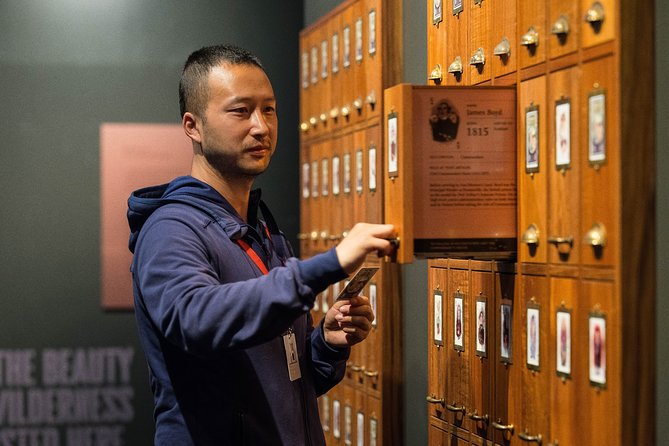
The Museum and Convict Study Centre are the best places to slow down and add detail to what you have seen outdoors. Displays explain convict life, the settlement, and the people connected with it.
A particularly useful feature is the prisoner database. You can check to see if an ancestor appears in the records. The data may not produce a personal connection for everyone, but the possibility gives the museum a clear purpose beyond general reading.
I would visit the museum after the audio tour and some time among the ruins. By then, the names, buildings, and work systems have begun to make sense. The indoor displays can then fill in details that the open-air visit cannot provide.
The museum is also a good fallback in poor weather. Port Arthur operates in all weather conditions, but rain or cold can make long outdoor walks tiring. Use the indoor spaces as part of the plan rather than treating them as an emergency option.
Compare the prison buildings with the officers’ homes
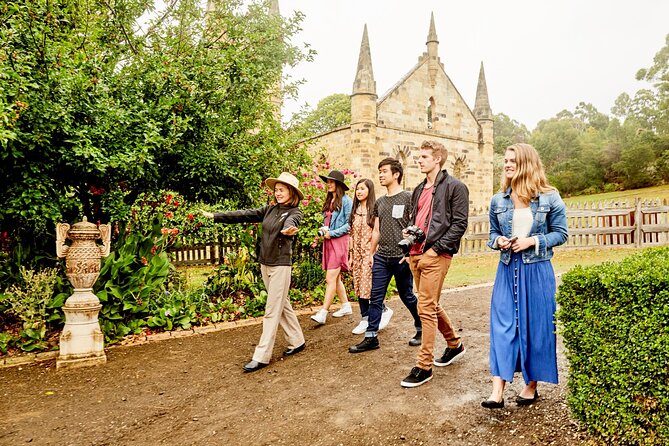
The old Asylum provides more information about convict life and the treatment of prisoners. It helps you consider the settlement from the institutional side, where discipline, care, punishment, and administration overlapped.
Then compare it with the Commandant’s House and Junior Medical Officers House. These buildings show how the staff and officers lived. The contrast is central to the Port Arthur experience. You are not only learning what prisoners endured. You are also seeing the social order that separated officials from the people under their control.
This comparison is one of the strongest reasons to take your time. A fast visit can reduce the site to a general story of hardship. Moving between prison buildings and officers’ homes gives you a more precise idea of daily inequality.
The complimentary site talks can make these buildings more memorable. Try to attend as many as your schedule allows, but leave room to explore independently. Live talks add human explanation, while the audio tour lets you linger where you choose.
One practical warning: outdoor talks can be affected by wind. If you cannot hear the guide clearly, move closer and consider returning to the same building later.
The Isle of the Dead and the memorial garden
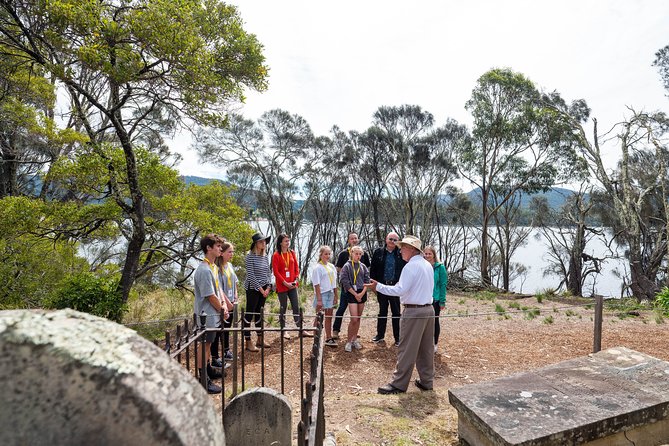
The Isle of the Dead Cemetery is visible during the harbor cruise, and the water view gives it a quiet separation from the main site. The cruise narration explains its place in the settlement’s story.
The memorial garden connected with the 1996 Port Arthur massacre is a separate emotional layer. The garden is designed as a quiet place of remembrance, and it deserves a slower visit than a quick photograph. Many people find the memorial especially moving because it is restrained rather than showy.
You should know that Port Arthur is not only an early convict-history site. The 1996 tragedy is part of its modern story, and the memorial changes how the grounds feel. I recommend allowing time for reflection instead of trying to fit it between two hurried stops.
The memorial and the convict buildings create very different kinds of sadness. One looks back to colonial punishment and forced labor. The other remembers a much more recent loss. Both need respectful attention.
How long should you allow?
The official visit can be completed in about three hours, but that is a brisk approach. You will need to choose carefully among the museum, audio tour, live talks, harbor cruise, trails, and buildings.
For a useful first visit, allow at least half a day. That gives you time for the audio experience, the cruise, several buildings, and some of the museum. Add more time if you want to read displays carefully or walk the gardens.
The 2-day pass makes sense if you are staying nearby or want to explore without a strict schedule. One day can cover the major elements, but two days allow you to return for talks you missed, walk at a gentler pace, and see more of the grounds.
Some people can manage the essentials in one day. If you are interested in family history, architecture, convict administration, or the gardens, you will probably appreciate the extra time.
Walking, food, weather, and practical comfort
Wear good walking shoes. The grounds are large, some steps can be slippery, and the mix of paths, ruins, gardens, and buildings calls for steady footwear.
There is limited cover from bad weather, so bring clothing suited to the forecast. A warm, dry day makes the site easier to enjoy, but very wet or windy conditions can affect the talks and reduce the comfort of the outdoor sections.
Plan your food stop before you get hungry. The site includes a café where you can get coffee and a sandwich, but the grounds are spread out. If you wait until you are far from the food area, returning may cut into your sightseeing time.
The experience suits people with a moderate level of physical fitness. Children must be accompanied by an adult. Service animals are allowed, and the site is near public transport, though the information provided does not specify transport schedules.
The activity can accommodate up to 500 people. That sounds large, but the grounds spread visitors across many paths and buildings. Your experience will still depend on how busy the day is, especially around the Visitor Centre, talks, and cruise departure.
Who will get the most from this pass?
I recommend it most strongly to anyone with an interest in Australian colonial history, family records, architecture, gardens, or outdoor museums. It also works well for families who prefer to mix walking with short talks, displays, and a boat ride.
The flexible format is useful for independent visitors. You are not locked into one guide or one route, and you can choose how much detail you want. The audio tour gives you structure, while the map and free talks let you adjust the day.
You may want to think twice if you have only an hour or two, dislike walking, or want a fully guided tour from start to finish. The included audio and talks provide help, but much of the visit is self-directed.
The separate ghost tour is not guaranteed to run every day. If that evening activity matters to you, check availability before arriving rather than assuming it is part of the daytime pass. It has a different tone from the main historic visit and should be treated as an optional extra.
Is the $38.01 pass good value?
For one person, $38.01 is fair when you use the major inclusions. You receive entry for two consecutive days, the harbor cruise, audio tour, daily site talks, access to the museum and Convict Study Centre, and the broad collection of historic buildings and ruins.
The pass offers particularly good value for a slow visit. You can spread the walking over two days, return to a building that caught your attention, and avoid turning a serious historic site into a rushed checklist.
It is less useful if your schedule allows only a short stop. In that case, you may see the key ruins and take the cruise, but you will not get the full benefit of the museum, talks, trails, and gardens.
If you arrive by cruise ship, check what your ship excursion already includes. The entry may already be covered, and purchasing a second ticket could leave you paying mainly for the harbor cruise. This is an important comparison before booking.
Should you book the Port Arthur pass?
Yes, if you can allow half a day and want to understand one of Tasmania’s major historic places rather than simply photograph it. Start with the audio tour, take the harbor cruise, attend the short site talks, and leave time for the museum and memorial garden.
Book the 2-day option when you are staying on the Tasman Peninsula or want a relaxed visit. Choose a shorter visit only if your schedule is tight and you are comfortable seeing fewer buildings.
The pass is not a thrilling amusement-style outing. It is a thoughtful, sometimes sad walk through a place where the gardens are beautiful and the past is difficult. For many people, that tension is exactly what makes Port Arthur worth the trip.
FAQ
Where is Port Arthur Historic Site?
Port Arthur Historic Site is on the Tasman Peninsula in southeastern Tasmania, about a 90-minute drive southeast of Hobart.
How much does the pass cost?
The listed price is $38.01 per person.
How long is the experience?
The visit can take about three to eight hours, depending on your pace and how many buildings, talks, trails, and museum displays you include.
How long is the pass valid?
The entry pass is valid for two consecutive days.
Is the harbor cruise included?
Yes. The pass includes a narrated cruise of about 20 minutes aboard the MV Marana.
What can I see from the boat?
The cruise provides views of the Dockyards, Point Puer Boys Prison, the Isle of the Dead Cemetery, and Tasman National Park.
Is an audio tour included?
Yes. A self-guided audio experience is included with entry.
Are live guided talks available?
Yes. Complimentary site talks take place throughout the day at selected parts of the historic site.
Does the pass include the museum?
Yes. Entry includes the Museum and Convict Study Centre, where you can learn more about convict life and search the prisoner database for possible ancestors.
What should I wear?
Wear sensible walking shoes and dress for all weather conditions. Some steps can be slippery, outdoor areas have limited cover, and strong wind can make talks difficult to hear.
Just added around Port Arthur
- Port Arthur Historic Site Ghost Tour★ 4.2 · 173 reviews
- Port Arthur: Cape Raoul Wilderness Cruise★ 4.8 · 80 reviews
- Hobart: Port Arthur, Harbor Cruise and Isle of the Dead Tour★ 4.8 · 157 reviews
- Port Arthur Shuttle and Tasman Sights Tour★ 4.8 · 283 reviews
- Tasman Peninsula Tour, Cruise & Port Arthur Historic Site★ 4.9 · 339 reviews
- Tasman Peninsula Day Trip with Cruise & Devils from Hobart★ 4.9 · 226 reviews
- Port Arthur and Tasman Sights with Harbour Cruise★ 5.0 · 352 reviews
- Tasman Peninsula Wilderness Cruise from Port Arthur★ 5.0 · 285 reviews
Historical Tours, compared.

Ultimate Melbourne Walking Tour: History, Laneways & Culture
Read our review →
Puffing Billy Railway: Heritage Steam Train Journey
Read our review →
Morning World Heritage Cruise on the Gordon River from Strahan
Read our review →
World Heritage Cruise on Gordon River with Lunch
Read our review →
Experience History onboard The Mary Valley Rattler
Read our review →
Snorkel & Dive the Reef: Sustainable, Scientific & Cultural Tour
Read our review →
Derwent River Historic Harbour Cruise From Hobart
Read our review →Browse the lists this tour appears in