
Reviewed · MELBOURNE
Melbourne Laneways Tour
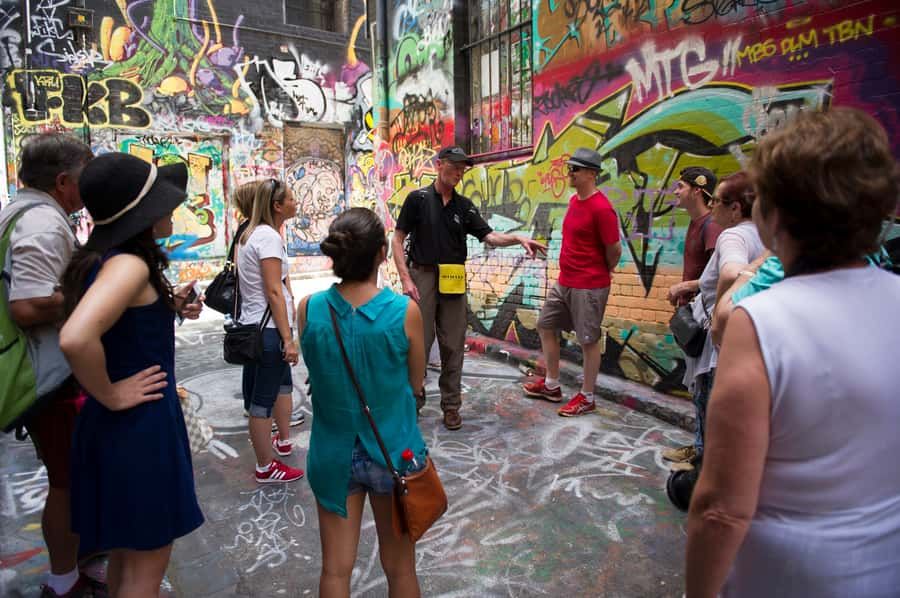
Melbourne’s laneways are more than narrow streets covered in paint. They are small stages where street art, old warehouses, cafés, arcades, galleries, and city legends sit side by side. This three-hour walk gives you the stories and local direction needed to notice the details you would likely miss alone.
I like the small groups of up to 10, which make it easier to hear the guide and ask questions. I also like the mix of street art and serious city history, from the gold rush to the growth of modern Melbourne. The main consideration is simple: this is a walking tour, and you will cross streets and small lanes, so comfortable shoes and steady attention matter.
- Street art beyond the famous walls: Look for small works, Space Invader pieces, Banksy references, and artists at work.
- Guides with strong local personalities: Kathy, San, John, Sam, and Katie have all led tours praised for clear storytelling and warm conversation.
- History built into the walk: Learn how Melbourne grew from a gold-rush city and how its lane system developed.
- A useful coffee stop: The included café break gives your feet a rest and adds a familiar Melbourne ritual.
- Good first-day orientation: You finish with practical ideas for restaurants, bars, galleries, shops, and places to return to.
- A genuine small-group format: Limited numbers can make the walk feel personal, and on some dates the group may be much smaller.
Starting at St Paul’s Cathedral
The meeting point is on the front walkway of St Paul’s Cathedral, at the corner of Flinders Street and Swanston Street. Look for the guide between the main Flinders Street entrance and the side door on Swanston Street. The guide carries a blue bag with a yellow sash, a useful detail in a busy city-center meeting area.
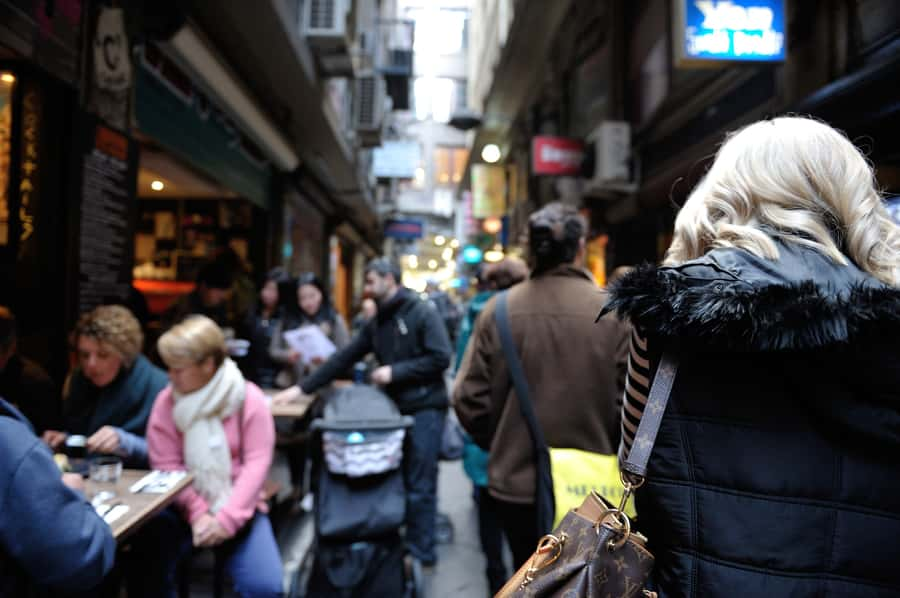
The location is a smart starting point. You are near major streets, trams, grand buildings, and the central part of Melbourne’s old city grid. From here, the tour can quickly shift from the formal face of Melbourne to the narrow lanes and small passages that give the city its character.
Your guide speaks English and leads the walk in a small group. The company uses several guides, including Kathy, San, John, Sam, and Katie. Their styles differ, but the strongest pattern is clear: the tour depends heavily on the person leading it. Kathy is known for enthusiastic storytelling and detailed recommendations. San brings strong knowledge of history and architecture. John is praised for his clear voice, humor, and steady pace.
Finding the Melbourne you can miss alone
The best part of this experience is the way a guide changes your attention. On your own, you may see a painted wall, an old façade, or a narrow passage and simply keep walking. With a guide, that same place becomes a clue to how Melbourne was built and how its culture changed.
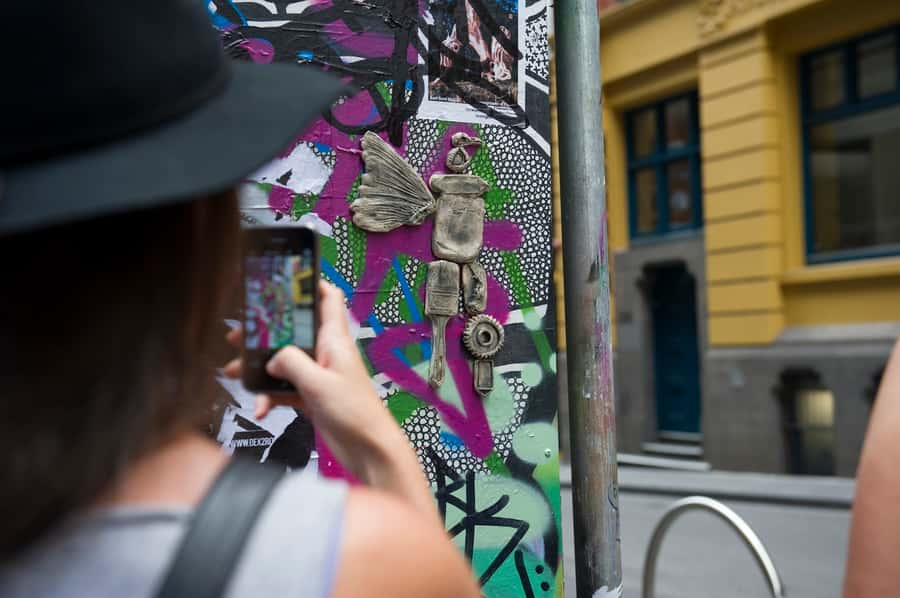
The walk includes street art, galleries, shops, cafés, arcades, and older buildings. You are not limited to the most photographed painted lane. The guide can point out smaller works and less obvious corners, including Space Invader art and Banksy references mentioned during the walk. You may also encounter an artist working on a piece, which gives the art a more immediate, changing quality.
Do not expect every wall to look the same on every visit. Street art changes, disappears, and gets painted over. That is part of the point. The guide helps you understand the laneways as working parts of the city, not as a fixed outdoor museum.
You may also hear about artists, cafés, restaurants, and bars that are easy to overlook. The tour is especially useful if you want more than photographs. Keep a note on your phone as you walk, since several recommendations can arrive quickly.
A few more Melbourne trips worth weighing up
- Melbourne: 2-Hour City Highlights River Cruise
★ 4.1 · 1,804 reviews - Spirit of Melbourne Dinner Cruise on the Yarra River
★ 4.5 · 1,470 reviews - Ultimate Melbourne Walking Tour: History, Laneways & Culture
★ 5.0 · 1,451 reviews
How the history fits between the murals
This tour treats Melbourne’s lanes as part of the city’s development, not just as a backdrop for photographs. You will hear about Melbourne’s gold-rush period, urban growth, architecture, and the origins of the laneway system.
That broader setting gives the walk its real value. A grand building tells one story from the main street, while the lane behind it may reveal how the city worked day to day. The contrast between formal architecture and informal street art helps explain why Melbourne feels both polished and experimental.
The guide may connect old buildings with newer creative uses, showing how galleries, shops, cafés, and studios occupy spaces that once had more practical or industrial roles. The exact route and examples can vary, but the central idea remains consistent: Melbourne’s character is found in the overlap between old structures and new uses.
I particularly like this approach for visitors who want a city introduction without spending three hours inside a museum. You are outside, moving through real streets, while still getting a useful framework for understanding Melbourne.
The coffee stop and the rhythm of the walk
Coffee is included, and it is more than a small extra. Melbourne takes its café culture seriously, so a café stop fits the subject rather than feeling tacked on. It also breaks up the walking and gives you a chance to sit, refresh, and talk with the guide.
The exact café is not specified, so you should not book this expecting a particular famous venue. Think of it as a practical pause and a taste of the city’s café routine. John has been praised for choosing a good coffee place, while other guides have been appreciated for making the stop part of an easy, unhurried morning.
The pace appears designed for conversation and observation rather than a forced march. One guide has been praised for waiting while people linger, and another for keeping the group moving at a comfortable speed. Still, you should wear suitable footwear. Three hours on city pavements, with repeated stops and turns, is not difficult for most people, but it is not a seated sightseeing activity.
Why the small group matters
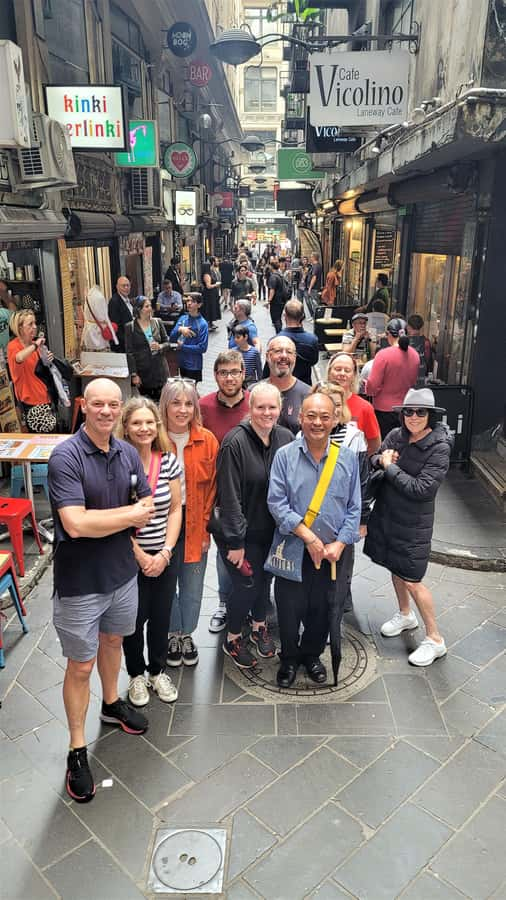
The group limit is 10 people. That number matters in laneways, where a large crowd can block a passage, scatter around a painting, or make conversation difficult.
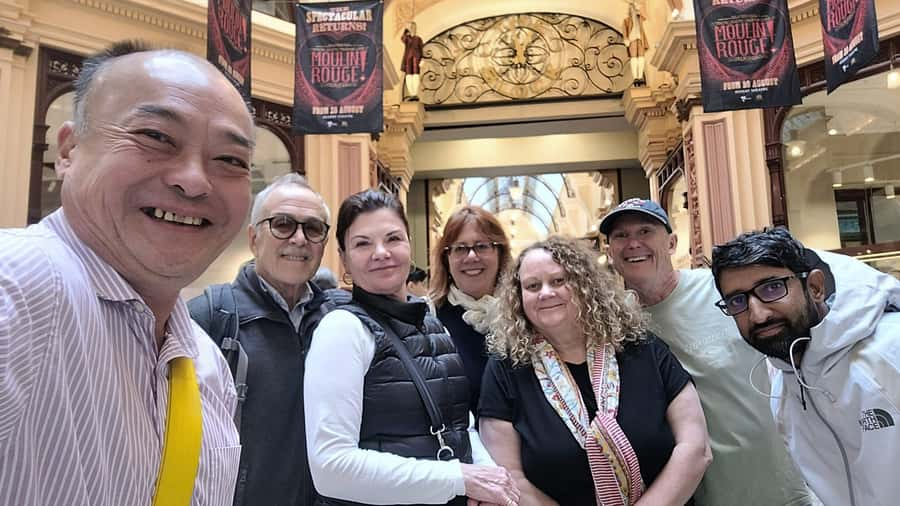
A small group also gives you a better chance to ask about places you notice. Guides have been praised for answering questions, taking group photographs, adjusting the pace, and offering suggestions for the rest of a Melbourne visit. On quieter dates, the group can be much smaller. One booking even resulted in a private-feeling walk with only one participant.
The tradeoff is that the quality of the experience depends partly on your guide and the mix of people in your group. The available guide names include Kathy, San, John, Sam, and Katie, and each brings a different manner. The consistent strength is local knowledge, but you should expect a conversational walking tour rather than a scripted performance.
A different sort of day out, same corner of Melbourne:
- Melbourne: Puffing Billy & Healesville Sanctuary Scenic Tour
★ 4.7 · 1,220 reviews - Puffing Billy Railway: Heritage Steam Train Journey
★ 4.6 · 1,195 reviews - Melbourne: Yarra River Sightseeing Cruise
★ 4.2 · 889 reviews - Melbourne: Melbourne Cricket Grounds (MCG) Guided Tour
★ 4.7 · 812 reviews
A useful first activity in Melbourne
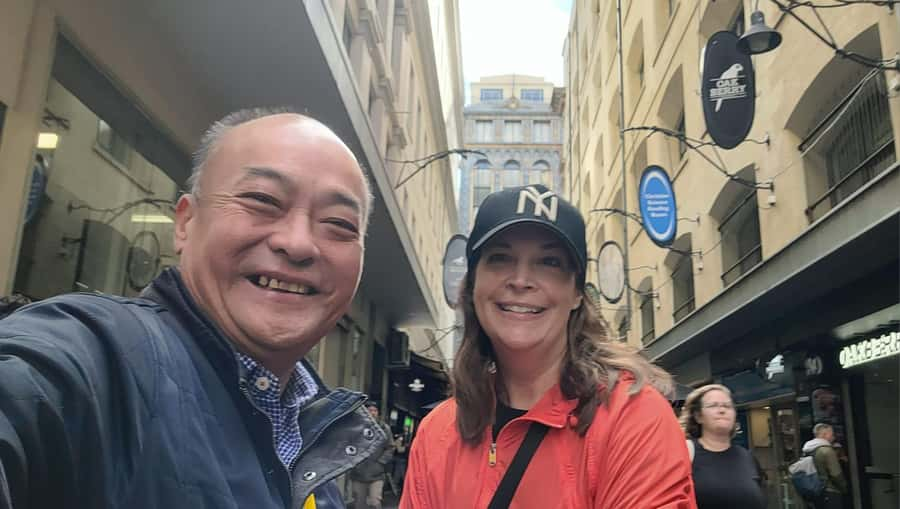
I would schedule this tour early in your stay. The route gives you a basic map of central Melbourne, while the guide’s advice can help shape the rest of your visit.
You may leave with ideas for back-street restaurants, bars, galleries, shops, and additional art stops. The tour does not include a meal, and it does not promise a full list of venues, so bring your own notes. The value is in learning where to look and receiving suggestions that fit your interests.
It also helps you get comfortable with Melbourne’s center. Several people have found the walk useful for navigating the city afterward, and one guide helped a visitor find the correct tram back to a ship. That kind of practical help is easy to underestimate until you arrive in a city with unfamiliar streets and transport connections.
If you already know Melbourne well, the tour can still work. Local residents and people who grew up in the city have learned new details about its lanes and buildings. The experience is not only for first-time visitors, though first-timers will likely gain the most from the orientation.
What the walk may feel like physically

The tour lasts three hours and uses controlled pedestrian crossings whenever possible. At small laneways, you are expected to watch for your own safety. That is worth taking seriously, since service vehicles, bikes, and other pedestrians may share these narrow spaces.
The walk is described by several people as manageable rather than strenuous. You are not covering vast distances, but you are weaving through lanes, stopping often, and remaining on your feet for much of the morning or afternoon. Wear supportive shoes and bring weather protection suited to the day.
The activity is listed as wheelchair accessible. Families with children younger than 13 and people with disabilities can be accommodated on a private tour, which is the more suitable arrangement when pace, route, or access needs require special planning. Make any outstanding health concerns known to the guide. Guides hold Level 2 first-aid qualifications.
Is $91 a fair price?
At $91 per person, this is not the cheapest way to stroll through central Melbourne. You can walk many laneways for free, and you can find street art without paying for an organized activity.
The fee makes more sense if you value interpretation. You are paying for three hours with a local guide, a small group, a coffee stop, and the ability to connect isolated sights into a larger story. The guide can also save time by leading you to places you might otherwise miss and by explaining what you are seeing as you go.
For two people or a family, the cost adds up quickly. If you enjoy independent wandering and already have a strong plan, you may prefer to explore alone. If you want history, architecture, street art, and practical local suggestions in one outing, the price is easier to justify.
The free cancellation window of 24 hours and reserve-now, pay-later option reduce some booking risk. Check the available start times before committing, since the experience runs for three hours and the timing may shape your meal or transport plans.
Who will enjoy this tour most
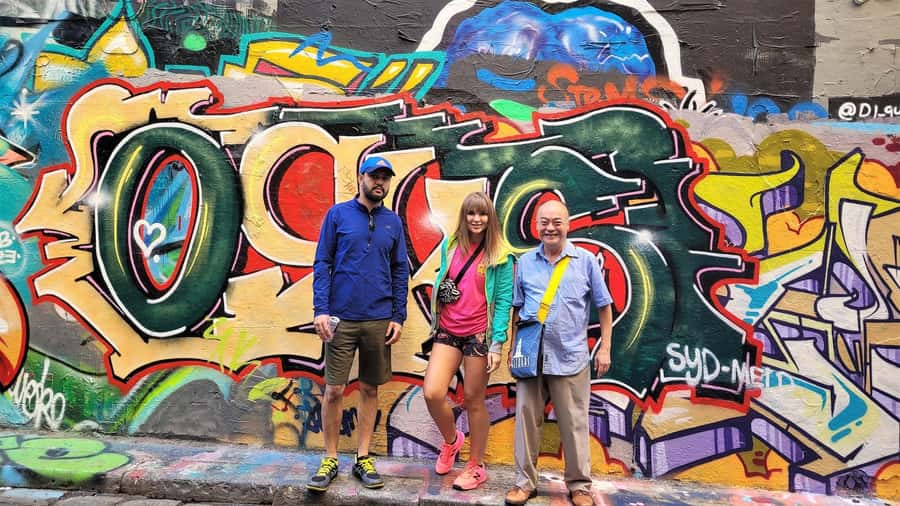
This is a good fit for you if you enjoy walking, asking questions, and looking closely at ordinary city spaces. It suits first-time visitors, repeat visitors who want a different angle, solo visitors, couples, and small groups of friends.
It is especially useful if you like a balance of topics. A dedicated street-art tour may offer more art detail. A formal architecture walk may spend longer on individual buildings. This experience combines art, architecture, history, cafés, shops, and local recommendations without staying in one category.
You may want a different option if you dislike city walking, need a fixed seated itinerary, or want a guaranteed list of specific venues. The route is described as a customized mix, so the exact places can vary. That flexibility is a strength for many people, but it also means you should not expect a rigid checklist.
Should you book the Melbourne Laneways Tour?
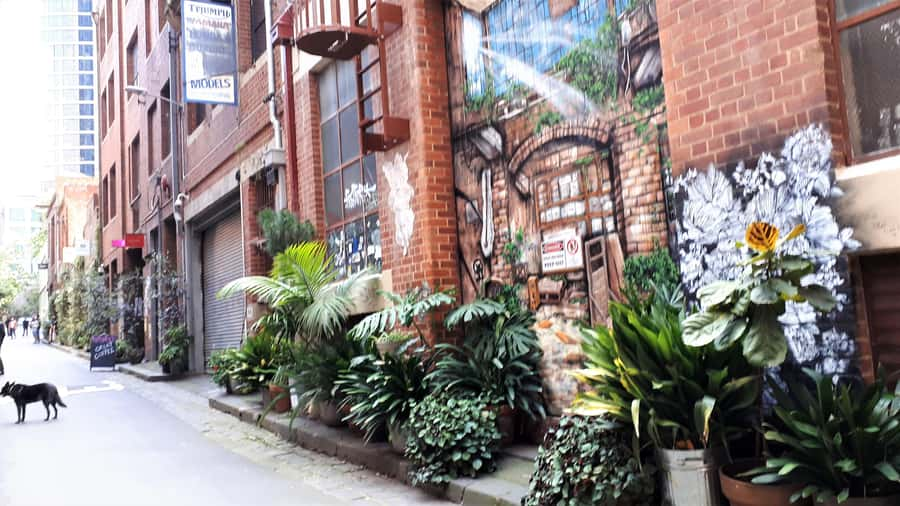
Book it if you want to understand why Melbourne’s lanes matter, not just photograph them. The strongest reasons are the small group, the guides’ local stories, the coffee break, and the useful advice for what to do next.
I would choose it near the start of a Melbourne visit, meet at St Paul’s Cathedral with comfortable shoes, and keep your afternoon open for one of the cafés, galleries, restaurants, or bars the guide recommends. At $91, it is best viewed as a city orientation with substance, rather than a simple walk through painted streets.
Skip it if you prefer to explore at your own pace and do not care about the background behind the art and buildings. For everyone else, this is a practical way to see a less obvious side of Melbourne while getting your bearings in the city center.
FAQ
Where does the Melbourne Laneways Tour meet?
Meet at St Paul’s Cathedral, at the corner of Flinders Street and Swanston Street. The meeting spot is on the front walkway between the main Flinders Street entrance and the side door on Swanston Street.
How long does the tour last?
The tour lasts three hours. Starting times vary, so check availability when booking.
What language is the tour in?
The live tour is conducted in English.
Is coffee included?
Yes. The tour includes a coffee stop.
How large is the group?
The small group is limited to 10 participants.
Is the walking tour wheelchair accessible?
The activity is listed as wheelchair accessible. Private tours can be arranged for people with disabilities and for families with children younger than 13.
Can I cancel the booking?
You can cancel up to 24 hours in advance for a full refund. The reserve-now, pay-later option lets you hold a place without paying immediately.
Just added around Melbourne
- Melbourne: Ghosts of Williamstown Guided Ghost Walking Tour★ 4.4 · 47 reviews
- Melbourne: 3-Hour Foodie Discovery Walking Tour★ 4.9 · 313 reviews
- Melbourne: Spirit Of Melbourne Yarra River Lunch Cruise★ 4.9 · 65 reviews
- Melbourne City Cruise with Tea, Coffee, and Commentary★ 4.3 · 189 reviews
- From Melbourne: Mt Buller Snow Day Small Group Boutique Tour★ 4.8 · 78 reviews
- Moonlit Sanctuary Conservation Park Entry Ticket★ 4.5 · 163 reviews
- Melbourne: MONOPOLY DREAMS Admission Ticket★ 4.3 · 39 reviews
- Melbourne: VR Escape Game Adventure 2+ Players★ 4.9 · 52 reviews
Melbourne Tours, compared.
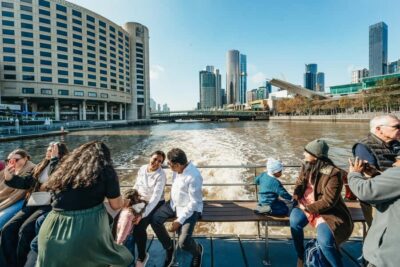
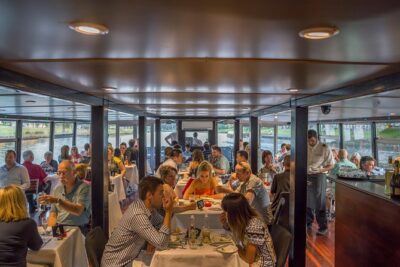
Spirit of Melbourne Dinner Cruise on the Yarra River
Read our review →
Ultimate Melbourne Walking Tour: History, Laneways & Culture
Read our review →
Puffing Billy & Healesville Sanctuary Scenic Tour
Read our review →
Puffing Billy Railway: Heritage Steam Train Journey
Read our review →

Browse the lists this tour appears in