
Reviewed · FREYCINET & THE EAST COAST
Hobart: Maria Island National Park Active Full-Day Tour
Maria Island’s magic is its silence. After a one-hour coach ride and a 30-minute ferry crossing, you step onto an island with no vehicles, few modern distractions, and wombats wandering near the old buildings. The wildlife encounters are the star, but Darlington’s convict settlement gives the day a strong human story too.
I like the mix of Painted Cliffs and Fossil Cliffs, since the two walks show off very different sides of the island. I also like the small-group format and the guides’ care with wildlife spotting. The main catch is simple: this is a full outdoor day with about 10km of walking, little shelter, and no included lunch or drinks.
Key points to know before booking
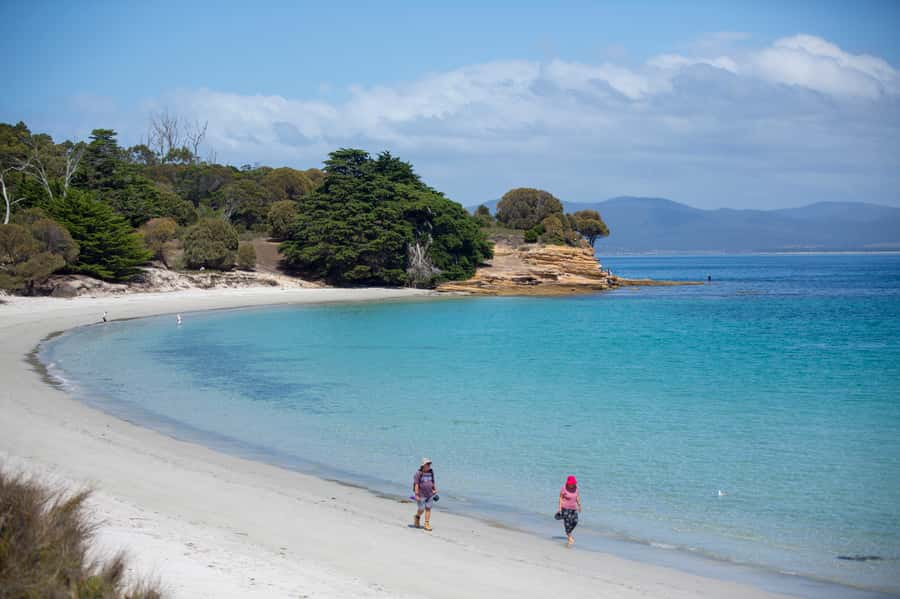
- Wombats are a real possibility: You may also see wallabies, kangaroos, pademelons, Cape Barren geese, bandicoots, possums, and many other birds.
- The walking is substantial: The two main circuits are each about 4.5km, with some small hills and uneven, unpaved ground.
- Darlington adds depth: You’ll see a well-preserved former convict settlement, not just beaches and cliffs.
- The ferry shapes the day: Summer departures are very early so the group can fit in the full walking program before returning to Hobart around 5pm.
- Bring your own food and water: Meals and drinks are not included, and carrying a daypack is more practical than bringing a large bag.
- Weather can change your day: Wind, rain, and cooler conditions may affect the route and the time spent at each stop, especially in winter.
Why Maria Island makes such a good day trip from Hobart
Maria Island feels a long way from Hobart, even though it takes only about an hour by road plus a short ferry ride. That change matters. The coach takes you through rural Tasmania, then the ferry leaves the traffic behind and brings you to a place where animals move freely around historic buildings and walking tracks.
I like that the day does not depend on one single attraction. If the weather dulls the colors at Painted Cliffs, you still have Darlington and wildlife. If wombats stay out of sight, the old settlement, fossil beds, rock pools, and coastal views keep the day worthwhile.
The setting is also unusually easy to experience without a car. Maria Island has no vehicles, so you explore on foot from the ferry arrival area. That creates a slower pace, though it also means you need to be ready for several hours outside with no quick way to shorten the program.
The tour costs $152 per person. That covers the coach, return ferry, national park fee, guide, and guided walks. For a full 10-hour day, the price is reasonable if you want transport arranged from Hobart and interpretation along the way. It is less attractive if you prefer a short beach visit or want to set your own pace.
More National Park Tours in Freycinet & the East Coast:
- Wineglass Bay & Freycinet National Park Day Trip from Hobart
★ 4.7 · 249 reviews - Hobart: Wineglass Bay & Freycinet National Park – Active Day Tour
★ 4.5 · 142 reviews - Litchfield National Park and Jumping Crocodile Cruise
★ 5.0 · 2,119 reviews
The early coach ride and ferry crossing
In summer, you meet at the Tasmanian Travel and Information Centre on Davey Street at 6:40am for a 6:45am departure. In winter, the meeting time shifts to 7:55am, with departure at 8:00am. You need to be on time. The coach cannot wait because the ferry timetable controls the rest of the day.
There is no parking at the general meeting point, so this arrangement suits people staying in Hobart who can reach the meeting point without driving. Bring a small daypack rather than luggage or a large bag.
The road trip lasts about an hour. You might enjoy the changing view of Tasmanian farmland, including green paddocks, waterways, sheep, and lambs. It is not just transfer time. It gives you a first look at the quieter rural side of the region before the island takes over.
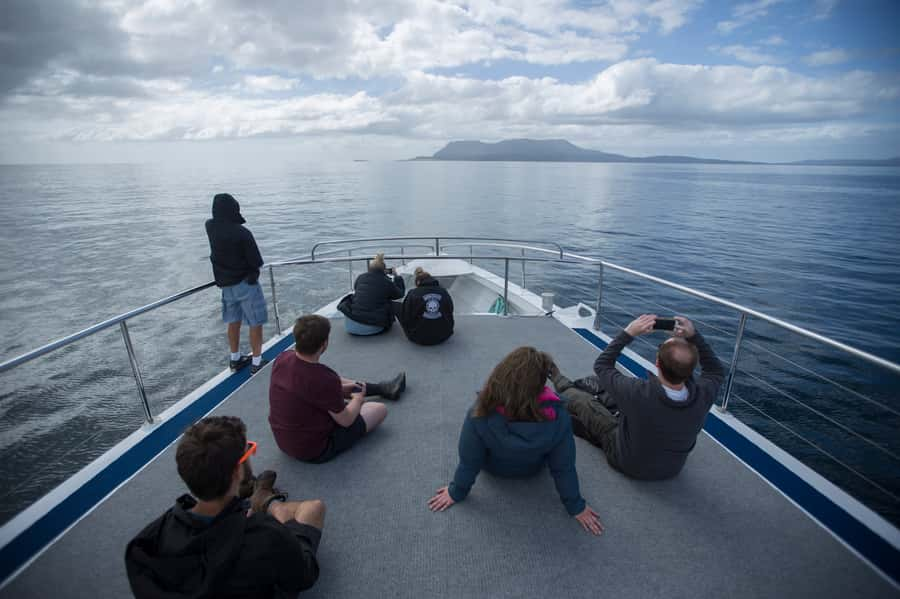
The ferry takes about 30 minutes. The crossing is short enough to be easy, but it marks a clear change in mood. Once you arrive, you have left normal road access behind and entered a national park where wildlife can appear beside the track.
Darlington, where convict history meets wildlife
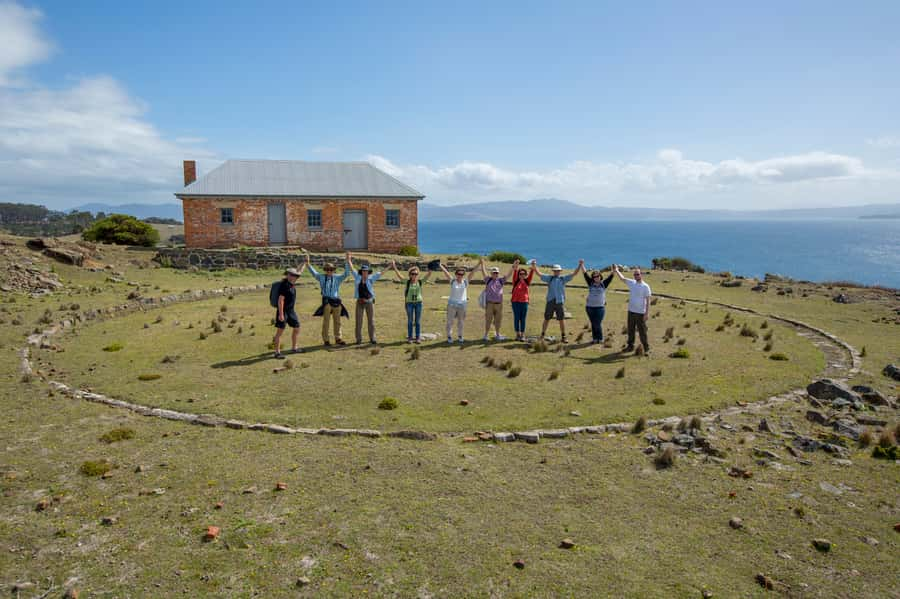
Darlington is one of the most valuable stops because it gives Maria Island a human scale. The settlement is a UNESCO World Heritage convict site and is regarded as one of the best-preserved former convict camps in the world.
You’ll explore old buildings and hear how the settlement functioned. The tour’s guide adds context as you walk, helping you see more than empty rooms or weathered walls. Guides including Heather, Trevor, Ben, Nick, Lucas, and others have been praised for their storytelling and for explaining the island’s plants, animals, geology, and history in an easy way. Your guide will vary, but the experience is built around live English interpretation rather than a self-guided visit.
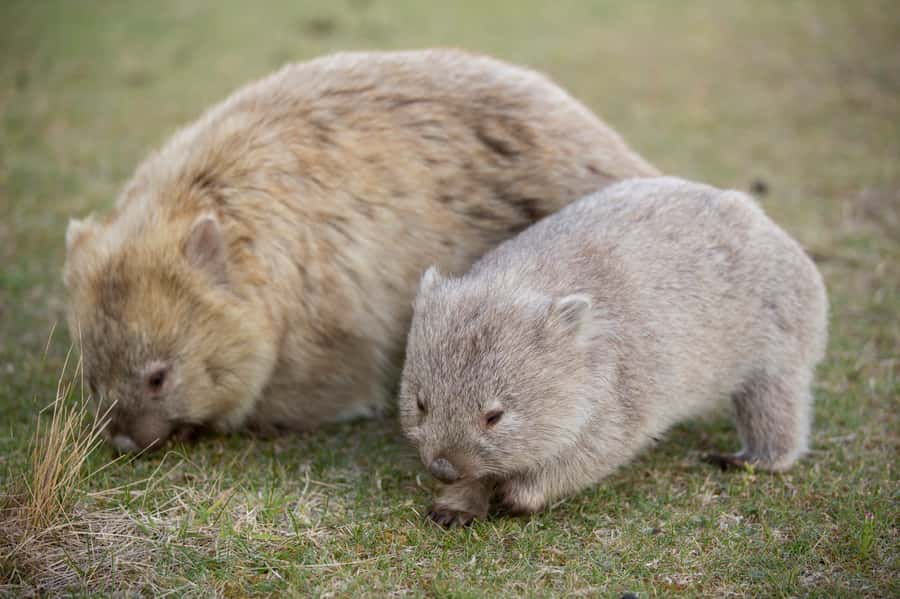
Darlington also happens to be excellent for wildlife. Wombats, wallabies, kangaroos, and birds can move around the historic area. Keep your distance and let the animals choose where to go. The best encounters are usually the quiet ones, when you stop, look, and wait rather than chase a photograph.
This is a useful early stop because it gives you time to understand the place before the longer walks. It also helps balance the day. Maria Island is not only a nature outing, and Darlington makes sure the story includes the people who lived and worked here.
The 4.5km walk to Painted Cliffs
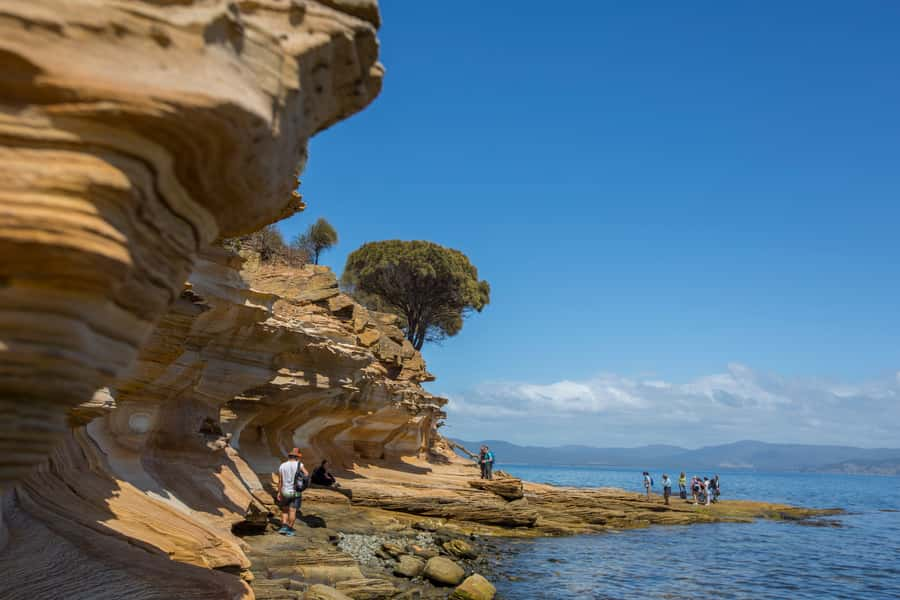
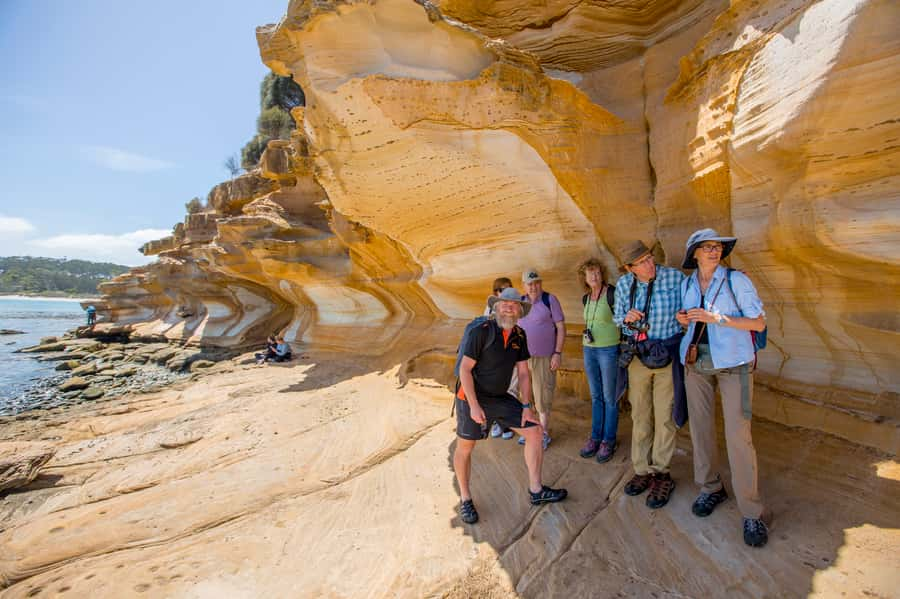
The walk to Painted Cliffs is an easy circuit of about 4.5km. The reward is a series of colorful sandstone formations shaped by erosion. The patterns and tones are best appreciated close up, where the rock looks almost painted.
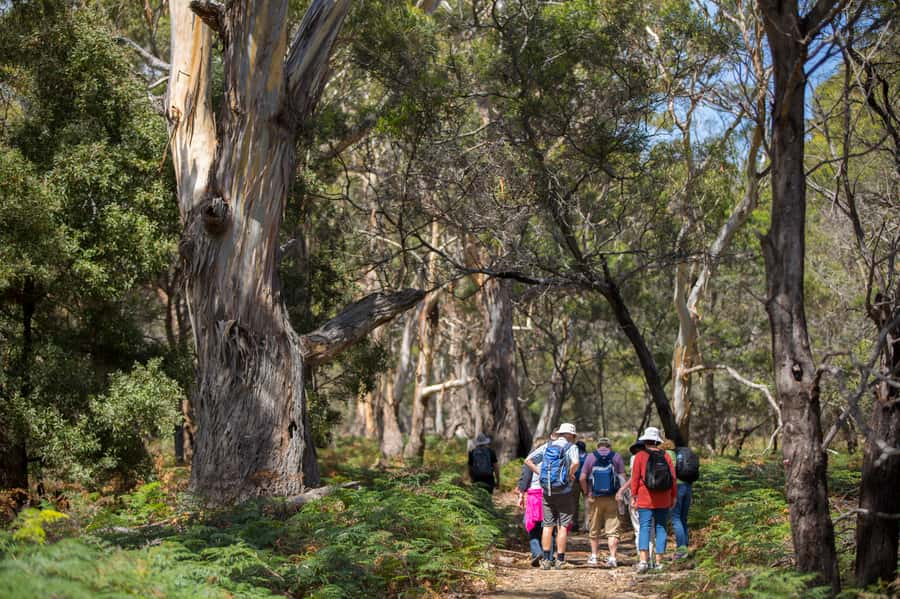
You’ll walk along varied, unpaved ground and may encounter small hills. The route is not presented as a technical hike, but it is still a proper walk. Comfortable closed-toe shoes are important, especially if the surface is damp or uneven.
The cliffs are also a good place to slow down. You may find rock pools, beaches, and viewpoints along the way. Your guide can point out details that are easy to miss, including small creatures in the pools, birds above the track, or changes in the rock layers.
The tide and conditions can affect exactly how the coast feels on the day. Do not expect unlimited time to wander off alone. The tour has to keep moving to meet the ferry, and the group’s walking pace shapes the schedule.
A few more Freycinet & the East Coast trips worth weighing up
- Wineglass Bay & Freycinet NP Full Day Tour from Hobart via Richmond Village
★ 5.0 · 476 reviews - Full-Day Tour to Wineglass Bay from Hobart
★ 5.0 · 122 reviews - From Launceston: Full-Day Wineglass Bay Explorer Active Tour
★ 4.7 · 62 reviews - From Sydney: Blue Mountains Full-Day Trip
★ 4.5 · 4,471 reviews
Fossil Cliffs and 300 million years of geology
The Fossil Cliffs walk covers another easy circuit of about 4.5km. It crosses the western side of Maria Island over open hills and coastal cliffs, where fossils dating back about 300 million years are exposed.
This stop feels different from Painted Cliffs. Painted Cliffs gives you color and sculpted sandstone. Fossil Cliffs gives you a direct look at ancient life preserved in rock. You do not need a geology background to enjoy it. The guide’s explanation helps connect the exposed fossils to the island’s much older geological past.
Expect wind on this part of the route, particularly along open coastal ground. The views can be excellent, but there is less protection from the elements. A jacket and layers are worth packing even on a mild morning.
One useful point from the walking plan is that the two circuits together add up to about 9km, with additional walking around Darlington and the island. Most people should prepare for at least 10km over the day. The terrain is described as manageable, but you need moderate fitness and good mobility.
Wildlife spotting without a zoo setting
Maria Island is one of those places where the animals are part of the setting rather than a scheduled show. You might see wombats close to the walking areas, along with wallabies, kangaroos, pademelons, possums, Cape Barren geese, bandicoots, and many kinds of birds.
Wombats are the big draw. Multiple sightings are possible, and some outings have included several animals, including young wombats. But no guide can promise them. You may instead see wallabies and kangaroos, as one outing did, or spend more time watching birds and smaller animals.
The guide makes a real difference here. Guides such as Ben and Lucas have been praised for spotting animals and encouraging respectful behavior. A good guide will help you scan the edges of the track, tree tops, rock pools, and open grass. You still need patience. Wildlife does not follow a timetable.
I appreciate that the tour treats animal encounters as part of a national park, not as a photo opportunity at any cost. Keep quiet, do not feed anything, and give animals space. That approach protects the place and usually leads to better sightings anyway.
How active is the day?
The tour is suitable for people aged eight and older who can walk about 10km across varied, unpaved terrain. You should be comfortable with small hills, coastal ground, and several hours outdoors.
It is not suitable for wheelchair users or people with mobility impairments. The operator also advises against bringing large bags. A small daypack is enough for water, food, sunscreen, extra clothing, and a camera.
The walking pace can feel comfortable when the group stays together. Some people have completed the distance without finding it especially tiring, while others may need more time and shorter breaks. The guide can adjust the winter program to the group’s pace and the day’s conditions, but this remains an active tour rather than a sightseeing bus trip.
If you are older or unsure about your fitness, think carefully about the total distance. One past outing had a group of older participants who found the walks worthwhile but wanted a little more time to rest and eat. That is fair warning: the timetable is shaped by the ferry, so lunch breaks may be short.
Food, water, clothing, and weather
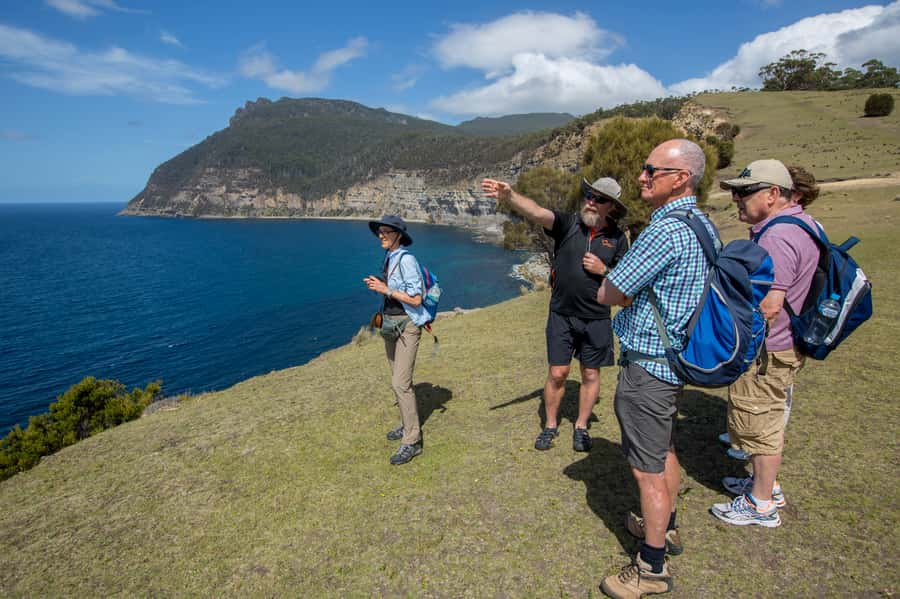
Meals and drinks are not included. Pack enough food for a full day, along with plenty of water. Carrying a reusable bottle is recommended, though one person specifically wished water had been provided in the van because carrying extra water was inconvenient.
Wear comfortable outdoor clothing and closed-toe walking shoes. A hat, sunscreen, jacket, and weather-appropriate layers are all useful. Spring weather can change quickly, and strong wind or rain can make the open sections feel much cooler than Hobart.
A small daypack works best. Large bags and luggage are not allowed, and you do not need them for this outing. Keep your essentials easy to reach because you may want your camera, sunscreen, water, or jacket during the walks.
The long daylight hours of summer allow the full walking program and an early return to Hobart around 5pm. The winter version starts later and is more flexible. Your guide may change the order or length of activities based on daylight, weather, and group pace.
Small-group guiding and the human side of the tour
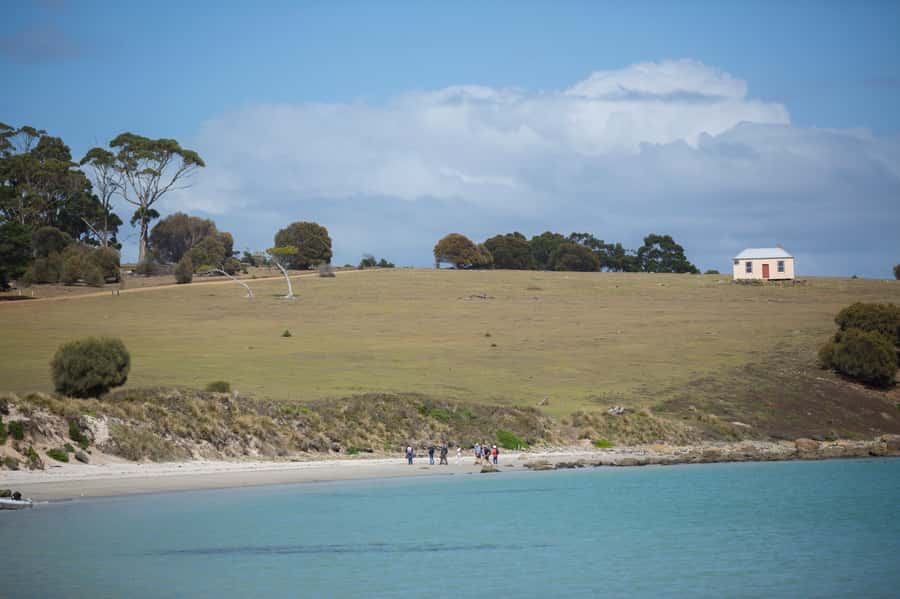
The small-group format is one of the tour’s strongest features. A group of six can feel almost private, with more room for questions and more time to stop when wildlife appears.
The guides bring different strengths. Heather has been noted for animal spotting and island history. Trevor is known for storytelling and looking after the group. Ben has a strong interest in plants, animals, and conservation. Nick has led outings with useful stories and good time management. These names do not guarantee who will lead your departure, but they show the sort of guide-led experience the operator provides.
The best guides do not simply point out a wombat and move on. They explain what you are seeing, keep the group on schedule, and remind you how to behave around wildlife. That adds real value compared with taking the ferry alone and walking without local context.
The small-group setup also has one minor weakness: one slow member can affect the whole schedule. The tour cannot wait indefinitely because it must catch the return ferry. Stay aware of the group pace and tell the guide early if you need a break.
Is $152 good value?
I think the price is fair for the right type of visitor. You are paying for a full day from Hobart, return transport, the ferry, national park entry, a guide, and organized walks. You also avoid the work of arranging the ferry connection and planning how to cover the island in limited time.
The value is strongest if you want a blend of wildlife, geology, coastal scenery, and convict history. It is also a good choice if you have only one free day around Hobart and want a major nature outing without hiring a car.
The value drops if you want a relaxed beach day. The schedule includes two substantial walks and only limited free time. You must also buy and carry your own lunch and drinks.
Free cancellation is available up to two days in advance for a full refund, which gives you some flexibility when planning around Tasmania’s changeable weather.
Should you book the Maria Island tour?
Book it if you want an active day with real wildlife, old convict buildings, unusual rock formations, and a guide who can connect the pieces. It suits nature lovers, photographers, families with children aged eight and older, and anyone who prefers a small group to an independent ferry trip.
Skip it if you have mobility limits, dislike walking in wind or rain, or want lots of unplanned time on the beach. Also skip it if carrying your own food and water feels like a nuisance.
For most reasonably fit visitors, this is one of the better ways to experience Maria Island from Hobart. The wombats may steal the show, but the day earns its price through variety: Darlington gives you history, Painted Cliffs gives you color, Fossil Cliffs gives you deep geological time, and the quiet tracks give you a chance to see Tasmania at its most natural.
FAQ
How long does the Maria Island tour last?
The experience lasts about 10 hours and returns to the Tasmanian Travel and Information Centre in Hobart around 5:00pm.
Where does the tour meet in Hobart?
The meeting point is the Tasmanian Travel and Information Centre at 20 Davey Street, Hobart.
What time does the tour leave in summer?
From October 1 through April 30, you meet at 6:40am and depart promptly at 6:45am.
What time does the tour leave in winter?
From May 1 through September 30, you meet at 7:55am and depart promptly at 8:00am.
How do you reach Maria Island?
The tour includes about one hour by bus or coach and a 30-minute ferry ride each way.
Is lunch included?
No. Meals and drinks are not included, so you need to bring your own food and water.
How much walking is involved?
You should prepare for approximately 10km of walking across varied, unpaved terrain. The Painted Cliffs and Fossil Cliffs walks are each about 4.5km.
What wildlife might you see?
Possible sightings include wombats, wallabies, kangaroos, pademelons, Cape Barren geese, possums, bandicoots, and other birds.
Is the tour suitable for children?
The minimum age is eight years. Children must also be able to manage the active walking program and varied terrain.
Can wheelchair users join the tour?
No. The tour is not suitable for wheelchair users or people with mobility impairments.
Just added around Freycinet & the East Coast
- Freycinet Walking Tour★ 5.0 · 100 reviews
- The Freycinet Paddle Kayak Tour★ 4.8 · 57 reviews
- From Launceston: Full-Day Wineglass Bay Explorer Active Tour★ 4.7 · 62 reviews
- From Hobart: Day Tour to Maria Island with Bus Connection★ 4.9 · 41 reviews
- Coles Bay: Wineglass Bay Adults-Only Cruise with Lunch★ 4.9 · 83 reviews
- Full-Day Tour to Wineglass Bay from Hobart★ 5.0 · 122 reviews
- Hobart: Wineglass Bay & Freycinet National Park – Active Day Tour★ 4.5 · 142 reviews
- From Triabunna: Maria Island Cruise & Guided Walk with Lunch★ 4.9 · 126 reviews
National Parks, compared.
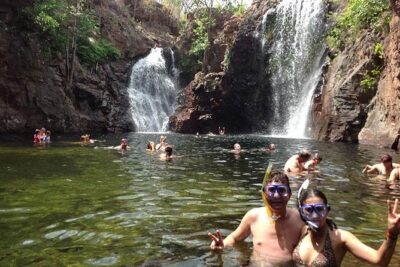
Litchfield National Park and Jumping Crocodile Cruise
Read our review →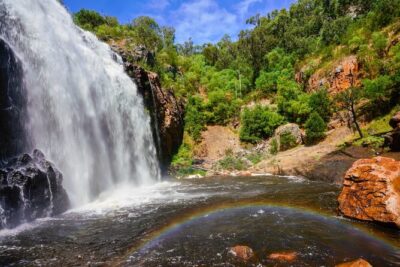
Grampians National Park Small-Group Eco Tour from Melbourne
Read our review →
From Port Arthur: Tasman Island Wilderness Cruise
Read our review →
Blue Mountains National Park Tour with River Cruise
Read our review →
From Hobart/Adventure Bay: Bruny Island Wilderness Cruise
Read our review →
Port Arthur Full-day Guided Tour with Harbour Cruise and Tasman National Park
Read our review →
Bruny Island Wilderness Coast Eco Cruise with Lunch
Read our review →Browse the lists this tour appears in