
Reviewed · MELBOURNE
Electric Bike Tour of Melbourne
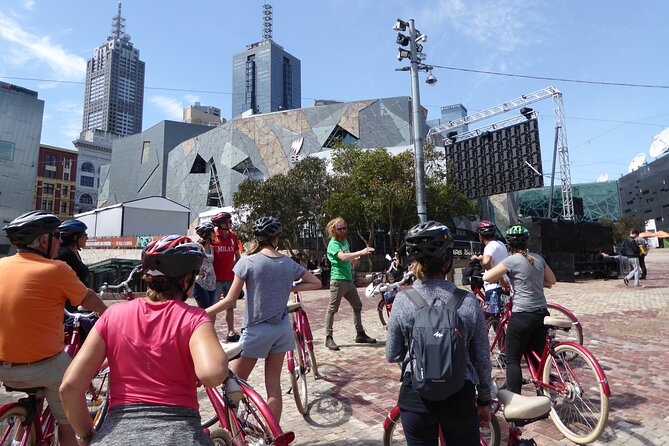
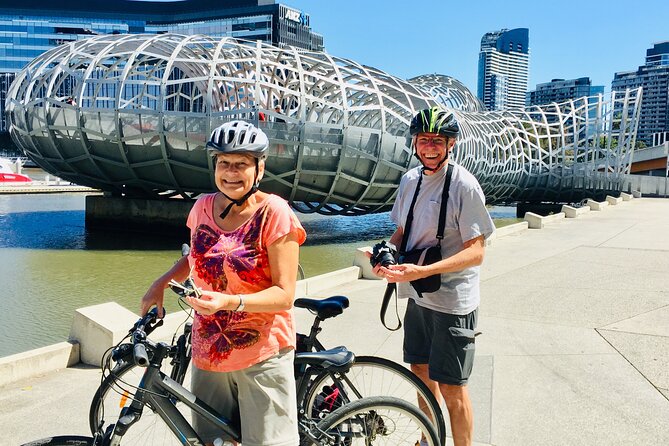
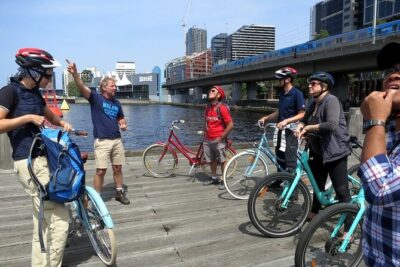
Melbourne reveals itself well from a bicycle, and this tour gives you an electric assist for the hills, distance, and occasional busy stretch. In four hours, you move from the Yarra and Southbank to the MCG, Fitzroy, Chinatown, and the city’s famous laneways, with frequent stops for stories and photographs.
I like the small group of up to 10 and the fact that about 95 percent of the ride uses bike paths, parks, or off-road routes. I also like the range of guides, including Al, Marcus, Freddie, and Avalon, who bring different styles to the tour. The main consideration is pace: this is as much a history and orientation tour as a cycling outing, so some stops include long explanations.
Key points to know before you book
- Four hours on an e-bike: You cover far more ground than on foot without needing to be a serious cyclist.
- Mostly separated from traffic: About 95 percent of the route uses bike paths and parks, though some road riding remains.
- A broad Melbourne introduction: Expect Aboriginal history, settlement, the gold rush, war memorials, sport, immigration, and street art.
- Lunch in Fitzroy costs extra: Bring money for food and drinks at the café stop.
- Guides shape the experience: Al, Marcus, Freddie, Avalon, and others are praised for safe riding, local insight, and friendly direction.
- A 10-person maximum: The limited group size makes it easier to hear the guide and stay together.
Why an e-bike is a smart way to meet Melbourne
Melbourne is spread wide enough that walking tours can leave you with only a few central sights. A bus can cover distance, but it keeps you behind glass and often skips the small details between major stops. This ride gives you both range and contact with the city.
The electric motor matters most when the route stretches between neighborhoods or when you are tiring after several hours. You still pedal, but the added boost makes the outing manageable for people who are in fair shape rather than highly trained cyclists. One rider in their 60s had never used an e-bike before and found the instructions clear and the pace comfortable.
The route is described as mostly off-road, with parks and bike paths doing much of the work. Still, you are not in a traffic-free training loop. You will share some paths with pedestrians and handle sections on city streets. The guide keeps the group together and gives riding instructions, but you should be comfortable starting, stopping, steering, and paying attention around other path users.
The bikes and helmets are included. Several riders found the bikes easy to operate and well maintained. A typical outing covers a substantial portion of central Melbourne, with one account estimating about 10 miles. Another rider felt that only about an hour and a half was spent actually cycling because of the many explanations. That difference tells you what to expect: the distance and time on the bike can vary, and this is not a nonstop ride.
More E-Bike Tours in Melbourne:
- Electric Bike Tour of Melbourne
★ 4.7 · 210 reviews - Sydney: Guided Harbour E-Bike Tour
★ 5.0 · 253 reviews - E-bike (electric) – Blue Mountains – Hanging Rock – SELF-GUIDED Hire Service
★ 5.0 · 101 reviews
Southbank begins with Melbourne’s wider story
The meeting point is at 20 Rebecca Walk, Melbourne, with a 10 a.m. start and a return to the same place. One booking account referred to 2 Rebecca Walk instead, so I would check the exact meeting instructions before setting out.
The first stop is Southbank, where the guide introduces Melbourne through the Kulin Nation and the fact that the land was never ceded. This opening gives the tour a useful frame. You are not simply being shown buildings and bridges. You are being asked to consider the people and cultures that came before the city’s colonial development.
The guide also introduces settler figures who helped shape Melbourne. This early stop is short in the published schedule, but the opening history can run longer in practice. If you want a quick ride with only brief commentary, this may feel slow. If you like knowing how a city came to be, it gives the rest of the route more meaning.
The Shrine of Remembrance and Melbourne’s war story
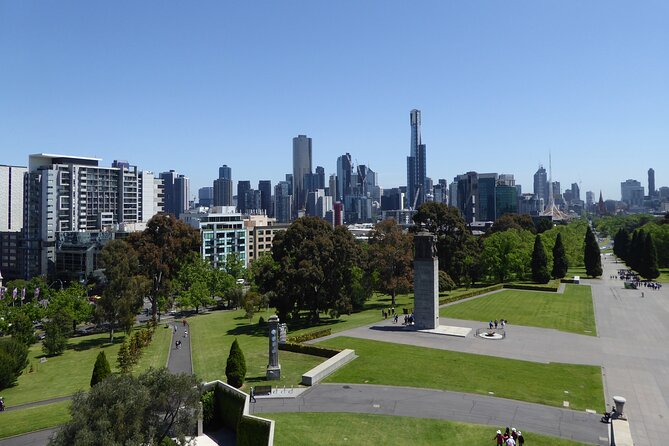
The Shrine of Remembrance is one of Melbourne’s most important memorials. From the bike route, you get an introduction to its national role and the city’s military history without committing to a full museum visit.
This stop also brings in William Barak, an Aboriginal leader, artist, educator, and advocate for Aboriginal rights. Including his story alongside the war memorial broadens the tour beyond a standard colonial city narrative. The guide connects civic landmarks with Aboriginal voices, a worthwhile balance for anyone trying to understand Victoria.
The stop itself is brief, so do not expect a detailed interior tour. You are mainly getting orientation, context, and time to look around before continuing.
The MCG shows why sport matters here
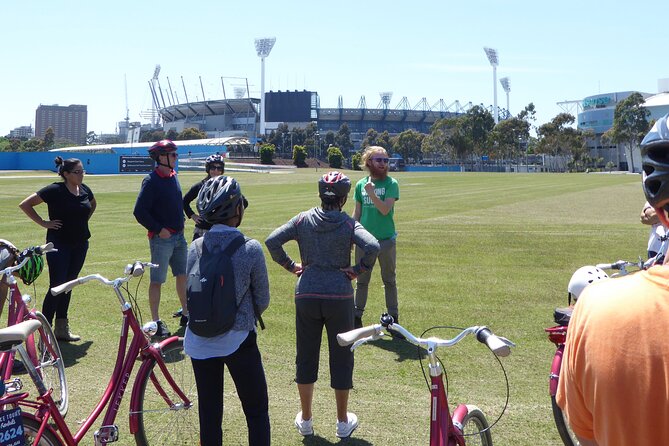
The Melbourne Cricket Ground is a major landmark even if you do not follow cricket or Australian rules football. The open area around it helps explain Melbourne’s claim to being one of the world’s great sporting cities.
This is one of the tour’s strongest examples of local identity. The MCG is not presented as just a large stadium. It shows how sport fits into the city’s social life and public image. You stop outside, take in the scale, and hear why the venue matters.
Sports fans will want more time here than the schedule allows, but the short stop works well as part of a city overview. You see the stadium, understand its importance, and can return later if you want a dedicated visit.
More Bike Tours in Melbourne:
- Famous Melbourne City Bike Tour
★ 5.0 · 779 reviews - The Best of Melbourne Bike Tour
★ 5.0 · 671 reviews - Classic Melbourne Bike tour
★ 4.8 · 69 reviews - From Perth: Rottnest Island Full-Day Bike and Ferry Trip
★ 4.7 · 2,548 reviews
Fitzroy Gardens brings in Cook’s Cottage
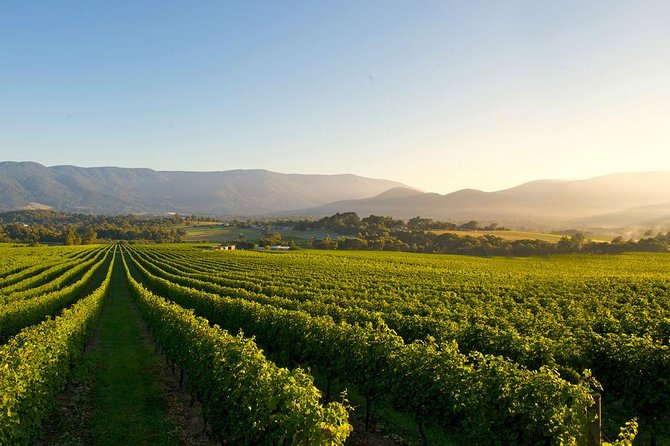
Fitzroy Gardens offers a quieter change of pace. The main point of interest is Cook’s Cottage, a small building shipped from England and rebuilt brick by brick in Melbourne.
That story captures the strange ambition of colonial Melbourne. A house associated with Captain James Cook was transported across the world and reconstructed in a city that was trying to define itself. The gardens also give you a pleasant park setting after the more formal memorial and stadium stops.
Again, the visit is an outside orientation rather than a long house tour. You will have time to see the setting and hear the story, but not necessarily to explore every attraction in the gardens.
Parliament House and the gold rush wealth
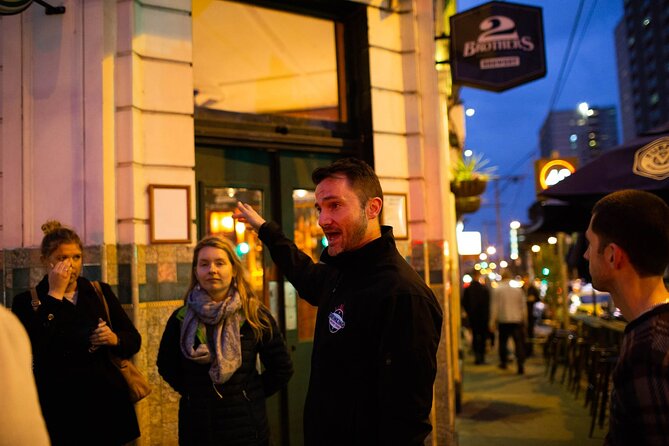
Parliament House of Victoria reflects the money that flowed into Melbourne during the gold rush. The building was designed to show confidence and wealth at a time when Melbourne was becoming one of the richest cities in the world.
This stop helps explain why central Melbourne has so many grand public buildings. The gold rush did more than bring fortune seekers. It funded civic projects, shaped the city’s ambitions, and left behind architecture that still defines central Melbourne.
The tour does not include entry to Parliament House. You are seeing the exterior and learning how it fits into the city’s growth. That is enough for an introduction, though architecture fans may want to return for a longer visit.
The Royal Exhibition Building links Melbourne to the world
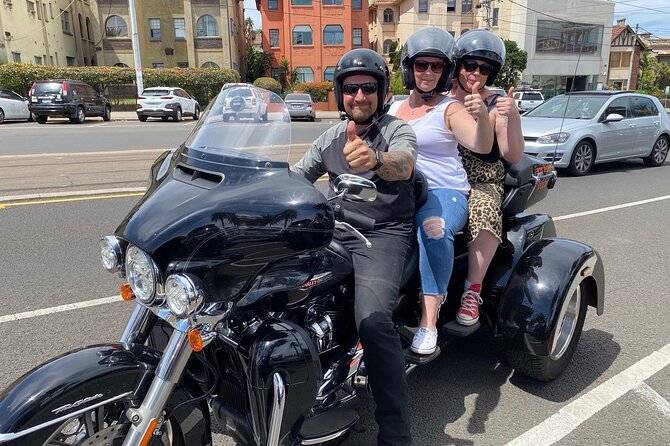
The Royal Exhibition Building adds an international angle. It was built during the 19th-century exhibition era, when cities used grand halls to display goods, technology, ideas, and culture.
This stop shows Melbourne looking outward rather than only inward. Along with Parliament House, it helps you understand the city’s wealth and confidence during the late 1800s. The building is one of the route’s most impressive pieces of architecture, even from a short exterior stop.
You will not spend the afternoon examining every detail, but the guide gives you enough background to recognize its importance when you pass it again on your own.
Fitzroy supplies the tour’s lunch break
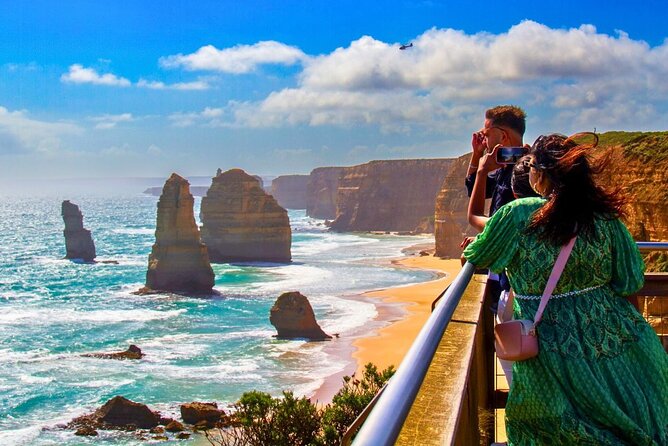
North Fitzroy is the practical midpoint of the outing. You stop at one of the operator’s favorite cafés for lunch in a neighborhood known for its independent, bohemian character.
Food and drinks are not included, so bring extra cash or another accepted form of payment. The break is useful for more than eating. It gives your legs a rest, lets you chat with the small group, and changes the rhythm from formal landmarks to everyday Melbourne.
The exact food choice and cost are not specified, so do not treat lunch as part of the $85.35 tour price. You are paying separately at the café. Several riders enjoyed the venue and the food, but the stop is best seen as a convenient local pause rather than a meal tasting.
Chinatown connects the city to the gold rush
Melbourne’s Chinatown dates from 1851 and grew in response to the gold rush. The guide uses this compact central district to explain how migration shaped the city from its early years.
The stop is especially useful because it links the gold rush to people, not just money and buildings. Melbourne’s development depended on many communities, and Chinatown remains a visible part of that story.
You will likely see the area as an active city district rather than a museum display. The tour provides context and a short look around, but you may want to return later for a meal or a slower walk through the lanes.
Hosier Lane is Melbourne at street level
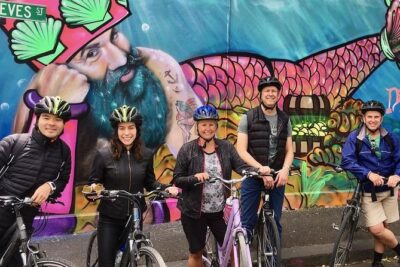
Hosier Lane brings the tour into Melbourne’s street-art scene. The bluestone lane is covered with changing murals and tags, giving the city its famous urban edge.
This is a good place to leave the history behind for a few minutes and simply look. The art changes, so the lane you see today will not be exactly the lane photographed by someone else. Bring your phone, but do not spend the whole stop looking at a screen.
The lane can be busy, and bikes may be parked while you walk or look down the walls. It is a short stop, not a guided art lecture, but the guide helps place the lane within Melbourne’s creative identity.
Federation Square and the Yarra bring the route together
Federation Square is Melbourne’s main public gathering space, linking Flinders Street with the Yarra River. Its modern architecture sits beside older landmarks, including St Paul’s Cathedral, creating one of the city’s clearest contrasts between old and new.
This is an excellent orientation point. You are close to the river, the central business district, Flinders Street Station, and several places you may want to revisit. The guide points out how the square connects these parts of the city rather than treating it as an isolated attraction.
The area can be crowded, so keep close to the group while moving through it. The stop is more about position and city layout than a detailed architectural visit.
Immigration completes the human story
The final listed stop is an overlook toward the Immigration Museum. Here the tour returns to the people who have shaped Melbourne, with attention to immigrants who make up half of the population.
This is a fitting final subject after Chinatown, Fitzroy, the gold rush, and the early settlement story. It reminds you that Melbourne is not defined only by grand buildings or famous sports grounds. Its character also comes from the communities that arrived, settled, and changed the city.
The museum itself is not included. You are getting an introduction and a useful suggestion for a future visit. After this stop, the ride returns to the starting point.
What the guides add to the ride
The guides are a major part of the experience. Al is repeatedly praised for clear historical explanations, safety, and useful suggestions for restaurants and places to visit after the tour. Marcus is described as relaxed, friendly, and well informed about Melbourne and Australia. Freddie is noted for giving first-time e-bike riders simple instructions, while Avalon brings an easygoing manner and strong local commentary.
The guide style can vary. Some outings may feel like a moving history seminar, with long explanations at the stops. That suits you if you want context and are happy to pause often. It may not suit you if your main goal is fast cycling or a detailed look at less familiar back streets.
The small group helps. With a maximum of 10 people, the guide can watch the pace and keep the group together more easily than on a large city ride. One account described the ride as challenging at times because of pedestrians and traffic, so attentive guiding is not a minor detail here.
Is $85.35 good value?
At $85.35 per person, the tour is not the cheapest way to see Melbourne, but the price includes the e-bike, helmet, guide, and four-hour route. You also avoid hiring a bike, planning a route, and working out how to connect the main sights.
I see the strongest value for a first visit or a short stay. In one morning, you get a city map in your head, see several neighborhoods, and collect ideas for later. The electric assist also makes the distance more realistic for people who might not choose a regular bicycle.
Lunch is extra, and hotel pickup is not included. You must reach Rebecca Walk yourself and return there at the end. If you already know central Melbourne well and want a high-mileage cycling workout, the frequent stops may feel like poor value.
The tour has a 4.9 rating from 232 reviews, with 98 percent recommending it. Those figures fit the strongest pattern in the feedback: excellent guides, safe pacing, easy-to-use bikes, and a wide range of city sights. The one clear caution is that the historical commentary can take up a large part of the four hours.
Who should book this Melbourne e-bike tour?
I would choose this tour for a first visit, a short stay, or a return visit when you want to see neighborhoods beyond the usual central streets. It suits couples, solo riders, and older cyclists who are comfortable on a bike but do not want to pedal hard all morning.
You should have a reasonable level of balance and confidence. The tour is mostly on paths and parks, but it includes some road riding, pedestrians, and city traffic. One rider described it as not ideal for children, so families should ask before booking rather than assume the e-bike makes it suitable for every age.
Book it if you enjoy stories as much as scenery. Skip it if you want four hours of continuous cycling, a food-focused outing, or a deep visit inside each attraction. The route is broad by design: it gives you a first look at many parts of Melbourne rather than a long stay at one.
Should you book it?
Yes, if you want an active introduction to Melbourne and value local history, Aboriginal perspectives, sport, migration, and street life in one outing. The electric boost, limited group size, and mostly off-road route make a large city feel manageable.
I would book early for a preferred date, then bring water, money for lunch, and a willingness to listen at the stops. Check the meeting-point details carefully, especially the Rebecca Walk number. If you want speed above all else, choose another ride. For most first-time visitors, this is a useful and enjoyable way to get your bearings fast.
FAQ
How long is the Electric Bike Tour of Melbourne?
The tour lasts approximately four hours and begins at 10 a.m.
What is included in the price?
The price includes the guided bike tour, use of an electric bike, and a helmet.
Is lunch included?
No. The tour stops at a café in North Fitzroy, but food and drinks are not included. Bring extra money for lunch.
Where does the tour begin?
The stated meeting point is 20 Rebecca Walk, Melbourne VIC 3000, Australia. One booking account referred to 2 Rebecca Walk, so confirm the exact location before the start.
Where does the tour finish?
The activity ends back at the meeting point.
How much of the route is off-road?
About 95 percent of the ride uses bike paths and parks. Some sections take place on city roads.
How many people can join the tour?
The maximum group size is 10 people.
Do I need previous e-bike experience?
No specific e-bike experience is required. Instructions are provided, and riders with no previous e-bike experience have found the bikes easy to use. You should still be comfortable riding a bicycle.
Can I cancel for a full refund?
Yes, if you cancel at least 24 hours before the local start time. Cancellations made less than 24 hours in advance are not refunded, and the operator may offer a new date or a full refund if the minimum number of participants is not reached.
Just added around Melbourne
- Melbourne: Ghosts of Williamstown Guided Ghost Walking Tour★ 4.4 · 47 reviews
- Melbourne: 3-Hour Foodie Discovery Walking Tour★ 4.9 · 313 reviews
- Melbourne: Spirit Of Melbourne Yarra River Lunch Cruise★ 4.9 · 65 reviews
- Melbourne City Cruise with Tea, Coffee, and Commentary★ 4.3 · 189 reviews
- From Melbourne: Mt Buller Snow Day Small Group Boutique Tour★ 4.8 · 78 reviews
- Moonlit Sanctuary Conservation Park Entry Ticket★ 4.5 · 163 reviews
- Melbourne: MONOPOLY DREAMS Admission Ticket★ 4.3 · 39 reviews
- Melbourne: VR Escape Game Adventure 2+ Players★ 4.9 · 52 reviews
Cycling Tours, compared.
Browse the lists this tour appears in