
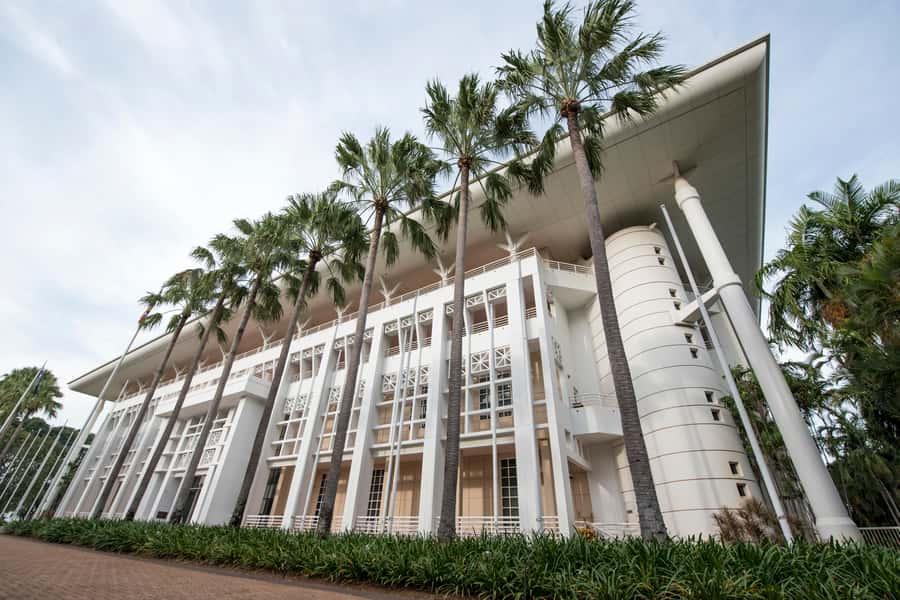
Reviewed · DARWIN
Darwin: Bombing of Darwin WW2 Tour with Harbor Cruise
Darwin’s wartime story is easy to miss beneath its tropical, modern surface. This tour brings it back into view with bunkers, ammunition stores, museums, and harbor wrecks, then connects the sites to the two Japanese air attacks of 19 February 1942, when 243 people died and much of the city was damaged.
I like two things here. First, the land tour gives you places you could easily skip without a car, especially Charles Darwin National Park and the East Point Military Precinct. Second, the one-hour harbor cruise adds a useful second angle, taking you past the wreck sites of the SS Neptuna and USS Peary. The main drawback is time: four and a half hours gives you a good introduction, but some visitors wanted another 30 minutes at the military museum.
Key points at a glance
- The 1942 attacks are the focus: Learn how two Japanese air raids struck Darwin and changed the city’s wartime story.
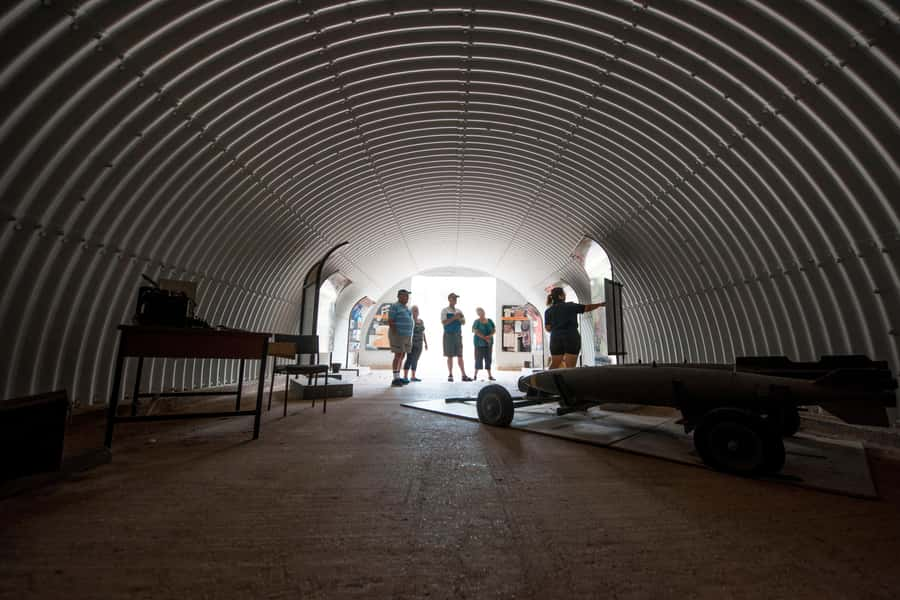
- See real military remains: Walk among bunkers, ammunition stores, gun positions, and other WWII relics at several sites.
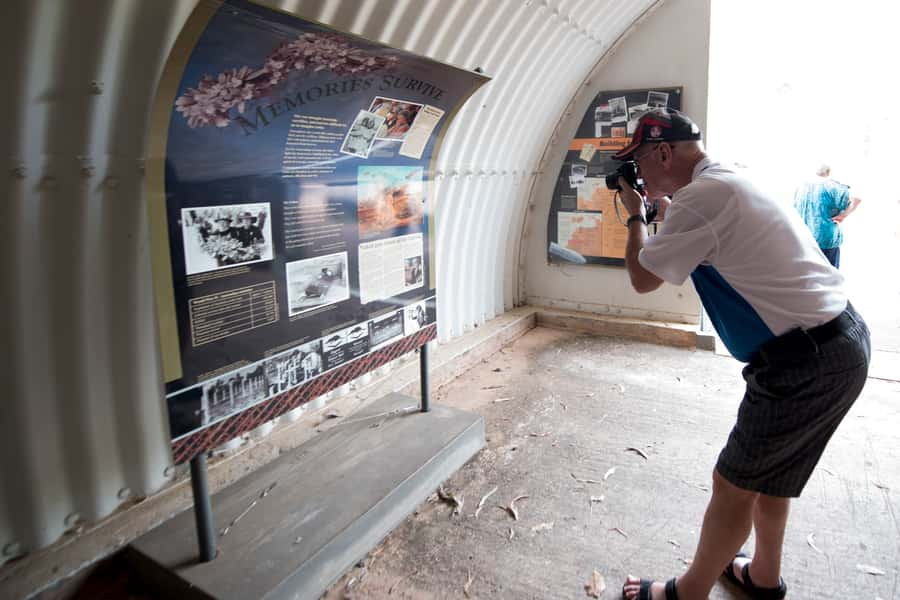
- The Defense of Darwin Museum matters: Its film, photographs, and personal testimony give the history a human face.
- The harbor cruise completes the picture: Pass Stokes Hill and Fort Hill wharves, Doctors Gully, Cullen Bay, and two historic shipwreck sites.
- Guides make the difference: Guides such as Mariet, Penny, Phil, Rob, and others have been praised for clear, engaging commentary.
- Plan for Darwin’s heat: Wear comfortable shoes, bring a hat and sunscreen, and carry water, which is supplied.
Why Darwin’s WWII story deserves a morning
Darwin was attacked by Japan on 19 February 1942, only weeks after the fall of Singapore. Two air raids hit the town, harbor, airfields, and military facilities. The attacks killed 243 people and destroyed much of Darwin’s infrastructure.
The scale can surprise you. Darwin is often treated as a starting point for Kakadu, Litchfield, or a trip farther north. Yet its own wartime past is one of the most important stories in the Northern Territory. This tour is useful because it does not leave the history inside one museum. You move through the places where the defenses were built, where bombs fell, and where ships were lost.
I also like the way the tour avoids making the subject feel like a dry list of dates. The guides connect the sites to the people who lived through the attacks. That matters in Darwin, where the remains can otherwise look like scattered concrete and rusting metal with no clear meaning.
The morning is not light entertainment. The subject includes death, destruction, and the suffering caused by war. The museum film and historical accounts can be thought provoking. You should come ready to pay attention, not simply fill a spare morning before lunch.
More Boat Tours in Darwin
- Litchfield National Park and Jumping Crocodile Cruise
★ 5.0 · 2,119 reviews - Sunset 3-Hour Cruise from Darwin with Dinner and Sparkling Wine
★ 5.0 · 980 reviews - From Darwin: Litchfield Park Tour & Jumping Crocodile Cruise
★ 4.9 · 829 reviews
A practical start at 7:45 or 8:00 AM
The tour lasts 270 minutes, or four and a half hours. Hotel pickup is available from Darwin city hotels, with pickup beginning before 8:00 AM. You are asked to wait in your hotel lobby at 7:45 AM.
You can also meet the group at 8:00 AM at the Aquascene Fish Feeding car park on 28 Doctors Gully Road. This option has unlimited free parking, which is useful if you have hired a car or are staying outside the city pickup area.
The vehicle takes you between several sites, so the morning is more efficient than trying to arrange separate taxis or rental-car stops. It also lets the guide explain what you are seeing as you move around Darwin. Past guides have included Mariet, Penny, Phil, Rob, and others. Names may vary on your date, but the strongest part of the guiding is the local focus and the steady stream of historical detail.
A small-group feel is possible, though the exact group size is not stated. One person described a relaxed outing with only a small group. That can make a difference when you want to ask about a site or take a moment to look around.
Charles Darwin National Park and its ammunition stores
Charles Darwin National Park is one of the first important stops. Here, you see WWII bunkers, ammunition storage areas, and other military remains set among Darwin’s coastal surroundings.
The value of this stop is physical scale. A museum can explain wartime planning, but a bunker shows the practical side of defense. You can see the heavy structures built to protect ammunition and military supplies from attack. The remains help explain why Darwin was treated as an important military base, even though it was a small and remote town.
The park also gives the tour room to breathe. You are not only looking at display cases. You are walking through an actual military site and hearing how it fitted into Darwin’s defenses.
Wear shoes with decent support. The tour information specifically recommends comfortable footwear, and you will get more from the park if you can walk and stand without fuss. A hat and sunscreen are just as important in the Northern Territory sun. Water is included, but food and other drinks are not.
The Defense of Darwin Museum brings the story close
The Defense of Darwin Museum is the central indoor stop. It presents the Bombing of Darwin through photographs, objects, film, and accounts connected to the people who were there.
A film using photos and testimony from the period has made a strong impression on many people who had little prior knowledge of the attacks. That is one reason this stop can feel more powerful than a simple display of military hardware. The human accounts show how quickly an ordinary day became a crisis.
You should allow yourself time to take in the film and exhibits rather than rushing straight through. This is also where the two air raids become more than a date in a textbook. You begin to understand the damage to the town and the fear experienced by those caught in it.
The museum is one place where the schedule may feel tight. Some people wanted another half hour here, and that is a fair point. The tour covers several sites plus a harbor cruise, so the museum visit cannot run like a full-day museum visit. If military history is your main interest, you may want to return independently for a longer look.
Still, the inclusion of the museum is a major reason the tour offers good value. Entry is covered, and you do not have to work out how to connect it with the more distant military sites.
A different sort of day out, same corner of Darwin:
- Adelaide River Cruises – Jumping Crocodile Experience
★ 5.0 · 997 reviews - Charles Darwin Dinner Cruise
★ 4.5 · 820 reviews - Cape Adieu Darwin Sunset Dinner Cruise
★ 5.0 · 750 reviews - 1 Day Corroboree Billabong Wetland Experience including 2.5 hour cruise + lunch
★ 5.0 · 501 reviews
East Point and the wider military precinct
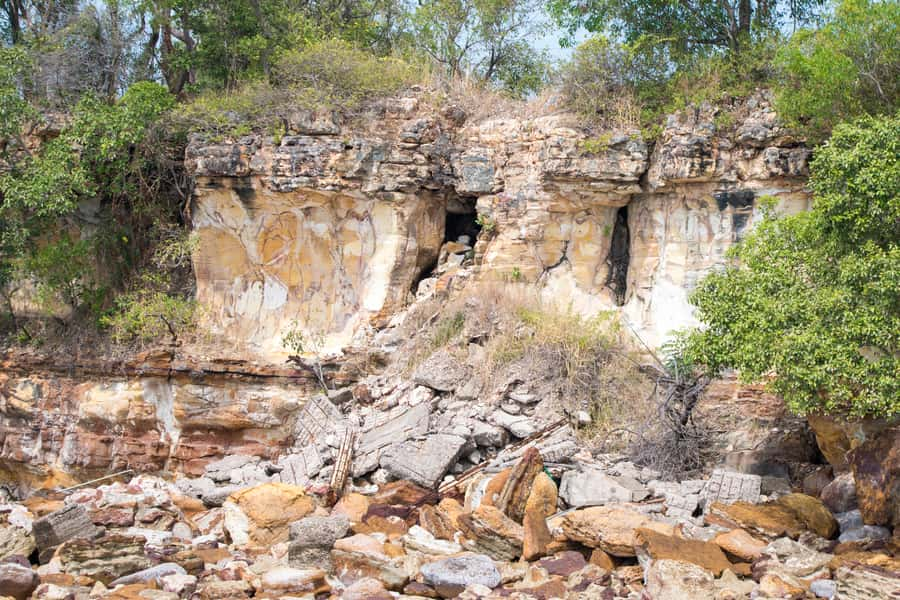
The East Point Military Precinct adds another layer to the story. This area helps explain how Darwin was defended and how its military role continued during WWII.
The tour also visits the Myilly Point Heritage Precinct. Together, these stops broaden the experience beyond the bombing itself. You see how military planning, civilian life, and Darwin’s built past overlapped.
The guides are particularly useful here because the remains may not explain themselves. A well-told account can turn a wall, position, or abandoned structure into part of a larger story. Guides such as Mariet have been praised for giving plenty of information without overwhelming the group, while still allowing time to look around.
That balance is important. This tour covers a lot in one morning. You get a general view of Darwin’s history and several key sites, but you do not get a long, slow examination of every location. I would treat the land portion as a carefully chosen introduction rather than a complete study of every wartime remnant in the city.
The harbor cruise and Darwin’s wreck sites
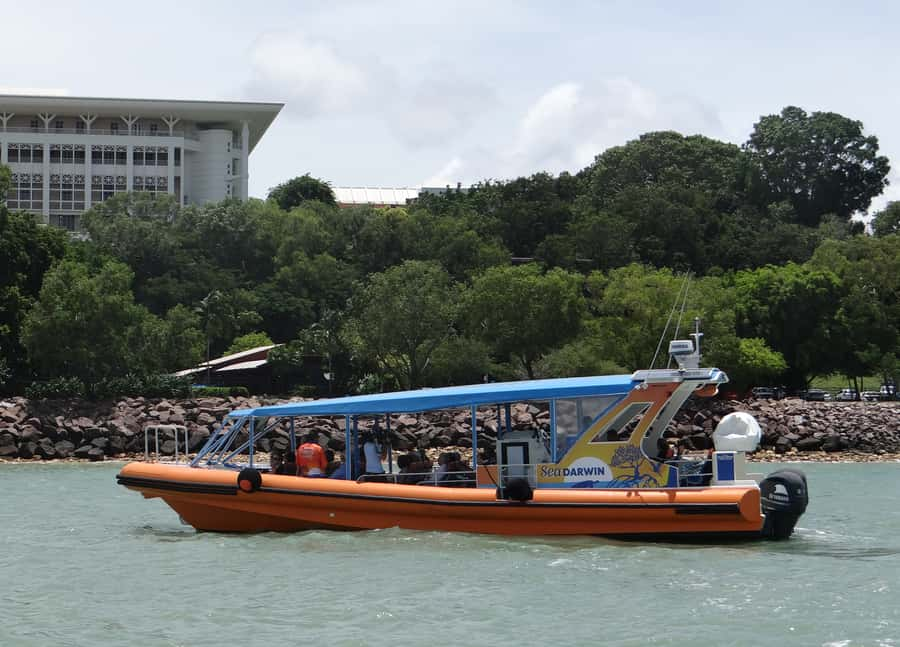
The final part is a one-hour cruise around Darwin Harbor. It changes the pace and gives you a view of the city’s wartime sites from the water.
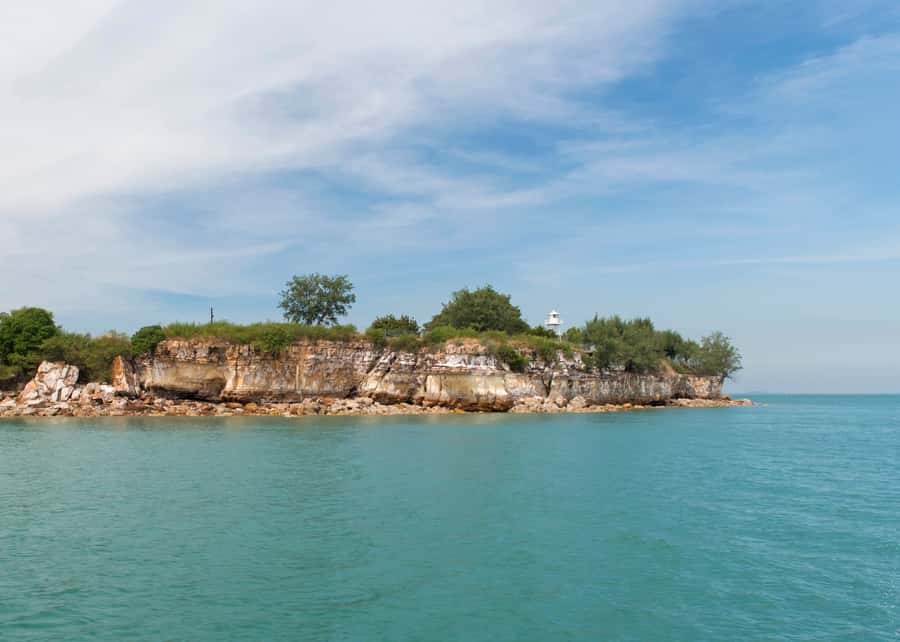
The route passes the historic Stokes Hill and Fort Hill wharf areas, then heads toward the wreck sites of the SS Neptuna and USS Peary. These wrecks are among the clearest reminders that the attacks were not limited to buildings on shore. Ships in the harbor were also caught in the raids.
You also pass the old flying boat base at Doctors Gully and continue toward Cullen Bay. From the water, you can see gun emplacements that are harder to understand from land. The cruise ties together places you have already heard about and gives you a better sense of Darwin’s harbor as a military target.
The boat guides have included people such as John, Dave, Andrew, Tyler, and Rob, depending on the departure. Their role is more than pointing out landmarks. They explain the harbor’s wartime connections and help you picture how the water, wharves, ships, and shore defenses worked together.
Conditions can affect this part of the tour. At low tide, the boat may not get as close to some landmarks. Choppy water can also lead to a change in the embarkation point for safety and comfort. That flexibility is sensible, but you should understand that the exact water-level view is not guaranteed on every departure.
How the tour handles its limited time
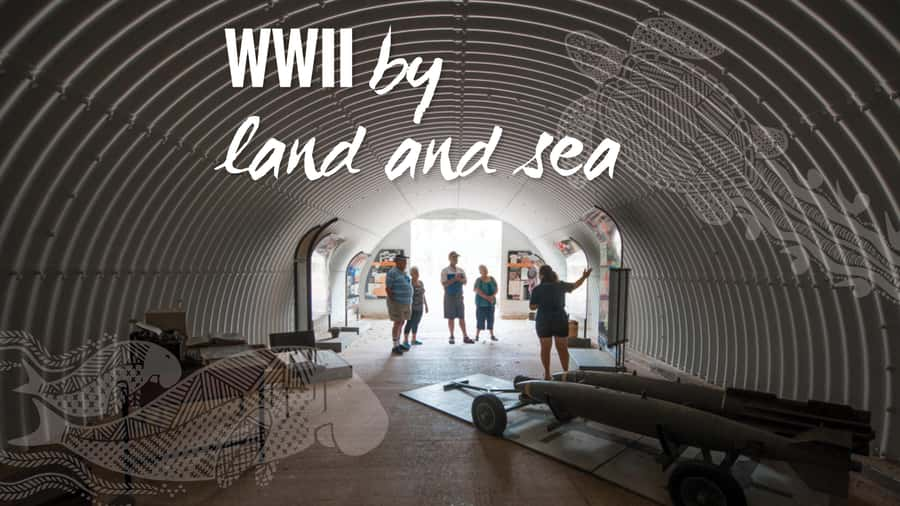
The strongest feature of this experience is its range. In one morning, you visit a national park, a museum, military precincts, heritage sites, and the harbor. You also get hotel transport, entry fees, water, and the cruise included.
The tradeoff is depth. Four and a half hours is long enough to build a strong understanding of Darwin’s WWII story, but not long enough to linger at every stop. One person called it a good short tour but felt the military museum deserved more time. Another felt the length was just right.
My advice is simple: if you want an introduction, the timing works well. If you want a specialist military-history day, you may find yourself wishing for a longer option or a second visit to the museum.
The tour is also a useful first morning in Darwin because it helps you get your bearings. You see parts of the city and suburbs that are difficult to cover without a car. Afterward, you can decide which museum, park, or harbor area deserves more of your own time.
Is the $105 price good value?
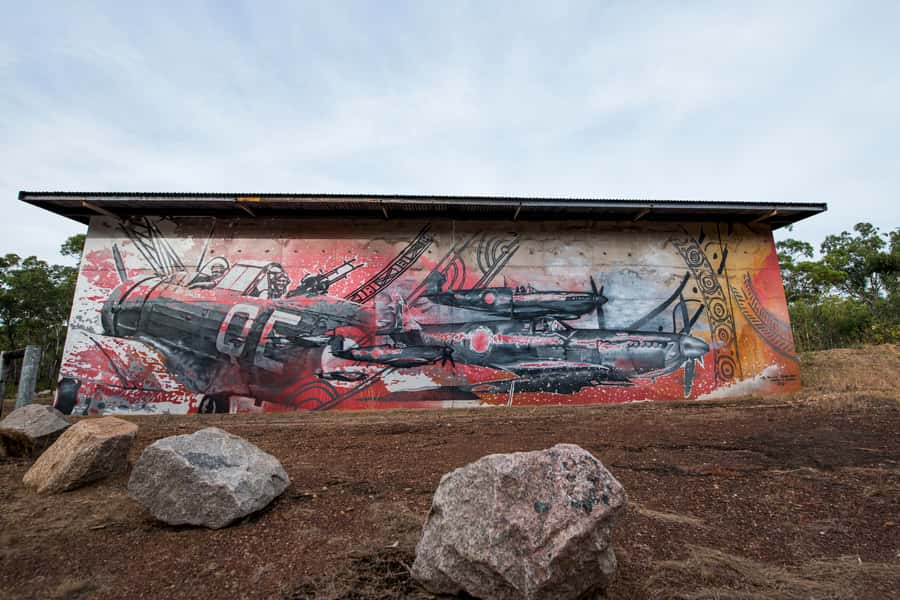
At $105 per person, this is not the cheapest way to spend a morning in Darwin. But the price includes hotel pickup and drop-off, entry to Charles Darwin National Park, entry to the Defense of Darwin Museum, entry to the Darwin Military Museum, and a one-hour harbor cruise.
The value comes from combining transport, interpretation, and several admissions. If you hired a car, paid separate entry fees, and arranged a harbor trip, the costs could add up. You would also lose the benefit of having a guide explain the links between the sites.
I think the price is fair for someone who wants a focused history tour without managing the logistics. It is less compelling if you already have a car, plan to visit the museums at length, and only want a quick harbor ride.
Food and drinks are not included, so eat before pickup or bring something suitable. Water is provided, but this is still a morning in a hot climate. A hat, sunscreen, and comfortable shoes are practical essentials.
The tour is not suitable for wheelchair users. If mobility is a concern, check your needs before booking, since the itinerary includes outdoor military sites and several stops.
Who will enjoy this Darwin history tour?
I would recommend it most strongly to first-time visitors who want to understand Darwin beyond its tourist center. It also suits people interested in WWII, military architecture, local history, and the personal stories behind major events.
Families can enjoy it too. One account describes a 10-year-old taking part happily, though the subject matter is serious and parents should decide if the bombing story is suitable for their child.
This is not only for history specialists. Several guides have been praised for using clear stories, good humor, and practical explanations. You do not need to arrive with prior knowledge. The tour starts with an introduction and builds the story stop by stop.
It may be less suitable for you if you dislike organized sightseeing, want long periods at one museum, or prefer to explore entirely at your own pace. The schedule is structured, and you move on when the group needs to move on.
Should you book it?
Book this tour if you want a well-organized introduction to the Bombing of Darwin, especially if you do not have a car. The combination of real bunkers, the Defense of Darwin Museum, East Point, and a harbor cruise gives you a fuller picture than any one stop alone.
I would book early in a short Darwin stay because it covers the city’s WWII story in one morning and leaves your other days open for parks or longer excursions. Just set your expectations correctly: this is a strong overview, not a full-day research visit. If you want extra museum time, plan to return later.
The best reason to go is that the tour makes Darwin’s past visible. You leave with a clearer sense of what happened on 19 February 1942 and where those events took place. At $105, that is a reasonable exchange for transport, admissions, expert commentary, and a different view of the harbor.
FAQ
How long does the Bombing of Darwin tour last?
The tour lasts 270 minutes, or four and a half hours. It includes the land-based sightseeing and a one-hour cruise around Darwin Harbor.
What time does the tour start?
Hotel pickup begins before 8:00 AM, and you should wait in your Darwin city hotel lobby at 7:45 AM. You can also meet at 8:00 AM at the Aquascene Fish Feeding car park at 28 Doctors Gully Road.
Is hotel pickup included?
Yes. Pickup and drop-off are available from Darwin city hotels. You can also drive to the meeting point, which has unlimited free parking.
What sites are included?
The tour includes Charles Darwin National Park, the Defense of Darwin Museum, the Darwin Military Museum, the East Point Military Precinct, the Myilly Point Heritage Precinct, and several harbor landmarks and wreck sites.
What should I bring?
Bring comfortable shoes, a sun hat, and sunscreen. Drinking water is included, but food and other drinks are not.
Is the tour suitable for wheelchair users?
No. The activity is not suitable for wheelchair users.
Just added around Darwin
- Tiwi Islands Cultural Experience from Darwin Including Ferry★ 4.0 · 97 reviews
- Bombing of Darwin World War II Tour with Harbour Cruise★ 4.5 · 219 reviews
- 1-Hour Thunderball WWII Adventure Jet Skiing in Darwin★ 5.0 · 70 reviews
- Royal Flying Doctor Service Tourist Facility: Two Iconic Territory Stories★ 5.0 · 256 reviews
- Darwin Combo: The Bombing of Darwin Experience & Darwin Harbour Cruise★ 4.5 · 123 reviews
- Litchfield Park & Jumping Crocodile Cruise★ 5.0 · 37 reviews
- Litchfield & Berry Springs VIP Adventure Day Tours (group of 11)★ 5.0 · 142 reviews
- Adelaide River Jumping Croc Cruise★ 4.5 · 56 reviews
Cruises & Boat Tours, compared.
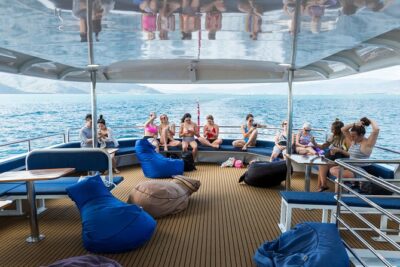
Great Barrier Reef Snorkeling and Diving Cruise from Cairns
Read our review →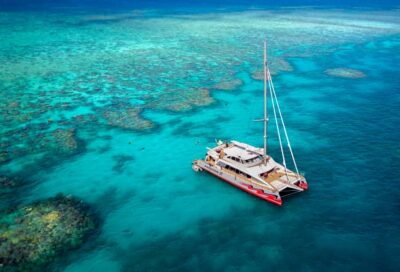
Great Barrier Reef Cruise by Premium Catamaran
Read our review →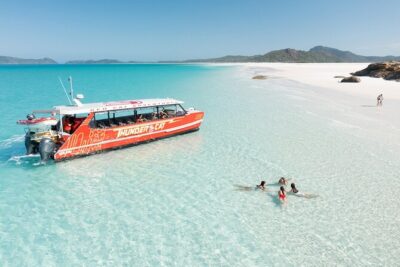
Whitehaven Beach and Hill Inlet Lookout Snorkeling Cruise
Read our review →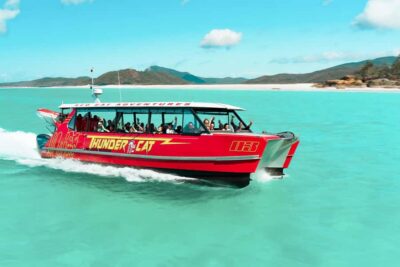
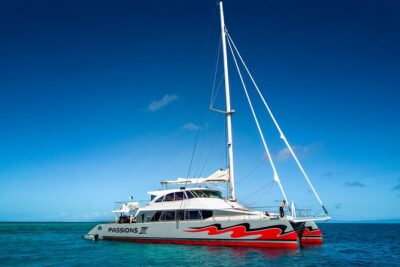
Passions of Paradise Great Barrier Reef Cruise by Catamaran
Read our review →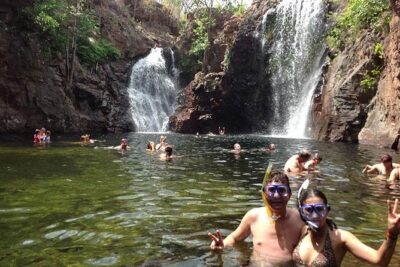
Litchfield National Park and Jumping Crocodile Cruise
Read our review →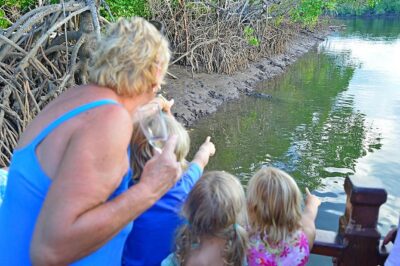
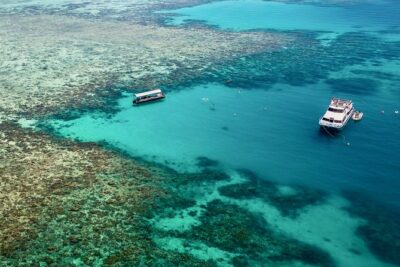
Ocean Freedom Great Barrier Reef Luxury Snorkel and Dive Cruise
Read our review →Browse the lists this tour appears in