
Reviewed · DARWIN
Darwin: 1-Hour Bombing of Darwin Cruise
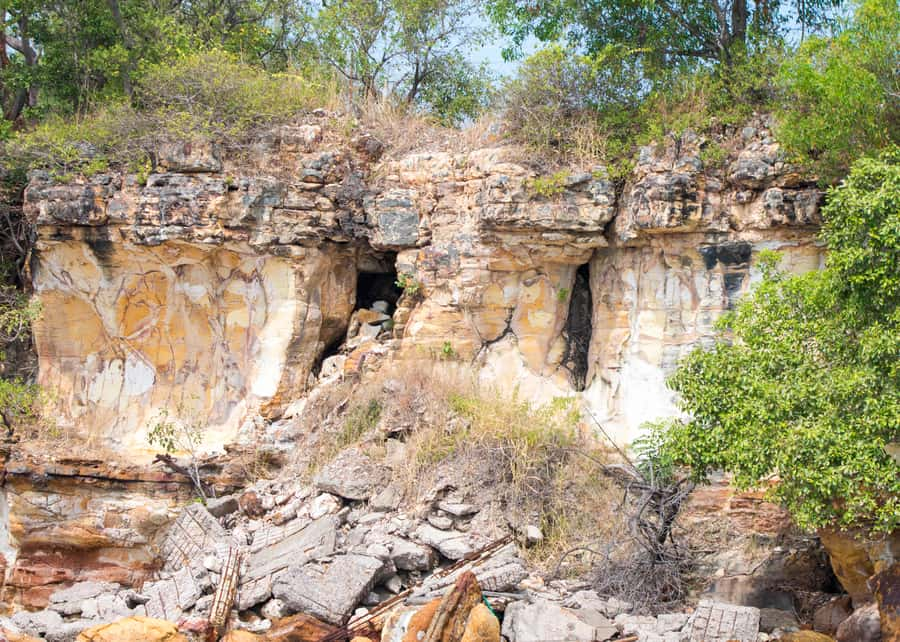
Darwin Harbour still carries the marks of 19 February 1942, and this short cruise lets you see that story from the water. You’ll pass the USS Peary wreck site by sonar, look toward wartime oil storage remains, and hear how the attack unfolded around Stokes Hill Wharf. I like the real-time commentary and the way the cruise connects military events with the harbour you see today. I also like the Tiwi-owned focus, which includes the role of Tiwi coastwatchers who gave early warnings.
The one-hour length is a strength for most people, but it also limits how much ground the guide can cover. The sound system may not be equally clear from every place on the boat, especially when the guide moves around. Arrive at Dock 2 ten minutes early, wear comfortable clothes, and note that the cruise is not suitable for people with mobility impairments.
Key points before you book
- The USS Peary is located with sonar: You see the approximate wreck site beneath the harbour rather than boarding a shipwreck.
- Stokes Hill Wharf has real wartime meaning: The cruise begins at the point described as ground zero of the first enemy attack on Australian soil.
- The guide keeps the hour lively: Adrian and Dani are among the guides associated with the experience, with a style that combines clear history and light humour.
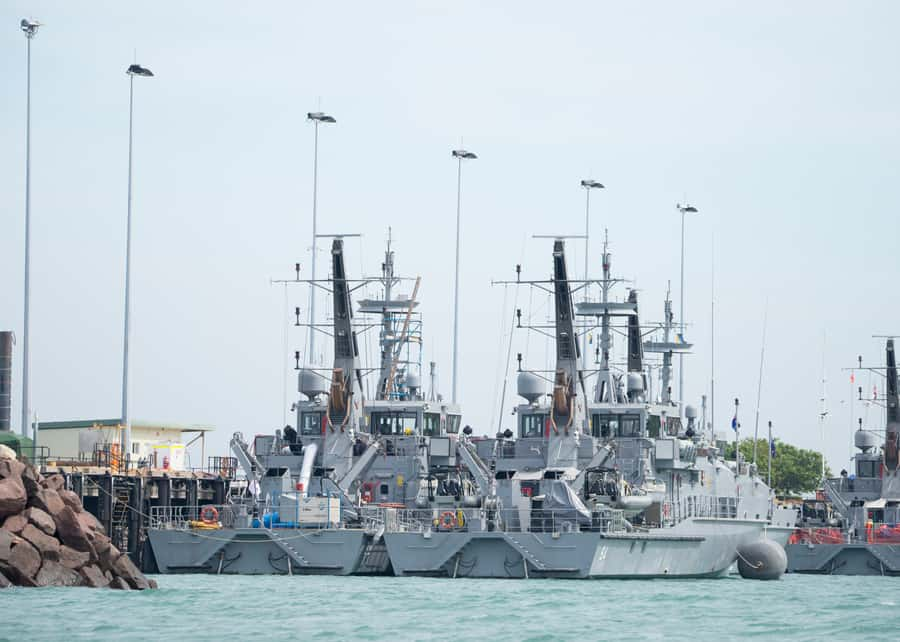
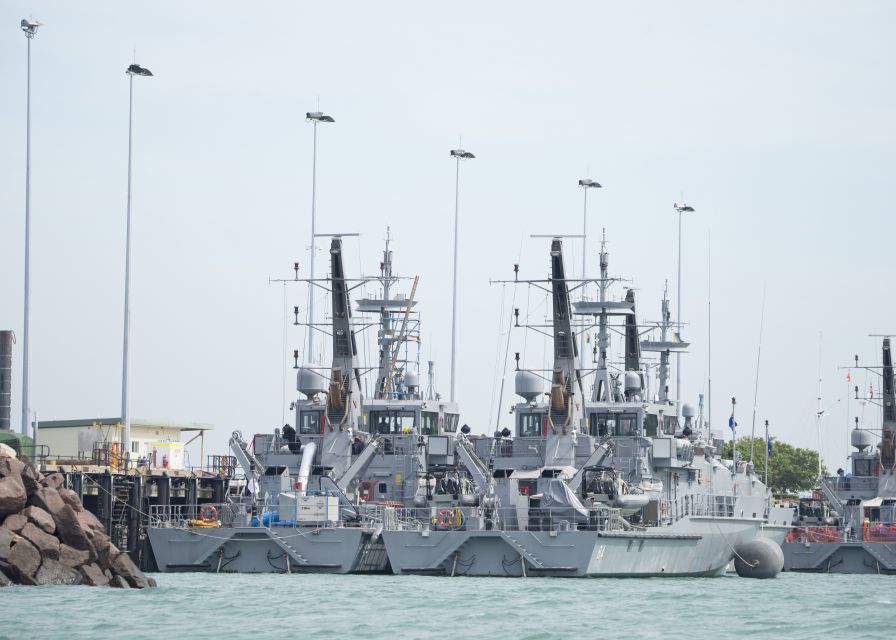
- Modern naval activity adds context: Docked warships and the working naval base may form part of what you see from the harbour.
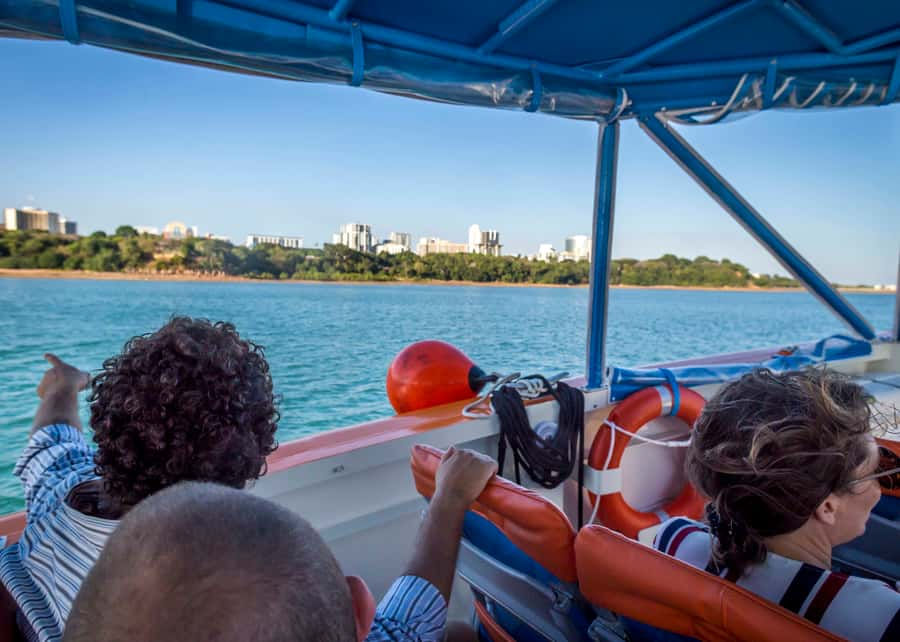
- The route reaches Cullen Bay: You get a water-level view toward Cullen Beach and Mindil Beach, along with wartime gunner positions and oil tank remains.
- It costs $46 for one hour: That is fair value if you want a focused introduction to Darwin’s wartime past, not a full museum visit.
Why Darwin Harbour is the right place for this story
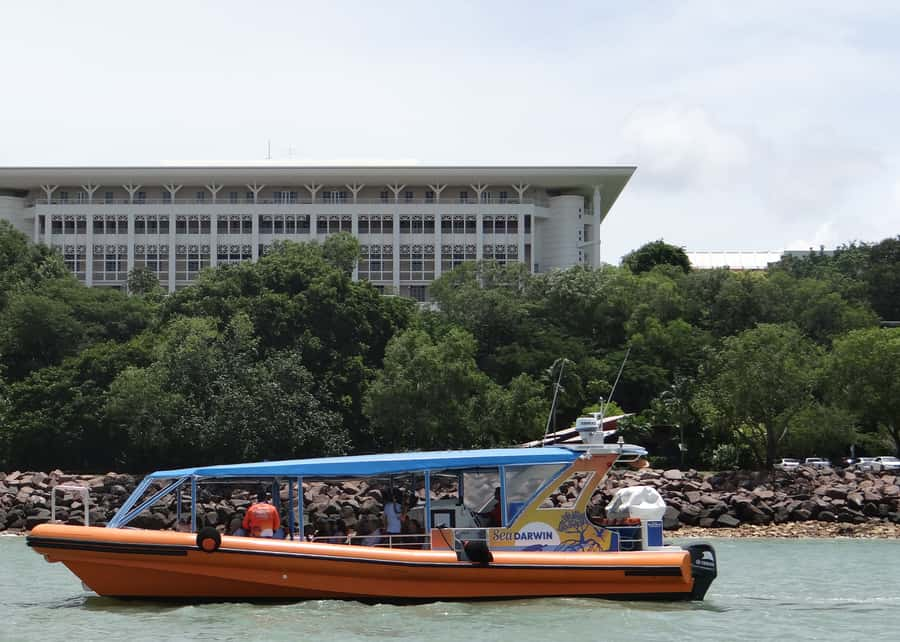
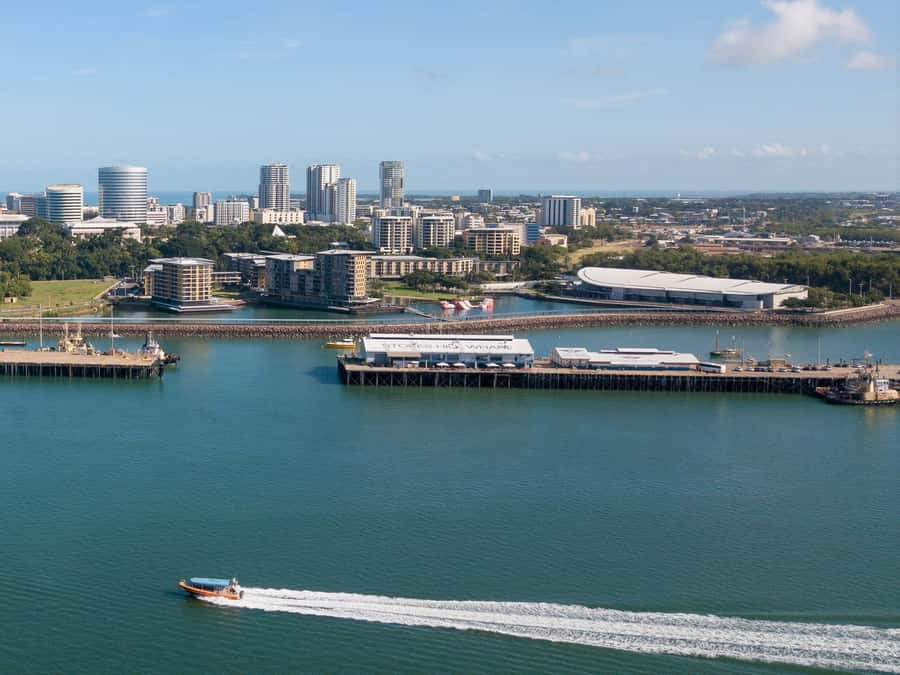
The Bombing of Darwin is often treated as a chapter in military history. On this cruise, the harbour itself becomes part of the explanation. You leave from Stokes Hill Wharf, the setting for the first attack on Australian soil, then move across the water where ships, fuel stores, naval facilities, and coastal positions all played a part.
That setting makes the story easier to follow. Instead of sitting indoors and looking at a map, you can connect the spoken account to the water, shorelines, naval activity, and wreck site around you. I find that useful if you know the broad outline of the attack but want to understand how the physical setting shaped events.
The focus is 19 February 1942, when Japanese aircraft attacked Darwin. The guide explains the motives and actions of the Australians, Americans, and Japanese, as well as the confusion of the day. That last part matters. This is not presented as a neat sequence of military decisions. It is a story of warning, chaos, bravery, loss, and survival.
The tour also includes a local Indigenous connection. As a Tiwi-owned experience, it gives attention to Tiwi coastwatchers and their early warnings. That helps broaden the story beyond ships and aircraft. You hear about the people who played a role in alerting others, even if their contribution is less familiar than the names of military units and vessels.
More Boat Tours in Darwin
- Litchfield National Park and Jumping Crocodile Cruise
★ 5.0 · 2,119 reviews - Sunset 3-Hour Cruise from Darwin with Dinner and Sparkling Wine
★ 5.0 · 980 reviews - From Darwin: Litchfield Park Tour & Jumping Crocodile Cruise
★ 4.9 · 829 reviews
Leaving Stokes Hill Wharf
Meet the boat at Sea Darwin Dock 2, Stokes Hill Wharf. You should arrive ten minutes before departure. The cruise lasts one hour and returns to the same wharf, so it is easy to fit into a day of sightseeing in central Darwin.
The departure point is not just a convenient pier. It is tied directly to the wartime story, described as ground zero of the first enemy attack on Australia. That gives the opening minutes more weight than a standard harbour trip. Before the boat has gone far, you are already standing in a place connected to the events being discussed.
The boat provides a comfortable way to cover the harbour without committing to a long excursion. You can get out on the water, look across the shoreline, and listen as the guide sets the scene. The experience is in English, with live commentary rather than a recording, so the delivery can respond to what the group is seeing.
That personal delivery is one of the cruise’s better features. Guides such as Adrian and Dani have been praised for keeping the pace steady and the material accessible. The style is informative without becoming stiff, and humour sometimes lightens the hour without taking away from the subject.
Following the attack across Darwin Harbour
As you cruise toward Cullen Bay, the commentary brings together several strands of the story. You hear about the bombing itself, the military reasons behind it, and the people caught in the confusion. The guide also points out the sites that help explain Darwin’s wartime role.
One useful feature is the connection between past and present. You may see naval activity in the harbour, including warships docked in Darwin, while hearing about the port’s wartime importance. That contrast helps you understand that the harbour is not just a scenic stretch of water. It remains part of Australia’s defence and maritime life.
The route may also include views toward Cullen Beach and Mindil Beach, as well as gunner positions and naval facilities. These details make the trip feel broader than a single wreck stop. You are tracing a network of locations tied to the attack and the city’s defences.
The guide’s delivery matters here because a one-hour trip can easily become a list of dates and names. The stronger approach is to explain what you are looking at and why it mattered. Reports of the tour describe commentary that is well paced, lively, and occasionally amusing. That makes this a good choice if you have only a casual interest in military history, while still offering enough detail for someone who already knows the basics.
Finding the USS Peary with sonar
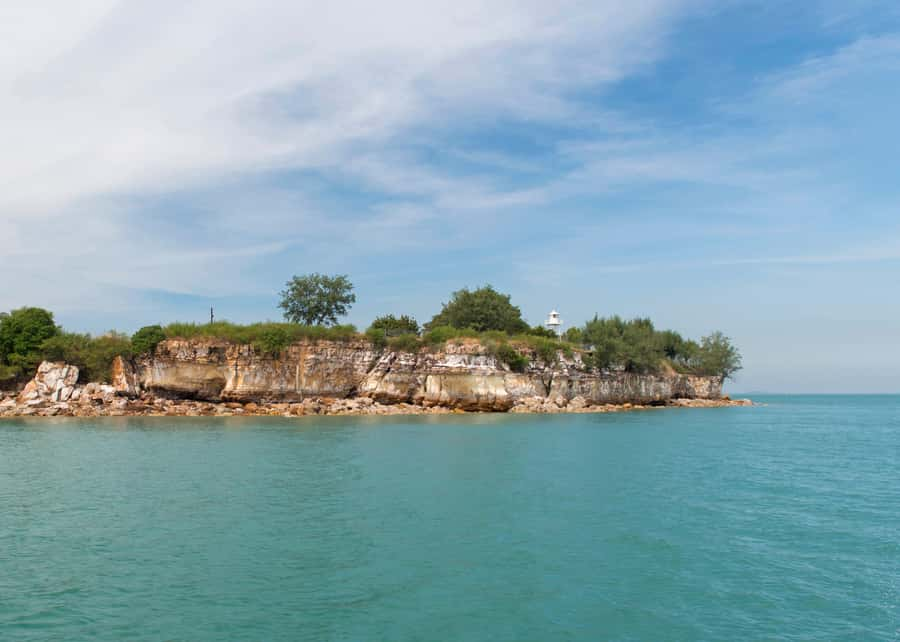
The most distinctive moment is the visit to the site of the USS Peary shipwreck. You do not descend to the wreck or see the entire ship from the surface. Instead, the crew uses sonar to locate the remains on the sea bottom.
That may sound modest, but it gives the wreck a real physical presence. You are not only hearing that a ship was lost in the harbour. You are looking at the location beneath the boat and considering what lies below. The sonar display provides a direct link between the spoken story and the water around you.
The USS Peary site can also become a quiet point of remembrance. On the 82nd anniversary of the attack, the cruise included flowers at the site and a minute of silence. That kind of tribute shows how the experience can move beyond sightseeing. The usual cruise is educational, but the wreck site carries an obvious emotional weight.
Your view may depend on where you are seated and how clearly the equipment is visible. The main value comes from the explanation and the act of locating the wreck, not from expecting a dramatic underwater view. I would set your expectations accordingly. This is a sonar-based history stop, not a glass-bottom boat trip.
A different sort of day out, same corner of Darwin:
- Adelaide River Cruises – Jumping Crocodile Experience
★ 5.0 · 997 reviews - Charles Darwin Dinner Cruise
★ 4.5 · 820 reviews - Cape Adieu Darwin Sunset Dinner Cruise
★ 5.0 · 750 reviews - 1 Day Corroboree Billabong Wetland Experience including 2.5 hour cruise + lunch
★ 5.0 · 501 reviews
Oil tanks, gun positions, and the firestorm
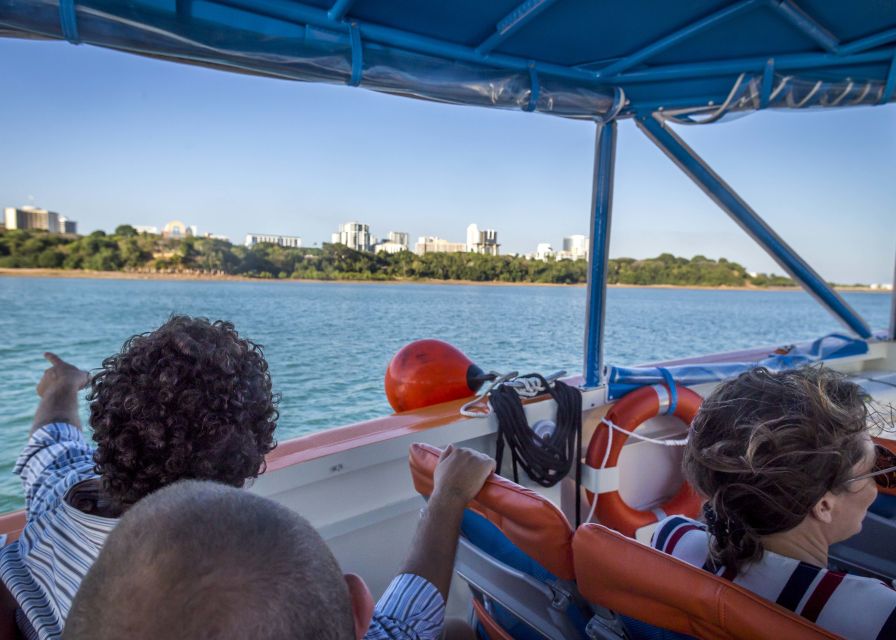
Another important part of the cruise is the remains of the oil storage tanks. The guide explains how fuel stores caught fire and helped create a firestorm during the attack. Seeing the remains from the harbour gives you a better sense of how vulnerable the port was and why the damage spread so quickly.
The gunner positions add another layer. From the boat, you can consider the coastal defences and the difficulty of responding during a sudden assault. These sites are not presented as isolated ruins. They fit into the wider explanation of ships, fuel, shore batteries, and military planning.
I appreciate this part of the trip because it deals with more than the aircraft attack itself. It shows how a port functions in wartime and how a city’s supplies and defences can become targets. If you want a full architectural or archaeological tour of every remaining wartime structure, this one-hour cruise will not be enough. If you want a clear overview with real locations in view, it does the job well.
Commentary, humour, and sound quality
The strongest praise for this experience centres on the guides. Adrian and Dani have been singled out for clear delivery, good pacing, and the ability to hold attention. Other guides have also been described as full of information while keeping the cruise lively.
That tone is important. The subject includes death, destruction, and fear, so a guide needs to show respect without making the hour feel like a lecture. The best moments combine plain explanations with small touches of humour. You get help understanding the decisions and confusion of the day, rather than a string of military terms.
There is one practical weakness: the sound system may need improvement. One account specifically noted that the audio was not always even when the guide walked from one end of the boat to the other. If you have difficulty hearing, sit close to the guide when possible and avoid letting other passengers block your view.
This is also why the boat’s size and seating position may affect your experience. The activity information does not specify a group size or seating arrangement, so you should not assume every spot offers the same view or sound. The crew’s live delivery is a major asset, but it works best when you can hear it clearly.
What $46 buys you
At $46 per person, the cruise sits in a reasonable range for a focused one-hour activity. You are paying for a live guide, a boat trip across Darwin Harbour, a sonar stop at the USS Peary site, and access to wartime views that are difficult to appreciate from land.
The value is strongest if you are already interested in Darwin’s military past or want a short introduction before visiting other history sites. The water setting adds something that a standard walk or indoor display cannot. You see naval activity, shore positions, beaches, wharf areas, and the wreck location in one compact outing.
The price is less compelling if you expect a long cruise, extensive time at several stops, or a full account of every wartime event in northern Australia. One hour goes quickly. The boat does not appear to stop for long shore visits, and the route is designed for commentary from the water.
A small extra touch may be offered on some trips. One cruise included an Anzac biscuit, which made a welcome snack for people who were hungry. I would not book the experience for food, since it is not listed as a core inclusion, but it fits the theme and can be a pleasant surprise.
Who should take this cruise
I would recommend it to anyone with a casual interest in Darwin’s military history, especially if you want an introduction that does not take half a day. It also suits history-minded visitors who prefer seeing actual places while a guide explains their role.
Families with older children may find the one-hour format manageable, though the subject is serious. The occasional humour helps with the pacing, but this is still a tour about war, loss, and destruction rather than a light harbour outing.
It is also a good choice if you have already visited Darwin’s museums or historic sites. The cruise gives you a different angle and helps connect separate places around the harbour. The Tiwi coastwatcher story adds an important local perspective.
You should think twice if you need step-free access or have a mobility impairment, since the activity is specifically marked as unsuitable for people with mobility impairments. You should also consider the audio issue if hearing live commentary is difficult for you.
Timing, cancellation, and simple preparation
The cruise lasts one hour and begins and ends at Stokes Hill Wharf. Check the available departure times when booking, since the exact schedule is not fixed in the information provided.
Wear comfortable clothes. You do not need specialist equipment, but arriving ten minutes early at Sea Darwin Dock 2 gives you time to find the correct meeting point without rushing.
You can cancel up to 24 hours before departure for a full refund, and the reserve now, pay later option lets you hold a place without paying immediately. Those terms are useful if your Darwin plans are still shifting.
The tour is conducted in English. If you want written background to keep afterward, bring your own notes or take time to visit another Darwin history site, since a souvenir information sheet is not part of the stated inclusions.
Should you book the Bombing of Darwin Cruise?
Book it if you want a short, focused history experience with a real sense of place. The USS Peary sonar stop, the wartime oil tank story, the Tiwi coastwatcher connection, and the live commentary give the hour more substance than a general harbour ride.
Skip it if you want a long sightseeing cruise, extensive time ashore, or guaranteed perfect audio from every seat. For most visitors, though, $46 is a fair price for a clear introduction to the bombing of Darwin, particularly if you value local guiding and seeing the harbour from the water.
FAQ
Where does the Bombing of Darwin Cruise depart from?
The cruise departs from Sea Darwin Dock 2 at Stokes Hill Wharf in Darwin.
How long does the cruise last?
The cruise lasts one hour and returns to Stokes Hill Wharf.
What language is the tour conducted in?
The live tour guide commentary is in English.
What will I see during the cruise?
You may see the USS Peary shipwreck site by sonar, wartime oil storage remains, gunner positions, naval facilities, modern naval activity, and views toward Cullen Bay, Cullen Beach, and Mindil Beach.
Is the USS Peary shipwreck visited directly?
The cruise visits the site and uses sonar to locate the remains on the sea bottom. It is not a boarding or underwater visit.
How early should I arrive?
You should arrive at Dock 2, Stokes Hill Wharf, ten minutes before the cruise.
Is the cruise suitable for people with mobility impairments?
The experience is listed as not suitable for people with mobility impairments.
Just added around Darwin
- 1-Hour Thunderball WWII Adventure Jet Skiing in Darwin★ 5.0 · 70 reviews
- Tiwi Islands Cultural Experience from Darwin Including Ferry★ 4.0 · 97 reviews
- Bombing of Darwin World War II Tour with Harbour Cruise★ 4.5 · 219 reviews
- Darwin Combo: The Bombing of Darwin Experience & Darwin Harbour Cruise★ 4.5 · 123 reviews
- Royal Flying Doctor Service Tourist Facility: Two Iconic Territory Stories★ 5.0 · 256 reviews
- Litchfield Park & Jumping Crocodile Cruise★ 5.0 · 37 reviews
- Litchfield & Berry Springs VIP Adventure Day Tours (group of 11)★ 5.0 · 142 reviews
- Adelaide River Jumping Croc Cruise★ 4.5 · 56 reviews
Cruises & Boat Tours, compared.
Great Barrier Reef Snorkeling and Diving Cruise from Cairns
Read our review →
Great Barrier Reef Cruise by Premium Catamaran
Read our review →
Whitehaven Beach and Hill Inlet Lookout Snorkeling Cruise
Read our review →
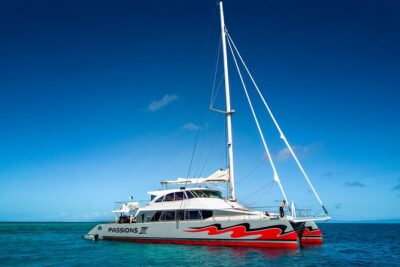
Passions of Paradise Great Barrier Reef Cruise by Catamaran
Read our review →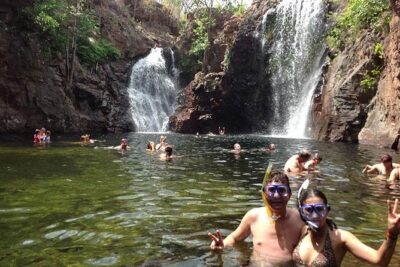
Litchfield National Park and Jumping Crocodile Cruise
Read our review →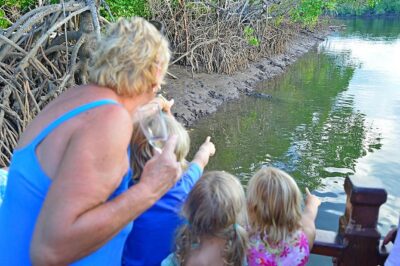
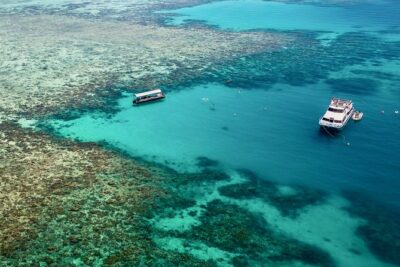
Ocean Freedom Great Barrier Reef Luxury Snorkel and Dive Cruise
Read our review →Browse the lists this tour appears in