Reviewed · PORT DOUGLAS & DAINTREE
Daintree River Rainforest: Crocodile & Wildlife Cruises (DG)
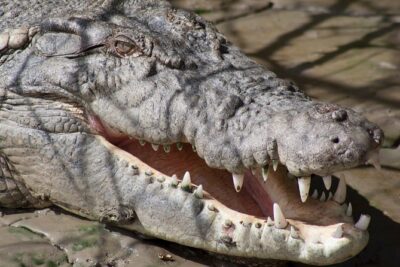
The best part of this Daintree River cruise is the chance to see saltwater crocodiles in the wild, from a steady boat that lets you shift position for photographs. Guides use radio contact to share sightings, so you are not relying on luck alone as the boat passes mud banks, mangroves, and quiet rainforest edges.
I like two things here: the 30-day pass gives you a reason to return when tides and weather change, and the guide adds useful detail about birds, reptiles, plants, and river life. The main drawback is that the actual cruise lasts about one hour, so the value depends on whether you can use the pass for more than one departure.
The Lower Daintree route begins at the Crocodile Express Kiosk on Cape Tribulation Road and travels around Pig Island before returning. You may see several crocodiles, or only a few, but low tide can improve your chances. The river is wild, and sightings can never be fully promised.
Key points to know before you go
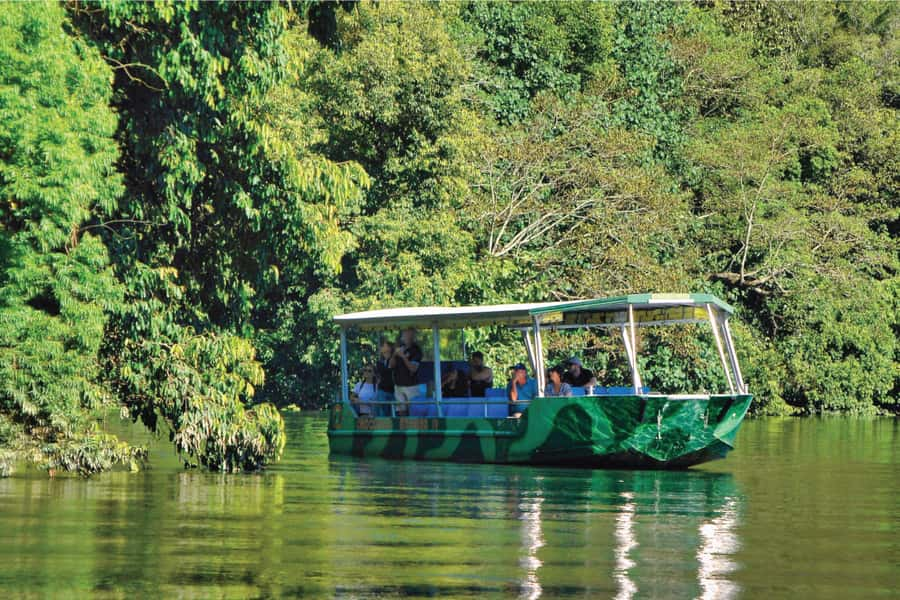
- A one-hour cruise with a 30-day return pass: Your ticket includes unlimited cruises for 30 days after first activation, including access to the Upper Daintree route at Daintree Village.
- Crocodiles are the main event: You might see females on the bank, young crocodiles near the water, or a large male sunning himself.
- Radio contact improves sightings: Guides share information between boats to help locate animals along the river.
- The boat is stable and roomy: You can move around to find a better viewing angle without disturbing the riverbank.
- Low tide is worth asking about: One passenger changed departure time to travel at low tide and saw several crocodiles.
- The guide makes the trip: Expect explanations about birds, fish, mangroves, rainforest plants, insects, and reptiles, all in English.
Starting at the Lower Daintree kiosk
You check in at the Crocodile Express Kiosk at 315 Cape Tribulation Road, in the Lower Daintree. This is the starting point for the main one-hour cruise, so allow enough time to arrive, check in, and board without rushing.
The setting matters. You are not being taken to a zoo enclosure or a narrow display tank. The boat enters the Daintree River system, where crocodiles rest on muddy banks, birds work the mangroves, and fish move through the darker water below.
That wild setting also means conditions shape the trip. Tides, sunlight, weather, and animal behavior all affect what you see. The operator describes the waterway as guaranteed crocodile country, but that does not mean every cruise produces the same number of sightings. You should arrive ready for a wildlife search, not a fixed stage show.
More Rainforest Tours in Port Douglas & Daintree
- Cairns: Daintree Rainforest and Mossman Gorge Tour
★ 4.6 · 2,485 reviews - Daintree Rainforest, Mossman Gorge Small-Group from Port Douglas
★ 5.0 · 2,326 reviews - Cape Tribulation, Mossman Gorge, and Daintree Rainforest Day Trip
★ 4.5 · 1,961 reviews
What the one-hour river route includes
After boarding, the boat travels through the Daintree River and its surrounding mangrove channels. The route follows mud banks and waterways around Pig Island before returning to the kiosk at 315 Cape Tribulation Road.
The boat is described as spacious, stable, and comfortable. That is more useful than it may sound. A small, twitchy vessel can make photography hard and can leave you stuck behind one person with the best view. Here, you can move around the boat to look toward the bank or frame a bird in the trees.
The cruise is also designed to limit disturbance. You observe the rainforest and mangrove habitat from the water instead of walking through sensitive areas. The result is a calm way to see parts of the Daintree that are difficult to reach on foot.
You may spend part of the trip simply watching the river slide past. That is not wasted time. The Daintree’s appeal is in the small details: a crocodile’s eyes above the water, a bird perched among mangrove roots, a butterfly near the bank, or a snake in a tree. The guide helps you notice these things instead of treating the trip as a quick crocodile count.
How the guides help you find wildlife
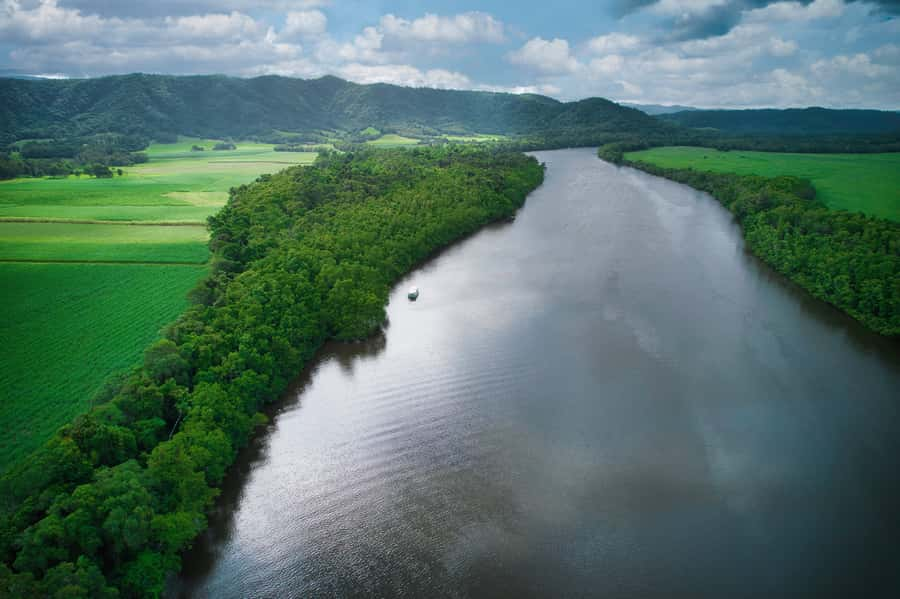
The guides are naturalists, and their role goes beyond steering the boat. They explain local flora and fauna, point out animals that blend into the riverbank, and use radio contact to keep track of sightings.
This teamwork can make a real difference. One guide may spot movement ahead while another boat reports a crocodile farther along the river. You still need patience, but the search is organized rather than random.
The strongest feedback centers on the guides’ ability to identify animals and explain what you are seeing. Bill has been praised for locating crocodiles and adding humor to his commentary. Other guides have helped passengers spot tree snakes, baby crocodiles, female crocodiles, and large adult males.
You may also hear about birds, fish, flying foxes, insects, reptiles, and butterflies. The boat does not focus only on the largest animal in the river. That broader view is valuable, especially if you enjoy natural history and want to understand how mangroves and rainforest support so much life.
The commentary is in English. If you appreciate a guide who mixes facts with a relaxed manner, this should suit you. If you want a silent, private boat ride with no narration, this is probably not the right format.
Crocodile sightings and what to expect
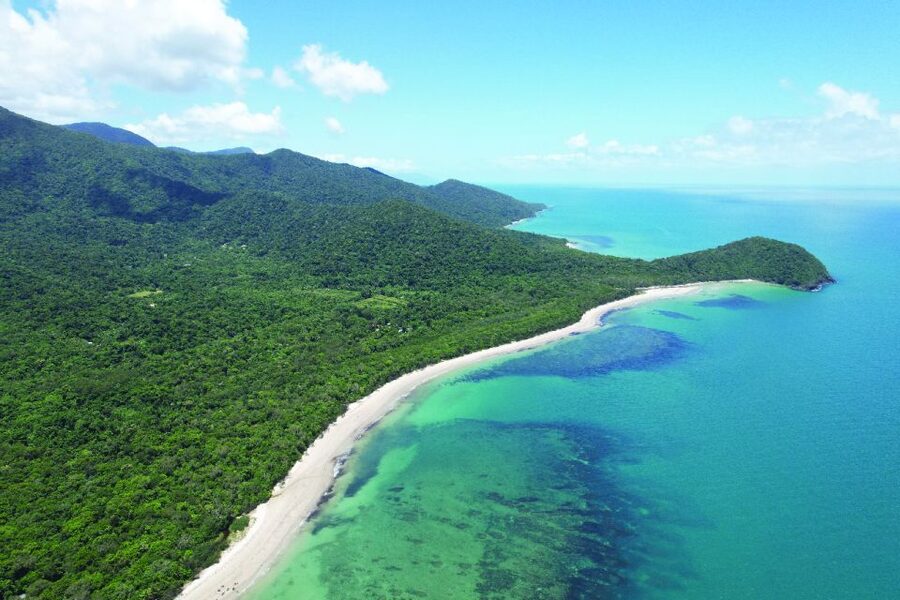
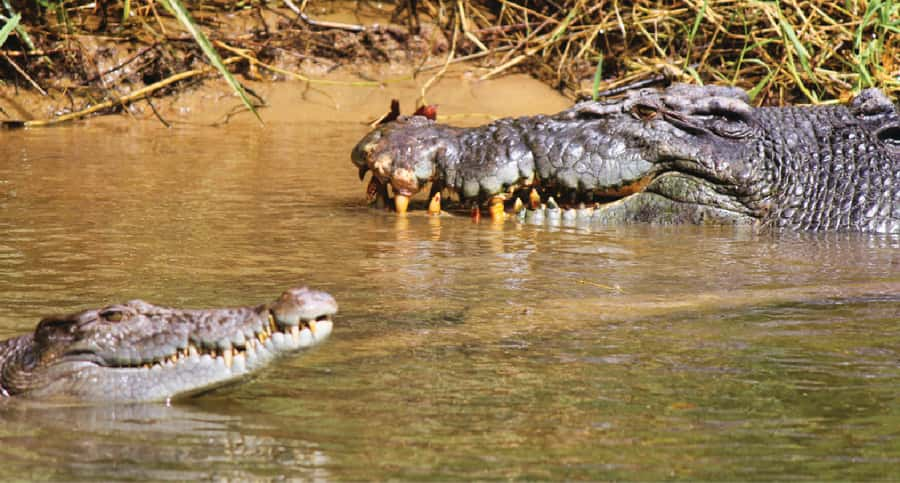
Saltwater crocodiles are the headline attraction. On different departures, people have seen two females resting on the bank, two young crocodiles, three salties, and one very large male warming himself in the sun.
Those examples show the range of possible sightings, but they should not be treated as a guarantee for your particular departure. Wildlife is unpredictable. A cool day, high tide, heavy rain, or a hidden animal can change the outing.
Low tide may help. One passenger changed the booking time to match a lower tide and saw female crocodiles on the bank, baby crocodiles, and a larger male that was nearly spotted. When you check in, ask which departure has the most favorable tide for crocodile viewing.
The boat stays at a safe distance, and you watch from the water. That distance is part of the value. You see crocodiles behaving in their natural setting, rather than being fed or encouraged to move for a show.
Look carefully at the banks. Young crocodiles may be harder to see than adults, and their size can make them easy to miss. The guide’s eyes are important here. A good sighting may begin as a small shape, a ripple, or two eyes beside the mud.
More Wildlife Tours in Port Douglas & Daintree
- Solar Whisper Daintree River Crocodile and Wildlife Cruise
★ 5.0 · 1,663 reviews - 1-Hour Daintree River wildlife cruise
★ 5.0 · 947 reviews - Cairns: Daintree Rainforest Wildlife Experience Cruise
★ 4.6 · 349 reviews - Daintree: River Rainforest Crocodile & Wildlife Cruise (DV)
★ 4.6 · 346 reviews
Beyond crocodiles: birds, snakes, and rainforest life
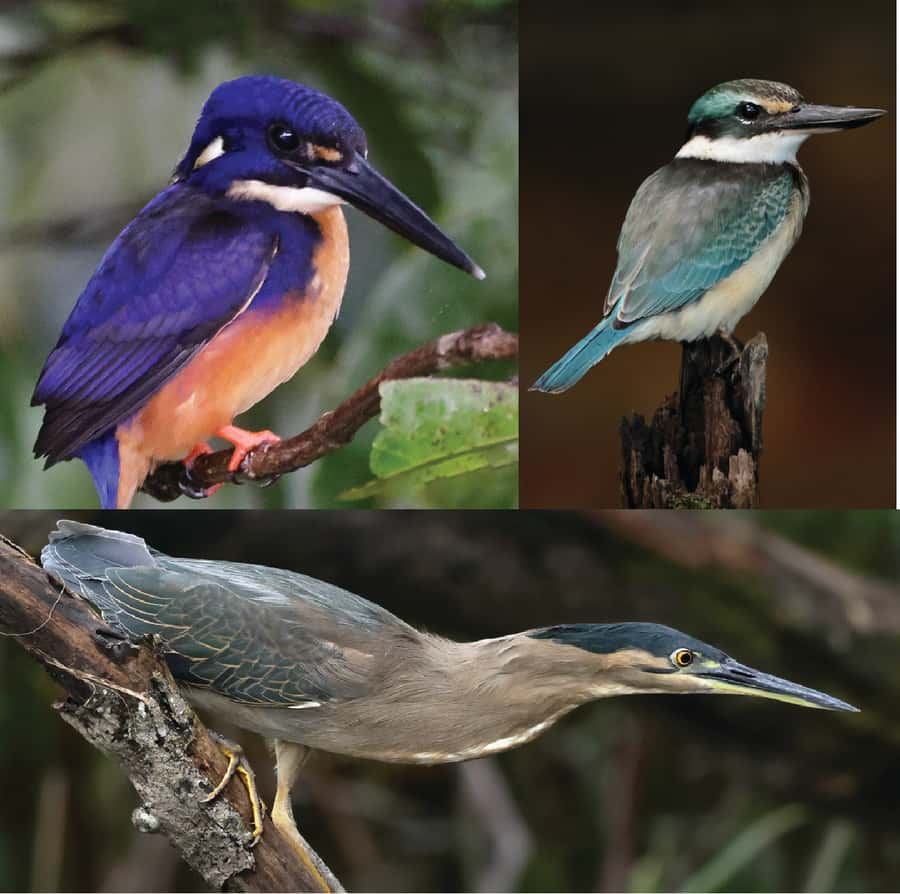
The Daintree River cruise works best when you treat it as a general wildlife trip with crocodiles as the main target. The mangroves and rainforest edges support many other species.
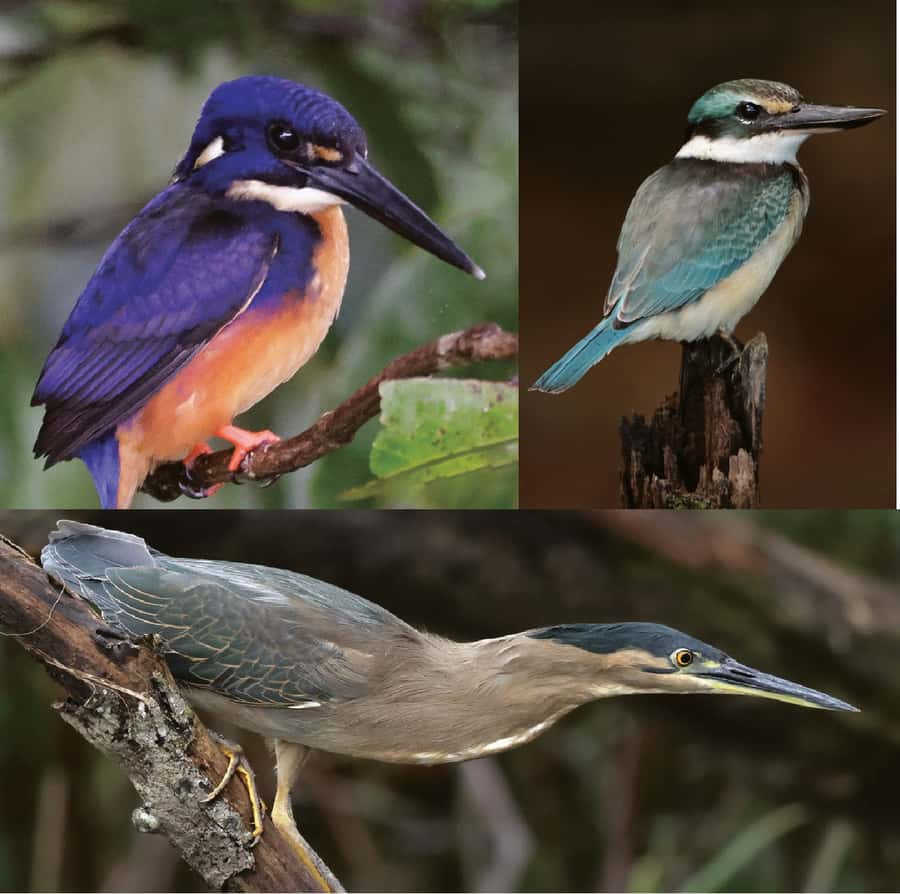
Birds are a regular focus of the commentary. Guides have pointed out multiple bird species and explained how the river flora and fauna fit together. You might also see butterflies, flying foxes, unusual insects, reptiles, or a tree snake resting in the branches.
A guide once redirected the boat toward a tree snake so passengers could get a closer look. That kind of moment shows why the naturalist element matters. You may not notice a snake from a moving boat, but an experienced guide can pick it out against leaves and bark.
The scenery is quiet and strongly tied to the water. You see mangrove roots, mud flats, rainforest growth, and the broad river channel. This is not a scenic cruise in the polished sightseeing sense. It is a working wildlife observation trip through habitat that can look still until you learn where to look.
Why the 30-day pass changes the value
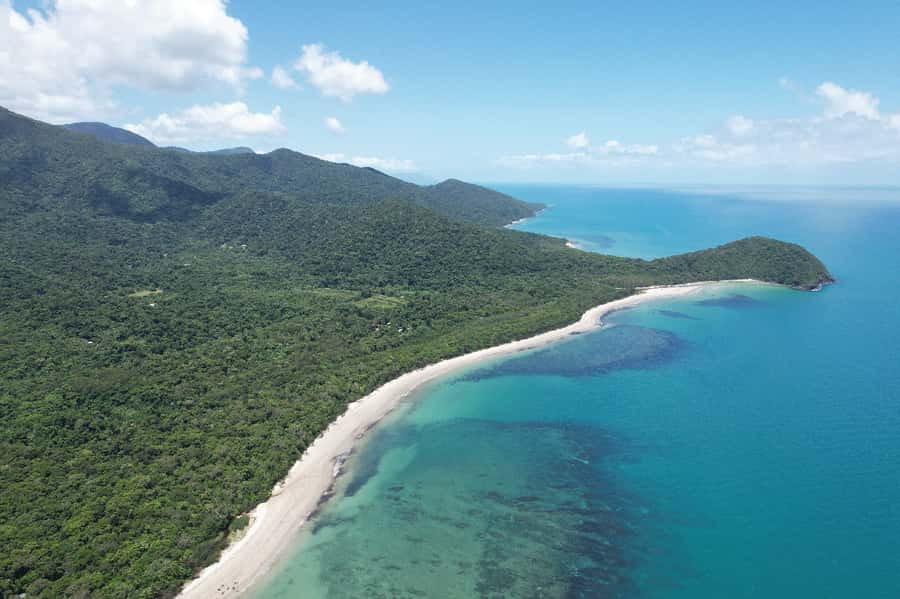
At $27 per person, the ticket is good value if you are staying in the area long enough to use the pass more than once. It remains valid for 30 days from first activation and allows unlimited cruises on the included Upper and Lower Daintree routes.
Your first cruise begins at the Lower Daintree kiosk. You can then use the pass for another Upper Daintree cruise at Daintree Village. The two areas offer a practical reason to repeat the experience: a different route, a different tide, or simply another chance to find animals that were hidden on the first trip.
For a short visit, think of the ticket as a one-hour wildlife cruise with the bonus of repeat access. For a longer stay, it becomes far more attractive. A second trip may let you try another time of day or return after seeing a particular species only briefly.
Ask at the kiosk about any current offer allowing paying passengers to take a free trip on a later departure when it is not sold out. This type of offer may depend on available seats, so do not build your plans around it, but it is worth checking.
Choosing a departure time
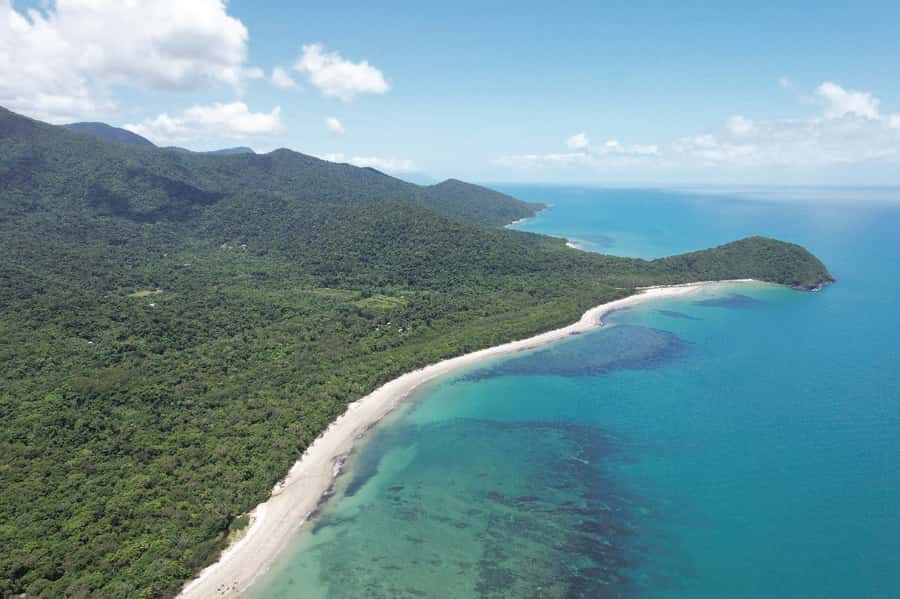
The supplied information does not give a fixed best time of day, and wildlife conditions can change. Tide is the clearest practical factor mentioned by passengers, with low tide producing useful crocodile sightings along exposed banks.
When you arrive, ask the staff about the tide and recent animal activity. If you have enough time, keep your schedule flexible so you can choose a departure that suits the river conditions rather than taking the first available boat.
Sunlight can also affect photographs, though the exact result depends on the day. A crocodile in open sun is easier to see than one beneath a shaded bank. The stable boat helps, but wildlife photography still requires patience and quick reactions.
You can move around the boat to seek a better angle. Keep your camera ready, but do not spend the entire cruise looking through a screen. A crocodile may appear for only a few seconds, and the guide’s call may be easier to follow if you are watching the banks directly.
Is this suitable for children and casual nature lovers?
The one-hour length makes this a manageable outing for people who do not want a full-day excursion. The stable boat and easy movement around the deck also make it less tiring than a long walking route through hot rainforest.
Families can enjoy the clear focus on crocodiles, while adults who like birds and plants will find more to watch. The guides add enough explanation to make the river meaningful without requiring specialist knowledge.
You should be comfortable with the uncertainty of wildlife viewing. If you need a guaranteed close-up of a crocodile, this is not the right kind of attraction. If you enjoy searching, listening, and spotting animals in place, the format works well.
The experience is also a good fit for photographers. You have room to change position, and the boat’s stability helps with quick shots. Still, there is no promise that animals will appear on your preferred side of the boat, so flexibility matters more than expensive equipment.
Practical details, cancellation, and language
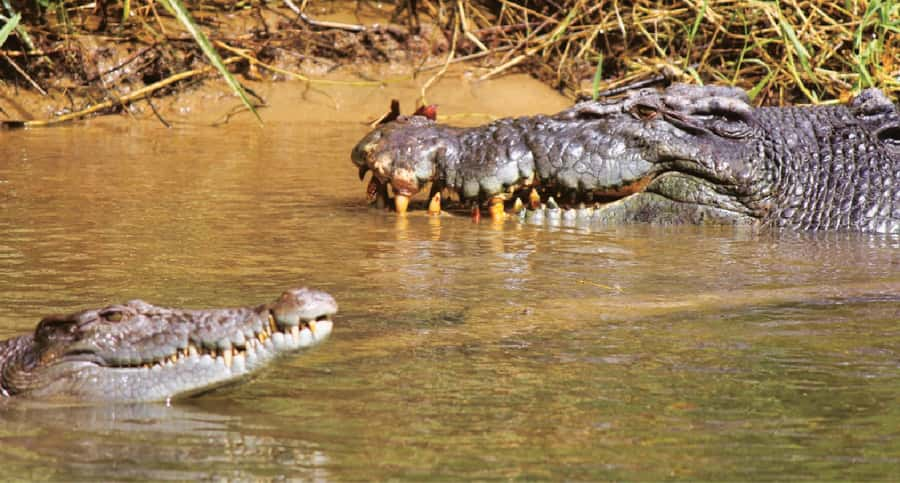
The activity is led in English, with an English-speaking live guide. The meeting point is the Crocodile Express Kiosk at 315 Cape Tribulation Road, Lower Daintree.
The cruise itself lasts one hour. The pass is valid for 30 days from activation and includes unlimited cruises, covering the Lower Daintree trip and the Upper Daintree option at Daintree Village.
You can cancel up to 24 hours before the activity for a full refund. You can also reserve now and pay later, which helps if your Daintree plans depend on weather or road timing.
The provider is Daintree Connection Pty Ltd. Since the activity operates on a natural waterway, keep your schedule loose enough to allow for a change of departure time if you want to line up your trip with a better tide.
Who should book the Daintree River cruise?
I would choose this cruise if you want a focused wildlife outing rather than a long guided walk. The strongest reasons are the chance to see crocodiles in their own habitat, the stable boat, the guide’s local knowledge, and the unusually generous 30-day pass.
The price is especially appealing for anyone staying nearby for several days or returning to the Daintree during a longer trip. Even if you only take one cruise, $27 is a reasonable cost for an hour on the river, but the pass becomes much better value when you make a second trip.
I would be more cautious if your schedule is tight and you cannot adjust for tide or return for another attempt. Sightings can be excellent, including babies, females, and large males, but the river remains wild and no departure can promise the same result.
For the best chance of a rewarding outing, ask about low tide, keep your eyes on the banks, listen for radio updates, and let the guide direct your attention. Book it if you want a calm, informative look at the Daintree’s crocodiles and wider river life, with the flexibility to try again.
FAQ
Where does the Daintree River cruise begin?
Check in at the Crocodile Express Kiosk at 315 Cape Tribulation Road in the Lower Daintree.
How long is the cruise?
The guided boat cruise lasts one hour.
How long is the pass valid?
The pass is valid for 30 days from the time you first activate it.
Can I use the pass more than once?
Yes. The pass includes unlimited cruises during its 30-day validity period.
Does the pass include both the Upper and Lower Daintree?
Yes. The initial trip uses the Lower Daintree meeting point, and the pass can also be used for an Upper Daintree cruise at Daintree Village.
What wildlife might I see?
You might see saltwater crocodiles, birds, butterflies, flying foxes, insects, reptiles, snakes, and fish. Sightings vary by departure.
What language is the tour conducted in?
The live tour guide speaks English, and the activity is offered in English.
Can I cancel the booking?
Yes. You can cancel up to 24 hours in advance for a full refund. You can also reserve now and pay later.
More Crocodile Tours in Port Douglas & Daintree
- Port Douglas: River Cruise, Crocodile Spotting, Drink/ Snack
★ 4.6 · 353 reviews - Port Douglas: Wildlife Habitat Swim with Crocodiles
★ 4.8 · 27 reviews - Litchfield National Park and Jumping Crocodile Cruise
★ 5.0 · 2,119 reviews - Adelaide River Cruises – Jumping Crocodile Experience
★ 5.0 · 997 reviews
Just added around Port Douglas & Daintree
- Daintree Rainforest Night Walk in Cape Tribulation★ 4.5 · 141 reviews
- Cape Tribulation & Daintree Wilderness (TCT)★ 5.0 · 136 reviews
- Ziplining Cape Tribulation with Treetops Adventures★ 4.5 · 27 reviews
- Port Douglas Sunday Markets Day Tour★ 4.0 · 25 reviews
- Cairns to Port Douglas ONE WAY Private Transfer 6 pax★ 5.0 · 36 reviews
- Private Cape Tribulation & Mossman Gorge Day Tour★ 5.0 · 26 reviews
- Mossman Gorge Daintree Experience Small Groups★ 5.0 · 57 reviews
- AIRPORT TRANSFER between Cairns Airport & Port Douglas (6am-5pm)★ 4.5 · 63 reviews
Crocodile Tours, compared.
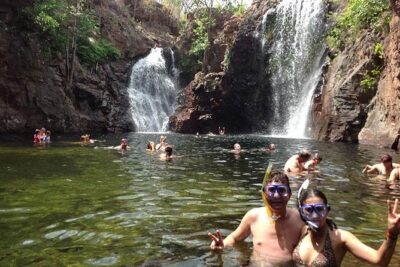
Litchfield National Park and Jumping Crocodile Cruise
Read our review →
Solar Whisper Daintree River Crocodile and Wildlife Cruise
Read our review →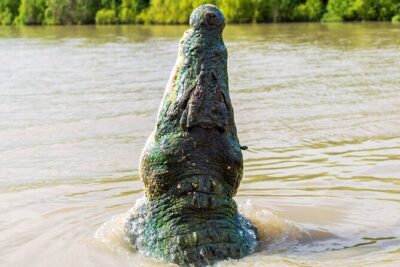
Adelaide River Cruises – Jumping Crocodile Experience
Read our review →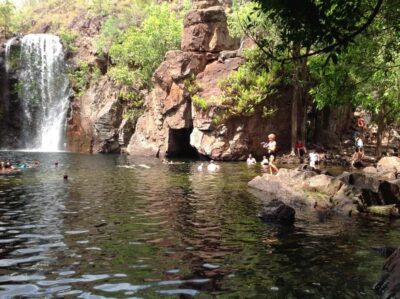
Litchfield Park Tour & Jumping Crocodile Cruise
Read our review →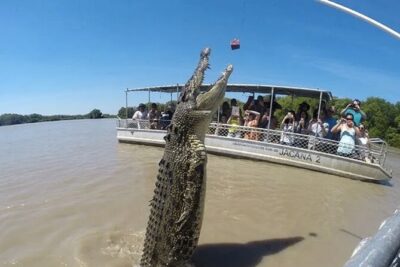
The Croc Bus to the Famous Jumping Crocodile Cruise
Read our review →
Litchfield and Jumping Crocodiles Full Day Trip from Darwin
Read our review →
Malcolm Douglas Crocodile Park Tour Including Transportation
Read our review →