
Reviewed · WESTERN AUSTRALIA
Albany: Historic Whaling Station Entry Ticket
Albany’s Historic Whaling Station gives you something rare: a chance to walk through a complete former whaling station, not just a museum display about one. You can enter the processing factory, see the whale chaser Cheynes IV, and stand beside the skeleton of a giant blue whale. I like the way the site shows both the working machinery and the human cost of the industry.
I especially like the short films inside the old whale oil tanks and the mix of exhibits, gardens, and wildlife. You are not limited to one building, so the $25 ticket can fill much of a day. The main drawback is that the subject can be confronting, particularly when you learn how whales were killed and processed here.
Key points at a glance
- Cheynes IV is a preserved whale chaser: You can board the world’s only preserved vessel of its kind.
- The processing factory remains the star: Restored equipment and working spaces help explain how the industry operated.
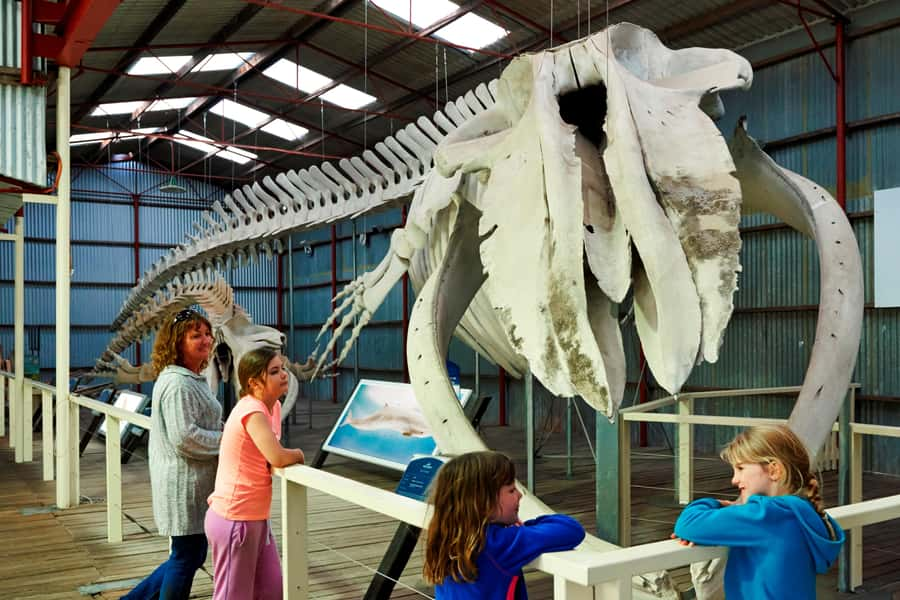
- The blue whale skeleton gives the visit scale: The marine display makes the size of these animals hard to grasp from photographs alone.
- Old oil tanks now hold films: Short screenings add sound and motion to the site’s story.
- Your ticket covers more than the station: Regional Wildflower Gardens and the Australian Wildlife Park are included.
- A full day is possible: Add a café stop, picnic, or barbecue to make the $25 admission work harder.
Why Albany’s whaling station matters
The station was the last operating whaling station in Australia. That fact gives the visit a clear purpose: you are seeing the place where a major local industry ended, not a recreated attraction built from scratch.
The site is also recognized as a heritage place. That matters because the buildings, equipment, ship, tanks, and objects work together. You can follow the process from the factory floor to the finished products, then see the personal items and artwork connected with whaling.
I find this kind of museum more useful than a collection of isolated objects. A harpoon, tool, photograph, or piece of memorabilia means more after you have seen the spaces where the work happened. The station gives you that physical context.
The subject is not presented as a simple adventure story. Whaling supported jobs and shaped Albany’s past, but it also involved the killing and processing of enormous marine animals. The attraction lets you face both sides. That balance is one of its strengths, though families with young children may want to explain the subject before arriving.
More History Tours in Western Australia:
- From Perth: Wave Rock, York and Aboriginal Cultural Tour
★ 4.6 · 498 reviews - Discover Perth Walking Tour: History, Art, Local Insights + More!
★ 5.0 · 458 reviews - Discover Perth Walking Tour: History, Art, Sights + More!
★ 4.9 · 183 reviews
Start with the restored processing factory
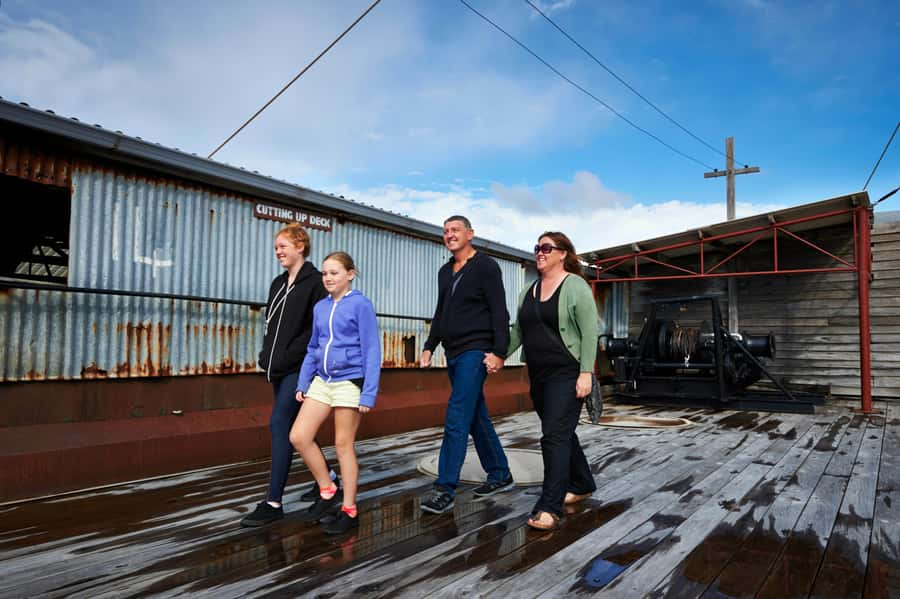
Begin your visit at the restored whale processing factory. This is where the industrial side of the station becomes clear. The sights and sounds are intended to show how the operation worked, so expect a more direct and physical presentation than you would get in a standard gallery.
You will see the scale of the factory and the equipment used by the whaling industry. The setting helps you understand that this was a workplace with a demanding, unpleasant job at its center. It is not polished into something comfortable or sentimental.
Allow time to read the information as you move through the building. The factory is the part of the visit that gives the rest of the site its meaning. Afterward, the ship, films, skeletons, and artifacts all connect more easily.
Comfortable shoes are a good idea. You may spend several hours walking between buildings, exhibits, gardens, and outdoor areas, and the ticket is valid for one day rather than a short timed entry.
Board Cheynes IV, the preserved whale chaser
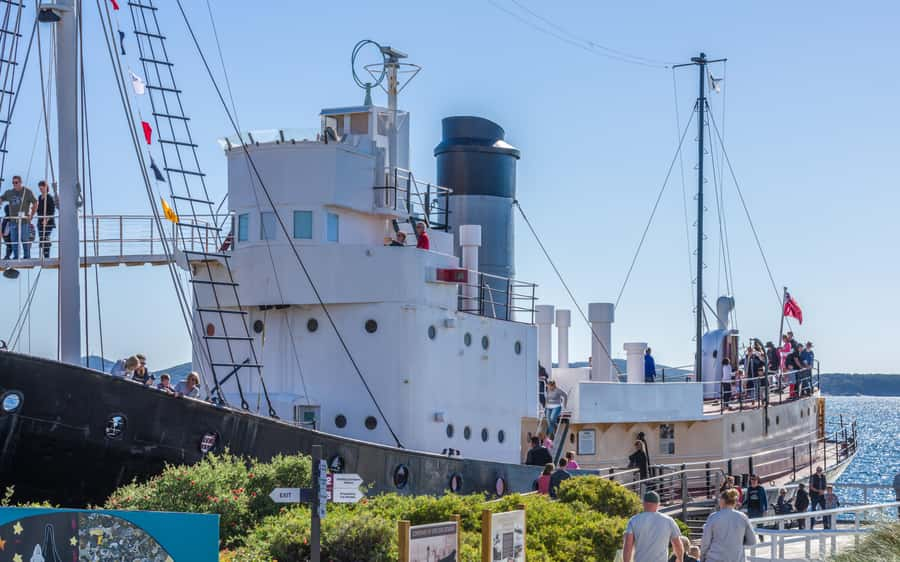
Cheynes IV is one of the most memorable parts of the visit. You can climb aboard the world’s only preserved whale chaser ship and get a closer sense of the vessel used in the industry.
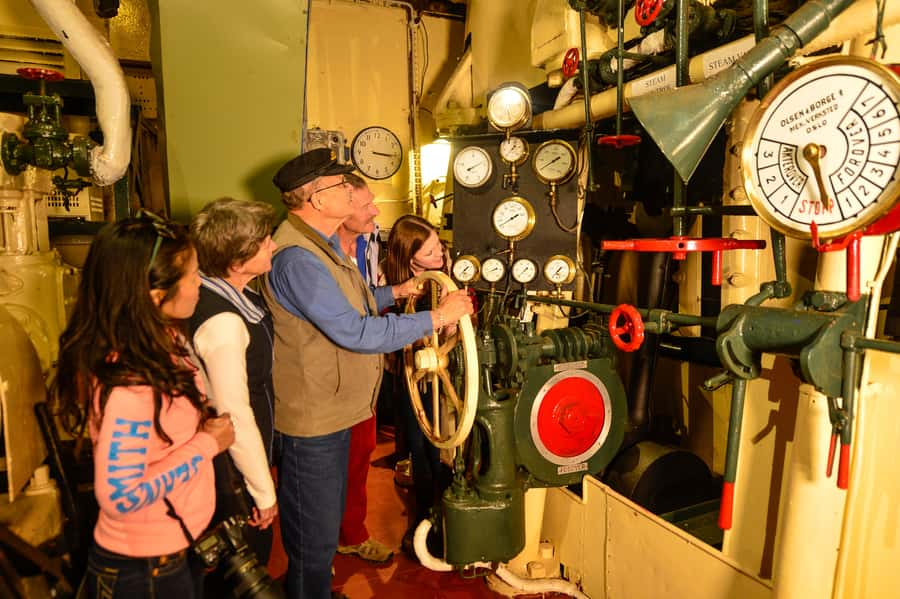
A ship is easier to understand from the inside than from a photograph. You can look at its working spaces and imagine how it supported the chase at sea. The ship also adds a human scale to the factory. After seeing the processing machinery, you can connect it with the boat and crews that made the operation possible.
For many people, this will be the most appealing stop because it feels active. You are not only reading about a vessel. You are walking through a preserved example.
The ship is also a useful point for discussing the change in Australia’s attitude toward whaling. The attraction makes clear that whales are no longer killed here. That contrast may leave you with mixed feelings, which is appropriate for a site dealing with an industry that has ended.
See the giant blue whale skeleton
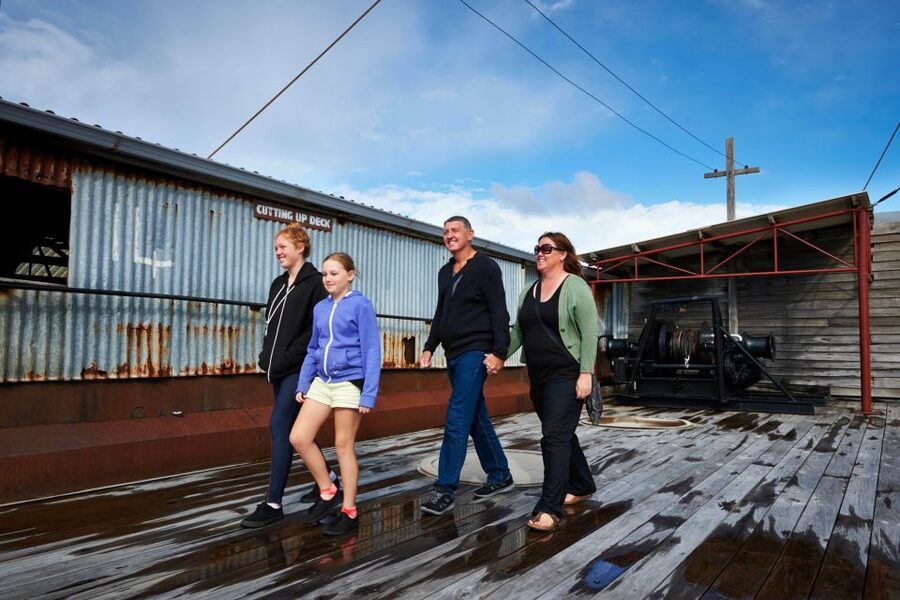
The marine skeleton display provides the clearest sense of size. A blue whale is difficult to picture accurately, even when you know it is the largest animal on Earth. Standing beside the skeleton gives you a much better physical reference.
The display includes other marine animals as well, so you can compare forms and proportions. One pygmy whale skeleton has also been described as enormous, a useful reminder that even a smaller whale is still a very large animal.
This is a good section for families because it turns natural science into something visible. Children can ask practical questions about bones, body shape, and size without relying on a long explanation. Adults may find the display sobering because the skeletons also point back to the animals processed at the station.
The display does not need a great deal of decoration. The scale does the work. Give yourself time to walk around it rather than treating it as a quick photo stop.
A few more Western Australia trips worth weighing up
- From Perth: Rottnest Island Full-Day Bike and Ferry Trip
★ 4.7 · 2,548 reviews - The Margaret River wine tour for people who don’t do tours!
★ 5.0 · 1,969 reviews - Pinnacles Desert: Sunset BBQ & Stargazing Tour +Sandboarding
★ 4.8 · 1,555 reviews - From Perth or Fremantle: Rottnest Island Ferry and Bus Tour
★ 4.6 · 1,246 reviews
Watch films inside the former oil tanks
The old whale oil tanks now contain short films. This is a clever use of the original structures, and it changes the pace of the visit after the factory and ship.
One film uses 3D effects to create a strong sense of whales moving close by. The effect can feel startling, with the animals appearing to come toward you. It is a more modern presentation than the industrial exhibits, but it helps bring the sea and the animals into a site focused on machinery and processing.
The films are short, which is useful if you are visiting with children or fitting the station around other Albany plans. They also give you a chance to sit down for a moment.
I would not make the films the main reason for buying the ticket. Their value comes from their setting and timing. See them after the factory, when you have enough context to understand why the whales shown on screen are central to the story.
Explore scrimshaw, artifacts, and memorabilia
The museum exhibits add personal and cultural detail. You can see authentic whaling artifacts and memorabilia, along with a collection of marine animal art and examples of scrimshaw.
Scrimshaw is especially interesting because it connects practical seafaring life with personal craft. The objects show how people working at sea made and kept items connected with their world. They are not just decorative pieces. They help you see the culture that grew around the industry.
The artifacts also prevent the visit from becoming only a story about machinery. You see the tools and objects of working life, but you also get a sense of the people who used them.
Take your time with the displays if you want a fuller understanding of Albany’s past. If you prefer a quick, visual attraction, you may find the reading sections slower. The site works best when you allow yourself to stop and consider what each object says about the industry.
Add the gardens and Australian Wildlife Park
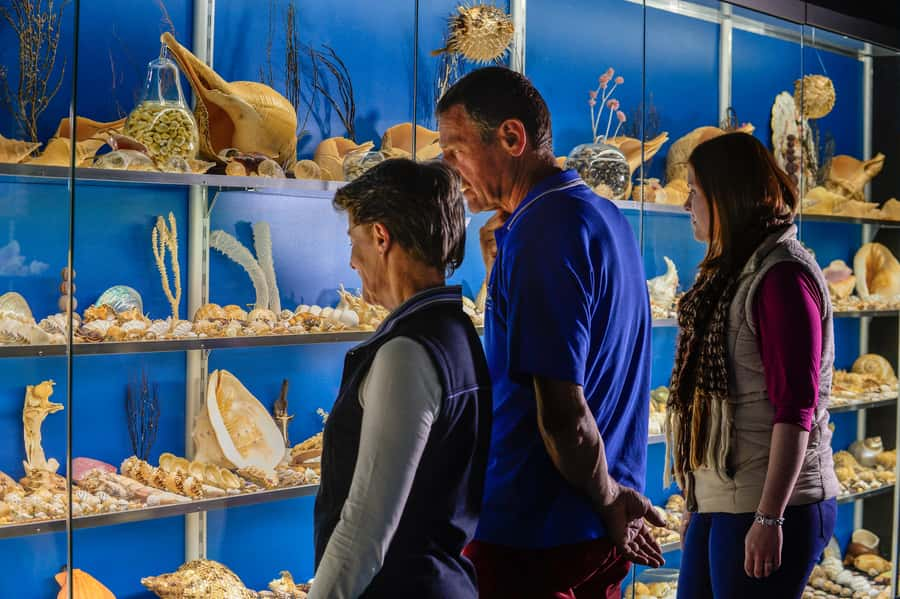
Your admission includes the Regional Wildflower Gardens and Australian Wildlife Park. These extras make a major difference to the value of a $25 ticket, especially if you are planning a full day rather than a brief museum visit.
The gardens display native plants from a region said to contain more than 100,000 native plant species. The garden visit gives you a calmer outdoor break after the harder subject of whaling. It also shows the natural setting that makes the area more than a heritage site.
The Australian Wildlife Park contains a collection of native animals. The supplied information does not specify every species, so I would treat it as a chance to see the collection rather than arrive expecting a particular animal.
Families can use the free on-site barbecues and picnic area. This is practical, not just a bonus on paper. You can pause for lunch without leaving the attraction, then return to the exhibits or gardens. A café overlooking one of Albany’s scenic bays offers another option if you prefer to buy food.
The gardens and wildlife area are open from 10:00 AM to 5:00 PM, one hour later than the main station. If you want to see everything, arrive after the station opens at 9:00 AM and save the outdoor areas for later in the morning or afternoon.
Plan a day around the opening hours
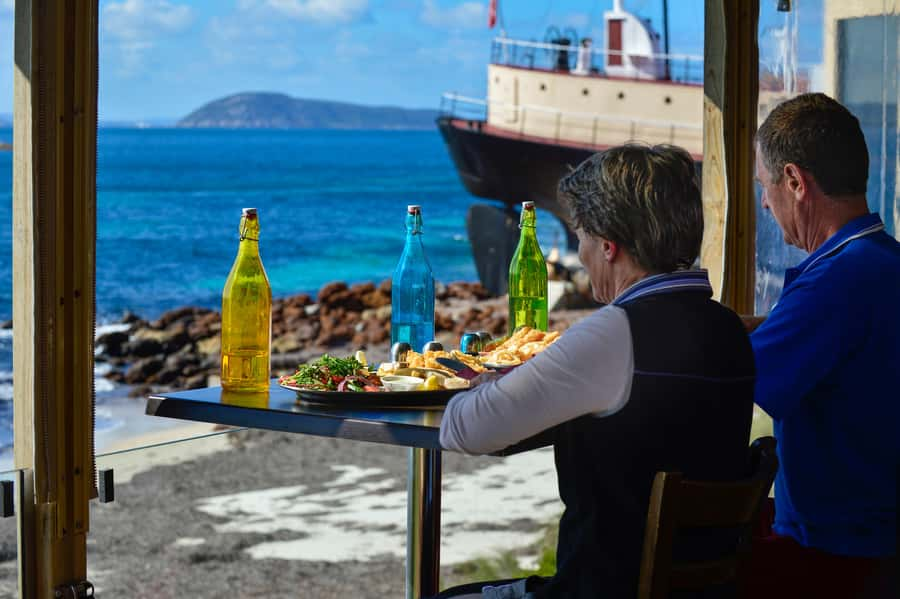
The Historic Whaling Station is open daily from 9:00 AM to 5:00 PM. The gardens and wildlife park open from 10:00 AM to 5:00 PM. All areas close on December 25, but otherwise the attraction operates seven days a week.
A sensible plan is:
- Start with the processing factory while you have plenty of time.
- Board Cheynes IV and visit the marine skeleton display.
- Watch the films in the oil tanks.
- Allow time for artifacts, scrimshaw, and marine art.
- Eat at the café or use the picnic and barbecue area.
- Finish with the wildflower gardens and Australian Wildlife Park.
You do not need to follow that order, but it keeps the heavier historical material together and leaves room for outdoor time. The one-day validity gives you flexibility if you want a break at midday.
The meeting point is 81 Whaling Station Road in Torndirrup, Western Australia. The experience is wheelchair accessible. Smoking and vaping are not allowed, and bare feet are prohibited, so wear comfortable shoes and suitable clothing.
There is no stated group size or required guided schedule for the entry ticket. English is the listed language. One guided visit connected with the experience featured Joy, whose friendly manner and lively commentary were singled out. Since this product is an entry ticket, check the exact arrangement if a guide is important to you.
Is the $25 ticket good value?
At $25 per person, the ticket is reasonably priced for the amount of time it can occupy. You receive access to the restored factory, Cheynes IV, marine skeletons, films, museum exhibits, Regional Wildflower Gardens, and Australian Wildlife Park.
The value is strongest if you stay for several hours and use the wider grounds. If you only want to see the ship and take a quick look at the factory, the price may feel less compelling. If you add the gardens, wildlife park, café, and picnic area, the visit becomes a full half-day or day outing.
Free barbecues also help families control costs. You can bring food, take a proper break, and avoid turning the admission into an expensive lunch stop.
The attraction is educational, but it is not light entertainment all the way through. The subject includes animal death and industrial processing. That is a reason to visit, not a flaw, but it may not suit someone looking for a purely scenic outing.
Who will enjoy this most?
I would recommend the station to you if you like working museums, maritime history, local stories, natural science, or attractions with several different sections. It is also a solid family choice because children can move between ships, skeletons, films, gardens, and animals.
It suits a mixed-age group well. One person can focus on whaling artifacts, another can spend time with the skeletons, and children can enjoy the wildlife park and outdoor areas.
You should think twice if you dislike confronting historical subjects or prefer a short, guided sightseeing stop. The factory can be serious, and the attraction is large enough that you need time to get full value.
Comfortable shoes matter more than fancy planning. You will cover an outdoor site with several areas, and the ticket is built for a day visit.
Booking flexibility and final verdict
You can cancel up to 24 hours before the visit for a full refund, and a reserve-now, pay-later option is available. Those terms are useful if your Albany schedule depends on weather or changing plans.
I would book Albany’s Historic Whaling Station if you want a substantial attraction that combines industry, maritime history, wildlife, gardens, and local heritage in one place. The restored factory and Cheynes IV give the visit real substance, while the blue whale skeleton and 3D film make the subject easier to grasp.
I would skip it only if you want a quick scenic stop or know that whaling-related material will be too upsetting. For most visitors with a full day in Albany, the $25 admission offers enough variety and context to justify the time.
FAQ
How much does entry to Albany’s Historic Whaling Station cost?
Entry costs $25 per person.
How long is the ticket valid?
The ticket is valid for one day from first activation.
What does the admission include?
Admission includes all exhibitions at the Historic Whaling Station, the Regional Wildflower Gardens, and the Australian Wildlife Park. Free on-site barbecues and a picnic area are also available.
Can I board Cheynes IV?
Yes. The attraction includes access to Cheynes IV, described as the world’s only preserved whale chaser ship.
What are the opening hours?
The Historic Whaling Station is open daily from 9:00 AM to 5:00 PM. The Regional Wildflower Garden and Australian Wildlife Park are open daily from 10:00 AM to 5:00 PM.
Is the attraction open every day?
It is open seven days a week, with December 25 as the only stated closure day.
Is the site wheelchair accessible?
Yes. The activity is wheelchair accessible.
Can I cancel my booking?
Yes. You can cancel up to 24 hours in advance for a full refund. A reserve-now, pay-later option is also available.
Just added around Western Australia
- Educational Whale Watching Tour from Perth★ 5.0 · 160 reviews
- Rottnest Island scuba dive tour★ 5.0 · 25 reviews
- Scuba Dive The Beautiful Rottnest Island for Certified divers★ 5.0 · 65 reviews
- Rottnest Island Deep Dive Day Trips★ 5.0 · 29 reviews
- Rottnest Island Round Trip Ferry from Fremantle★ 4.0 · 51 reviews
- Rottnest Island All-Inclusive Grand Island Tour from Fremantle★ 4.5 · 93 reviews
- Fremantle to Rottnest Island Roundtrip Ferry Ticket★ 4.5 · 218 reviews
- Rottnest Island Bayseeker Day Trip from Fremantle★ 4.5 · 50 reviews
Historical Tours, compared.

Ultimate Melbourne Walking Tour: History, Laneways & Culture
Read our review →
Puffing Billy Railway: Heritage Steam Train Journey
Read our review →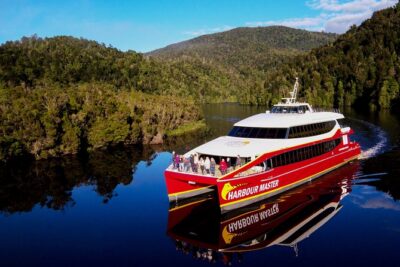
Morning World Heritage Cruise on the Gordon River from Strahan
Read our review →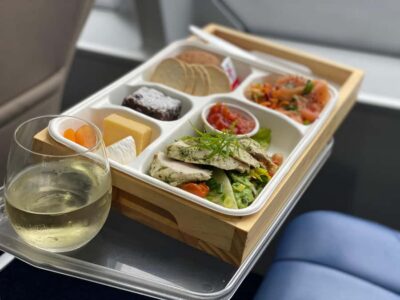
World Heritage Cruise on Gordon River with Lunch
Read our review →
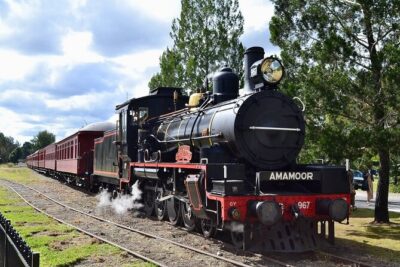
Experience History onboard The Mary Valley Rattler
Read our review →
Snorkel & Dive the Reef: Sustainable, Scientific & Cultural Tour
Read our review →
Derwent River Historic Harbour Cruise From Hobart
Read our review →Browse the lists this tour appears in