
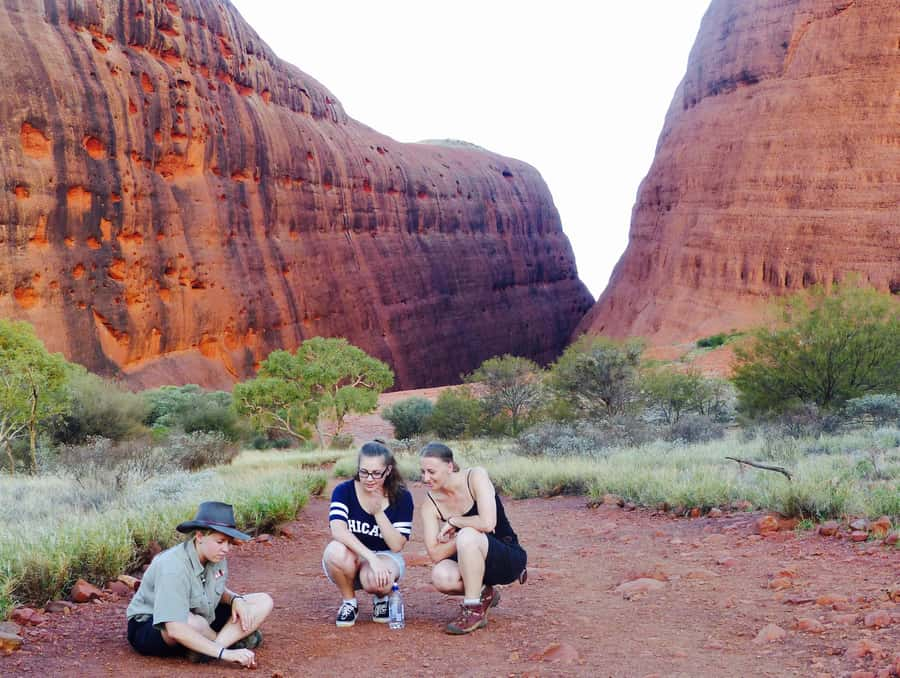
Reviewed · ULURU
From Yulara: 3-Hour Small Group Kata Tjuta Afternoon Tour
Kata Tjuta gives you a very different view of Central Australia than Uluru. Instead of one huge rock, you approach 36 rounded domes that shift shape as you drive around them. The short walk into Walpa Gorge then puts you between towering walls of stone, where the scale is far more impressive than any photograph suggests.
I like the small vehicle, which keeps the afternoon personal and makes it easy to ask questions. I also like the timing: you see the gorge without giving up your evening, then return to Ayers Rock Resort in time for dinner. The catch is the walk. It has uneven ground and a steep rise at the start, so this is not a good choice if you have mobility problems.
What makes this tour especially useful is the quality of its guides. Peter, Emilia, Michael, Lucy, Andrea, and others have been praised for clear explanations and considerate pacing. On hot days, guides have changed the plan or helped people stay comfortable. You should still bring sturdy shoes, water, sun protection, and enough energy for a rocky walk.
Key points
- 36 domes, not one monolith: See how Kata Tjuta changes shape as your vehicle approaches the four main domes.
- Walpa Gorge walk: Follow an uneven track between enormous rock walls, with a steep rise near the beginning.
- Maximum 11 people: The small group leaves room for questions and a quieter outing than a large coach tour.
- Strong guiding: Guides such as Peter, Emilia, Michael, Lucy, and Andrea are praised for geology, culture, and practical care in the heat.
- Dinner-friendly timing: The three-hour outing returns you to Ayers Rock Resort in the evening.
- Good, but not all-inclusive value: The $123 price includes transport and guiding, but not the national park entry ticket, food, or drinks.
Why Kata Tjuta deserves your afternoon
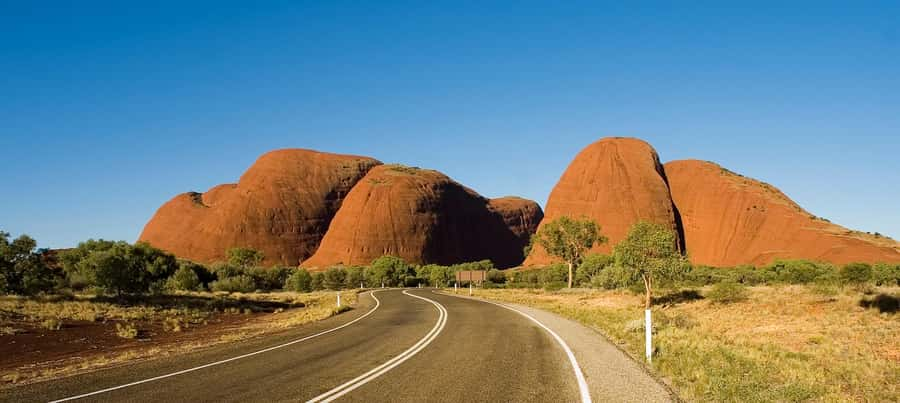
Many people arrive at Yulara focused almost entirely on Uluru. That is understandable, but it leaves out one of the region’s most striking places. Kata Tjuta, also known as the Olgas, is a group of 36 domes spread across the desert. Its form feels less familiar than Uluru, and the view changes quickly as you move around it.
The first reward comes during the drive. From a distance, the domes can look like one broad mass. As the vehicle gets closer, separate rounded peaks appear, with gaps and folds between them. The guide helps you understand what you are seeing rather than leaving you to admire a wall of red rock without context.
I especially like this approach for a first visit. The tour does not simply drop you at a lookout and send you back. You get a useful explanation of how the rock formed over millions of years, then walk into the formation itself. That combination gives the place scale and meaning.
Kata Tjuta also has major cultural importance to the Anangu people, the traditional Aboriginal owners of the area. The guides discuss this significance along with local plants, animals, and traditional uses of seeds and other plant materials. The cultural material is an important part of the outing, though the amount of storytelling may depend on your guide and the questions asked.
A few more Yulara trips worth weighing up
- Sunset 3-Hour Cruise from Darwin with Dinner and Sparkling Wine
★ 5.0 · 980 reviews - Melbourne: 3-Hour Foodie Discovery Walking Tour
★ 4.9 · 313 reviews - Sydney Harbour: 3-Hour Lunch Cruise with Live Music
★ 4.3 · 221 reviews
A small vehicle makes the journey easier
Pickup is available from accommodation within Ayers Rock Resort. You meet outside your hotel reception, while some properties use a nearby pickup point. Emu Walk Apartments uses Desert Gardens Hotel, Lost Camel uses Sails in the Desert, and campground pickup is at the bus stop outside the campground.
The vehicle carries a maximum of 11 passengers. That matters more than it may sound. A compact group allows the guide to talk naturally while driving, answer follow-up questions, and notice when somebody is struggling with the heat or the walking surface. One reported group had eight people, which is a comfortable size for conversation without feeling crowded.
The transport has also earned strong marks, with 86 percent of ratings giving it a perfect score. One person did report a pickup arriving 30 minutes late, so I would not plan a tightly timed dinner reservation immediately afterward. The usual three-hour schedule is designed to get you back in time for dinner, but desert roads and pickups do not always run like a city bus.
The guide is English-speaking. If you prefer help in another language, an audio guide is available in Spanish, Chinese, French, German, Italian, or Russian. That can be useful on the drive and during explanations, though the live guide remains English-speaking.
Watching 36 domes change shape
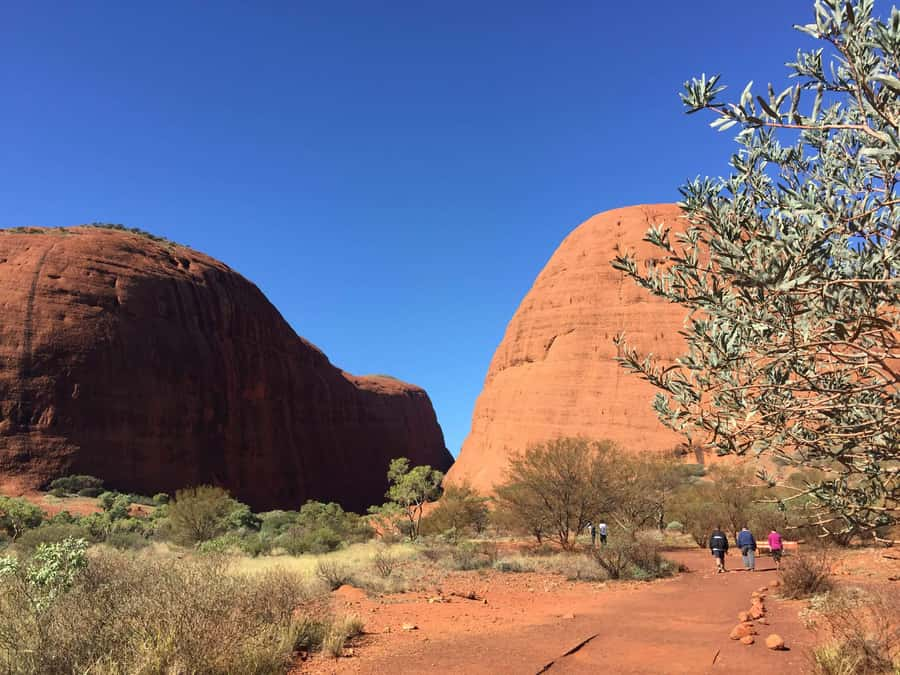
The drive toward Kata Tjuta is part of the tour, not just a transfer. Your guide points out how the formation changes as the vehicle approaches the four main domes. From one angle, the rocks appear tightly packed. From another, gaps open up and the individual domes become much clearer.
This is where a good guide earns the fare. Emilia has been praised for explaining the geology clearly, while Michael has been credited with combining history and scenic viewpoints. Other guides, including Andrea and Lucia, have explained the origins of the rock, local plant use, and aspects of Aboriginal life.
You should expect interpretation rather than a formal lecture. The best reports describe guides who know when to explain, when to help with photographs, and when to let the scenery speak for itself. Pete, for example, was praised for engaging with a mixed group from Europe and Asia while sharing his personal connection with Kata Tjuta.
The geology is not a minor extra here. The rounded domes are the reason this place looks so different from Uluru, and the guide’s explanation helps you notice the contrast. You will learn how the formation developed over immense spans of time, then see its weathered surfaces and steep walls close up.
Walpa Gorge is the main event
The walking portion takes you into Walpa Gorge, a natural passage between the domes. The route offers a close look at the rock and a strong sense of scale. From the floor of the gorge, the walls rise around you, and the broad desert view gives way to a more enclosed, dramatic setting.
The walk is often described as pleasant and manageable, but do not mistake that for flat or effortless. The ground is uneven, and there is a steep rise at the beginning. Good walking shoes are a sensible choice. One visitor specifically noted that the surface can feel unsteady, while another called the trek mildly challenging.
This is the tour’s main limitation for anyone with mobility issues. The outing is not designed as a smooth-access sightseeing ride. If you are fit and comfortable on rocky ground, the walk should be within reach, but the heat can change the experience quickly. In January, guides have modified the outing and taken extra care with the group during very hot conditions.
The gorge is worth the effort because it lets you experience more than a distant view. You pass between massive domes, see the rock from below, and notice plants surviving in a dry environment. The guide explains how flora and fauna manage here, which makes the apparently empty desert feel much more active and finely adapted.
Bring water even though drinks are not included. Wear a hat and sunscreen, and avoid flimsy footwear. You may also want to keep your camera accessible, since the shape of the gorge and the views back toward the domes are different from the roadside perspectives.
A different sort of day out, same corner of Yulara:
- Uluru: Field of Light Sunrise Tour with Hot Drinks
★ 4.6 · 572 reviews - Uluru 15-Minute Helicopter Experience
★ 4.9 · 548 reviews - Yulara: Uluru & Kata Tjuta 25-Minute Helicopter Experience
★ 4.8 · 536 reviews - Yulara: Uluru Sunrise and Kata Tjuta Day Trip by Bus
★ 4.5 · 469 reviews
Culture, plants, and place
Kata Tjuta is not simply a geological attraction. It is a sacred place for the Anangu, and the tour addresses that cultural importance. The information available is not presented as a substitute for an in-depth Aboriginal cultural program, but it gives you useful context for understanding why the area matters.
Guides have discussed the ways local people use plants and seeds, along with aspects of everyday life and regional traditions. That kind of detail adds value because it connects the red rock to a living culture rather than treating it as scenery alone.
The amount of cultural storytelling will vary with the guide, the group, and the time available. If this is your main reason for visiting Central Australia, you may want a longer dedicated cultural experience as well. If you want a balanced introduction that includes culture, geology, plants, animals, and a walk, this tour covers the essentials in a compact format.
I also appreciate that the tour does not treat nature as a backdrop. Your guide points out the particular environment around Kata Tjuta and explains how life survives there. On a short afternoon outing, those observations can make the walk feel purposeful rather than simply scenic.
What $123 buys you
The price is $123 per person. That is not a bargain-basement excursion, but remote destinations carry real transport costs, and the fare includes hotel pickup, return transport, a three-hour guided experience, and a small vehicle.
The strongest value comes from combining several services in one short outing. You do not need to arrange transport to the national park, work out the route, or interpret the geology alone. You also get a guide who can adjust the pace and answer questions, something a self-guided drive cannot provide.
The national park entry ticket is extra. Meals and drinks are also excluded. Add the park fee to your budget before deciding what the tour costs in practice, and bring your own water and snacks if needed. The tour returns in time for dinner, so you do not need to pay for a meal during the outing.
For a short stay at Yulara, I think the value is strongest. You see Kata Tjuta without giving up a full day, and the guided transport removes the hassle of navigating an unfamiliar desert area. If you already have a rental car and plan to spend hours exploring independently, the price may feel less attractive. You are paying mainly for the guide, convenience, and small-group format.
Heat and timing matter
The afternoon schedule is convenient, but Central Australian heat can be serious. Several guides have been praised for watching the group carefully, changing the route when conditions demanded it, and helping people stay comfortable. That is reassuring, but it does not remove the need for personal preparation.
January outings can be particularly demanding. A guide may modify the tour, but you still need to be honest about your fitness and comfort in heat. The cooler months, especially around June through September, may make the walk easier, although the supplied information does not promise a particular temperature or sunset view.
Do not book this as a sunset tour. The advertised experience is a three-hour afternoon visit with a return to the resort for dinner. One person suggested that adding sunset, snacks, and drinks would make the outing even better, but those extras are not part of this experience.
The timing suits people with a packed Yulara schedule. You can visit Kata Tjuta, return to your hotel, and still have the evening available. It also works well if you want a first look before deciding if you need a longer visit later.
Who should book this tour?
I would choose this tour if you want a well-guided introduction to Kata Tjuta and have limited time at Ayers Rock Resort. It suits couples, families with older children, solo visitors, and anyone who prefers asking questions instead of reading signs or navigating alone.
It is particularly good for people interested in geology. The 36 domes and the changing views make more sense when somebody explains how the formation developed. It also suits visitors who want cultural and natural information in the same outing, rather than a walk with no interpretation.
The small group is another strong reason to book. A maximum of 11 people gives you a better chance of hearing the guide and asking about the details that catch your eye. The guides have been praised repeatedly for friendly, clear explanations, with names such as Peter, Emilia, Michael, Lucy, Andrea, Max, Rick, and Bee appearing in especially positive accounts.
Think carefully if you have mobility limitations, poor balance, or trouble walking in heat. The uneven track and steep opening rise are real considerations, not minor footnotes. Ask the operator about your specific needs before booking if you are unsure.
Final verdict: a smart short visit to Kata Tjuta
Book this tour if you want Kata Tjuta to be more than a photograph from the road. The drive, geology commentary, Anangu cultural context, and Walpa Gorge walk fit neatly into three hours, and the return to Ayers Rock Resort before dinner is genuinely practical.
I would not book it expecting a long wilderness hike, a sunset meal, or a fully accessible path. You pay extra for the national park entry ticket, and hot weather can change the pace. But for a compact, personal introduction with strong guiding and comfortable transport, $123 is a fair price. Bring water, wear sturdy shoes, and give Kata Tjuta the afternoon it deserves.
FAQ
How long is the Kata Tjuta tour?
The tour lasts three hours, including transport from and back to Ayers Rock Resort.
Where does pickup take place?
Pickup is outside hotel reception within Ayers Rock Resort. Emu Walk Apartments uses Desert Gardens Hotel, Lost Camel uses Sails in the Desert, and campground pickup is at the bus stop outside the campground.
Is pickup available from Alice Springs?
No. Pickup is only available from accommodation within Ayers Rock Resort.
How many people can join the vehicle?
The vehicle carries a maximum of 11 passengers.
What will I see at Kata Tjuta?
You will see the 36 domes of Kata Tjuta, approach the four main domes, and walk through Walpa Gorge.
Is the walk suitable for people with mobility issues?
The walk includes uneven ground and a steep rise at the beginning, so it may not suit people with mobility issues.
Is the national park entry ticket included?
No. The national park entry ticket, meals, and drinks are not included in the tour price.
Just added around Yulara
- Best of Uluru – Segway and Walking Tour★ 4.8 · 204 reviews
- King’s Canyon: 15-minute Scenic Helicopter Tour★ 4.9 · 78 reviews
- Kata Tjuta: Small Group Sunrise Tour with Picnic Breakfast★ 4.7 · 113 reviews
- Yulara: Uluru and Kata Tjuta Sunset Helicopter Tour★ 4.9 · 148 reviews
- Uluru: Uluru Base Segway Tour★ 4.6 · 112 reviews
- Uluru: Guided Trek of Uluru’s Base in a Small Group★ 4.8 · 182 reviews
- From Yulara: Uluru Tour and Sunset BBQ★ 4.6 · 320 reviews
- Uluru 1.5-Hour Sunset Tour with Sparkling Wine & Cheeseboard★ 4.3 · 226 reviews
3-Hour Experiences, compared.
Sunset 3-Hour Cruise from Darwin with Dinner and Sparkling Wine
Read our review →

Sydney Harbour: 3-Hour Lunch Cruise with Live Music
Read our review →
Coral Bay: Ningaloo Reef 3-Hour Turtle Ecotour
Read our review →

Adelaide Hills Tour with River Murray 3 Hour Lunch Cruise.
Read our review →
Browse the lists this tour appears in