
Reviewed · MORNINGTON PENINSULA
The Explorer – Cranbourne Gardens
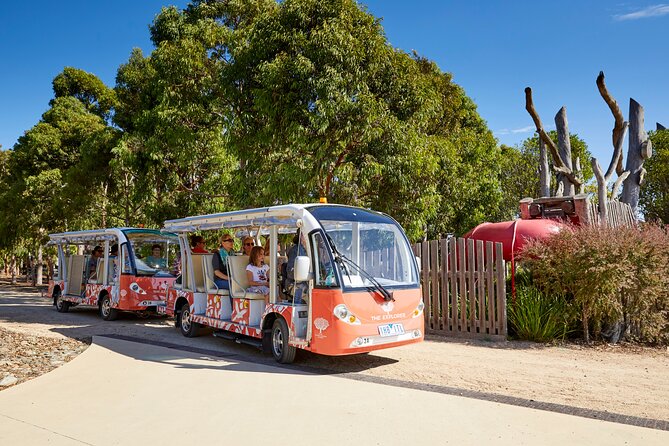
The Explorer gives you a quick, comfortable way to see a huge slice of Cranbourne Gardens without wearing out your shoes. The open-air minibus leaves from the Visitor Centre, circles the Australian Garden, and pairs the scenery with live commentary about native plants, design, history, and culture.
I like the excellent overview in just 25 minutes and the easy access for families, older visitors, and anyone with limited mobility. I also like the chance to hop off at selected stops, so the ride can be more than a drive-by tour.
The main drawback is its short running time. You get a useful introduction, not a full day in the garden, and the open-air vehicle may be less pleasant in poor weather. Check the day’s conditions before you go.
Key details before you board
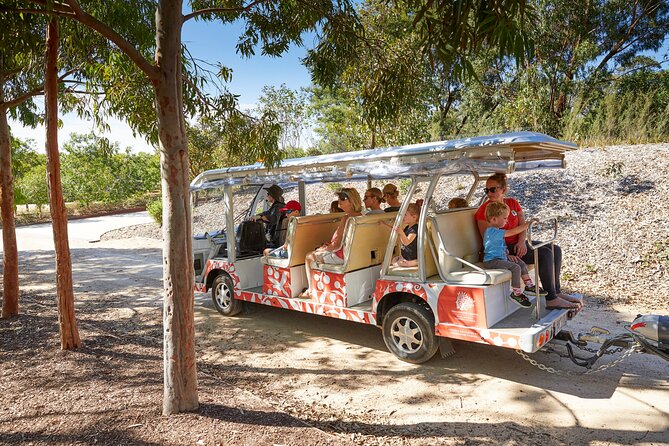
- A 25-minute circuit: See major parts of the 15-hectare Australian Garden without committing to a long walk.
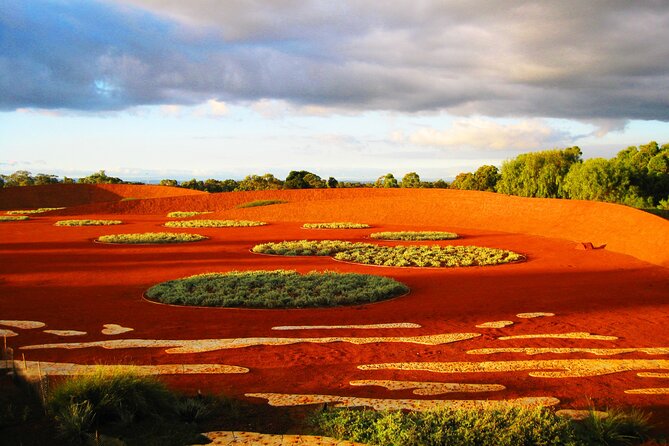
- Red Sand Garden and Dry River Bed: These striking Australian garden features give the ride much of its visual character.
- Live commentary: Your driver-guide explains plants, garden design, history, and cultural meaning as you travel.
- Useful for different abilities: The bus helps you see more if walking long distances is difficult.
- Family-friendly option: Children ride free on the Kids Explorer Bus during school holidays.
- Small group size: The vehicle carries a maximum of 25 people, keeping the ride fairly personal.
Why The Explorer is useful at Cranbourne
Cranbourne Gardens is not a small city park you can cross in ten minutes. The Australian Garden covers about 37 acres, or 15 hectares, and its paths, planted areas, water features, hills, and dry-country displays are spread across a broad site.
That scale changes the way you should plan your visit. If you walk every section from the start, you may spend a lot of energy before reaching the areas you most want to see. The Explorer lets you get your bearings first. You can see how the garden is arranged, note the places that deserve a closer look, then return on foot with a better plan.
I especially like this approach for a first visit. You are not simply being carried past plants. The driver explains why the gardens look different from one section to the next and points out the ideas behind the planting. That context helps you notice details later, when you explore at your own pace.
The ride also solves a practical problem for families. Young children may not want to walk a large botanical garden, while parents may not want to turn the day into a negotiation over every path and bench. The bus gives children movement, changing views, and a clear sense of occasion. During school holidays, the Kids Explorer Bus offers a family-focused option, with free rides for children.
A few more Mornington Peninsula trips worth weighing up
- Melbourne: Peninsula Hot Springs Early Bathing & Scenic Tour
★ 4.6 · 356 reviews - Peninsula Hot Springs: Entry Ticket with Bath House
★ 4.6 · 225 reviews - Peninsula Hot Springs Spa Experience and Express Transfer Shuttle
★ 5.0 · 131 reviews
From the Visitor Centre to Red Sand Garden
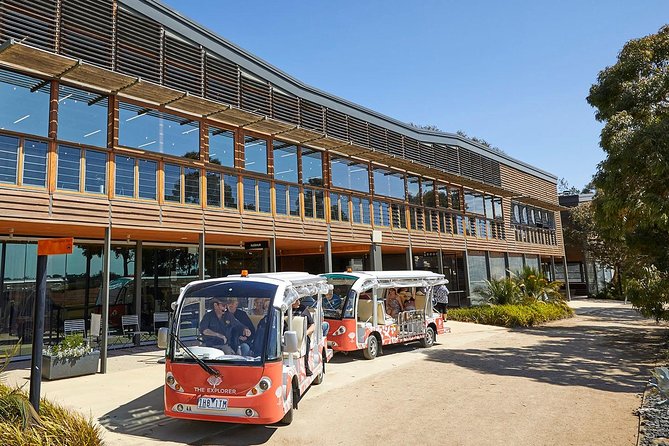
You meet at Royal Botanic Gardens Cranbourne, at Ballarto Road and Botanic Drive. The Explorer departs from the Visitor Centre, which makes the starting point easy to find once you arrive at the gardens.
The ride begins at the Red Sand Garden. This is one of the most distinctive sections in the Australian Garden, using red earth and dry-country planting to create a strong sense of place. The color gives the opening part of the ride a clear visual identity, and the guide uses it to explain the plants and garden ideas on display.
This first section is valuable because it introduces the Australian Garden as a designed experience, not just a collection of plants. The plantings are arranged to suggest different parts of Australia and the conditions those plants handle. You begin to see why native gardening can mean far more than adding a few local shrubs to a backyard.
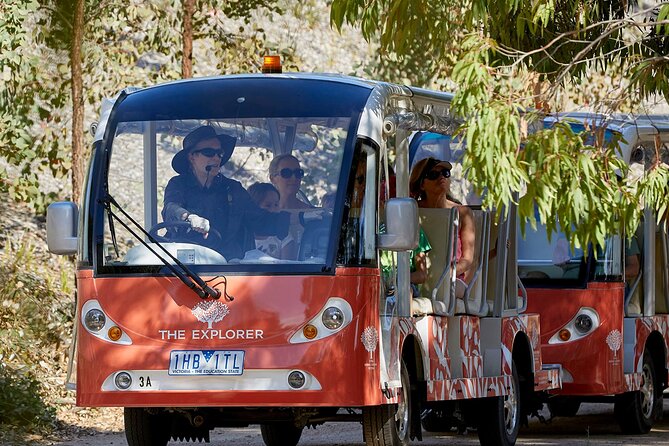
Your guide’s live commentary is one of the best reasons to take the bus. The information is delivered as you pass the displays, so you can connect the explanation with what is in front of you. Driver Peter has been praised for his friendly style and strong understanding of the plants and gardens. Other drivers are described as entertaining as well as informative, which matters on a short ride where every minute counts.
Along the east coast of the Australian Garden
From Red Sand Garden, the vehicle travels along the east coast section of the Australian Garden. This part of the route helps show the range of Australian plant communities and garden settings gathered in one place.
The commentary covers more than plant names. You can expect stories about the gardens, their history, cultural importance, and the way the displays interpret Australian nature. That is useful if plant labels alone do not mean much to you. You will hear how the sections fit together and why certain forms, colors, and surfaces appear in particular areas.
The east coast route also gives you a chance to study the garden from a moving viewpoint. A walking visitor sees one path and one planting bed at a time. From the minibus, you can compare wider areas and notice the changes between sections. You may also spot paths or corners you want to revisit after the circuit.
The tradeoff is that a moving vehicle never gives you unlimited time at any one display. If you have come mainly to photograph a particular plant or inspect garden construction, you will want to hop off where allowed or return on foot. Think of this section as an introduction, not a substitute for exploring.
Howson Hill and the wider garden view
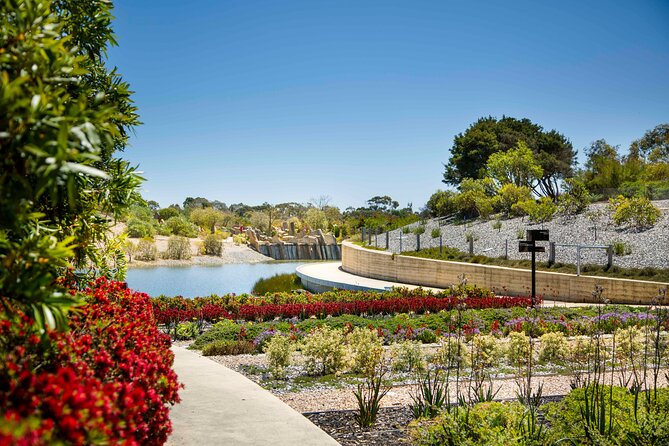
Howson Hill is another highlight on the route. The higher position helps you understand the size and arrangement of Cranbourne Gardens. Instead of seeing only individual beds, you get a broader view across the planted areas and paths.
This stop is particularly helpful if you are trying to decide how much time to spend at the gardens. A quick look from the bus can show you the scale before you choose to walk. If your energy is limited, the ride lets you experience the main setting without needing to climb or cross every section yourself.
The hill also adds some variety to the route. The garden is not one flat display viewed from a single level. Moving through different elevations makes the ride more interesting and gives the commentary a clearer setting.
Do not expect a long stop or an extended viewing session at every point. The experience lasts about 25 minutes, so the vehicle keeps moving. If a particular view catches your eye, remember it and explore it later if the hop-off arrangement and timing suit your visit.
A different sort of day out, same corner of Mornington Peninsula:
- From Melbourne: Peninsula Hot Springs & Bathing Boxes Tour
★ 4.8 · 124 reviews - Peninsula Hot Springs Day Trip with Bathing Entry from Melbourne
★ 4.5 · 73 reviews - Cape Woolamai Sightseeing Cruise from San Remo
★ 4.5 · 72 reviews - Mornington Peninsula Small Group Thermal Springs w/ Lunch & Wine
★ 5.0 · 69 reviews
Ian Potter Lake and the water features
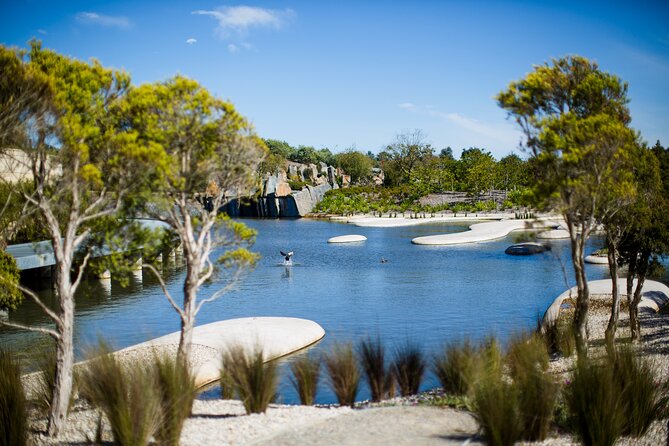
Ian Potter Lake brings a different mood to the ride. After the dry tones of the Red Sand Garden and the plant-focused sections, water gives the route a change in texture and atmosphere.
The lake is part of the wider garden design, not an isolated attraction. It helps show how water can be used in an Australian garden setting and gives you another way to read the space. The ride’s commentary can connect the water feature to the garden’s planting, history, and interpretation of nature.
Several visitors have praised the water features and the garden’s level walking paths. That combination matters. You can take in the lake from the vehicle, then continue on a more comfortable route if you decide to explore on foot.
For families, the lake also breaks up the ride visually. Children may respond more to water, movement, and changing scenery than to plant names alone. The bus keeps the experience active without demanding a long walk.
The Arid Garden and Dry River Bed
The Arid Garden shows plants suited to dry conditions, with textures and forms that differ from the greener or wetter parts of the garden. You may notice spiky shapes, open spacing, and a more exposed feel. The guide’s explanation helps you understand how these plants fit Australian climates and why the garden uses particular materials and planting patterns.
The Dry River Bed continues that dry-country theme. It is a strong example of how a garden can suggest natural processes without trying to look like a formal flower border. The name tells you what to look for: a channel shaped by the idea of water that may flow only at certain times.
These displays are useful for keen gardeners. You can pick up ideas about grouping plants, using gravel and stone, managing dry conditions, and creating interest with form rather than constant flowers. You are not just looking at pretty beds. You are seeing practical garden choices designed around Australian conditions.
The dry displays may not suit everyone equally. If you mainly want lush planting, dense shade, or traditional ornamental gardens, parts of the Australian Garden may feel spare. That is not a flaw, but it is worth knowing before you book. The experience is built around native Australian plants and the environments they suggest.
The return through Peppermint Garden

After following the eastern side of the Australian Garden, the route winds back through Peppermint Garden. This return leg gives the ride a sense of completion and brings you through another planting style before returning toward the Visitor Centre.
Peppermint Garden adds a different plant character to the tour. It helps show that native planting is not limited to red soil and dry gardens. The route moves through several moods and settings, so the short ride still feels varied.
This final section is a good time to compare what you have seen. By now, you should have a clearer idea of which areas you want to revisit and which paths may be manageable for your group. That is the real value of the circuit: it turns a large garden into a place you can read and plan.
If you have a full day, use the ride as your first step, not your only activity. If you have only a short stop before continuing toward Phillip Island, the circuit can provide a worthwhile taste of Cranbourne Gardens without taking up much of your schedule.
What the commentary adds
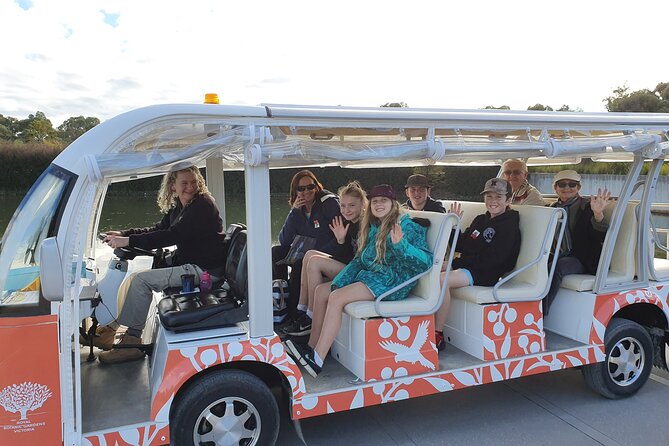
A bus ride through a botanical garden could easily become a quiet transport service. The live commentary makes it an actual guided experience.
You hear about the plants, garden design, history, cultural significance, and nature interpretation while the relevant areas are in view. That timing is important. It gives you a reason to look closely and helps turn unfamiliar native plants into part of a larger story.
The guide’s style also affects the experience. One driver, Peter, has been singled out for his plant and garden knowledge, while another account praised the host’s humor and friendly manner. The exact personality depends on who drives your bus, but the format is designed to be conversational rather than a silent transfer.
I would not book this expecting a specialist botany lecture. The ride needs to work for children, casual visitors, gardeners, and people who simply want an easy circuit. The commentary is broad and accessible, with enough detail to make the garden more meaningful without turning 25 minutes into a classroom session.
Access, comfort, and group size
The Explorer is a sensible choice if you have mobility concerns or simply want to conserve energy. A visitor with mobility issues can see much more of the garden from the bus than would be possible on foot alone. The gardens also have level walking paths, so you can combine the ride with selected walks instead of tackling the entire site.
The open-air minibus has a maximum capacity of 25 people. That is small enough to keep the guide’s voice and presence part of the experience, though the vehicle may still feel full during busy periods.
The open design helps you see and photograph the garden more easily than you might from a closed coach. It also means you are exposed to the weather. The activity requires good weather, and poor conditions can lead to a different date or a full refund. Bring sensible sun protection and water on warm days, and do not assume the bus will provide shelter from every change in conditions.
Service animals are allowed, and most people can take part. Hotel pickup and transportation to the gardens are not included, so you must arrange your own way to Ballarto Road and Botanic Drive.
Is $10.76 good value?
At $10.76 per person, the ride offers good value if you want orientation, comfort, and guided context. You are paying for a short circuit with a driver-guide, live commentary, and access to a broad section of a large garden. The price is modest compared with the time and effort needed to cover the same ground on foot.
The value is strongest for three groups: first-time visitors, families, and anyone who cannot comfortably walk 15 hectares. Gardeners also get useful ideas from the native planting, dry garden design, water features, and different ways of presenting Australian flora.
The value is weaker if you want a slow, quiet walk with long stops for photography. In that case, you may prefer to explore independently and use the bus only if you need a general overview. I see The Explorer as a smart addition to a garden visit, not a replacement for walking through the sections that interest you most.
The Kids Explorer Bus is an extra reason to check the school holiday arrangements if you are visiting with children. Children ride free during school holidays on that family-focused bus, but confirm the correct option when booking so the fare is applied properly.
Who should book The Explorer?
I would book this if you have limited time, are visiting Cranbourne Gardens for the first time, or want a quick introduction before walking. It also makes sense for parents with young children and anyone who wants to reduce the physical effort of seeing a large site.
The tour suits people who enjoy hearing the story behind a garden. You will get more from it if native plants, Australian climates, garden design, or cultural interpretation interest you.
I would be less keen if you are looking for a long, detailed plant study or a flexible photography outing. The ride is short, and the bus cannot pause for every display. Plan to combine it with a walk if you have time.
Book at least 24 hours before the start time if you want the option of a full refund. Cancellations made less than 24 hours before departure are not refunded, and late changes are not accepted.
Final verdict: a smart first look at Cranbourne Gardens
The Explorer does one job well: it makes a large garden easier to understand and easier to enjoy. In 25 minutes, you pass Red Sand Garden, Howson Hill, Ian Potter Lake, the Arid Garden, Dry River Bed, and Peppermint Garden while hearing useful commentary from the driver-guide.
Book it for comfort, orientation, and access to more of the garden than you might manage on foot. Then use the information and the selected hop-off points to choose your own route. At $10.76, it is a practical way to start a Cranbourne Gardens visit, especially if mobility, children, time, or hot weather are part of your planning.
FAQ
How long does The Explorer tour last?
The ride lasts approximately 25 minutes.
Where does The Explorer depart from?
It departs from the Visitor Centre at Royal Botanic Gardens Cranbourne.
What address should I use for the meeting point?
The ticket redemption point is Royal Botanic Gardens Cranbourne, Ballarto Road and Botanic Drive, Cranbourne VIC 3977, Australia.
What will I see during the ride?
The route includes Red Sand Garden, Howson Hill, Ian Potter Lake, the Arid Garden, Dry River Bed, and Peppermint Garden.
Is commentary included?
Yes. A driver-guide provides live commentary during the ride.
Can I get off the bus during the experience?
The ticket includes flexibility to hop off at various stops within the Australian Garden.
Is the tour suitable for people with mobility issues?
Yes. The bus is designed to help visitors who may not be able to walk around the large garden comfortably. Most people can participate.
Are children allowed on The Explorer?
Yes. During school holidays, children ride free on the Kids Explorer Bus, which is designed for families.
How many people can join the tour?
The activity has a maximum group size of 25 travelers.
What happens if the weather is poor?
The experience requires good weather. If it is canceled because of poor conditions, you can choose another date or receive a full refund.
Just added around Mornington Peninsula
- Sorrento,Mornington Peninsula: Wildlife & Sightseeing Cruise★ 4.4 · 35 reviews
- Mornington Peninsula: Hot Springs and Body Clay Ritual★ 4.5 · 36 reviews
- Melbourne: Mornington Peninsula & Hot Springs Tour 8 pax max★ 4.9 · 24 reviews
- Fingal: Peninsula Hot Springs Entry with Lunch Credit★ 4.5 · 27 reviews
- Mornington Peninsula Self-Guided Bike Tour | Food & Wine Region★ 5.0 · 44 reviews
- Melbourne/Mornington: Peninsula Hot Springs and Winery Tour★ 4.9 · 36 reviews
- Sorrento: Dolphins & Seals Snorkeling Cruise w/ Lunch★ 4.1 · 52 reviews
- Mornington Peninsula Wine Day Tour★ 5.0 · 58 reviews
Mornington Peninsula Tours, compared.
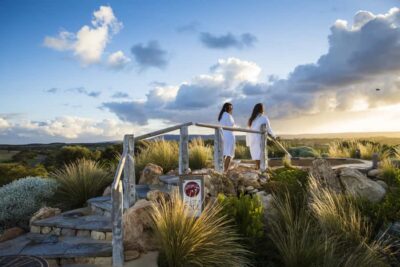
Peninsula Hot Springs Early Bathing & Scenic Tour
Read our review →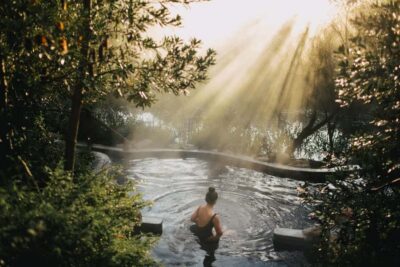
Peninsula Hot Springs: Entry Ticket with Bath House
Read our review →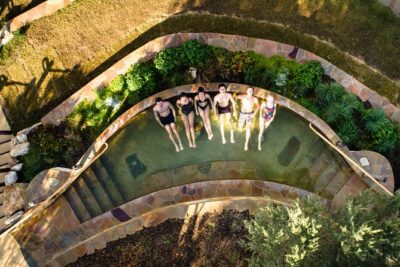
Peninsula Hot Springs Spa Experience and Express Transfer Shuttle
Read our review →
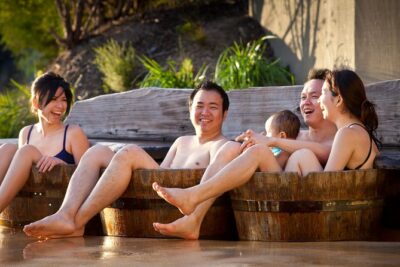
Peninsula Hot Springs Day Trip with Bathing Entry from Melbourne
Read our review →

Mornington Peninsula Small Group Thermal Springs w/ Lunch & Wine
Read our review →
Peninsula Hot Springs and Beach Boxes Day Trip from Melbourne
Read our review →Browse the lists this tour appears in