
Reviewed · MELBOURNE
Multicultural Markets Food Tour – Melbourne’s Global Tastes
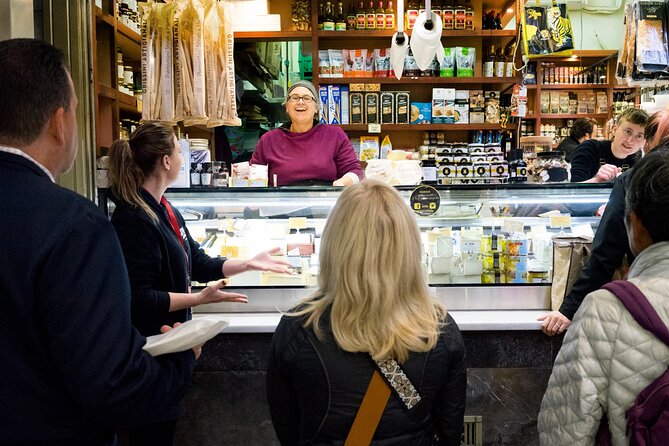
Melbourne’s Queen Victoria Market is more than a place to buy groceries. It is a meeting point for the city’s many communities, and this small-group food tour uses coffee, cheese, meat, sweets, and market talk to explain how Melbourne became such a strong food city. I especially like the personal introductions to stallholders and the way guides such as Tristan connect food with migration and local history.
I also like the early 9:30 am start, before the market gets packed, and the gentle 1-kilometre walk. The main caution is value: the tastings may feel light if you arrive hungry, and a substitute market may be used when Queen Victoria Market is closed.
Key points at a glance
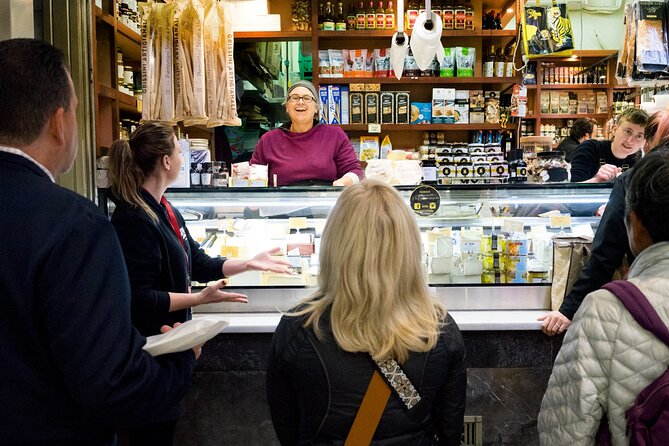
- Start with Melbourne’s immigrant story: Meet at the Multicultural Hub before walking into the market and connecting food with the city’s many communities.
- Taste your way through Queen Victoria Market: Expect samples such as coffee, antipasto, cheeses, meats, doughnuts, tea, international food, and gelato.
- Go early for easier movement: The 9:30 am departure helps you see the market before the crowds build.
- A relaxed 1-kilometre walk: This suits most fitness levels, with time to stop, taste, and talk rather than rush.
- Guides make the difference: Tristan is often praised for his market knowledge and relationships with stallholders; Anna and Tamra have also led departures.
- Plan around market closures: One departure visited South Melbourne Market instead, which offered a different experience and felt less worthwhile to one participant.
Why this market tour works
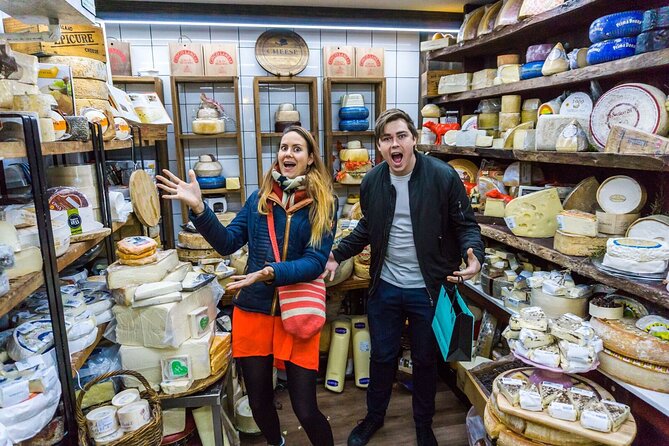
I like food tours that explain more than what is on the plate. This one gives you a practical introduction to Melbourne through the people who sell, prepare, and enjoy its food. At Queen Victoria Market, the stalls become clues to the city’s immigrant communities and changing identity.
You are not simply handed a list of samples and sent on your way. The guide leads you through an operating market, points out older stalls, introduces you to vendors, and explains how trade and migration shaped Melbourne. That setting gives the food a useful context.
The experience lasts about two and a half hours, though the stated stops add up to around fifteen minutes at the Multicultural Hub and two hours at Queen Victoria Market. The pace is easy, and the total walking distance is about one kilometre. That leaves room for conversation and tasting without turning the morning into an endurance test.
The group can have up to 12 people. That is small enough for questions and personal attention, while still giving the tour a social feel. Some departures have been much smaller. One person had a private-feeling outing with only the guide, which can happen outside busy travel periods.
The tour has a 4.8 out of 5 rating from 75 reviews, with 92 percent recommending it. Those numbers suggest a dependable experience, but the details matter. The strongest praise goes to the guides, the market stories, and the range of food samples. The weaker experiences mostly involve the amount of food, the price, or a change from Queen Victoria Market to South Melbourne Market.
More Food Tours in Melbourne
- Melbourne Food Tour with 8+ Food Tastings in Hidden Laneways
★ 5.0 · 304 reviews - Melbourne: Guided Night-Time Food Walking Tour
★ 4.7 · 76 reviews - Melbourne Flavors: Queen Victoria Market Food Tour
★ 4.7 · 39 reviews
Meeting the guide at Melbourne Multicultural Hub
The tour begins at Melbourne Multicultural Hub, 506 Elizabeth Street, at 9:30 am. This is a useful starting point because the tour introduces the city’s cultural mix before you enter the market itself.
The first stop lasts about 15 minutes. You meet the guide, hear what the morning will cover, and begin the connection between food and local culture. The format is informal rather than museum-like. The focus is on the vendors, cooks, and communities who have helped shape Melbourne’s food habits.
Guides named in the feedback include Tristan, Anna, and Tamra. Tristan receives the most repeated praise. He is described as engaging, well prepared, and able to explain both the market’s past and its food. The important point is not just that he knows dates and names. His rapport with stallholders helps turn ordinary purchases into short personal encounters.
That can be the difference between a market walk and a food tour. You may already be able to find coffee, cheese, or gelato on your own. The guide’s value comes from showing you where to look, explaining why a stall matters, and giving you a reason to remember it.
Queen Victoria Market before the crowds
Most of the tour takes place at Queen Victoria Market. The early start is one of the smartest features. The market is easier to navigate before the busiest part of the day, and you can hear the guide without constantly stopping to avoid passing shoppers.
The market has long served as a place where residents buy food and meet others. On this walk, you see it as a working part of Melbourne rather than only a sightseeing stop. Your guide explains the stories behind older stalls and points out how different food traditions appear side by side.
The tour also helps answer a practical question: how do locals use the market? You see produce, prepared food, drinks, sweets, and specialty products in the same setting. The guide offers tips on where to eat, shop, and continue exploring after the tour, so you leave with more than a full morning of samples.
The market is also a good place to notice the difference between a food tradition and a tourist attraction. The emphasis is on vendors and their products, not on a staged cooking show. You walk through public market areas, stop at selected businesses, and learn from the people connected with them.
What you are likely to taste
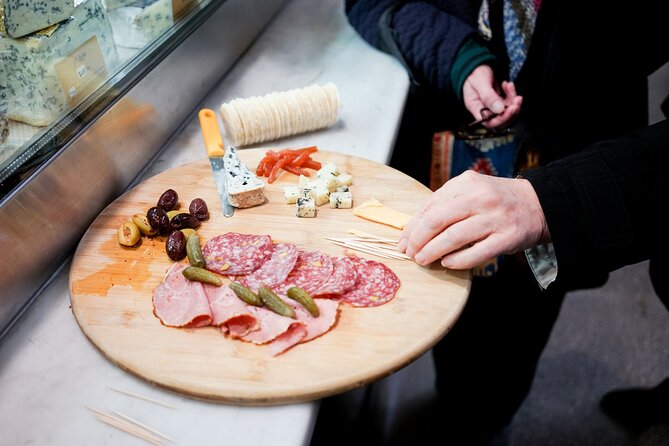
The tasting menu is not presented as a fixed restaurant meal, so the exact samples may change. The listed foods include antipasto, coffee, and gelato. Experiences described from individual departures also include cheeses, meats, doughnuts, tea, Greek sweets, Asian food, and other international treats.
Coffee often comes early, which is welcome at a 9:30 am start. It gives you a first taste while the guide begins explaining the market. Antipasto, cheeses, and meats make sense in this setting because they show how market shopping can bring different European food traditions into everyday Australian life.
The sweet stops provide a nice finish. Gelato is mentioned several times, and one departure ended with a cup of handmade gelato. Doughnuts, Greek desserts, and other treats may also appear depending on the route and vendors available that day.
I would not book this expecting a replacement for breakfast, lunch, or a formal tasting menu. The quantity can be modest. One person felt the variety and portions were too small for the price, while other departures included enough different tastes to make the morning feel generous.
The safest plan is to arrive with a light appetite, not an empty stomach. You want room for several samples, but you should not rely on the tour as your only substantial meal. The phrase do not eat breakfast before you go is useful advice if you normally eat lightly, but a small snack may make sense for children or anyone who needs regular food.
Additional food and drinks are not included. If a stall catches your attention, you can buy something extra, but those purchases are your responsibility. This is a benefit if you want to shop, though it can also push the total cost above the ticket price.
More Foodie Experiences in Melbourne:
- Melbourne Foodie Discovery Walking Tour
★ 5.0 · 530 reviews - Melbourne: 3-Hour Foodie Discovery Walking Tour
★ 4.9 · 313 reviews - Queen Victoria Market Ultimate Foodie Tour
★ 5.0 · 295 reviews - Bruny Island Food, Sightseeing, Guided Lighthouse Tour & Lunch
★ 5.0 · 2,989 reviews
The market stories are the real value
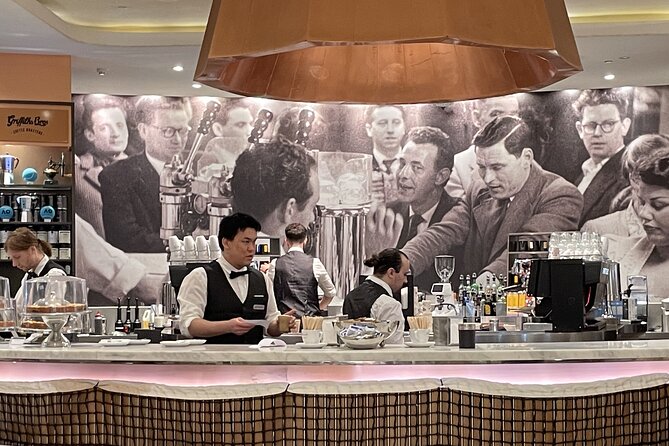
Food is the hook, but the cultural explanation gives the tour its purpose. Melbourne’s food scene reflects the arrival of people from many places and the way their traditions became part of daily city life.
Your guide explains why multicultural food appears so naturally in the market. You hear about immigration, local trade, market businesses, and the way communities have influenced Melbourne’s eating habits. This makes the tastings easier to understand. A piece of cheese, a coffee, a Greek sweet, or an Asian dish is not treated as an isolated sample. Each points to a larger part of the city’s development.
The best guides also connect broad history with small details. A vendor’s family business, a stall’s age, or the way a product is prepared can make the market’s past feel immediate. Tristan is repeatedly praised for this blend of market history and food knowledge, while Tamra and Anna are also named as friendly guides who made the walk personal.
This is a good tour for you if you like asking questions. It is less suitable if you want to move quickly from one famous dish to the next without discussion. The walking is easy, but the conversation is a large part of the experience.
The South Melbourne Market issue
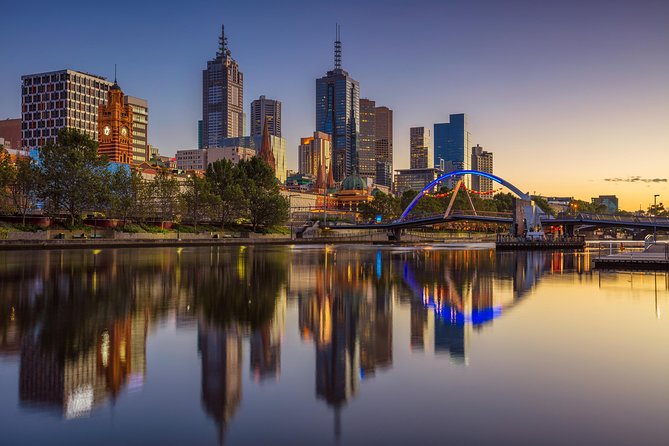
Queen Victoria Market is the intended focus, but it is not open every day. When it is closed because of construction, upgrades, or scheduling, the tour may shift to South Melbourne Market.
South Melbourne Market is still worth seeing, but the substitution changes the value of the experience. One departure included useful conversations with a few business owners, yet much of the route felt like a general walk through the market rather than a carefully prepared tasting tour. The guide also had less familiarity with that market.
This is the main risk to consider before booking. If seeing Queen Victoria Market is your reason for choosing the tour, check that it is open on your date. The available information specifically notes that Tuesday was a good choice for avoiding heavier crowds, though market schedules can change.
A substitute itinerary may still give you food and local context, but it may not offer the same depth. The tour is strongest when the guide has firm relationships with the vendors and a well-rehearsed route through Queen Victoria Market.
Is $54.85 a fair price?
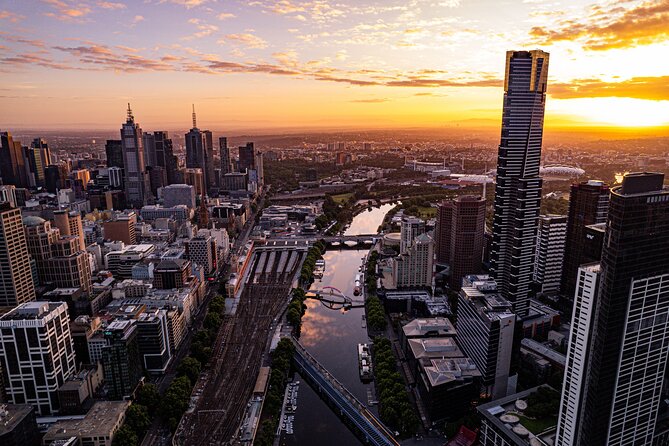
At $54.85 per person, the tour sits above the cost of simply walking through the market and buying a snack or two. You are paying for the guide, introductions, historical context, several tastings, and a drink. The price makes the most sense if you value personal explanation and want help finding the market’s best corners.
It is less convincing if you mainly want food quantity. The samples are spread across the morning rather than served as a large meal, and additional purchases cost extra. You may spend more if you decide to buy coffee, sweets, or products to take home.
The group limit of 12 improves the value. A guide can answer questions and keep the group together without the impersonal feel of a large coach excursion. If your group is small, the experience may feel especially personal.
The price also includes something you cannot easily buy on your own: access to the guide’s local connections. A market map can show you where the stalls are. It cannot always explain which businesses have longstanding links to the city or introduce you to the people behind the counter.
My judgment is that the tour offers fair value for a curious first-time visitor, especially if you treat it as a cultural orientation with food rather than an all-you-can-eat event. I would be more cautious if you have already spent time at Queen Victoria Market and feel comfortable finding its food stalls independently.
Timing, walking, and practical comfort
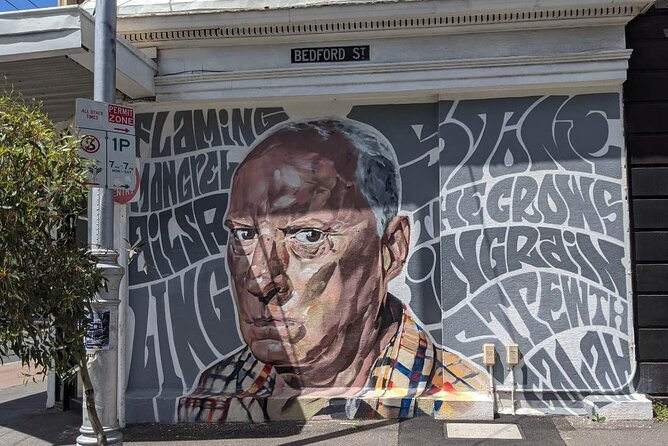
The tour starts at 9:30 am and runs in all weather. Bring layers, since Melbourne mornings can change quickly and parts of a market walk may be exposed. Comfortable shoes are sensible even though the distance is only about one kilometre.
Most people can take part, and the route is described as easy. Service animals are allowed. Some areas may have access limits, so contact the operator in advance if you have specific mobility requirements. The route can be adjusted when possible, but full access to every market area is not guaranteed.
Children under six can join at no charge. Families should still consider the early start and the food-focused pace. Young children may enjoy the sweets and market activity, but the historical explanations and vendor conversations are aimed more at older children and adults.
Vegetarian, vegan, and gluten-free requests can be accommodated when arranged in advance. Tell the operator about dietary needs before the tour rather than waiting until the morning. Since the tastings depend on market vendors, advance notice matters.
The tour is carbon neutral and operated by a certified B Corp. That will not change what you eat or how far you walk, but it may matter if responsible travel is part of your booking decision.
How it compares with exploring alone
You can certainly visit Queen Victoria Market without a guide. It is free to enter, and you can spend as much or as little as you like. Going alone gives you complete control over your route and spending.
The guided version adds structure. You do not need to research the market’s background, decide which stalls to visit, or guess which vendors might welcome questions. You also get a planned sequence of tastings and advice about what to explore next.
The trade-off is flexibility. You follow the guide’s route, share the pace with the group, and receive the samples selected for that departure. If you are a confident market shopper, the extra cost may not feel necessary.
For a first morning in Melbourne, I see the tour as a useful orientation. It gives you a map in your head, helps you recognize the market’s different food traditions, and can point you toward places to return later. For a repeat visitor, the value depends heavily on the guide and on whether the route includes Queen Victoria Market.
Who should book this experience?
I would recommend it to first-time visitors who want food and city context in the same morning. It is also a good fit for couples, small families, and solo visitors who enjoy meeting local vendors but do not want to plan every stop themselves.
Food lovers who care about stories will get more from it than people seeking large portions. The guide’s explanations, vendor contacts, and market background are central. The samples are a pleasant way to keep the route moving, not the sole reason to pay.
I would also suggest it to Melbourne residents who have never explored the market with a local guide. Several departures have worked well for people seeing their home city in a new way. The market can reveal plenty even if you already know central Melbourne.
I would hesitate if your date may require the South Melbourne Market substitute, especially if you have already visited that market. I would also choose a self-guided visit if your main goal is cheap food or extensive shopping.
Should you book the Queen Victoria Market food tour?
Book it if you want an easy, social introduction to Melbourne’s food culture, with enough tasting stops to keep the morning interesting and enough history to explain why the market matters. The best version of this experience pairs you with a guide such as Tristan, Anna, or Tamra and takes place at Queen Victoria Market before the crowds arrive.
Go in expecting samples rather than a full meal. Check the market schedule, mention dietary needs in advance, and bring comfortable shoes and a light appetite. If you want a guide to show you the people and stories behind Melbourne’s food, $54.85 is reasonable. If you only want to wander, eat a lot, and shop independently, save the money and explore the market on your own.
FAQ
Where does the tour begin?
It begins at Melbourne Multicultural Hub, 506 Elizabeth Street, Melbourne VIC 3000. The start time is 9:30 am.
Where does the tour finish?
The planned finish is Queen Victoria Market on Queen Street, Melbourne VIC 3000.
How long is the tour?
The experience lasts approximately two hours and 30 minutes. The walking distance is about one kilometre.
What food and drinks are included?
Included tastings may feature antipasto, coffee, gelato, cheeses, meats, doughnuts, tea, Greek sweets, and international foods. Additional food and drinks are not included.
Can dietary needs be accommodated?
Vegetarian, vegan, and gluten-free requests can be accommodated when provided in advance.
What happens if Queen Victoria Market is closed?
The route may be changed to South Melbourne Market. This is an alternative itinerary, and it may offer a different experience from the planned Queen Victoria Market visit.
Just added around Melbourne
- Melbourne: Ghosts of Williamstown Guided Ghost Walking Tour★ 4.4 · 47 reviews
- Melbourne: 3-Hour Foodie Discovery Walking Tour★ 4.9 · 313 reviews
- Melbourne: Spirit Of Melbourne Yarra River Lunch Cruise★ 4.9 · 65 reviews
- Melbourne City Cruise with Tea, Coffee, and Commentary★ 4.3 · 189 reviews
- From Melbourne: Mt Buller Snow Day Small Group Boutique Tour★ 4.8 · 78 reviews
- Moonlit Sanctuary Conservation Park Entry Ticket★ 4.5 · 163 reviews
- Melbourne: MONOPOLY DREAMS Admission Ticket★ 4.3 · 39 reviews
- Melbourne: VR Escape Game Adventure 2+ Players★ 4.9 · 52 reviews
Food & Drink, compared.

Laid back, Yarra Valley Wine Tour: Wine, Cider, Gin, Beer + Choc
Read our review →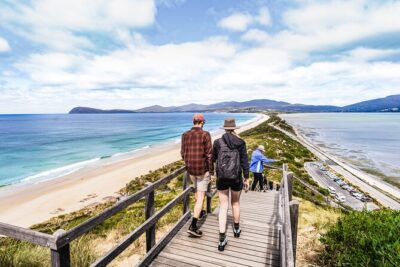
Bruny Island Food, Sightseeing, Guided Lighthouse Tour & Lunch
Read our review →
Epic Yarra Valley Wine Tour + Lunch, Chocolate & Gin/Beer Option
Read our review →
Barossa Premium Wine Tasting Tour & lunch Departs 7 days a week
Read our review →
Barossa Premium Wine Tasting tour & Winery Lunch
Read our review →
Bruny Island Food, Sightseeing & Lighthouse Day Tour
Read our review →
Bruny Island Traveller – Gourmet Tasting and Sightseeing Day Trip from Hobart
Read our review →Browse the lists this tour appears in