
Reviewed · OUTBACK QUEENSLAND
Nogo Station Experience
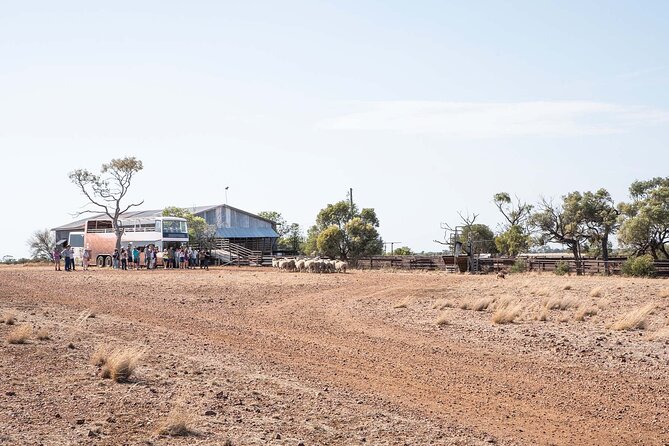
The most memorable part of the Nogo Station Experience is the switch from town history to working-station life. You begin around Longreach, then see the old shearing shed, watch a sheepdog work if conditions allow, and ride an open-top double-decker bus across the outback plains. It is a useful way to understand how wool, stock, distance, and weather shape life here.
I like the hands-on station setting and the way guides such as Jeremy and Duncan mix facts with dry Australian humor. I also like the old-fashioned billy-can lunch at Captain Starlight’s Camp. The main caution is that the shearing shed may feel less active when no team is shearing, and the open-air parts can be hot, windy, or dusty.
Nogo Station at a glance
- See sheep-station work up close: Learn how Merino wool and shearing fit into the local economy.
- Ride above the plains: The open-top double-decker bus gives you broad views and a good chance to spot wildlife.
- Look for outback animals: Camels, wild donkeys, goats, kangaroos, cattle, sheep, and wedge-tailed eagles may appear along the route.
- Hear local stories from local people: Jeremy and Duncan bring practical knowledge of Longreach and station life.
- Eat like a pioneer: Finish beneath gum trees with a saddle-bag style lunch and billy tea at a recreated camp.
- Plan for a morning outing: Pickup is offered, the start time is 7:45 am, and the tour lasts about three to four hours.
Why this morning tells the Longreach story well
Longreach can look like a quiet outback town at first glance. The Nogo Station Experience gives you the background to read it properly. Roads, stockyards, wool sheds, old buildings, and huge distances begin to connect.
The tour starts with a guided heritage look at Longreach. Your host points out sites and landmarks while explaining the people and events that shaped the town. Duncan, who handles the bus and local commentary on some outings, is praised for keeping the history lively rather than turning it into a list of dates.
That opening matters because Nogo Station is not just a farm visit. It is part of a wider story about settlement, wool, transport, isolation, and the hard work needed to run a property far from Australia’s coastal cities.
You are not simply shown a building and sent on your way. The commentary helps explain why the station exists, how the town grew around regional industries, and why familiar Australian terms make more sense once you have seen the work behind them.
A few more Outback Queensland trips worth weighing up
- Drover’s Sunset Cruise includes Smithy’s Outback Dinner and Show
★ 5.0 · 665 reviews - Starlights Cruise Experience
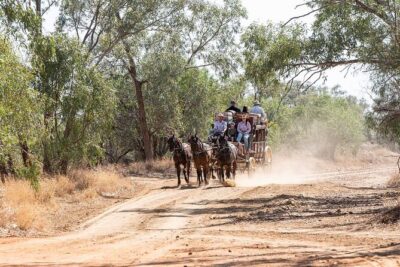
★ 4.5 · 368 reviews - Cobb & Co Stagecoach Experience in Longreach
★ 4.5 · 226 reviews
The shearing shed puts wool into context
The historic shearing shed is the most educational stop for many people. Here, you learn about Merino sheep and the value of their wool, along with the routines that once made shearing sheds the center of station life.
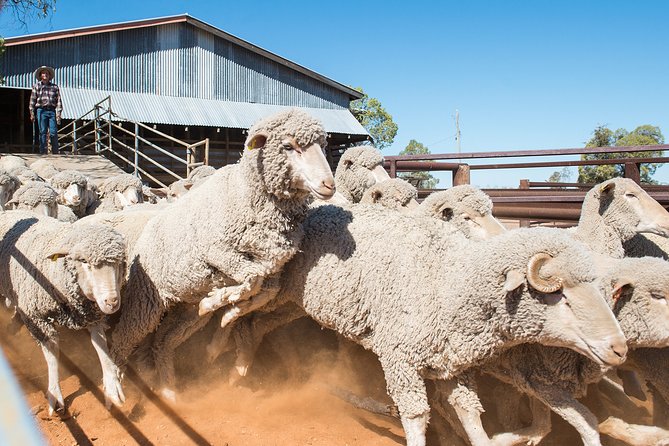
If a shearing team is working during your visit, you may see the shed in action. That adds movement and sound to the explanation. You might also see a sheepdog mustering the flock before going inside. It is the clearest version of the stop because you can watch the work instead of only hearing about it.
When no shearing is taking place, Jeremy Kinnon provides the explanation. His strength is the practical side of the story: what happens in the shed, how the wool is handled, and how the work fits into the running of a sheep station. His humor keeps the talk from becoming too technical.
One small detail helps make the past feel real. Shearers traditionally wore moccasins in the shed. Details like this show that the job involved more than simply cutting wool. Footwear, tools, routines, and the layout of the shed all had a purpose.
The possible weakness is clear. If you are hoping for a live demonstration, that depends on timing. The tour remains informative without it, but the stop has more energy when shearing is underway. If this part is especially important to you, ask when booking if a shearing team is expected.
The open-top bus crosses working country
After the shed, you climb onto an open-top double-decker bus for a drive across Nogo Station. This is not a fast wildlife safari in the usual sense. It is a broad look at a working property, with the chance to see animals as you move through their country.
The high seats give you a clear view over the plains. That helps you grasp the scale of the property and the distance between one working area and another. The ride also gives you a break from walking, which is welcome during a warm Longreach morning.
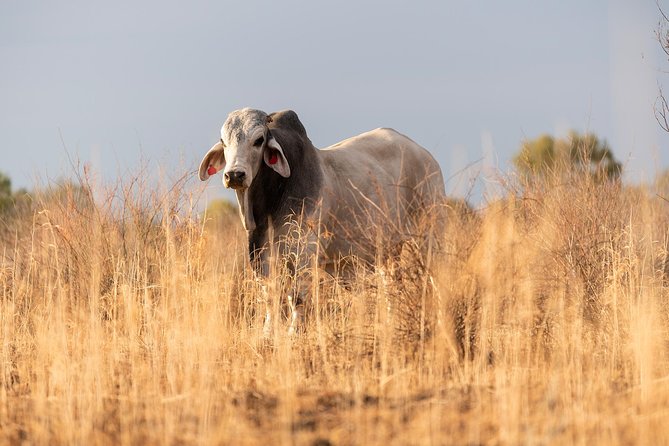
Keep your eyes moving. You may see desert camels, wild donkeys, goats, kangaroos, sheep, and cattle. Wedge-tailed eagles can soar overhead. The animals are not arranged for display, so sightings depend on the day, the weather, and where stock happens to be.
That uncertainty is part of the appeal. You are seeing a working station, not entering a formal wildlife enclosure. Cattle and sheep are part of the business, while the donkeys, camels, kangaroos, and birds show how much other life shares the open country.
The upper deck makes the ride enjoyable, but it also means you should prepare for exposure. The supplied information does not specify shade or weather protection on the bus, so bring suitable sun protection and clothing for an open-air ride. A poor-weather cancellation is possible, and you will be offered another date or a full refund if the operator cancels for that reason.
Captain Starlight’s Camp and the pioneer smoko
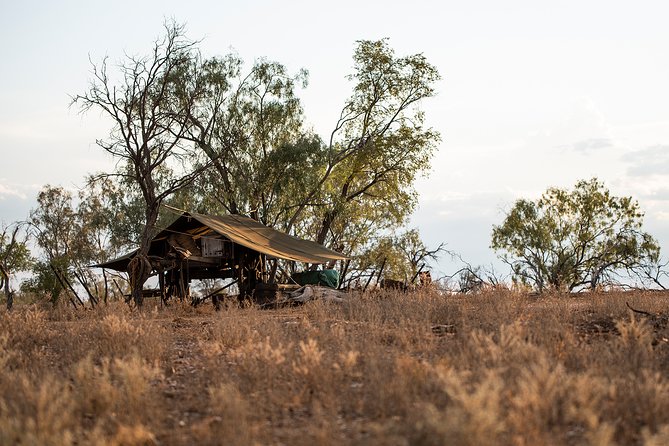
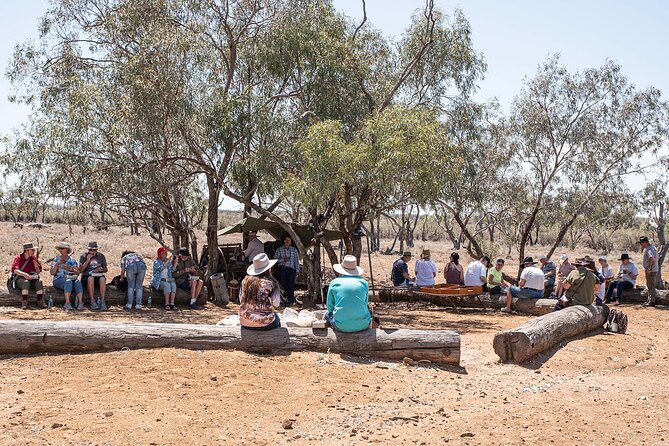
The final stop is a recreation of Captain Starlight’s bush camp. It gives the morning a human focus after the wide views and animal sightings.
Under the gum trees, you receive a traditional pioneer-style smoko, including billy tea and a saddle-bag or billy-can style lunch. The food is part of the lesson. Instead of finishing at a modern café, you pause in the sort of setting associated with outback travel and station work.
The lunch is described as generous, and it is one of the tour’s most distinctive touches. You should be ready to share the setting with flies, though. That is not a fault unique to this outing. It is simply part of eating outdoors in the Australian bush, and the tour’s own spirit treats it with a fair amount of humor.
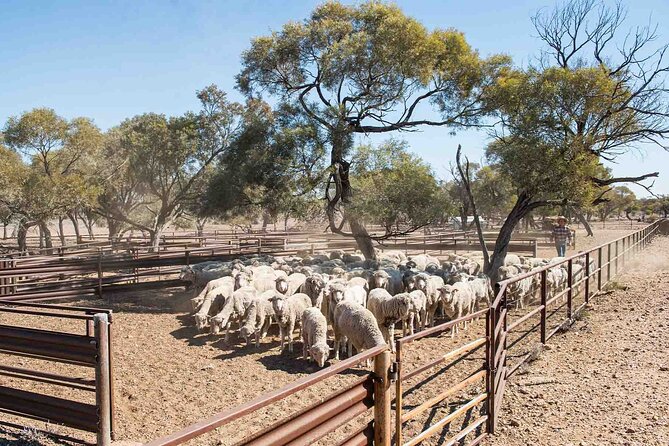
Captain Starlight’s old stockyards and the recreated camp add a link to the region’s pioneer era. You get a sense of how people traveled, worked, and stopped in country where shade and water mattered. The setting is simple, but that simplicity is exactly why it works.
This section lasts about 30 minutes, so it is not a long meal stop. Think of it as a short cultural finish with food, stories, and a chance to sit under the trees before returning to Longreach.
A different sort of day out, same corner of Outback Queensland:
- Roma: Lost World Carnarvons (Wallaroo) Day Tour
★ 5.0 · 151 reviews - Dinosaur Stampede 3/4 Day Tour from Winton
★ 5.0 · 99 reviews - Carisbrooke Station and Dinosaur Stampede Day Tour from Winton
★ 5.0 · 61 reviews - Best of Mount Isa Tour (2 hrs)
★ 5.0 · 60 reviews
The guides make a real difference
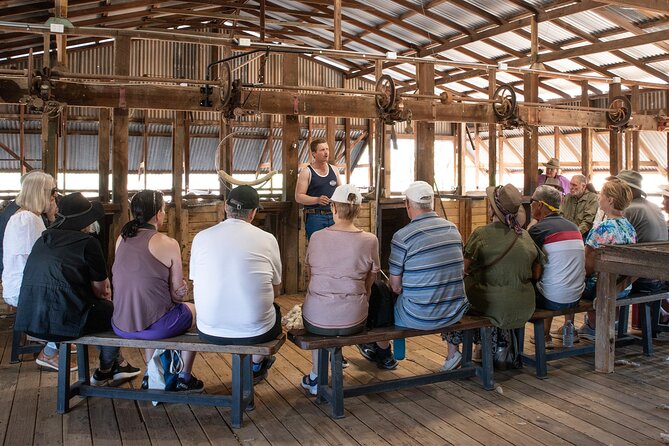
The quality of this outing depends heavily on the people leading it. Jeremy Kinnon is associated with the station explanation and is praised for his storytelling, humor, and direct experience of life on the land. His presentation helps turn technical subjects such as wool production into something easy to follow.
Duncan, the bus driver and local guide on some departures, adds another layer. His commentary covers Longreach, local landmarks, and the road out to the station. A good town guide can make the first part feel connected to the station visit rather than like separate activities, and that is the role he fills.
The Kinnon family connection also gives the tour a personal quality. You are not receiving a generic outback script from a distant operator. The stories are tied to the property, the town, and the people who know the work.
That said, guides can vary by departure. Jeremy and Duncan are named in the available information, but you should not assume both will lead every outing. The strong rating of 4.8 from 64 reviews and a 97 percent recommendation rate suggest that the guiding is a major strength, but the exact pairing may depend on the day.
Is $118.35 a fair price?
At $118.35 per person, this is not a cheap transfer with a quick photo stop. You are paying for roughly three to four hours that combine a Longreach heritage tour, station access, a shearing-shed presentation, an open-top bus ride, wildlife viewing, local guiding, and lunch with billy tea.
I think the price makes the most sense if you want several parts of Longreach in one morning. You avoid arranging separate transport to a station, finding a local history guide, and locating a meal stop. Pickup is offered, which adds practical value if you are staying in town and do not have your own vehicle.
The value is also in the interpretation. A drive past sheep, cattle, or a shearing shed would not tell you much on its own. Jeremy’s explanations and the Longreach commentary give the sights meaning.
The price is harder to justify if you only want wildlife viewing or a formal shearing demonstration. Animal sightings are not guaranteed, and live shearing depends on the season and the station schedule. This is best seen as a broad regional experience rather than a single-focus attraction.
The tour is limited to a maximum of 40 people. That is not a tiny group, but it keeps the outing more focused than a large coach excursion. For the best view from the open-top bus and a clear position during the shed talk, arrive ready at the 7:45 am start.
Who will enjoy Nogo Station most?
I would recommend this tour to anyone who wants context for the Longreach area. It suits first-time visitors who want to understand the link between town life, wool, cattle, transport, and the outback.
It is also a good match for families and mixed-age groups. The bus ride breaks up the history talks, and the possibility of camels, donkeys, kangaroos, goats, and eagles gives children something to watch for. Most people can participate, according to the supplied tour information.
You will get the most from it if you like stories and explanations as much as scenery. This is not a silent ride through empty country. The guides talk throughout the morning, and the humor is part of the experience.
You may want a different outing if you need a guaranteed wildlife encounter, dislike outdoor meals, or want a longer, more active station visit. The tour is fairly easygoing, but the sun, wind, flies, and open bus are genuine parts of the setting.
Dietary requirements should be listed in the booking notes. The tour provider also requires suitable weather and a minimum number of participants. If the minimum is not reached, you will be offered another date, another experience, or a full refund.
Booking timing and practical details
The start time is 7:45 am, and the average booking point is 61 days ahead. That advance pattern is useful to note if you are visiting Longreach during a busy period or have only a short stay.
Allow three to four hours, although the exact length may vary with the day’s conditions and the flow of the tour. Pickup is offered, and the group can include up to 40 people.
Free cancellation is available until 24 hours before the start time. Changes or cancellations inside that window are not accepted for a refund. The cut-off follows local time in Longreach, so check the clock before making a last-minute change.
The tour requires good weather. If the operator cancels because of poor conditions, you can choose a different date or receive a full refund. The same choice applies if the minimum number of participants is not reached.
Should you book the Nogo Station Experience?
Book it if you want a well-rounded morning that explains how Longreach connects to the working outback. The best features are the personal guiding, the shearing-shed talk, the high bus ride across the station, and the bush-camp lunch under gum trees.
Go with sensible expectations. Wildlife is not guaranteed, and the shed may be quieter outside the shearing period. The open bus can be exposed, and the outdoor lunch includes the ordinary realities of bush dining.
For many visitors, those rough edges are the point. You get wool, stock, old camp stories, working country, local humor, and a simple meal in one outing. If that sounds more appealing than a polished attraction, Nogo Station is a strong choice at $118.35.
FAQ
Where does the Nogo Station Experience take place?
The experience begins with a guided heritage tour in Longreach and continues at Nogo Station, including the historic shearing shed, station grounds, open-top bus route, stockyards, and recreated Captain Starlight’s Camp.
What time does the tour start?
The listed start time is 7:45 am.
How long does the experience last?
Allow approximately three to four hours.
Is pickup available?
Yes, pickup is offered.
What animals might I see?
You may see desert camels, wild donkeys, kangaroos, goats, sheep, cattle, and wedge-tailed eagles. Wildlife sightings are not guaranteed.
Is lunch included?
Yes. The experience includes a traditional pioneer-style billy-can lunch and billy tea under gum trees at Captain Starlight’s Camp.
What happens if the weather is poor?
The experience requires good weather. If the operator cancels because of poor conditions, you will be offered a different date or a full refund.
Just added around Outback Queensland
- Longreach History and Town Tour★ 4.8 · 23 reviews
- Winton: Dinosaur Stampede 3/4 Day Tour★ 4.9 · 26 reviews
- Longreach: Smithy’s Outback Dinner and Show★ 4.4 · 29 reviews
- Longreach: Sunset Paddlewheeler Cruise, Show and Dinner★ 4.6 · 38 reviews
- Cobb & Co Stagecoach Experience in Longreach★ 4.5 · 226 reviews
- Winton Discovery Day Tour★ 4.5 · 29 reviews
- Starlights Cruise Experience★ 4.5 · 368 reviews
- Carisbrooke Station and Dinosaur Stampede Day Tour from Winton★ 5.0 · 61 reviews
Outback Queensland Tours, compared.
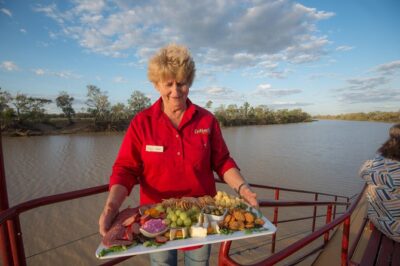
Drover’s Sunset Cruise includes Smithy’s Outback Dinner and Show
Read our review →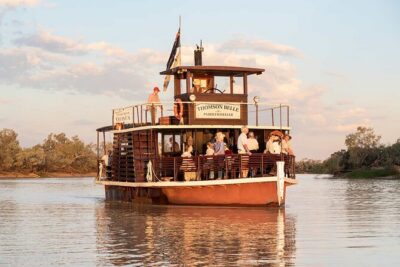
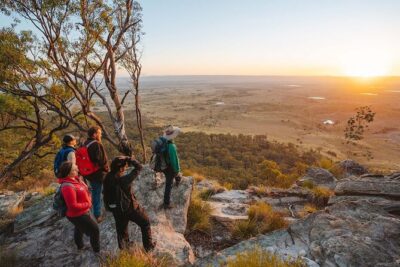
Roma: Lost World Carnarvons (Wallaroo) Day Tour
Read our review →
Carisbrooke Station and Dinosaur Stampede Day Tour from Winton
Read our review →
Longreach: Drover’s Sunset Cruise & Outback Dinner & Show
Read our review →Browse the lists this tour appears in