
Reviewed · BYRON BAY
Byron Bay: Full-Day Wildlife Safari
Koalas resting in eucalyptus trees, kangaroos grazing in open grassland, and a noisy colony of flying foxes are the main draw here. This is wildlife viewing in the wild, not a quick stop at a zoo, and the three habitats give you a good chance to see different animals in one day.
I like the small group of up to 10 and the care taken to keep the animals calm. I also like the picnic lunch, which can include chicken sandwiches and vegan rice or couscous, plus the chance to plant koala trees when conditions and the day’s plan allow. The main tradeoff is time in the vehicle: you have a 45-minute drive to the first stop and about an hour back to Byron Bay.
Key points
- Three habitats in one day: Explore eucalyptus forest, rainforest, and grassland, each with different wildlife.
- Wild koalas and kangaroos: Sightings of koalas and a mob of kangaroos are guaranteed, though animals may be high in trees or some distance away.
- Expert local guides: Tom, Wendy, and Skye bring strong knowledge of wildlife, ecology, and conservation.
- A proper picnic lunch: Sit down to locally sourced food, with vegetarian options available if requested in advance.
- Quiet wildlife watching: Binoculars and dark clothing help you see animals without feeding, touching, or disturbing them.
- Comfortable small-group transport: Travel in an eight-seat hybrid vehicle or a 12-seat bus, depending on group size.
Why this Byron Bay safari feels different
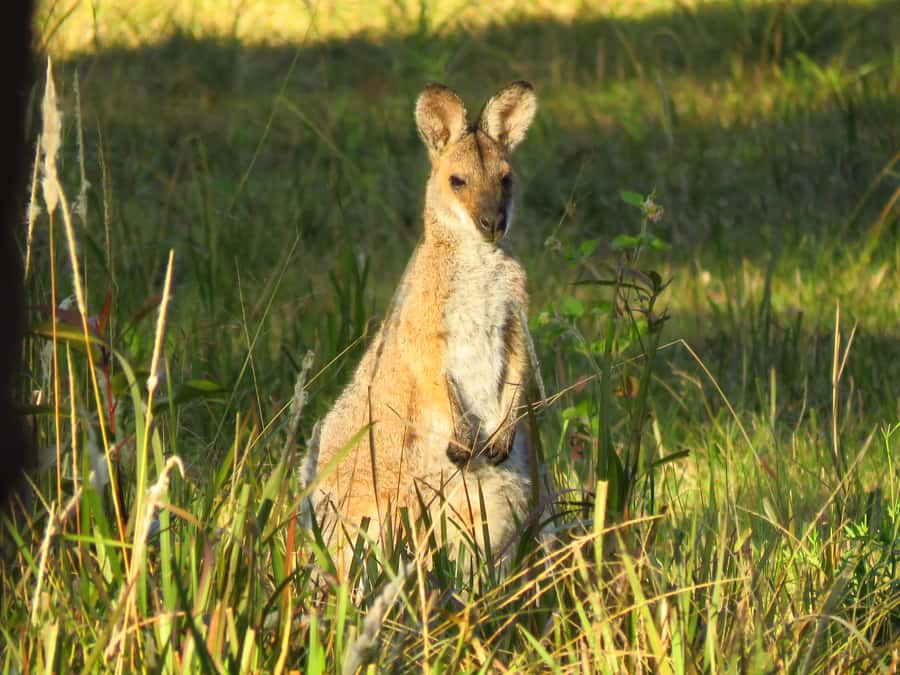
The best thing about this tour is its clear purpose: you go to the places where Australian animals live. You are not promised close contact, hand feeding, or posed animal photographs. Instead, you learn how to find a koala tucked into a fork of a gum tree, tell a wallaby from a kangaroo, and watch flying foxes without treating them like performers.
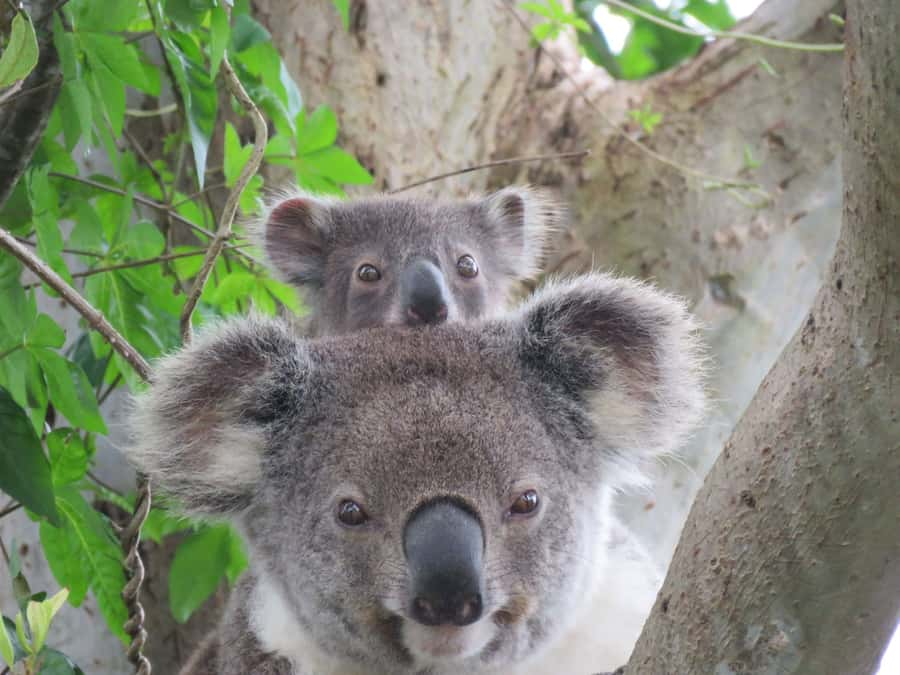
That approach suits me. Wild animals do not always appear on cue, and a koala may be little more than a grey shape high above your head. Yet the reward is knowing you are seeing natural behavior. One day may bring several koala mothers with joeys, more than 20 kangaroos, and a pademelon. Another may offer fewer animals but a closer look at birdlife, forest plants, or the way a habitat supports its residents.
The tour has a 4.8 rating from 129 bookings, and the praise is especially strong for the guides. Tom is often singled out for his enthusiasm and broad understanding of ecology. Wendy is warm, practical, and very good at finding animals. Skye has been praised for explaining the wider ecosystem, not just naming what sits in front of you.
More Wildlife Tours in Byron Bay:
- Byron Bay Wildlife Safari
★ 5.0 · 81 reviews - From Melbourne: Great Ocean Road, 12 Apostles, Wildlife Tour
★ 4.7 · 6,020 reviews - Penguin Parade, & Wildlife Encounters Eco Tour from Melbourne
★ 5.0 · 3,774 reviews
The 45-minute ride to the first habitat
Pickups are available from accommodation in Byron Shire or Ballina Shire. Once you leave Byron Bay, expect roughly 45 minutes on the road before the first main wildlife stop. That drive is useful for getting an introduction to the area, but it also means this is not a nonstop walking tour.
Transport depends on group size. You may ride in a cozy eight-seat hybrid vehicle or a 12-seat bus. A small group makes it easier to ask questions, share binoculars, and adjust the pace of the walks. It also makes the experience quieter than a large coach outing, which matters when you are trying to notice birds or scan tree branches for koalas.
If you suffer from motion sickness, bring your usual medication. One person specifically found the driving worth preparing for. The day includes short drives between habitats, so you are not in the vehicle continuously, but the total road time is still a real part of the outing.
Eucalyptus forest and the search for koalas
The eucalyptus forest is where you are most likely to focus on koalas. Your guide will help you scan the trees, looking for the shape of an animal curled on a branch, pale fur against the trunk, or the telltale movement of a head turning above you.
The guarantee is useful, but it should be understood properly. You are guaranteed to see a koala or two, yet you are not guaranteed a ground-level view. Wild koalas often sit high in the canopy, and binoculars make a major difference. The tour provides binoculars, so you do not need to pack your own.
This is also where the guide’s skill matters most. A trained eye can spot an animal that you might walk past without noticing. Tom and Wendy have both been praised for locating multiple koalas, including mothers and young. You might see only a few animals, or you might have a remarkable morning with several koalas in one area.
The quiet approach is part of the lesson. You are asked to wear dark clothing if possible, not because you need specialist gear, but because blending into the surroundings helps reduce attention. The aim is to observe without crowding the animals, calling to them, or trying to bring them closer.
Rainforest wildlife beyond koalas
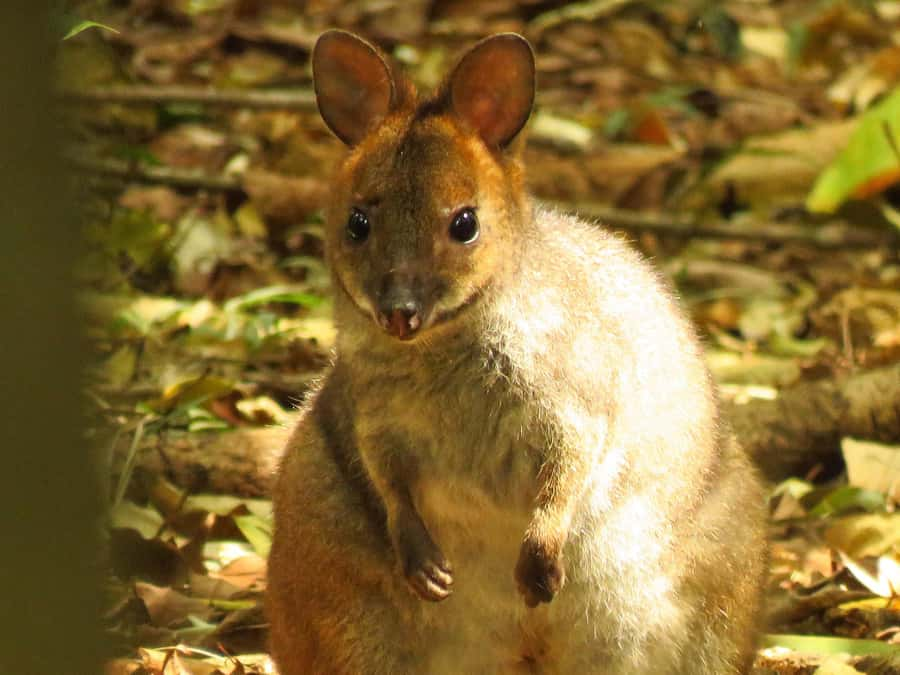
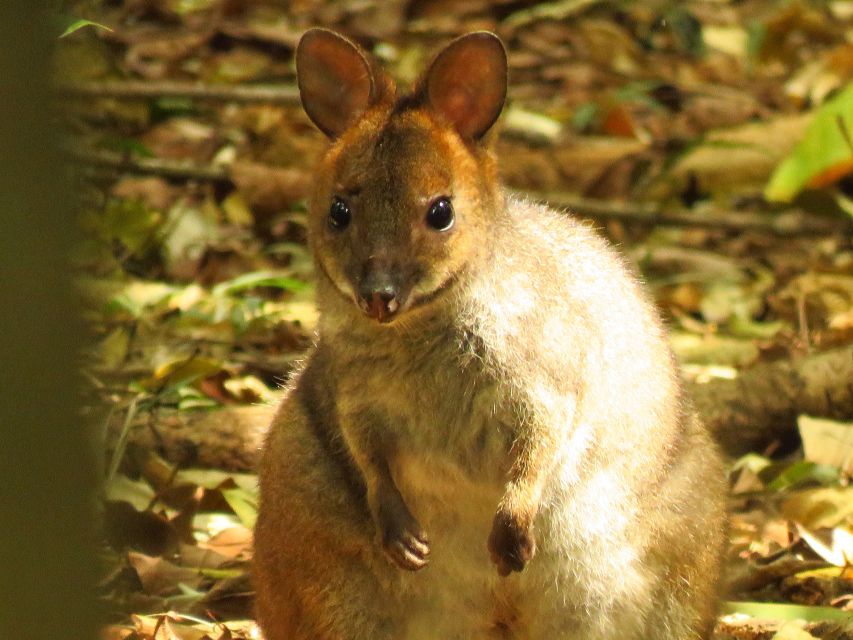
The rainforest section changes the pace and the type of wildlife you are watching. Here, your attention moves from high gum trees to shaded vegetation, smaller movements, and bird calls. Depending on conditions, you might see a pademelon, an echidna, a tawny frogmouth, or a water dragon.
These sightings are not guaranteed, so keep your expectations sensible. An echidna can be difficult to find, and a tawny frogmouth is famous for looking like part of a branch. The satisfaction comes from learning what to look for rather than ticking off every animal on a fixed list.
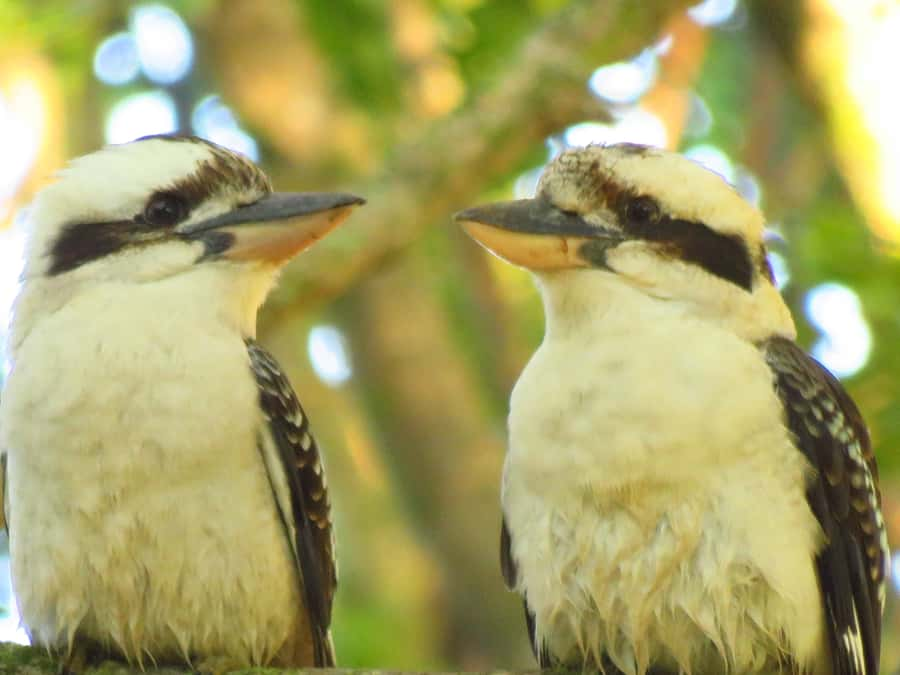
Birdwatching is a major part of this tour. You might see native hens, ducks, waders, parrots, kookaburras, magpies, currawongs, wrens, robins, and wedge-tailed eagles. Butterflies also appear. The guides explain differences between species, so you leave with more than a collection of animal names.
I like this broader focus. Many wildlife outings center on one iconic animal, then rush past everything else. Here, the birdlife and smaller creatures help you understand how the habitats fit together. A kookaburra in a gum tree, a wader near water, or a small robin in the undergrowth can become just as memorable as a kangaroo.
More Safari Tours in Byron Bay:
- Ocean Safari Great Barrier Reef Experience in Cape Tribulation
★ 5.0 · 902 reviews - Kangaroo Island 75-Minute Coastal Safari
★ 5.0 · 607 reviews - Marine Eco Safari – Swim with Manta Rays
★ 5.0 · 493 reviews - Top End Safari Camp Day Tour
★ 5.0 · 398 reviews
Grassland and the kangaroo mob
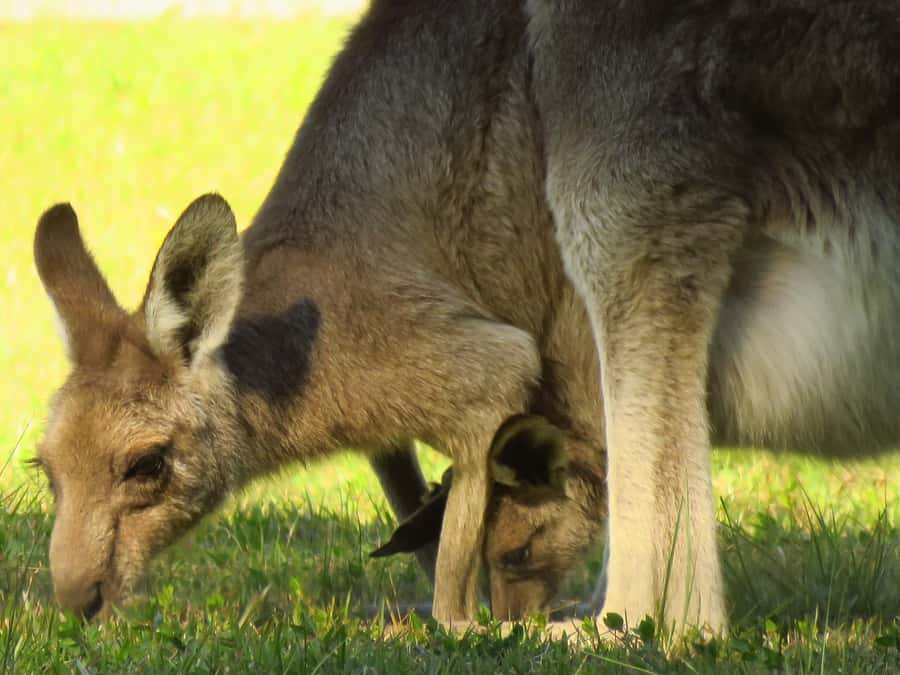
The grassland stop is your best chance to see kangaroos in open country. You may also see wallabies, hares, and young animals. Several people have seen kangaroos with joeys, while one outing produced more than 20 kangaroos along with wallabies and koalas.
Your guide will show you how to tell a kangaroo from a wallaby. Size helps, but it is not the only clue, and seeing both in the same area makes the comparison easier. The tour also explains the difference between a grey-headed flying fox and a black flying fox, which is useful before you reach the flying fox colony.
The animals may be some distance away. That is part of viewing wildlife in a natural setting, and the binoculars help. You are not walking into a pen or standing beside a tame animal. You are watching behavior in open country, with the group trying to keep a respectful distance.
This stop can also bring surprises. A carpet python was spotted on one outing, along with bats and a range of birds. Those sightings cannot be promised, but they show why a flexible schedule works better than a rigid checklist.
Flying foxes and the day’s unexpected sights
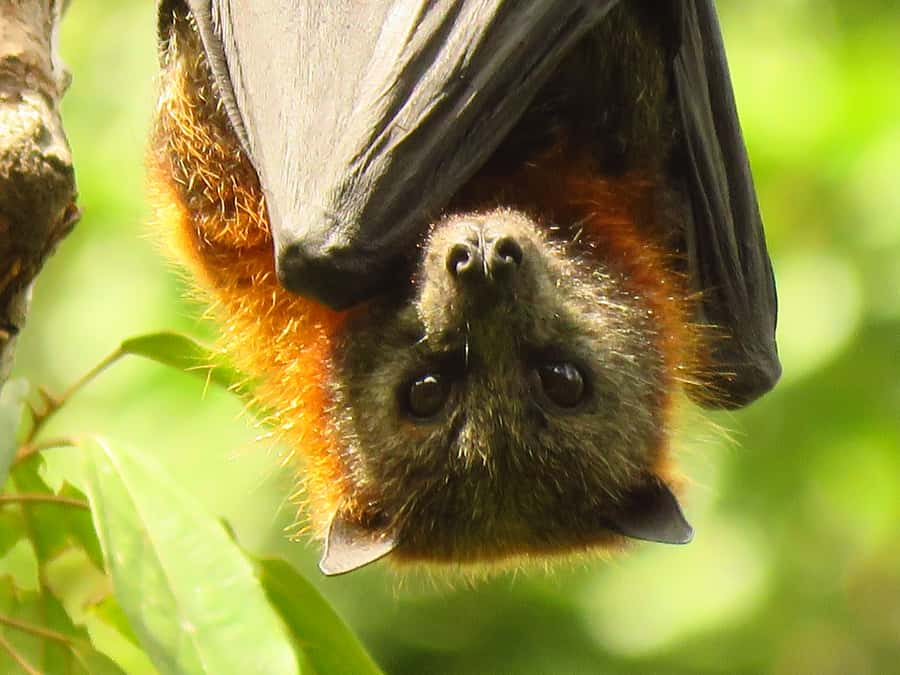
The tour promises a colony of flying foxes, and this can be one of the most striking stops. These large fruit bats are easy to overlook if you expect Australian wildlife to mean only koalas and kangaroos. Seeing a whole colony gives the day a useful change of scale and helps correct the usual image of bats as small, secretive animals.
Your guide can explain the difference between flying fox species and how to identify them. The grey-headed flying fox and black flying fox are not interchangeable, and learning the visual clues turns a quick look into a proper wildlife lesson.
The exact mix of animals depends on weather, season, and luck. You might see water dragons, a pademelon, or an echidna. You might also have a quieter day with strong bird sightings and fewer unusual mammals. That uncertainty is not a flaw, but you should book this outing because you value wild behavior, not because you need a guaranteed photograph of every animal named in the description.
A picnic lunch by the water
The picnic lunch is more than a snack eaten in the vehicle. You sit down for a locally sourced meal, with water refills available and a relaxed break in the middle of the day. One guide even brought out a gingham tablecloth, a small touch that helped turn lunch into part of the experience rather than dead time between stops.
Past lunches have included chicken sandwiches and vegan rice or couscous. Tell the operator about dietary needs when you book. Bottled water is not included, so bring a reusable water bottle, which you can refill during the day.
One practical tip: eat something before pickup. The tour can begin around 9:15, and lunch does not arrive until midday. If you start hungry, the early drive and walking may feel long. The supplied lunch is described as generous and satisfying, but it is still wise to have breakfast first.
What the guides add to the day
This tour depends heavily on the person leading it. Tom, Wendy, and Skye each bring more than animal identification. They explain the local ecosystem, conservation work, and the effects of climate change without turning the day into a lecture.
Tom has been praised for taking photographs and finding the animals the group hoped to see. Wendy is known for her friendly manner and strong understanding of local wildlife. Skye has helped groups connect individual animals with the wider ecological system. The small group gives you room to ask questions, which is a real advantage if you want to understand why an animal lives in one habitat and not another.
The guide also sets the tone. This is not a feeding encounter. You cannot pat the animals, lure them closer, or expect a guaranteed close-up. If that sounds limiting, choose a sanctuary experience instead. If you want to learn how to notice wildlife while leaving it undisturbed, the rules are exactly what you want.
Seven hours, a small group, and the $133 cost
At $133 per person, the price is fair for a seven-hour day that includes hotel pickup and drop-off, transport, a guide with environmental science training, binoculars, photographs, lunch, and water refills. You are also paying for the guide’s local knowledge and the time spent checking several habitats rather than visiting one easy viewing point.
The value is strongest for visitors without a car. Reaching three wildlife areas independently would take planning, local directions, and luck. Here, the driving, animal spotting, and interpretation are handled for you.
The price is less attractive if you want a short, cheap animal encounter or dislike driving between stops. The first and final drives account for roughly one hour and 45 minutes, before counting the shorter transfers. You also need to accept that the best sightings may be far away or partly hidden.
Group size is limited to 10, though the vehicle may be a larger 12-seat bus. Minimum participation is two people. The walks are described as fairly easy and can be adjusted to suit the group’s abilities, but you still need covered, closed-toe shoes and a jacket if the weather calls for one.
Who should book this wildlife safari?
I would choose this tour if you want koalas and kangaroos in the wild, prefer a small group, and like learning about birds and ecosystems along the way. It is especially suited to visitors who do not want a zoo or sanctuary visit and who are happy to watch from a respectful distance.
Families, couples, solo visitors, and keen birdwatchers can all fit the format, provided everyone is comfortable with several hours on the road and easy walks. The provided photos are a nice bonus if you want a record of the day without spending the whole time holding up a phone.
I would think twice if your main goal is to touch or feed wildlife, or if you need every sighting to be close and guaranteed. Nature does not work that way. Even with guaranteed koalas, kangaroos, and flying foxes, the experience is still about patience and observation.
Should you book the Byron Bay Wildlife Safari?
Book it if the words in the wild matter to you. The strongest parts are the three habitats, the patient guides, the small group, and the chance to see everything from koala mothers and joeys to flying foxes, parrots, and wallabies.
Bring breakfast, a reusable bottle, closed shoes, dark clothing, and motion sickness tablets if you need them. With those small preparations, the $133 price buys a full day of transport, food, wildlife expertise, and a genuine chance to see Australian animals behaving like wild animals.
FAQ
How long does the Byron Bay Wildlife Safari last?
The tour lasts seven hours. It includes a 45-minute drive to the first main stop, shorter drives between habitats, and about an hour of driving back to Byron Bay.
What animals are guaranteed on the tour?
You are guaranteed to see a koala or two, a mob of kangaroos, a colony of flying foxes, and many bird species. Pademelons, echidnas, tawny frogmouths, and water dragons may appear if conditions are right.
Is lunch included?
Yes. A locally sourced picnic lunch is included, along with water refills. Vegetarian food such as vegan rice or couscous can be provided, but you should share dietary requirements when booking.
What should I bring?
Bring a reusable water bottle, a jacket if the weather may be cool, and covered, closed-toe shoes. Dark clothing is recommended where possible so you are less noticeable to wildlife.
How many people are in the group?
The minimum is two people and the maximum is 10 participants. Transport is provided in an eight-seat hybrid vehicle or a 12-seat bus, depending on the group size.
Can I cancel the tour if my plans change?
You can cancel up to 24 hours before the tour for a full refund. You can also reserve your place and pay later, keeping your plans flexible.
Just added around Byron Bay
- Small-Group Surfing Lessons in Byron Bay★ 5.0 · 131 reviews
- E-Bike Rentals: Daily Hire Byron Bay and Tweed Coast Areas★ 5.0 · 27 reviews
- Half Day Guided Surf Lesson in Byron Bay★ 5.0 · 160 reviews
- Private Surf Lessons Kool Katz 1 Day★ 4.5 · 70 reviews
- Cape Byron Aboriginal Tour★ 5.0 · 29 reviews
- Half Day Learn to Surf Tour From Byron★ 5.0 · 31 reviews
- WANDER BYRON Guided Sunrise Tours to Cape Byron Lighthouse★ 5.0 · 34 reviews
- Experience The Thrill Half Day Surf School in Byron Bay★ 5.0 · 37 reviews
Wildlife, compared.
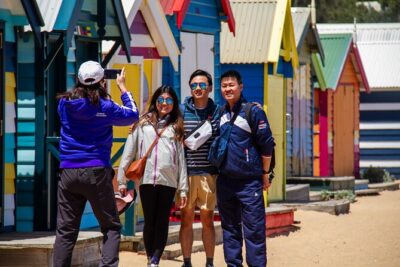
Penguin Parade, & Wildlife Encounters Eco Tour from Melbourne
Read our review →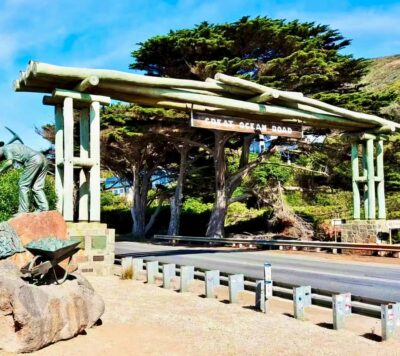
Melbourne Great Ocean Rd Reverse Tour London Bridge Wildlife
Read our review →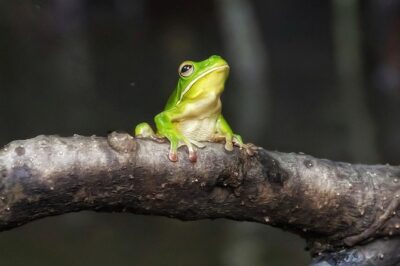
Solar Whisper Daintree River Crocodile and Wildlife Cruise
Read our review →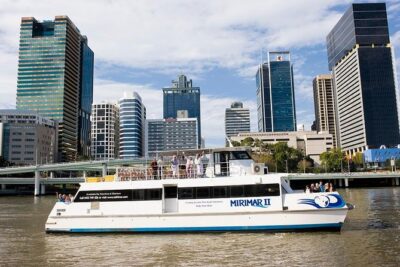
Brisbane River Cruise with entry to Lone Pine Koala Sanctuary
Read our review →
Blue Mountains: Three Sisters, Scenic World and Wildlife park
Read our review →
Brisbane River Cruise and Koala Sanctuary Visit
Read our review →
Puffing Billy & Healesville Sanctuary Scenic Tour
Read our review →Browse the lists this tour appears in