
Reviewed · CAPRICORN COAST
Bundaberg; Bundaberg Rum Distillery Tour and Tasting
Bundaberg Rum turns sugar-mill waste into one of Queensland’s best-known drinks, and this tour lets you follow that process from a 5-million-liter molasses well to oak barrels holding rum for at least two years. I like the clear route through the working distillery and the tasting of one rum and one liqueur at the end. I also like that the museum gives you useful background before the guide takes over.
The main drawback is the strict no-electronics rule inside the working site. You cannot bring a phone, camera, tablet, or even car keys on the tour, though free lockers are available. The outdoor route is wheelchair and pram friendly, but you should arrive 30 minutes early to see the museum first.
Key points to know before you book
- The molasses well holds up to 5 million liters: This gives the tour a real sense of scale before you see the smaller working stages.
- The tour enters an operating distillery: You see fermentation, double distillation, and barrel aging rather than only display cases.
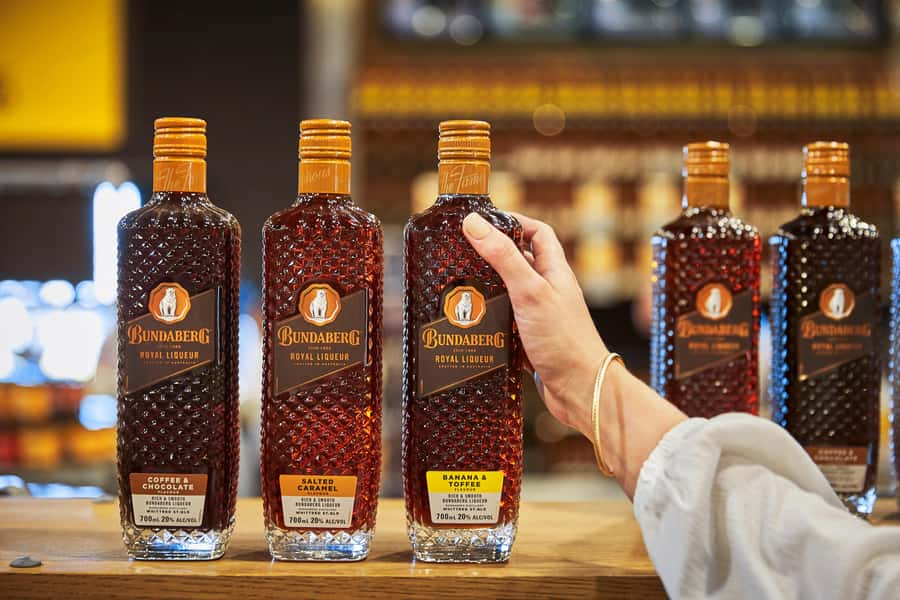
- Your tasting includes one rum and one liqueur: The samples come from the Bundaberg range at the Tasting Bar.
- The museum is part of the visit: Arrive early, since the guided portion lasts about one hour and the museum is self-guided.
- Phones and cameras stay in lockers: The rule is tied to flammable areas, not simply visitor convenience.
- The $21 price is close to the self-guided option: The guided tour costs only $1 more than the $20 museum walk and adds access to the actual distillery.
Why Bundaberg Rum is worth an hour
This is a good stop if you want more than a shop visit and a quick sample. Bundaberg Rum is made in a part of Queensland shaped by sugar production, and the tour explains the link in practical terms. Molasses arrives from the sugar mill across the road, then moves through fermentation, distillation, and aging before it becomes bottled rum.
I like that the route follows the production line. You are not just shown a polished display about rum making. You get to see a working site, smell the process, and understand why each stage matters. The visit also stays short enough to fit into a day of exploring Bundaberg.
The tour costs $21 per person and lasts about an hour, not counting the museum time before departure. For that price, you receive a guided look at the distillery plus two tastings. The value is strongest if you enjoy industrial sites, local food and drink, or the story behind a familiar Australian brand.
If you are only interested in sampling rum, the full tour may be more than you need. The self-guided museum experience costs $20 per adult and includes the same two tasting portions, but it does not enter the actual distillery. For just $1 more, the guided option makes better sense for most people.
More Distillery Tours in Capricorn Coast:
- Bundaberg Rum Behind The Scenes Distillery Tour And Museum Experience
★ 5.0 · 724 reviews - Laid back, Yarra Valley Wine Tour: Wine, Cider, Gin, Beer + Choc
★ 5.0 · 4,552 reviews - Melbourne: Yarra Valley Wine, Gin, Whisky and Chocolate Tour
★ 5.0 · 3,667 reviews
Start with the museum, not the tasting bar
Plan to arrive 30 minutes before your scheduled tour. Begin in the museum, where you can work through the history of Bundaberg Rum and get a basic explanation of the rum-making process before joining the guide.
That early museum time matters. Once you step into the operating part of the site, the guide can focus on machinery, production, and safety instead of stopping to explain every piece of company background. You will also have a better idea of what to look for when the tour begins.
The museum is self-guided, so you can move at your own pace. If you prefer a short, focused visit, allow enough time to read the main displays without trying to linger over every detail. The tour itself is the part that gives you access to the working areas.
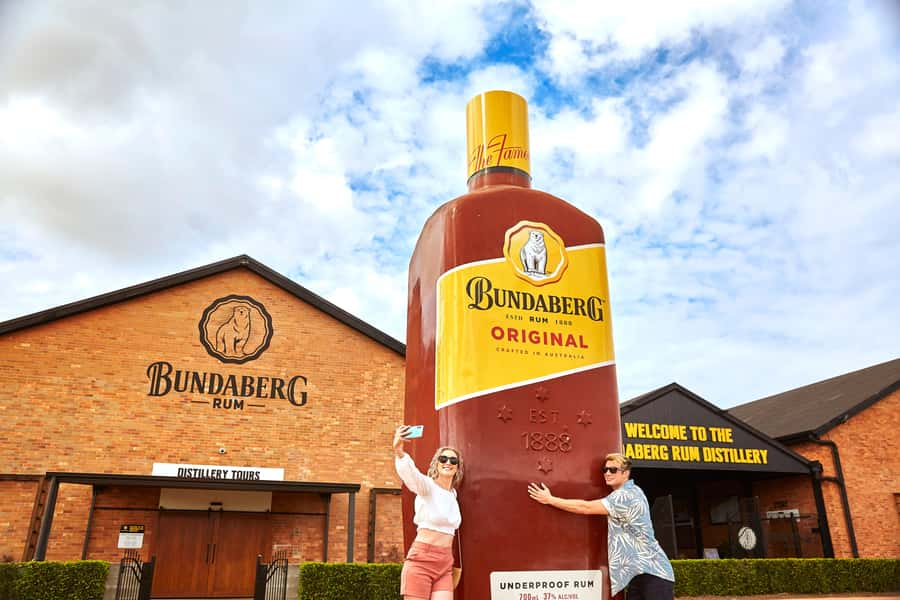
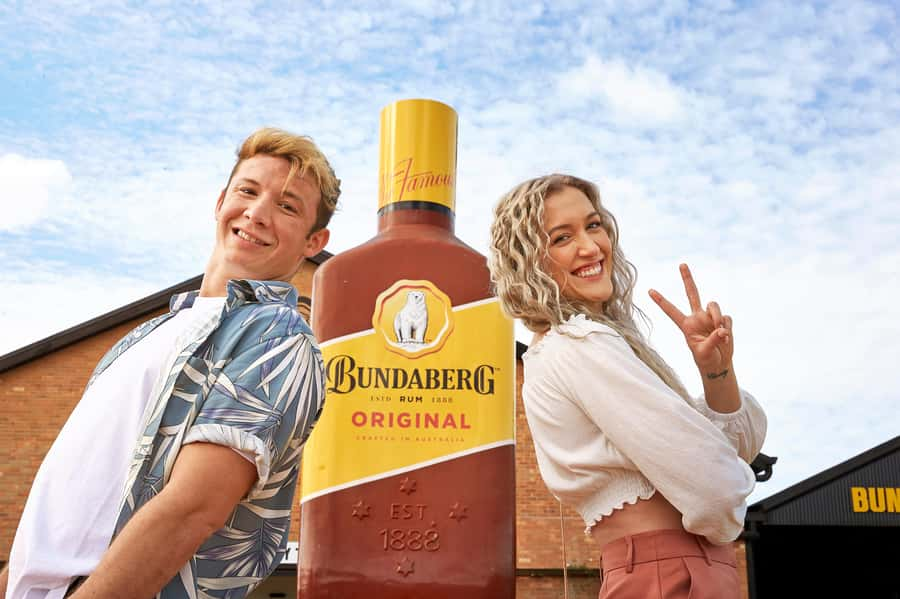
Look for the large bottle at the entrance, which marks the meeting point. The visitor area also includes a shop with Bundaberg products and merchandise. A café-style Bear Garden Alfresco Dining area offers the Bundy Banger hotdog, snacks, and hot or cold drinks for purchase.
The molasses well shows the scale
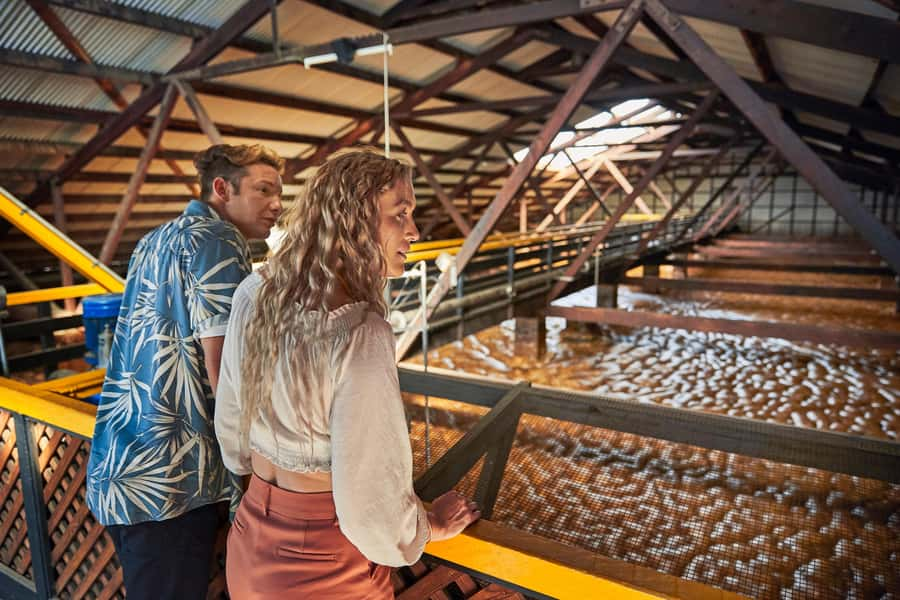
The first major production stop is the molasses well. It can hold up to 5 million liters of molasses, supplied by the sugar mill across the road.
This is one of the most useful parts of the tour because it connects rum to Queensland’s sugar industry. Molasses is a byproduct of sugar production, so the distillery begins with a dark, heavy liquid that would otherwise have less value. Seeing the size of the storage well makes the volume of production easier to grasp.
You are also looking at the raw material before it becomes a finished drink. That gives the tour a practical rhythm: source, fermentation, distillation, aging, and tasting. It is a simple sequence, but it makes the final glass easier to understand.
The route is outdoors, so sun, rain, and heat can affect your comfort. Wear sensible clothing and footwear, and keep in mind that bare feet are not allowed. The tour is wheelchair accessible and pram friendly, but the site remains an active industrial setting rather than a quiet museum.
Fermentation tanks and the first transformation
From the molasses well, the guide takes you toward the fermentation tanks. You get a look into one of these tanks and hear how the mixture changes before distillation.
This section helps explain why rum does not simply come from pouring molasses into a still. Fermentation is the stage where the sugary liquid begins its transformation into an alcoholic wash. You may find this part less visually dramatic than the large well or the barrels, but it is important to the process.
The guide-led format works well here. Industrial equipment can look like a wall of pipes and metal unless someone tells you what to notice. The tour guides use explanations, banter, and jokes to keep the technical material moving. Guides named in the visitor feedback include Shaz, Skye, Amber, Sandy, Deb, Bobbi, Gee, Taylor, and others, so the exact personality of your tour will depend on the day.
The style appears friendly and energetic, though not every guide will suit every person. One account praised Bobbi’s group presentation but found her one-on-one manner less warm. That is a useful reminder that guide chemistry can vary, even when the overall tour remains informative.
More Food Tours in Capricorn Coast:
- Bundaberg: Brew Tasting and Self-Guided Gallery Tour
★ 4.8 · 256 reviews - Bruny Island Food, Sightseeing, Guided Lighthouse Tour & Lunch
★ 5.0 · 2,989 reviews - Epic Yarra Valley Wine Tour + Lunch, Chocolate & Gin/Beer Option
★ 5.0 · 1,819 reviews - Barossa Premium Wine Tasting Tour & lunch Departs 7 days a week
★ 5.0 · 1,475 reviews
Double distillation is the technical heart
The next stage introduces double distillation. This is where the fermented liquid is refined through two distillation steps before it is ready for aging.
You do not need a background in spirits to follow the explanation. The important point is that distillation separates and concentrates the alcohol while shaping the character of the final rum. The guide explains how the process turns the fermented wash into a spirit suitable for barrel aging.
I like this part because it gives you a reason to pay attention to the equipment. Instead of viewing the stills as oversized factory machinery, you can connect them to the drink you will taste later. The tour does not ask you to master every technical detail. It gives you enough context to understand why the distillery uses this method.
Photography is not allowed on the tour, and flash photography, video recording, phones, tablets, and other battery-powered devices are prohibited. This can feel restrictive, especially if you are used to recording every stop. The reason is safety: the distillery has highly flammable areas, and anything with a battery must stay in a free locker.
That includes your camera, phone, and car keys. If you use a medically necessary device such as a hearing aid, insulin pump, or motorized mobility device, tell the guide so special arrangements can be made.
The Barrel House explains patience
The final production stop is the Barrel House. Here, you learn how Bundaberg Rum is aged and matured for a minimum of two years before bottling.
The barrel section adds a slower note to a tour that has mostly focused on tanks and machinery. Distillation produces the spirit, but aging gives it time to develop. The barrels also show that the finished bottle is not the result of one quick industrial step.
The guide explains how the rum rests in wood before it reaches the shop shelf. This is a good place to ask yourself what has changed since the molasses well. You have followed the raw material through fermentation and double distillation, and now you see the waiting period that completes the process.
The Barrel House is also one of the more atmospheric parts of the visit. The smells of the working site, the barrels, and the production areas help turn an abstract process into something you can sense. You cannot take photographs, but the lack of screens can make you pay closer attention to the guide and the surroundings.
Finish with one rum and one liqueur
After the production route, you return to the Bundaberg Rum Tasting Bar. The included tasting consists of two samples from the range: one rum and one liqueur.
This is not a full cocktail class or a large tasting flight. It is a short introduction to the products after you have seen how they are made. The tasting works best when you use it to compare the straightforward rum with the sweeter, flavored liqueur.
You can also purchase other drinks, snacks, or food in the visitor area. The Bear Garden Alfresco Dining space serves the Bundy Banger hotdog, along with hot and cold beverages. If you plan to eat there, treat it as an optional extra rather than part of the $21 tour price.
The tasting is a sensible finish because it gives the production story a direct result. You have seen the raw material, the tanks, the stills, and the barrels. Now you get to sample the kind of product that comes from that chain.
Guide quality adds much of the personality
The basic route is fixed, but the guide gives it its character. Names praised in the supplied visitor comments include Shaz, Skye, Amber, Sandy, Deb, Gee, Taylor, and Bobbi. Shaz was described as clearly enjoying the work, while Skye was praised for an informative presentation. Other guides were appreciated for their banter and playful rum jokes.
That matters on a short tour. In an hour, a warm and lively guide can make a technical process easy to follow. The best guides balance information with humor without allowing the jokes to take over.
You should expect a group presentation rather than a private lesson. If you want a detailed personal discussion at every stop, the pace may feel brisk. If you enjoy a clear explanation with some friendly humor, the format should suit you.
The overall visitor score is 4.6 from 56 ratings, with strong praise for the staff, cleanliness, history, and explanations. One useful practical detail is that the factory and shop are kept very clean, which is reassuring when you are visiting a food and drink production site.
What the $21 price really buys you
At $21, this is a modestly priced attraction. The key question is not simply whether two tastings are worth the fee. It is whether you value access to the operating distillery.
The self-guided museum walk costs $20 and includes the same two tasting portions, one rum and one liqueur. It does not take you into the actual production areas. Paying the extra dollar for the guided tour gives you the molasses well, fermentation tank, distillation explanation, and Barrel House.
That makes the guided visit the better buy for most people. The self-guided choice makes sense if you have limited time, prefer to set your own pace, or do not want to enter an industrial work site. Otherwise, the small price difference is easy to justify.
Food, drinks, merchandise, and products from the shop cost extra. The café and shop are useful additions, but you can treat them as optional rather than feeling that the tour price is incomplete.
Practical details that affect your visit
The tour is conducted in English and lasts about one hour. The schedule varies, so check the available starting times when booking.
Arrive 30 minutes early for the museum. If you arrive just before departure, you may miss the self-guided portion or feel rushed getting ready for the group.
The route is outdoors and the distillery is fully operational. Smoking is forbidden inside and on the tour, with marked safe smoking areas outside. Do not bring fireworks, explosives, or anything that could create a flame. Bare feet are not permitted.
The battery ban is the detail most likely to affect your plans. Put phones, cameras, tablets, iPads, and car keys in the free lockers before the tour. If you want a photograph of the big bottle, shop, or other permitted public areas, take it before entering the restricted route and follow staff instructions.
Wheelchair and pram access is provided, but tell the staff about any medically necessary electronic device before the tour. The site can make special arrangements for hearing aids, insulin pumps, and motorized mobility devices.
Free cancellation is available up to 24 hours before the tour, and you can reserve now and pay later. Those terms are useful if your Queensland plans are still shifting.
Who should book this Bundaberg experience?
I would choose this tour if you like local production, Australian brands, food and drink, or short attractions that explain how something is made. It is also a good fit if you are already visiting Bundaberg and want an activity that takes about an hour rather than half a day.
Families can appreciate the museum and the large-scale equipment, though children must follow the strict safety rules. The pram-friendly route helps, but the industrial setting may be less appealing to very young children than an open park or wildlife activity.
Rum fans will get the most from the tasting, while non-drinkers may find the production story more interesting than the samples. Since the tour is not built around extensive tasting, you do not need to be a serious spirits collector to enjoy it.
I would skip the guided option if you only want a quick drink, dislike group tours, or need to keep your phone in your hand at all times. In that case, the museum-only option may be more convenient, though it does not provide access to the working distillery.
Should you book it?
Yes, if you want to understand how Bundaberg Rum is made and you value seeing a real production site. The $1 difference between the guided and self-guided options makes the one-hour tour the clear choice for most visitors.
Book it with realistic expectations. This is not a long tasting session, a cocktail workshop, or a photo-friendly attraction. It is a concise, well-organized look at molasses, fermentation, double distillation, barrel aging, and two final samples, with the quality of the guide adding much of the fun.
Arrive early, leave your electronics in the locker, and allow time for the museum and perhaps the Bear Garden afterward. If guides such as Shaz, Skye, Amber, Sandy, Deb, Gee, Taylor, or Bobbi are leading on the day, expect the tone to include clear explanations and a fair bit of rum-related humor.
FAQ
How long does the Bundaberg Rum Distillery Tour take?
The guided tour takes approximately one hour. You should arrive 30 minutes before departure to visit the museum first.
How much does the tour cost?
The guided Bundaberg Rum Distillery Tour costs $21 per person. A self-guided museum experience is available for $20 per adult.
What is included in the tasting?
The guided tour includes two tastings at the Bundaberg Rum Tasting Bar: one rum and one liqueur from the Bundaberg range.
Can I take photos or bring my phone?
No. Phones, cameras, tablets, iPads, and other battery-powered devices are not allowed on the tour. Free lockers are available, and flash photography and video recording are prohibited.
Is the tour wheelchair accessible?
Yes. The tour is wheelchair and pram friendly. Tell the guide about any medically necessary electronic device so staff can make safe arrangements.
Is the museum included?
Yes. The guided experience includes the self-guided museum. Arrive 30 minutes early so you have time to see it before the one-hour tour.
Can I eat or buy drinks at the distillery?
Yes. Food and drinks are available for purchase in the Bear Garden Alfresco Dining area, including the Bundy Banger hotdog, snacks, and hot and cold beverages. Merchandise and food are not included in the tour price.
Just added around Capricorn Coast
- Scooter Wildlife & Sunset Tour★ 5.0 · 21 reviews
- 1770 Coastline Tour by LARC Amphibious Vehicle Including Picnic Lunch★ 5.0 · 72 reviews
- Self Guided Agnes to 1770 Scooter Hire★ 5.0 · 25 reviews
- Rosslyn: Great Keppel Island Glass Bottom Boat Tour★ 4.5 · 54 reviews
- Yeppoon: Great Keppel Island Fast Boat Snorkel & Lunch Tour★ 4.9 · 36 reviews
- LARC! Paradise Tour: Beach, Lunch and Sandboarding★ 4.9 · 23 reviews
- From Rosslyn: Great Keppel Island Adventure Tour with Lunch★ 4.8 · 41 reviews
- From Mackay: Wallabies on the Beach Sunrise Trip★ 4.7 · 115 reviews
Distillery & Gin Tours, compared.
Laid back, Yarra Valley Wine Tour: Wine, Cider, Gin, Beer + Choc
Read our review →
Epic Yarra Valley Wine Tour + Lunch, Chocolate & Gin/Beer Option
Read our review →
Amazing Yarra Valley Wine Tour + Chocolate, Farm Fresh, Gin
Read our review →
Yarra Valley Wine, Gin, Whisky and Chocolate Tour
Read our review →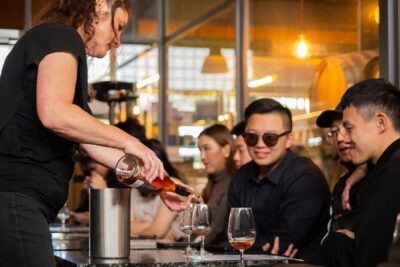
Yarra Valley Grazing Tour Wine, Cheese, Gin, Pizza from Melbourne
Read our review →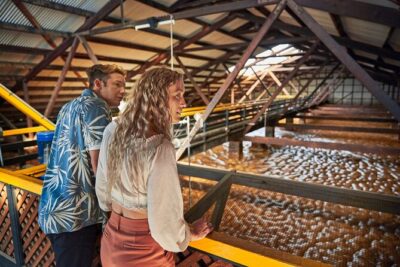
Bundaberg Rum Behind The Scenes Distillery Tour And Museum Experience
Read our review →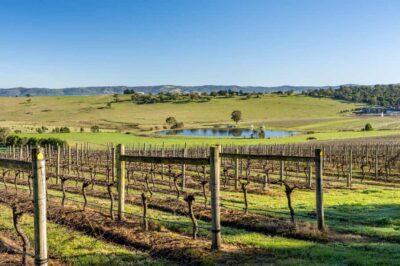
Yarra Valley Wine, Cider, Gin, Beer, & Choc Tour
Read our review →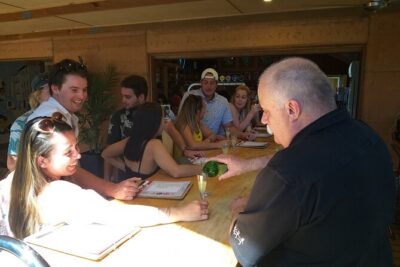
Margaret River Wine, Brewery & Distillery Tour with Lunch
Read our review →Browse the lists this tour appears in