
Reviewed · ALICE SPRINGS
4 Day Uluru Kings Canyon West MacDonnell NP from Alice Springs
Uluru is only part of the story here. Over four days, you see the great red centrepieces of Central Australia, from Uluru and Kata Tjuta to Kings Canyon and the West MacDonnell Ranges, while sleeping outdoors and walking through country connected to the Ulpanyali and Lilla people. The variety is the real draw.
I like the guided walks, which include the Valley of the Winds, Walpa Gorge, Kings Canyon and Ormiston Gorge. I also like the practical setup: meals, bedding, park passes, drinking water and air-conditioned 4×4 transport are included, so you can focus on the country around you. The tradeoff is clear: this is an active camping trip, with long drives, early mornings, shared chores and up to 10 to 12 kilometres of walking in a day.
Key points to know before booking
- Four major Red Centre stops: Visit Uluru, Kata Tjuta, Kings Canyon and Tjoritja West MacDonnell National Park in one carefully packed trip.
- Early starts are part of the deal: Sunrise viewing, heat management and long driving days can mean breakfast before dawn and occasional 4 am wake-ups.
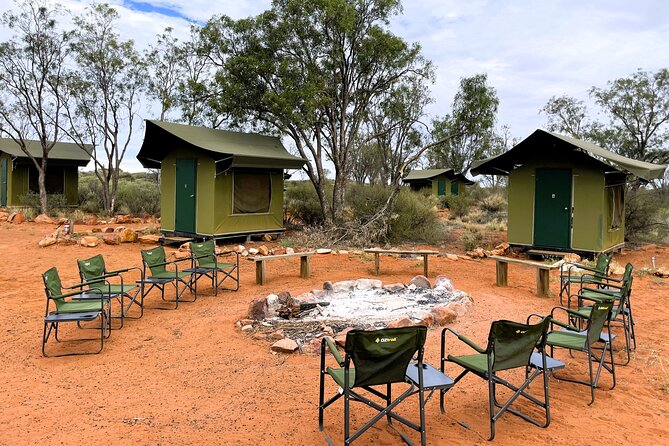
- Two sleeping styles: Choose a permanent campsite safari tent with mattress, pillow and linen, or a traditional canvas-covered bush swag.
- Guides shape the experience: Guides including Damien, Adam, Jordan, Alex, Mitch and Sheanna have been praised for local stories, safe driving, cooking and care for the group.
- You help run camp: Meal preparation, washing dishes and loading the vehicle are shared tasks, not optional extras.
- Good value for an active visitor: The $791.84 price includes three nights, most meals, key park passes, transport and guided walks, but not every meal or personal spending.
Four Red Centre icons in four demanding days
This tour is built for people who want to see a lot without arranging several separate transfers, park entries and camp stays. You begin and end in Alice Springs, with three nights at permanent outback campsites near the main areas visited.
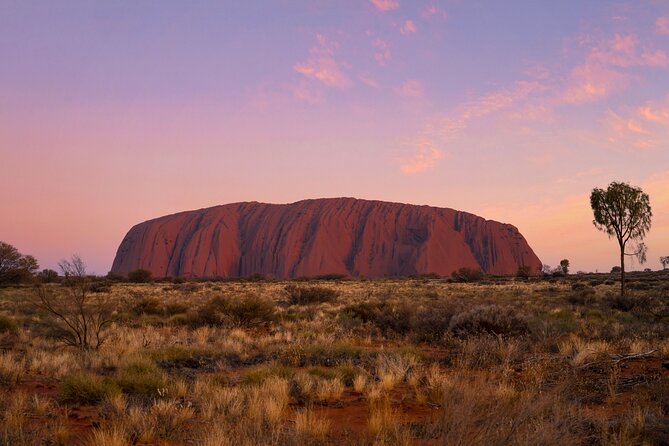
The route covers a huge amount of ground. That means long hours in the vehicle, but it also gives you a useful view of how the Red Centre changes from one place to the next. Uluru is the great monolith, Kata Tjuta is a cluster of massive domes, Kings Canyon brings steep sandstone walls, and the West MacDonnell Ranges add gorges, waterholes and distinctive geology.
The group can reach a maximum of 21 people. That is small compared with a large coach tour, but it is still a sizeable group when one guide is driving, cooking, organising camp and leading walks. Your experience will depend partly on the guide and partly on how well the group works together.
A few more Alice Springs trips worth weighing up
- From Alice Springs/Yulara: 4-Day Red Centre 4WD Camping Tour
★ 4.6 · 68 reviews - Freedom 3/4 Day Hervey Bay Premium Whale Watching Cruise
★ 5.0 · 919 reviews - 4 Day Wild Tasmania Tour / Wildlife, Nature, Hiking / Inc. Accom
★ 5.0 · 126 reviews
Day one: Alice Springs to Uluru by 4×4
The first day starts at 6:00 am from Stay at Alice Springs Hotel on Leichhardt Terrace. You should be ready for a long day, with roughly 12 hours scheduled for travel, stops and activities.
The air-conditioned 4×4 bus is important here. The road distances are large, and one part of the route can take around five hours from Alice Springs to Uluru, depending on pickups and stops. The vehicle can also use off-road tracks, helping the tour reach places beyond the main highway route.
A stop at Mt Connor lookout gives you an early introduction to the Red Centre. Mt Connor is often mistaken for Uluru from a distance, so this is a useful place to learn the difference while taking in the broad red terrain. It is a small but worthwhile stop because it sets the scene before the main event.
Later, you reach Uluru-Kata Tjuta National Park. The pass is included, which saves both money and the bother of arranging entry yourself. The park is recognised by UNESCO for its dramatic geological formations, rare plant life and natural beauty, but the visit is not only about scenery. The rock and surrounding country carry major cultural meaning, and the tour gives you a chance to visit places connected with Anangu culture and stories.
You can expect stops around Mutitjulu Waterhole, Kuniya Piti and Kantju Gorge. Each offers a different way to read Uluru. Mutitjulu Waterhole brings you close to a sheltered water source, while Kuniya Piti and Kantju Gorge show how weather and water have shaped the rock over time.
The long first day is the main strain. Hotel pickups and other transport stops can stretch the schedule, and you may spend much of the day seated before reaching camp. Still, the air conditioning, regular toilet breaks and guide commentary make the distance more manageable.
Day two: sunrise, Kata Tjuta and the Valley of the Winds
Day two begins early, with breakfast before a sunrise over Uluru-Kata Tjuta National Park. An early start is not just a scheduling choice in the Red Centre. It helps you walk before the heat becomes severe, and it gives you the best chance of seeing the colours shift across the rock.
Kata Tjuta, also called the Olgas, has a very different shape from Uluru. Instead of one great rock, you see a group of enormous rounded domes. The Valley of the Winds walk is the major outing, with steep and uneven sections that require solid fitness, sensible footwear and enough water.
Walpa Gorge may also be part of the Kata Tjuta experience. The gorge brings you between towering formations, with a closer view of the rock surfaces and plant life. The exact walking plan can depend on conditions, fitness levels and access on the day.
This is one of the tour’s strongest days for active visitors. You get time on foot rather than simply stopping for photographs, and the guide can explain the country as you go. Guides such as Damien, Adam and Sheanna have been praised for clear commentary, personal stories and care with different walking abilities.
Take the fitness warning seriously. The tour describes the walks as moderate to advanced, with up to 10 to 12 kilometres of walking depending on the day and your chosen route. One account describes a participant finishing a trail later than the rest of the group, so do not assume the pace will suit everyone automatically. Tell the operator about medical conditions when booking, and anyone over 75 needs a doctor’s certificate issued within 30 days of travel.
Day three: Kings Canyon and the Watarrka country
Day three starts early again, this time for Kings Canyon, known as Watarrka. The area has strong connections to the Ulpanyali and Lilla people, and the walk takes you through an ancient setting of high sandstone walls, narrow passages and open views.
You should bring sturdy walking shoes and a full water bottle. The tour provides drinking water on board, but you need to supply your own reusable bottle. The walk is one of the physical highlights, so this is not the right day for flimsy footwear or a casual approach to hydration.
The scale of Kings Canyon is different from Uluru and Kata Tjuta. Here, the reward comes from changing height and texture as you move through the area. You can expect a demanding walk of around two to three hours based on the usual daily walking pattern described for the tour, although the exact route and timing can vary.
The guide’s role matters at Kings Canyon. A good guide keeps the group moving safely, explains the significance of the country and watches how people are coping with the heat. Mitch, Alex and Jordan have each been praised for some combination of safe driving, humour, cooking, patience and strong local stories. Those practical skills count more here than polished presentation.
The downside is that this is another early and physical day after a long route from Uluru. If you are hoping for a slow sightseeing holiday, the schedule may feel relentless. If you want to walk through the major sites rather than view them from a bus, the effort pays off.
A different sort of day out, same corner of Alice Springs:
- Early Morning Ballooning in Alice Springs
★ 5.0 · 426 reviews - West MacDonnell Ranges Day Trip from Alice Springs
★ 4.5 · 364 reviews - From Alice Springs: West MacDonnell Ranges Day Trip
★ 4.7 · 296 reviews - Alice Springs: Early Morning Hot Air Balloon Flight
★ 4.9 · 243 reviews
Day four: Ormiston Gorge and the West MacDonnell Ranges

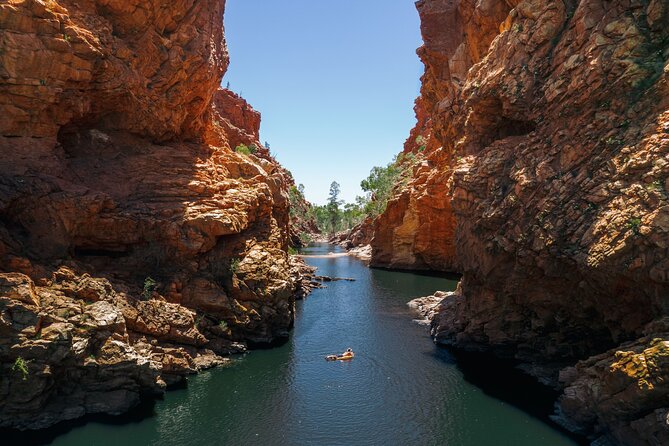
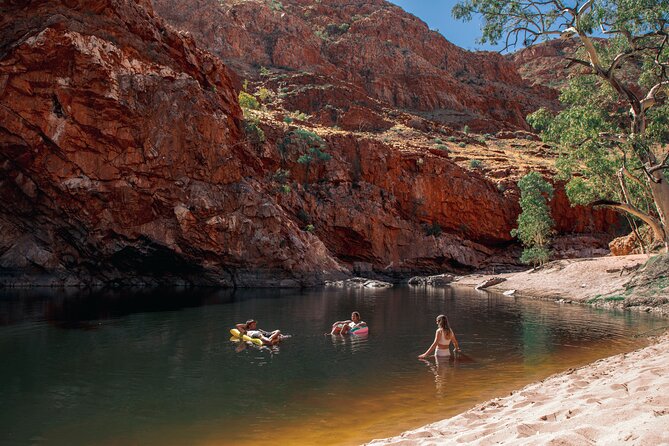
The final day heads into Tjoritja, or West MacDonnell National Park. This region gives the trip a different finish, with red walls, waterholes and plant life around Ormiston Gorge, plus stops at the Ochre Pits, Ellery Creek Big Hole and Standley Chasm.
Ormiston Gorge is one of the most memorable places on the route. The high walls frame a quieter setting, and you may spot black-footed rock wallabies in the rocky areas. The combination of wildlife, shade and stone makes it a fine place to slow down after several intense days.
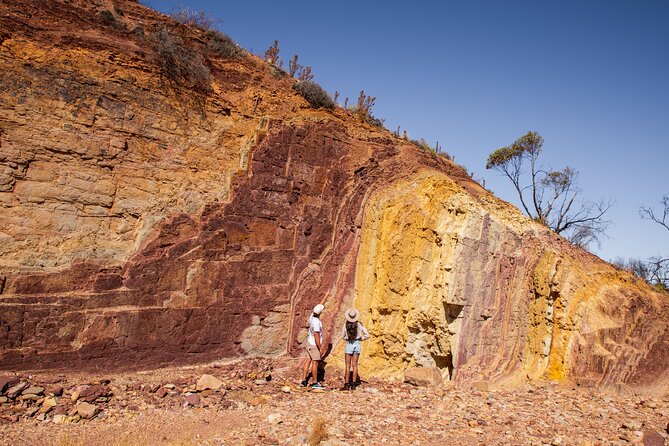
The Ochre Pits show bands of naturally coloured earth used by Aboriginal people for ceremony and other cultural purposes. This is a valuable stop because the colours are not simply pretty scenery. They connect the geology of the ranges with living cultural practice.
Ellery Creek Big Hole adds water to the trip. Conditions can change, so you should not assume every stop will offer the same swimming or walking experience. The itinerary can also include Standley Chasm, where the pass is included, while the West MacDonnell National Park entry itself is not included in the listed inclusions.
By day four, you will probably appreciate the air-conditioned ride back to Alice Springs. The return transfer completes the loop, but this is not a tour that ends near Uluru or in another town. You need to plan your accommodation and onward travel in Alice Springs.
Camp life, meals and the two sleeping choices
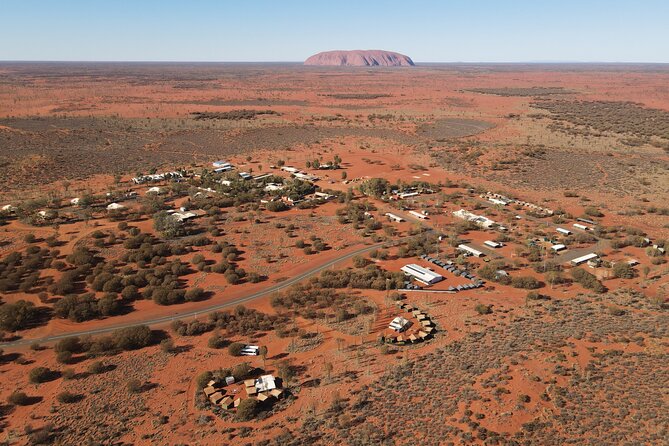
Camping is central to the experience, not a small add-on. You spend three nights at permanent outback campsites near Uluru, Kings Canyon and the West MacDonnell region.
The safari tent option includes a mattress, pillow and bed linen. The swag option gives you a traditional Australian bush sleeping setup, a canvas-covered bedroll that places you closer to the outdoor setting. A sleeping bag can be hired if needed, but you should ask about this when booking.
Camp comfort varies. Some people find the sites clean, practical and fun, while one campsite has been described as less appealing, with toilets a distance from the tents and a tent light that did not work properly. Packing a small torch or headlamp is sensible, especially if you are getting ready before dawn.
Meals are included as four lunches, three dinners and three breakfasts. The food is simple outback fare rather than restaurant dining, but it is designed to keep you going through long walks and drives. You help prepare meals, clean up and load or unload the vehicle. Think of this as part of the group experience, not a hotel service.
The shared work can be a plus if you like meeting people quickly. It can also feel tiring after a hot walk, especially when the group is large. Guides such as Mitch and Damien have received praise for cooking and keeping camp organised, but everyone still needs to do their share.
What the $791.84 price really covers
At $791.84 per person, the tour offers fair value if you want an active four-day route with camping and transport already arranged. The price includes three nights at permanent campsites, the Uluru-Kata Tjuta National Park pass, the Standley Chasm pass, four lunches, three dinners, three breakfasts, bedding for the safari tent option, guided walks and transport.
You also get on-board drinking water and an accredited outback driver guide. Those inclusions matter in Central Australia, where distances are large and arranging a route between these sites can be costly and awkward without your own vehicle.
The price does not cover every meal, personal expenses or West MacDonnell National Park entry. You should budget for anything outside the stated meal plan and bring suitable personal gear. The mobile ticket is convenient, but the bigger value comes from having the guide, vehicle, camps and main park access combined.
Heat, flies and the pace of the tour

The Red Centre can be hard work. Heat and flies are part of the setting, and the schedule is built around early starts to reduce the worst of the daytime conditions. In January, walking may begin very early because the heat rises quickly.
You need a medium to high level of fitness and good mobility. The operator asks about medical conditions at booking, and service animals are allowed. This is not a suitable choice if you need a relaxed timetable, private facilities or a short walk at every stop.
The most useful packing priorities are a refillable water bottle, walking shoes, sun protection and a headlamp. A sleeping bag may be hired, and you should arrange that in advance if needed. Keep personal luggage practical, since the group must load and unload the vehicle during the trip.
Who should book this Alice Springs tour?
I would choose this trip if you want the major Red Centre sights in one organised route and you are comfortable with basic camping. It suits walkers, first-time visitors without a rental car, and people who enjoy shared meals and outdoor evenings.
It is also a good match for anyone who wants more than a quick Uluru stop. You see four very different areas and hear stories from guides who know how to explain the country, wildlife and road conditions.
I would think twice if you dislike early mornings, shared chores, long vehicle days or sleeping outdoors. A group of up to 21 can feel busy, and the walking demands are real. The tour is active, practical and occasionally rough around the edges, which is exactly why it works for some people and not for others.
Should you book the four-day Red Centre route?
Book it if your priority is coverage, guided walks and a genuine camp-based experience rather than comfort. The itinerary gives you Uluru, Kata Tjuta, Kings Canyon and the West MacDonnell Ranges without requiring you to organise separate transport or park visits.
Skip it if you want private accommodation, flexible mornings or a gentle sightseeing pace. For an active visitor who accepts the heat, chores and long drives, $791.84 is a sensible price for the amount of country covered and the practical support provided.
FAQ
Where does the tour start and finish?
The tour starts at Stay at Alice Springs Hotel, 11 Leichhardt Terrace, Alice Springs, at 6:00 am. It finishes back at the same meeting point in Alice Springs.
How long does the tour last?
The experience lasts approximately four days and includes three nights at permanent outback campsites.
How many people can join the tour?
The maximum group size is 21 people.
What sleeping options are available?
You can choose a safari tent with a mattress, pillow and bed linen, or a traditional bush swag. Ask about hiring a sleeping bag when you book.
How much walking is involved?
The guided walks can involve up to 10 to 12 kilometres, depending on your fitness level and the route. A moderate to advanced level of fitness is required.
Are meals included?
The tour includes four lunches, three dinners and three breakfasts. Meals not listed in the inclusions, along with personal expenses, are not covered.
Is park entry included?
The Uluru-Kata Tjuta National Park pass and Standley Chasm pass are included. Entry to Tjoritja West MacDonnell National Park is not included.
Just added around Alice Springs
- West MacDonnell Ranges & Standley Chasm Day Trip from Alice Springs★ 5.0 · 67 reviews
- Alice Town And Country Half Day Sunset Tour – Small Group★ 4.5 · 24 reviews
- Alice Springs to Uluru (Ayers Rock) Coach Transfer★ 4.5 · 39 reviews
- Alice Springs Desert Park Nocturnal Tour★ 5.0 · 45 reviews
- From Alice Springs: Palm Valley 4WD Outback Safari + Picnic★ 4.5 · 64 reviews
- Alice Springs: West MacDonnell Ranges & Standley Chasm Tour★ 4.8 · 59 reviews
- Alice Town and Country Half Day Sunset Tour -Small Group★ 4.8 · 23 reviews
- From Alice Springs/Yulara: 4-Day Red Centre 4WD Camping Tour★ 4.6 · 68 reviews
4-Day Experiences, compared.
Freedom 3/4 Day Hervey Bay Premium Whale Watching Cruise
Read our review →
4 Day Wild Tasmania Tour / Wildlife, Nature, Hiking / Inc. Accom
Read our review →
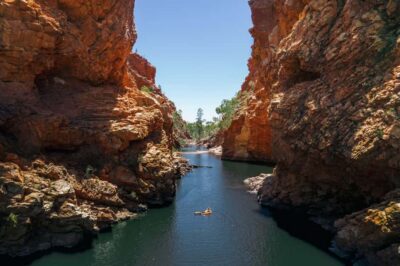
From Alice Springs/Yulara: 4-Day Red Centre 4WD Camping Tour
Read our review →
4 Day Kakadu Katherine Gorge with Guluyambi Cultural Cruise
Read our review →

4-Day PADI Open Water Dive Course – Learn to Dive on the Great Barrier Reef
Read our review →
Browse the lists this tour appears in