
Reviewed · ALICE SPRINGS
Alice Springs Desert Park General Entry Ticket
Central Australia’s desert is not empty, and Alice Springs Desert Park makes that clear fast. Its walking trails lead through woodland, sand, and river habitats, with native animals in naturalized enclosures and plants that show how much life can survive here. The nocturnal house adds rare creatures such as bilbies and ghost bats, while the bird show puts the park’s most dramatic residents in the air.
I like the three-habitat layout, because it gives you a useful picture of how water, plants, and animals shape desert life. I also like the mix of wildlife and Arrernte cultural presentations. A possible drawback is the open-ended format: you need to plan around the daily program, and the park can take anywhere from three to eight hours, so a rushed visit will miss much of its value.
Key points to know before you go
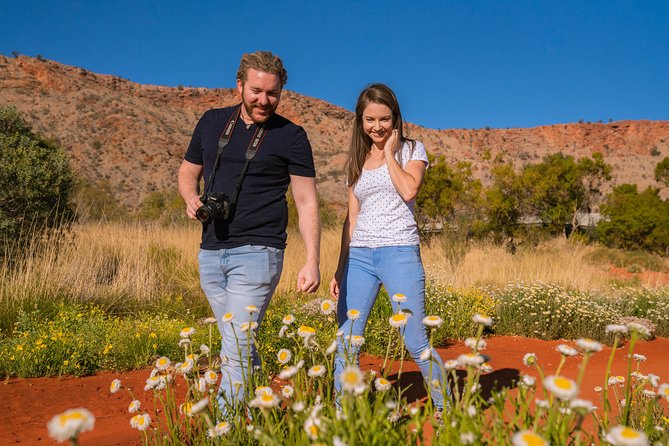
- Three desert environments: Follow paths through woodland, sand country, and desert rivers, each with its own plants and animals.
- Birds in flight: The free flying bird show is one of the park’s main highlights and gives you a close look at birds of prey in action.
- Night life in daylight: The nocturnal house lets you see bilbies, ghost bats, and other animals that are normally active after dark.
- Arrernte culture: Daily presentations share Aboriginal traditions and Dreamtime stories connected to Central Australia.
- Flexible visit length: Allow at least three hours, but plan on up to eight if you want the talks, exhibits, trails, and breaks.
- Extra costs to note: Entry is about $16, while food, drinks, electric scooters, and additional animal encounters cost extra.
Start with a map, not a random walk
When you arrive, you receive a park map and the daily program. Take a few minutes to study both. This is a self-guided visit, but the talks and animal presentations run at set times, so the schedule should shape your route.
The park is designed for a steady walk rather than a single big attraction. You move through different desert settings and stop at enclosures, displays, and viewing points along the way. That gives you freedom to linger, but it also means you can miss a presentation if you wander without checking the program.
I would begin by marking the bird show and the nocturnal house talk. Then fit the habitat trails around those fixed times. If you are visiting with children, this approach also helps break the day into manageable sections instead of asking everyone to walk continuously.
The estimated visit length is three to eight hours. Three hours is enough for a focused visit with a few presentations. If you want to take your time, stop at the café, use the picnic area, and cover the park at an easy pace, a longer stay makes sense.
A few more Alice Springs trips worth weighing up
- Early Morning Ballooning in Alice Springs
★ 5.0 · 426 reviews - West MacDonnell Ranges Day Trip from Alice Springs
★ 4.5 · 364 reviews - From Alice Springs: West MacDonnell Ranges Day Trip
★ 4.7 · 296 reviews
Three habitats explain how the desert works
The walking route passes through three main Central Australian environments: woodland, sand, and river. The value here is not just variety for its own sake. Seeing the habitats side by side helps you understand that the desert changes with soil, water, shelter, and plant cover.
Woodland
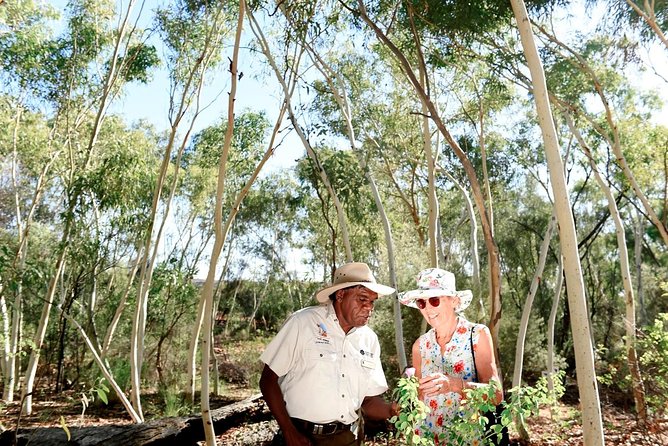
The woodland section introduces the trees and plants that provide food, shade, and hiding places for desert animals. Botanical displays add useful context, especially if you do not know the difference between the plant communities around Alice Springs.
This part of the route is a good place to slow down. The park’s plants are not background decoration. They show how animals make use of a dry environment and why even modest changes in water or cover matter.
Sand country
The sand section presents a more exposed setting. Here, the contrast with woodland becomes clear. You can look for how the animals and plants are suited to open, dry ground rather than relying on heavy shade or dense cover.
The paths and naturalized enclosures give you a better sense of place than a row of small cages would. You can linger at the viewing areas and watch for movement instead of simply ticking animals off a list.
A different sort of day out, same corner of Alice Springs:
- Alice Springs: Early Morning Hot Air Balloon Flight
★ 4.9 · 243 reviews - Alice Springs to Ayers Rock (Uluru) One Way Shuttle
★ 4.5 · 156 reviews - Uluru (Ayers Rock) to Alice Springs One-Way Shuttle
★ 4.5 · 150 reviews - Alice Springs Highlights Tour
★ 4.5 · 121 reviews
Desert rivers
The river habitat shows what happens when water gathers in an otherwise dry region. The park uses an aquarium and waterhole display to show fish, turtles, burrowing frogs, and yabbies.
This is one of the most useful parts of the visit for families. A waterhole offers an easy way to explain why so many animals gather around limited water sources. The display also provides a cool change of pace after walking through the outdoor sections.
The nocturnal house reveals Central Australia after dark
The nocturnal house is one of the strongest reasons to allow more than a quick stop. Desert animals that hide during the day become easier to see in a controlled dark setting, including bilbies, also called macrotis, and carnivorous ghost bats.
You do not have to wait until night to see these animals. The exhibit reverses the usual schedule, giving you a look at creatures that are hard to spot in the outdoor enclosures during daylight.
The keeper presentation adds meaning to the display. It is not just a dark room with small animals moving around. You learn about the habits of animals that face the particular pressures of arid Central Australia. A keeper talk in this section can be especially useful if you want more than a quick glimpse.
Give your eyes time to adjust and do not rush through. The nocturnal house rewards patient viewing. It can also be a welcome indoor stop during the warmest part of the day, though the supplied information does not promise a particular temperature or climate-control setup.
The free flying bird show gives the day its big moment
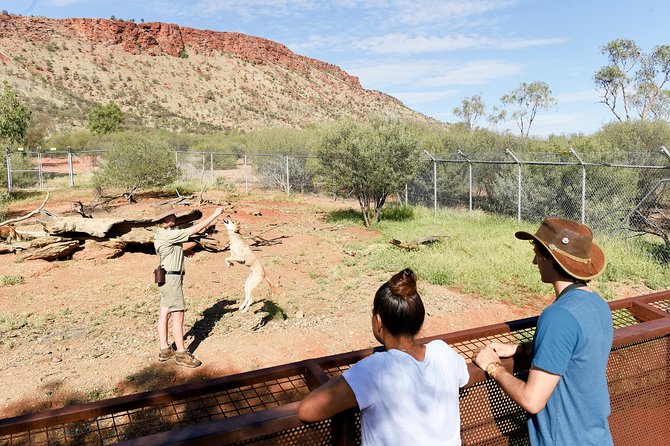
The outdoor amphitheater hosts a free flying bird show, where birds of prey are shown in action. This is likely to be the most dramatic scheduled presentation at the park because you see the animals move through open space rather than simply sitting in an enclosure.
The show also helps you understand the birds as working predators. Flight, speed, and hunting behavior are easier to appreciate when the animals are moving above and around you.
Plan your route around the show time printed in the daily program. Arriving early may help you settle into the amphitheater, but no specific seating arrangement or show length is provided, so check the schedule when you enter.
The bird show has earned special attention for good reason. It turns a general wildlife visit into something memorable, especially for children and anyone interested in Australian birds. It is also a strong reason not to treat the park as a quick photo stop.
Arrernte stories connect people and place
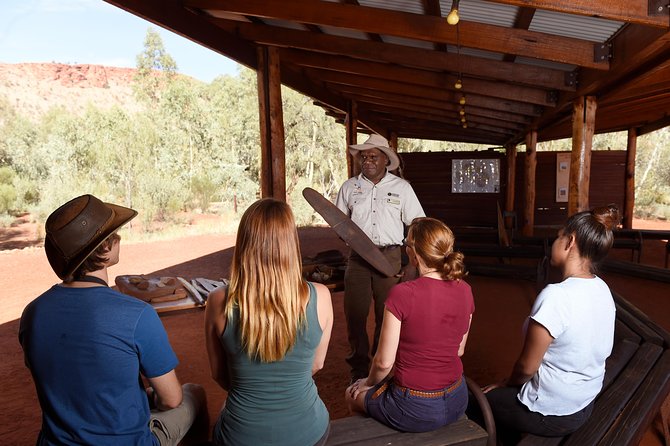
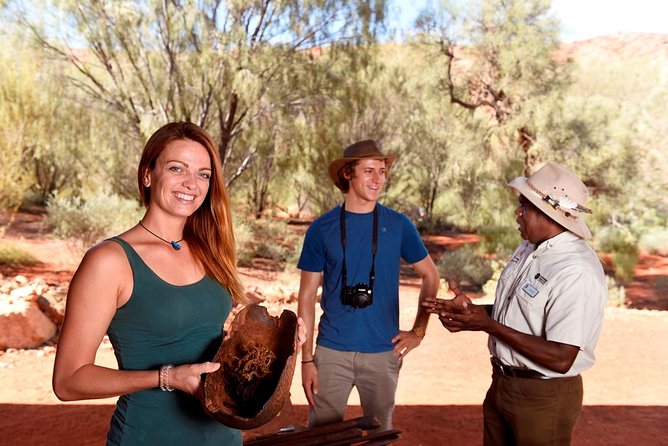
The park’s cultural presentations cover the traditions of the Aboriginal Arrernte people and include Dreamtime stories. These talks help place the plants, animals, and waterholes in a human setting.
That matters because Central Australia is not simply a collection of wildlife exhibits. The stories explain connections between people and the land, while other presentations describe how Aboriginal people used local surroundings for food, medicine, and tools.
Some presentations are given by Central Australian Aboriginal people. A guide named Reuben has been singled out for his wisdom, wit, and ability to bring the subject to life. He may not be presenting on every visit, so check the daily program rather than planning around a particular speaker.
I would make time for these talks even if your main interest is wildlife. They offer information you will not get from walking past an enclosure, and they give the park a stronger sense of place.
Naturalized enclosures make room for patient watching
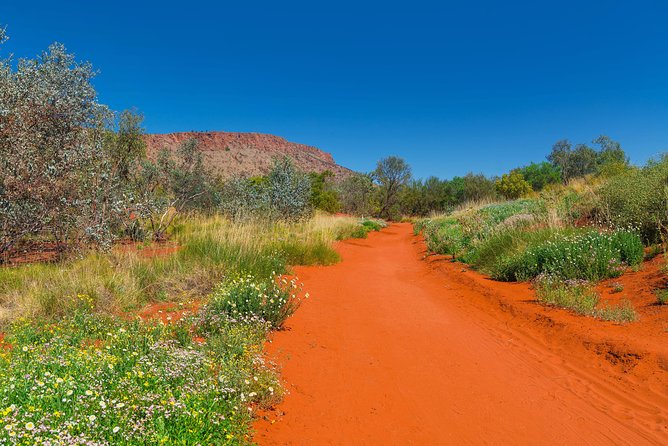
The animal areas are designed to reflect desert habitats instead of presenting every species in a bare, compact display. That does not mean every animal will be easy to spot. Natural settings can require patience, and some creatures may be resting or keeping out of sight.
For you, the trade-off is worthwhile. The enclosures along the paths let you stop and watch rather than rushing from one exhibit to the next. The setting also makes it easier to see how an animal fits into its habitat.
The park covers both familiar and less obvious desert wildlife. The waterhole display includes turtles, fish, frogs, and yabbies, while the nocturnal house brings you close to less commonly seen animals such as bilbies and ghost bats.
If you want guaranteed close views of every species, this may feel less predictable than a conventional zoo. If you enjoy watching behavior and noticing how animals use space, the approach works well.
How much time should you allow?
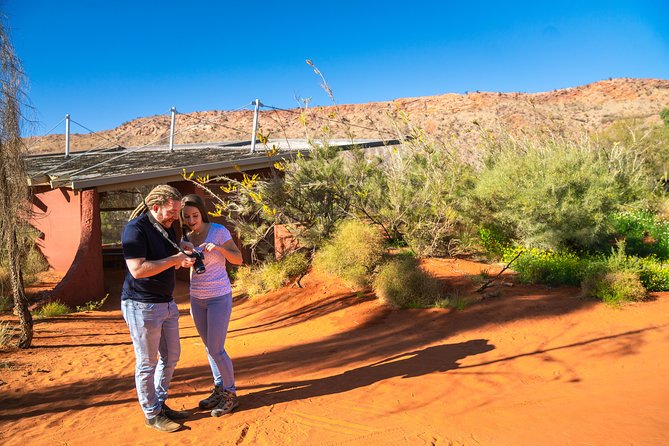
The official estimate ranges from three to eight hours. That is a wide range, but it reflects the way the park works.
Allow around three hours if you want to walk through the main habitats, see one major presentation, and visit the nocturnal house. This is the minimum I would suggest for anyone who wants more than a brief look.
Four to five hours gives you room for the bird show, cultural presentations, the nocturnal house, and a slower walk through the habitats. You can also stop for a drink or meal without turning the day into a race.
A longer visit of six to eight hours suits people who want to attend several talks, spend time at the animal viewing areas, eat at the café, and take breaks. Families may appreciate this flexibility, since you can pause at the picnic area instead of keeping everyone moving.
The listed start time is 7:30 am. Confirm the current presentation times at the entrance, since the value of the visit depends heavily on matching your route to the program.
Price and practical value at about $16

At about $16, entry is modest for a visit that can fill three to eight hours. The value is strongest if you attend the bird show, use the habitat trails, visit the nocturnal house, and join at least one cultural or keeper presentation.
A short visit focused only on seeing a few animals offers less for your money. The park is not built around one enclosed attraction. Its worth comes from the combination of exhibits, talks, paths, and time to watch.
Food and drinks are not included. The café gives you an easy option, while the picnic and barbecue area suits you if you prefer to bring something. Electric scooters are available for hire for an additional fee, and extra animal encounters also cost more.
The advertised experience includes a guide, but your visit is mainly self-guided. In practical terms, you use the map and program to set your own pace, then join staff presentations at set points during the day.
Who will enjoy this park most?
This is a strong choice for families because the day offers several types of activity: walking, animal viewing, a bird show, aquarium displays, and short educational talks. Children who like active animals may remember the birds of prey, while those with an interest in unusual creatures may prefer the bilbies and ghost bats.
It also suits anyone beginning a visit to Alice Springs. The park gives you a broad introduction to Central Australian animals, plants, Aboriginal culture, and desert habitats before you move on to other sights.
You will get the most from it if you enjoy self-guided visits. The park does not appear to be a tightly led, minute-by-minute tour. You choose how long to spend at each enclosure and which presentations matter most to you.
People who dislike walking or who have only a very short gap in Alice Springs may find the format less suitable. The information states that most people can participate, service animals are allowed, and the park is near public transportation, but transport to and from the attraction is not included.
Small comforts and extra costs
The café is useful for a longer stay, and the picnic area gives you another way to handle lunch or a rest. The gift shop provides the usual chance to take home something connected with the park.
Electric scooters can be hired for an added fee. Since the visit is built around walking trails, this option may matter if you want to cover more ground without walking the full route, though the available scooter details are not specified.
Bring your attention to the schedule rather than assuming every talk runs all day. The map and program are essential tools. Food, drinks, scooters, and extra animal encounters are separate from the entry price.
The booking terms are strict: the $16 ticket is non-refundable and cannot be changed after booking. Make sure your Alice Springs plans are firm before paying.
Should you book Alice Springs Desert Park?
Book it if you want a well-rounded introduction to Central Australia rather than a single animal encounter. The strongest plan is to allow four or more hours, attend the free flying bird show, visit the nocturnal house, and make room for an Arrernte cultural presentation.
It is especially good value for families, first-time visitors to Alice Springs, and anyone who wants wildlife explained through its habitat and cultural setting. The park’s best moments come from the combination of birds in flight, rare night animals, waterhole life, and stories about how people relate to the land.
Skip it only if your schedule allows less than three hours or you want a tightly guided tour with transport included. For everyone else, the low entry price and flexible format make this a practical way to spend a substantial part of a day in Alice Springs.
FAQ
How much does entry to Alice Springs Desert Park cost?
The entry price provided is $16.
How long should I plan to spend at the park?
The visit usually takes about three to eight hours, depending on how many talks, exhibits, and walking trails you include.
Is the visit self-guided?
Yes. You receive a park map and daily program, then explore the habitats and exhibits at your own pace. Staff presentations take place at scheduled times.
What habitats can I see?
The walking trail covers three main Central Australian environments: woodland, sand, and desert river habitats.
Is there a bird show?
Yes. The park offers a free flying bird show featuring birds of prey.
What animals are in the nocturnal house?
The nocturnal house includes rare and endangered animals such as bilbies, also called macrotis, and carnivorous ghost bats.
Can I learn about Aboriginal culture?
Yes. Presentations cover the traditions of the Aboriginal Arrernte people and include Dreamtime stories about connections between people and the land.
Are food and drinks included?
No. Food and drinks are not included, but the park has a café and a picnic and barbecue area.
Are electric scooters available?
Yes. Electric scooters can be hired for an additional fee.
Is transportation included?
No. Hotel pickup, drop-off, and transportation to and from the park are not included. The park is near public transportation.
Can I bring a service animal?
Yes. Service animals are allowed.
Can I cancel or change my booking?
No. The experience is non-refundable and cannot be changed for any reason after booking.
Just added around Alice Springs
- West MacDonnell Ranges & Standley Chasm Day Trip from Alice Springs★ 5.0 · 67 reviews
- Alice Town And Country Half Day Sunset Tour – Small Group★ 4.5 · 24 reviews
- Alice Springs to Uluru (Ayers Rock) Coach Transfer★ 4.5 · 39 reviews
- 4 Day Uluru Kings Canyon West MacDonnell NP from Alice Springs★ 4.5 · 59 reviews
- Alice Springs Desert Park Nocturnal Tour★ 5.0 · 45 reviews
- From Alice Springs: Palm Valley 4WD Outback Safari + Picnic★ 4.5 · 64 reviews
- Alice Springs: West MacDonnell Ranges & Standley Chasm Tour★ 4.8 · 59 reviews
- Alice Town and Country Half Day Sunset Tour -Small Group★ 4.8 · 23 reviews
Alice Springs Tours, compared.
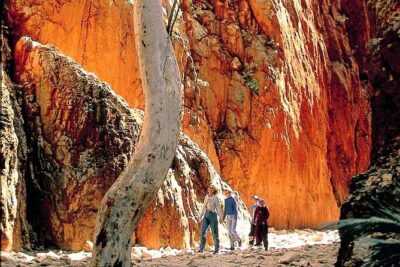
West MacDonnell Ranges Day Trip from Alice Springs
Read our review →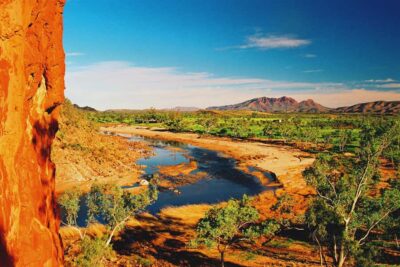


Alice Springs to Ayers Rock (Uluru) One Way Shuttle
Read our review →
Uluru (Ayers Rock) to Alice Springs One-Way Shuttle
Read our review →
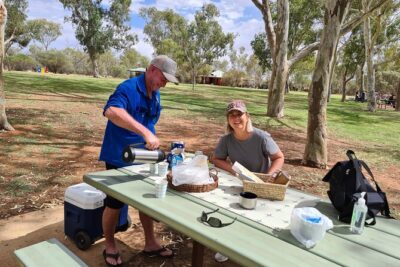
West MacDonnell Ranges Half day Tour -Small Group
Read our review →Browse the lists this tour appears in